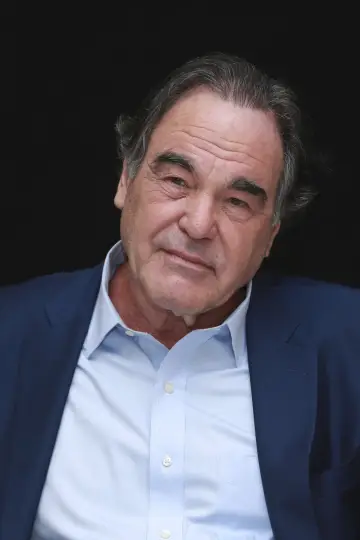
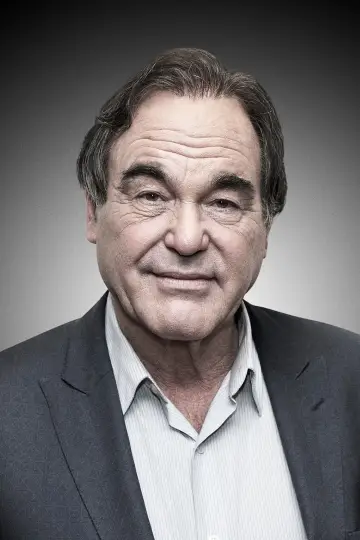
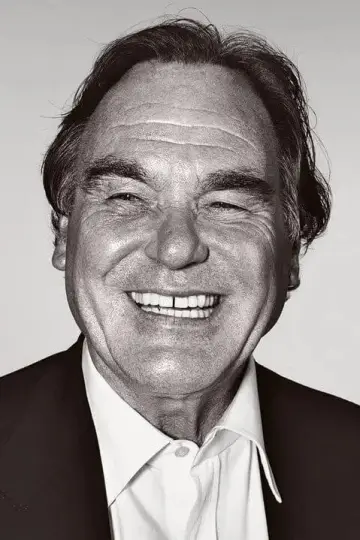
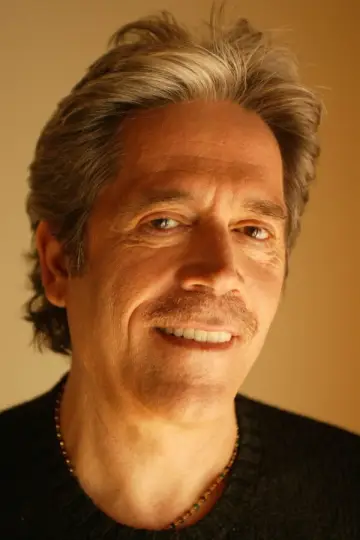
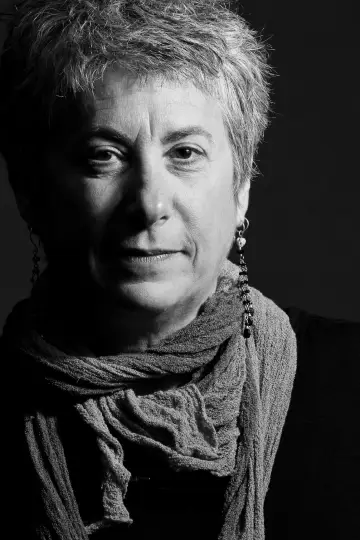
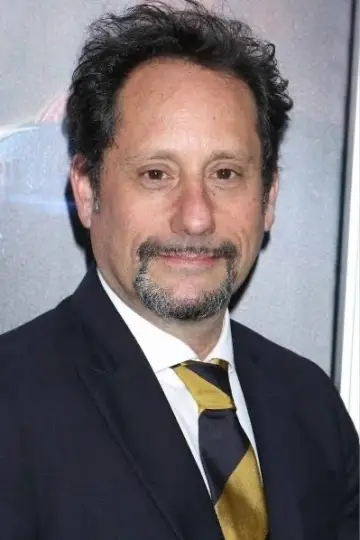
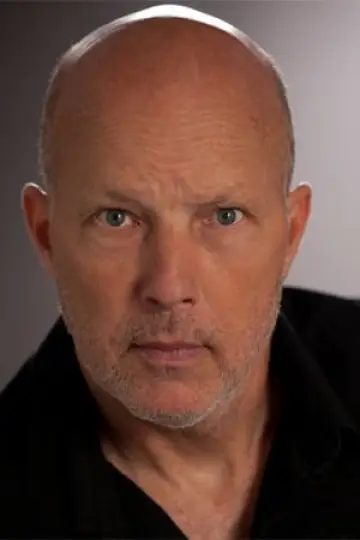
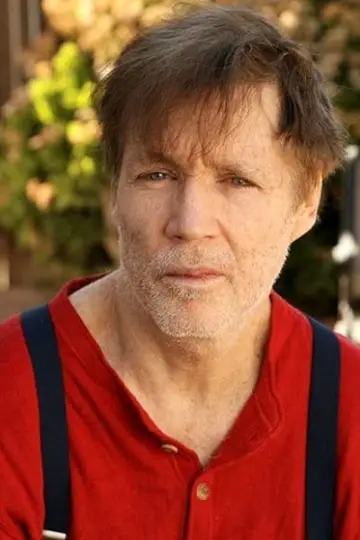
The Doors - crew, film crew

The entire team, the film crew of the film "The Doors"
The Doors (1991)
Timing: 2:20 (140 min)
The Doors - TMDB rating
7.121/10
1373
The Doors - Kinopoisk rating
7.675/10
31113
The Doors - IMDB rating
7.2/10
107000

Film crew

Director

Producer

A. Kitman Ho
Producer
Sasha Harari
Producer
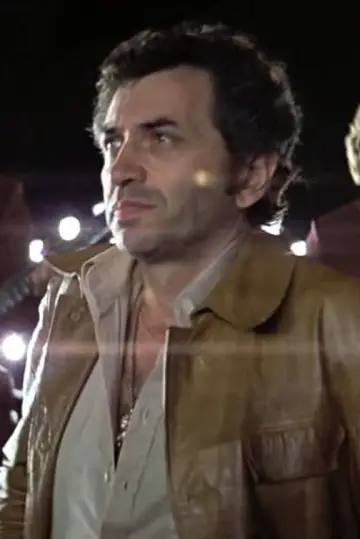
Executive Producer
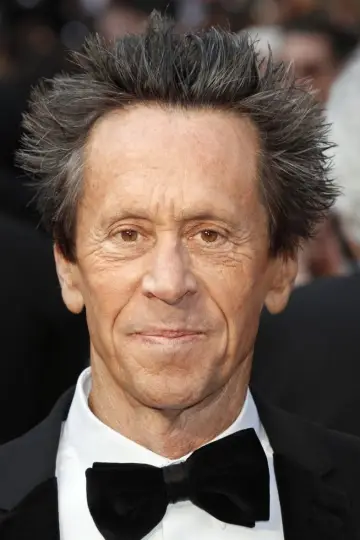
Photo Brian Grazer #8079

Brian Grazer

Brian Grazer
Executive Producer
Photo Mario Kassar #67327
Mario Kassar
Executive Producer
Nicholas Clainos
Executive Producer

Writer
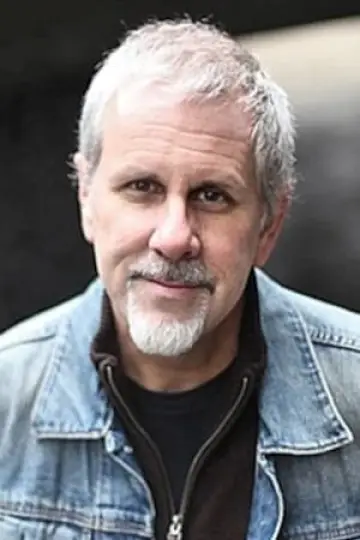
Photo Randall Jahnson #74438
Randall Jahnson
Writer

Casting

Billy Hopkins
Casting

Editor

Joe Hutshing
Editor
Art Direction

Larry Fulton
Art Direction

Costume Design
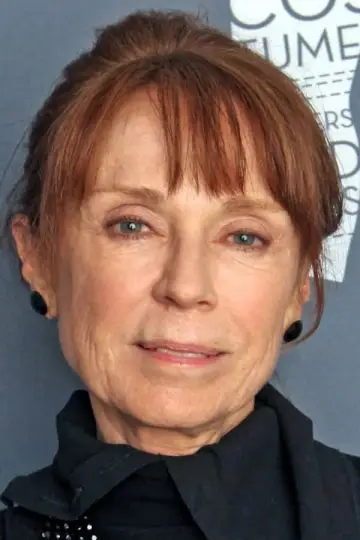
Photo Marlene Stewart #7562
Marlene Stewart
Costume Design

Stunts
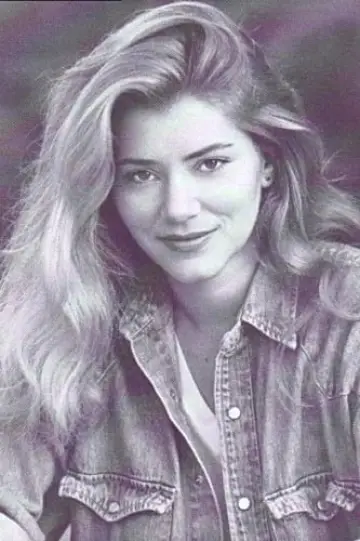
Photo Bobby Burns #12376
Bobby Burns
Stunts

Production Design

Barbara Ling
Production Design

Stunt Coordinator

Webster Whinery
Stunt Coordinator

Set Decoration

Cricket Rowland
Set Decoration

Sound Re-Recording Mixer

Gregg Landaker
Sound Re-Recording Mixer
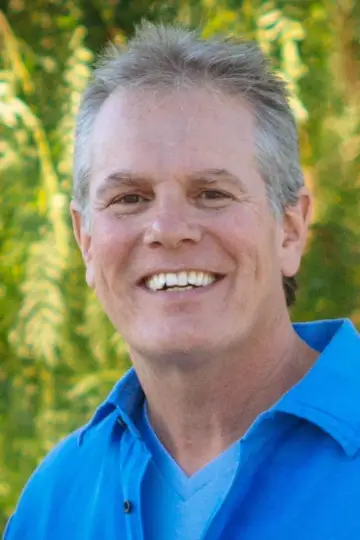
Photo Wylie Stateman #15369
Wylie Stateman
Sound Re-Recording Mixer

Michael Minkler

Michael Minkler
Sound Re-Recording Mixer

Original Music Composer
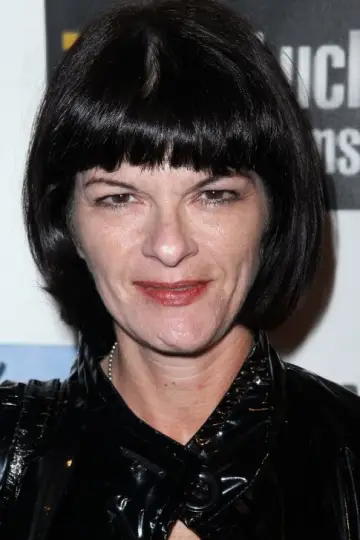
Photo Olivia Barash #113609

Olivia Barash

Olivia Barash
Original Music Composer
Carl Orff
Original Music Composer

Unit Production Manager

Helen Pollak
Unit Production Manager

Associate Producer
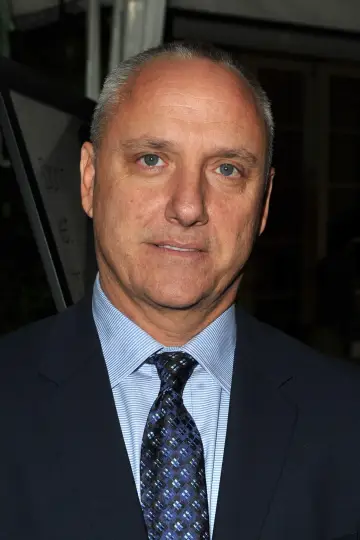
Photo Clayton Townsend #3969
Clayton Townsend
Associate Producer
Photo Joseph P. Reidy #20279
Joseph P. Reidy
Associate Producer

Director of Photography
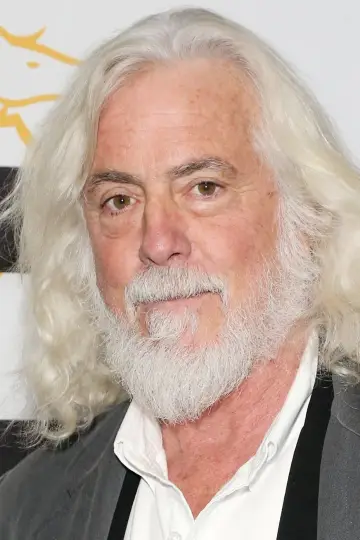
Photo Robert Richardson #3968

Robert Richardson

Robert Richardson
Director of Photography

Steadicam Operator

J. Michael Muro

J. Michael Muro
Steadicam Operator
Randy Nolen
Steadicam Operator

Costume Supervisor

Bruce R. Hogard
Costume Supervisor

Supervising Sound Editor

Photo Wylie Stateman #15369
Wylie Stateman
Supervising Sound Editor

Michael Minkler

Michael Minkler
Supervising Sound Editor

Script Supervisor

Susan Malerstein
Script Supervisor

Special Effects Coordinator

Ken Speed
Special Effects Coordinator

Still Photographer

Sidney Ray Baldwin
Still Photographer

First Assistant Director

Photo Joseph P. Reidy #20279
Joseph P. Reidy
First Assistant Director

Boom Operator

T.J. O'Mara
Boom Operator

First Assistant Editor

Julie Monroe
First Assistant Editor

Art Department Coordinator

Dora Medrano
Art Department Coordinator

Dialogue Editor
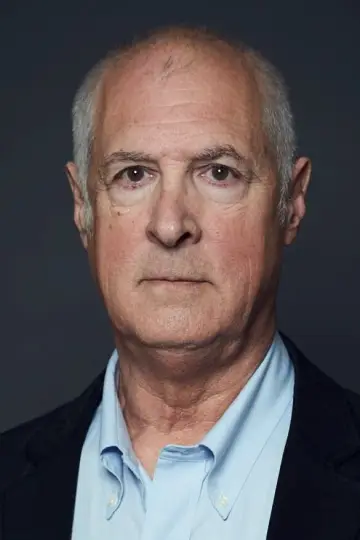
Photo George H. Anderson #67338
George H. Anderson
Dialogue Editor
Hugo Weng
Dialogue Editor
Dan M. Rich
Dialogue Editor

Key Hair Stylist

Lynda Gurasich
Key Hair Stylist

Gaffer

Ian Kincaid
Gaffer

Music Editor

Carlton Kaller
Music Editor

Production Sound Mixer

Tod A. Maitland
Production Sound Mixer

Production Coordinator

Sara Spring
Production Coordinator

Conceptual Design
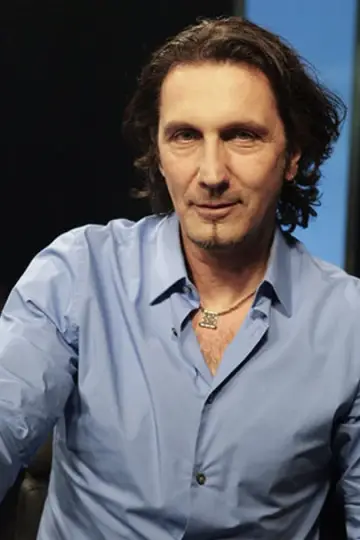
Rigging Gaffer

Dayton Nietert
Rigging Gaffer

Sound Editor

Lon Bender
Sound Editor
Jay B. Richardson
Sound Editor

What's left behind the scenes

  • According to Stone, Kilmer was the second choice for the role, the first being Ian Astbury, a British rock singer. Kyle MacLachlan, a long-time Doors fan, stated he wanted to play Morrison, but agreed to the role of Manzarek after Kilmer was chosen.
  • Krieger, Densmore, and Kennelly were the film's technical advisors. At the same time, the band members remained dissatisfied with the final version of the film, criticizing Stone for portraying Morrison as an uncontrolled sociopath, and denying this portrayal.
  • The film features over twenty songs by The Doors. And Kilmer's vocals were directly overlaid onto the original recordings of the band. He portrayed Morrison so accurately that even former members of the group sometimes couldn't distinguish his performance from the original recording.
  • Jim met Pamela Courson at 'London Fog' while The Doors were playing there, not on the street as depicted in the film.
  • When Morrison is asked in the film to change the obscene lyrics in 'Light My Fire' for an appearance on 'The Ed Sullivan Show,' he expresses blatant disregard for the request due to his rebellious nature. In reality, Morrison insisted it was an accident, that he intended to change the lyrics but was so excited about performing live on television that he forgot to do so while singing.
  • It was Joel Brodsky who took the famous photograph of Jim with his bare torso (on the cover of the album 'Best Of The Doors,' 1998), not Gloria Stavers.
  • Oliver Stone met Jim Morrison shortly before his death early in his career.
  • The advertisement featuring the song "Light my fire" never actually materialized. Jim did not give Buick permission to use it.
  • Actors such as John Travolta, Richard Gere, and Charlie Sheen were considered for the role of Morrison. Among the directors who expressed interest in the project were Brian De Palma, Martin Scorsese, Ron Howard, and Francis Ford Coppola.
  • Producer Sasha Kharari purchased the rights to adapt the Hopkins-Sugerman book "No One Gets Out Alive" back in 1981, but it took him several years to get the film made. Manzarek and Jerry Hopkins worked on the screenplay, but serious difficulties arose regarding the rights to Jim's estate, as well as the use of his works. The rights holders – the Morrison and Kursons families – refused to cooperate with any studio. Two screenplay drafts were rejected, and work on the third dragged on for months. But Kharari, with his assistant Brian Glazer, managed to attract the by then well-known director Oliver Stone, a two-time "Oscar" winner for "Platoon" and "Born on the Fourth of July," to work on the film. Stone had been negotiating his involvement since 1986, and in 1989 he joined the project initially as a co-writer. By this time, Jim's heirs had finally agreed to the use of his music and poetry in the film—in exchange for a confidential sum of money and a commitment not to mention other members of the Morrison family in the screenplay. The Kursons, in turn, made two demands: that Pamela Kursons not be portrayed in an unfavorable light in connection with the circumstances of Jim's death, and that the screenplay not be based on the Jerry Hopkins and Danny Sugerman book "No One Gets Out Alive," which Pamela's relatives characterized as a "repulsive, pathetic speculation."
  • Stone paid enormous attention to every detail. For example, to recreate a few seconds of screen time, the houses on Sunset Boulevard were restored to the appearance they had in 1967. The correct addresses were written on the envelopes that appeared in several scenes. In search of material, Stone’s agents scoured Los Angeles and Paris, and many participants in those events agreed to appear as extras and in minor roles.
  • According to Stone, Kilmer was the second choice for the role, with Ian Astbury, a British rock singer, being the first. Kyle MacLachlan, a long-time Doors fan, stated he wanted to play Morrison but agreed to the role of Manzarek after Kilmer was chosen.
  • The advertisement featuring the song “Light my fire” never actually materialized. Jim did not give Buick permission to use it.
  • Producer Sasha Kharari purchased the rights to adapt Hopkins-Sugerman’s book “No One Gets Out Alive” back in 1981, but it took him several years to get the film made. Manzarek and Jerry Hopkins worked on the screenplay, but serious difficulties arose regarding the rights to Jim’s estate, as well as the use of his works. The rights holders – the Morrison and Kurson families – refused to cooperate with any studio. Two script versions were rejected, and work on the third dragged on for months. However, Kharari and his assistant Brian Glazer managed to attract Oliver Stone, by then an established director with two Oscars for “Platoon” and “Born on the Fourth of July,” to work on the film. Stone had been negotiating his involvement since 1986, and in 1989 he joined the project initially as a co-writer. By this time, Jim’s heirs had finally agreed to the use of his music and poetry in the film – in exchange for a confidential sum of money and a commitment not to mention other members of the Morrison family in the script. The Kursons, in turn, made two demands: that Pamela Kurson not be portrayed negatively in connection with the circumstances of Jim’s death, and that Jerry Hopkins and Danny Sugerman’s book “No One Gets Out Alive” not be used as the basis for the script, which Pamela’s relatives characterized as “a disgusting, worthless speculation.”
Did you like the film?

© ACMODASI, 2010-2026

All rights reserved.
The materials (trademarks, videos, images and text) contained on this site are the property of their respective owners. It is forbidden to use any materials from this site without prior agreement with their owner.
When copying text and graphic materials (videos, images, text, screenshots of pages) from this site, an active link to the site www.acmodasi.in must necessarily accompany such material.
We are not responsible for any information posted on this site by third parties.