Cinema Paradiso











Short description
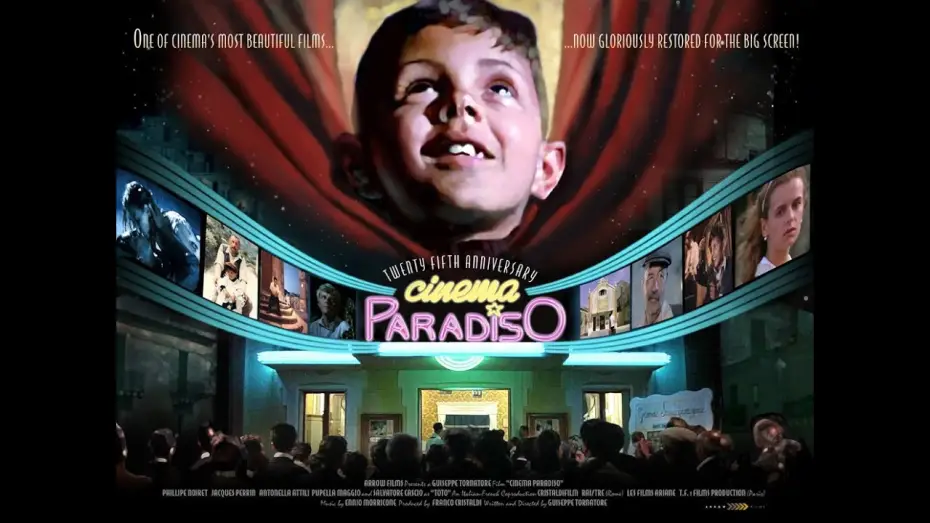
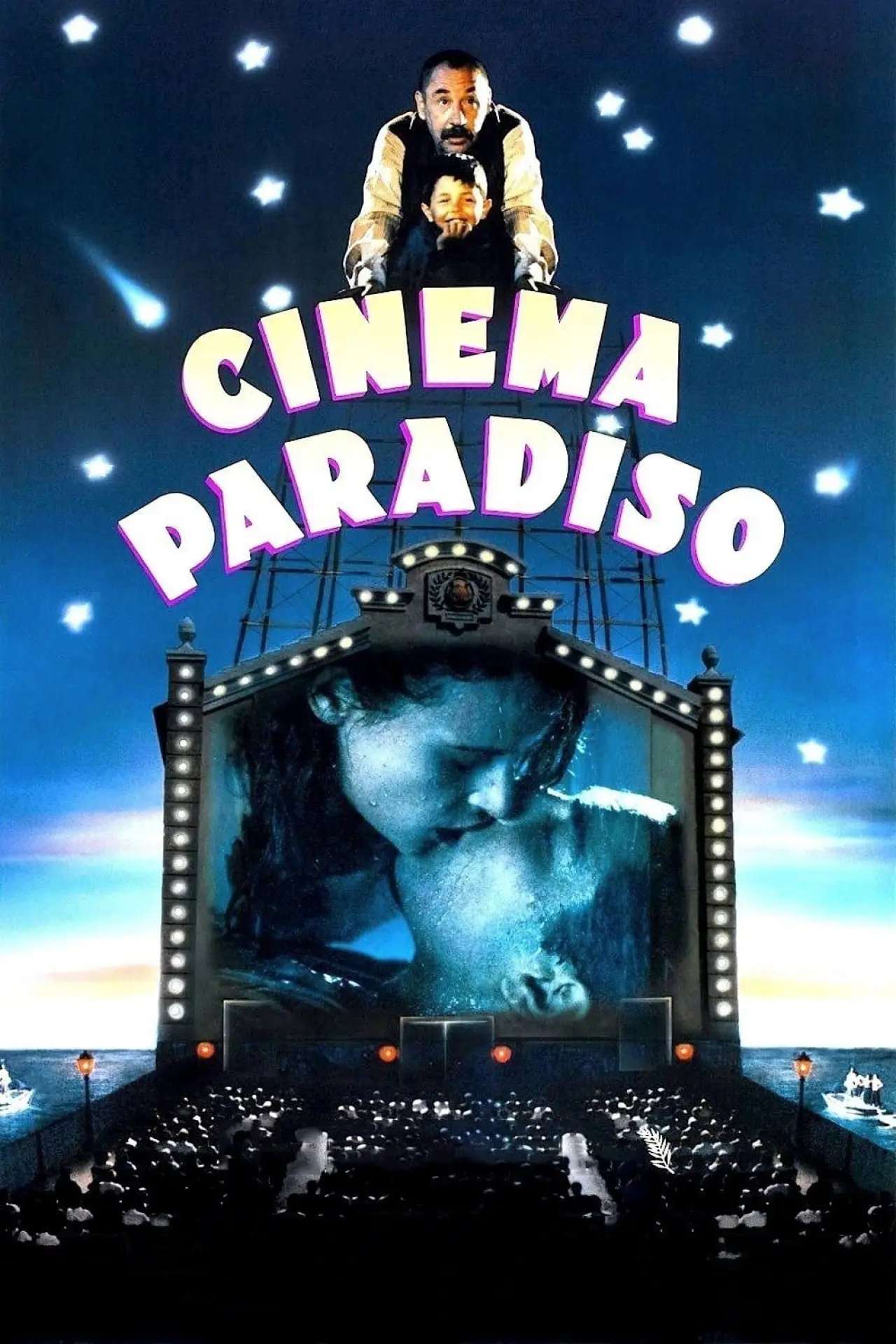
Salvatore Di Vita is a successful film director living in Rome when he learns that Alfredo, the projectionist at the cinema in his Sicilian hometown, has died. The news brings back his postwar childhood, when he was known as Totò and spent much of his time at the parish movie house, drawn to the films and to the gruff but generous man in the projection booth. Out of that unlikely friendship grew his love of cinema and his eventual career, and his return home also brings him face to face with the fate of the old theater itself.
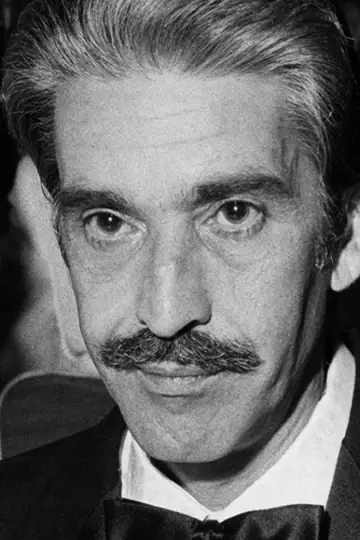
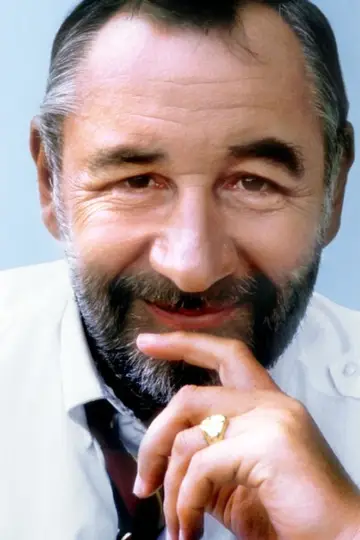
Giuseppe Tornatore directed and co-wrote the film with Vanna Paoli, following his 1986 debut The Professor. Philippe Noiret plays Alfredo, while three actors portray Totò at different ages: Salvatore Cascio as a child, Marco Leonardi as a teenager and Jacques Perrin as the adult Salvatore. Franco Cristaldi and Giovanna Romagnoli produced the Italian-French co-production, made for about 5 million dollars and earning roughly 12 million worldwide.
Audiences hold the film in high regard, with an IMDb rating of 8.5 from over 316,000 votes and a TMDB rating of 8.4 from nearly 5,000 votes. A critics' rating of 8.2 from 84 reviews places it close to those audience scores, indicating broad agreement about the film's standing.
What's left behind the scenes
- The film was shot in Bagheria, Sicily, the hometown of director and screenwriter Giuseppe Tornatore. Tornatore drew inspiration for the film from his childhood experiences there.
- The first version of the film ran for 2 hours and 35 minutes. Internationally, the film was shown for 2 hours and 3 minutes. Several years later, a version 20 minutes longer appeared, in which the main character, in love with cinema, not only becomes acquainted with the magical world of the screen through an old film projectionist from childhood, but also experiences ordinary human, fleshly love right on the floor of the 'Paradiso' cinema.
- In the film projectionist Alfredo's workspace, a poster for the film 'Casablanca' (1942) hangs on the wall.
- Giuseppe Tornatore planned to make a film that, according to him, would be a kind of obituary for traditional cinemas (like the one shown in the film) and the film industry as a whole. The film was successful, and Tornatore never made that comparison publicly again.
- By the end of 1956, there were 17,000 cinemas in Italy – more than in any other European country.
- Before casting Salvatore Cascio, Giuseppe Tornatore photographed over 300 Sicilian boys.
Similar movies



 Auditions in India
 Casting calls in USA
 Castingi w Polsce
 Кастинги в Україні
