Oklahoma! - crew, film crew

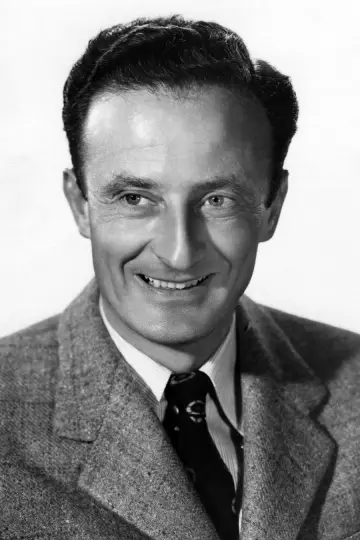
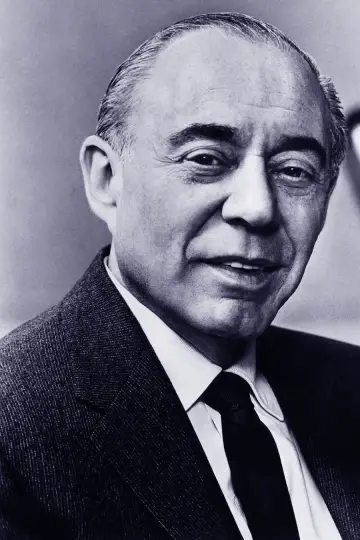
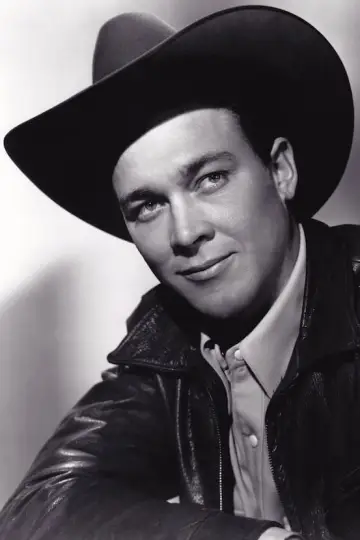
The entire team, the film crew of the film "Oklahoma!"
Oklahoma! (1955)
Timing: 2:28 (148 min)
Oklahoma! - TMDB rating
6.619/10
181
Oklahoma! - Kinopoisk rating
5.99/10
513
Oklahoma! - IMDB rating
7/10
16000

Film crew

Director

Producer

Arthur Hornblow Jr.
Producer

Editor

George Boemler
Editor

Art Direction

Joseph C. Wright
Art Direction

Costume Design
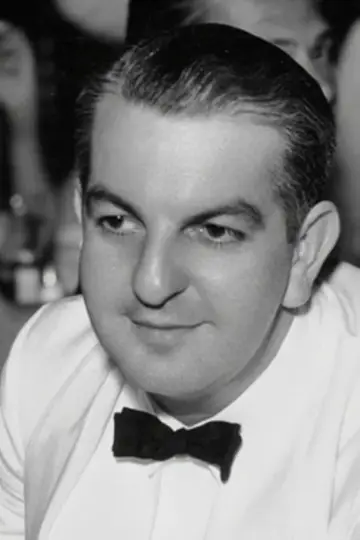
Photo Orry-Kelly #73441

Orry-Kelly

Orry-Kelly
Costume Design

Production Design

Oliver Smith
Production Design

Set Decoration

F. Keogh Gleason
Set Decoration

Makeup Artist

Ben Lane
Makeup Artist
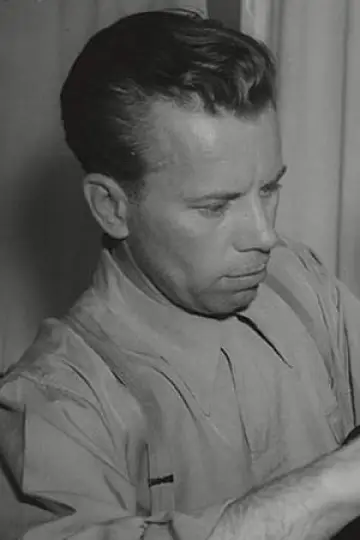
Director of Photography

Robert Surtees

Robert Surtees
Director of Photography

Hairstylist

Annabell Levy
Hairstylist

Screenplay

Book

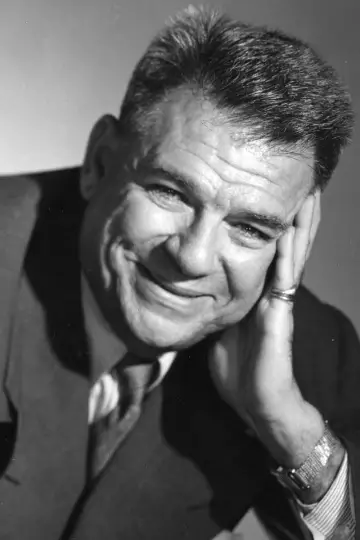
Photo Oscar Hammerstein II #75019
Oscar Hammerstein II
Book

Music Supervisor

Jay Blackton
Music Supervisor

Songs

Assistant Director

Arthur S. Black Jr.
Assistant Director
Edward F. Mull
Assistant Director

Music

Other

Alvord Eiseman
Other

Conductor

Photo Adolph Deutsch #77634
Adolph Deutsch
Conductor
Jay Blackton
Conductor

Music Coordinator

Robert Helfer
Music Coordinator

Digital Intermediate Colorist

Mark Griffith

Mark Griffith
Digital Intermediate Colorist

Production Assistant

John Fearnley
Production Assistant

Choreographer

Sound Supervisor

Fred Hynes
Sound Supervisor

Sound Editor

Kendrick Kinney
Sound Editor
John Lipow
Sound Editor

Wardrobe Master

Frank Beetson Jr.
Wardrobe Master
Ann Peck
Wardrobe Master

Theatre Play

Lynn Riggs
Theatre Play

Music Arranger

Photo Adolph Deutsch #77634
Adolph Deutsch
Music Arranger
Robert Russell Bennett
Music Arranger

Musical

Photo Oscar Hammerstein II #75019
Oscar Hammerstein II
Musical

Lyricist

Photo Oscar Hammerstein II #75019
Oscar Hammerstein II
Lyricist

What's left behind the scenes

  • 'Oklahoma!' was the first widescreen film in history shot using the Todd-AO system. Simultaneously with the 70mm widescreen version, the film was shot in the more common widescreen 'Cinemascope' system on standard 35mm film. This was done to allow cinemas without 70mm equipment to show the film. As a result, the two versions of the film differ significantly, as each uses different camera positions and editing plans.
  • Finding 'corn as high as an elephant' proved difficult – it simply wasn't the season. Help had to be sought from the agricultural department of the Amazon University. They managed to grow corn over seven meters high, so producer Oscar Hammerstein II (1895-1960) even joked that 'the corn is now as high as an elephant standing on the back of another elephant'.
  • When, in one scene, the heroines Lisann Trues (1931-2013) and Jane Fisher (1930-2018) jump from a moving train straight into the arms of cowboys, everything had to be calculated very precisely. Just before the first take, a representative of the Screen Actors Guild suggested 'changing something', and it turned out that due to the danger of this action (jumping from the train), the actresses were entitled to additional payments of $250. The scene was shot in seven takes. Trues was delighted because she had recently purchased a 1951 Ford and was just making payments on it at the time.
  • The film was shot in Arizona because Oklahoma was already so developed and densely built up by 1955 that it would have been difficult to find sparsely populated and underdeveloped areas from the beginning of the century, where the musical's plot unfolds.
  • Preparation for filming began a year before the actual shooting commenced. During preparation, the film's art director, Joseph S. Wright (1892-1985), learned that spring floods occurred in the areas where filming was planned. The budget-conscious producers objected, but he insisted on building a dam for $15,000 anyway. When the spring waters came as he had warned, the dam saved the sets worth over $250,000 from destruction.
  • “Oklahoma!” was the first widescreen film in history shot using the Todd-AO system. Simultaneously with the 70mm widescreen version, the film was shot in the more common widescreen system “CinemaScope” on standard 35mm film. This was done to allow cinemas without 70mm equipment to show the film. As a result, the two versions of the film differ significantly, as each uses different camera positions and editing plans.
Did you like the film?

© ACMODASI, 2010-2026

All rights reserved.
The materials (trademarks, videos, images and text) contained on this site are the property of their respective owners. It is forbidden to use any materials from this site without prior agreement with their owner.
When copying text and graphic materials (videos, images, text, screenshots of pages) from this site, an active link to the site www.acmodasi.in must necessarily accompany such material.
We are not responsible for any information posted on this site by third parties.