The Fifth Estate - crew, film crew

The entire team, the film crew of the film "The Fifth Estate"
The Fifth Estate (2013)
Timing: 2:8 (128 min)
The Fifth Estate - TMDB rating
6.028/10
975
The Fifth Estate - Kinopoisk rating
6.573/10
35481
The Fifth Estate - IMDB rating
6.2/10
44000

Film crew

Director

Producer

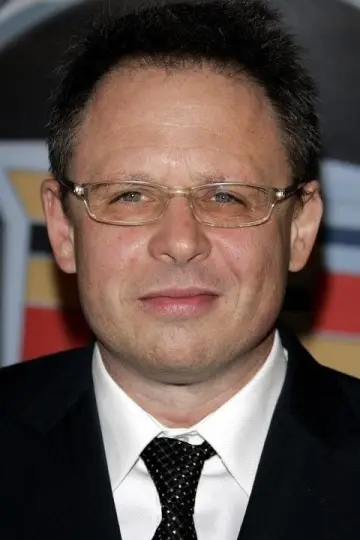
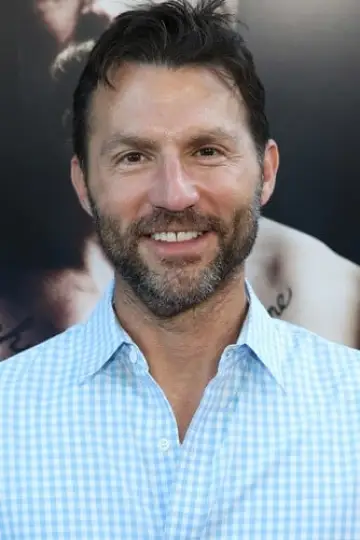
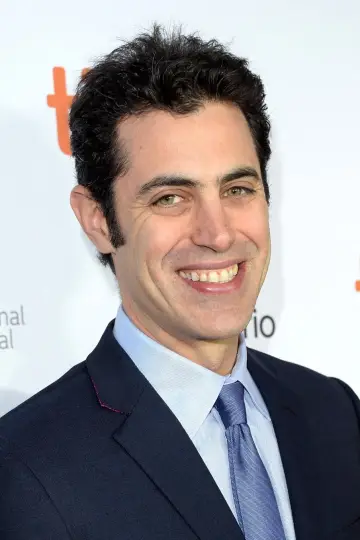
Photo Michael Sugar #107755
Michael Sugar
Producer

Executive Producer

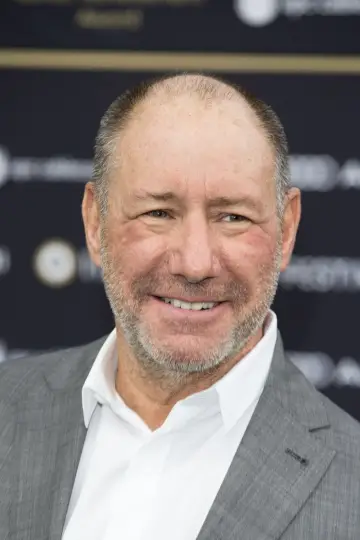
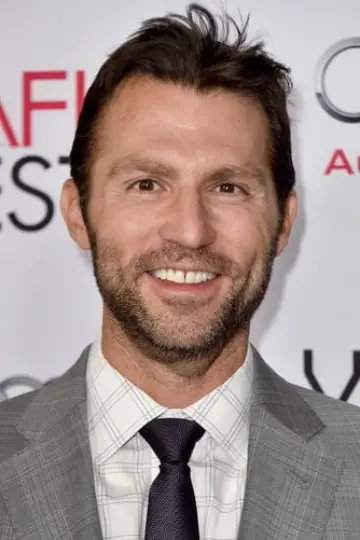
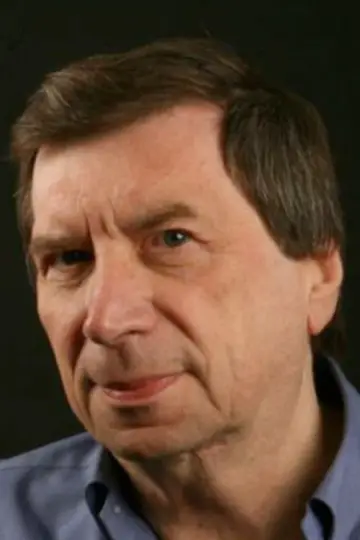
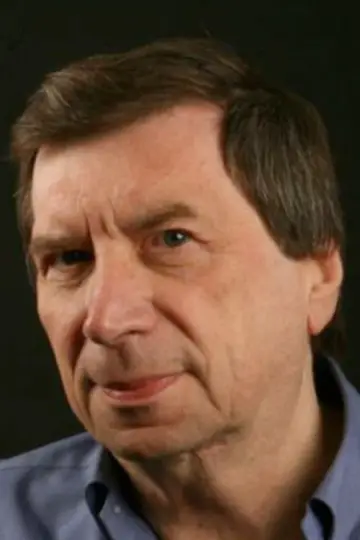
Photo Jonathan King #24121Photo Jonathan King #24122Photo Jonathan King #24123
Jonathan King
Executive Producer
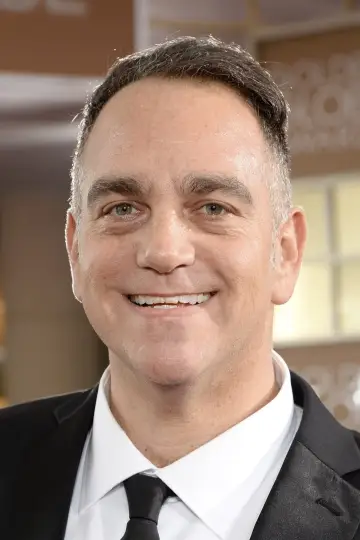
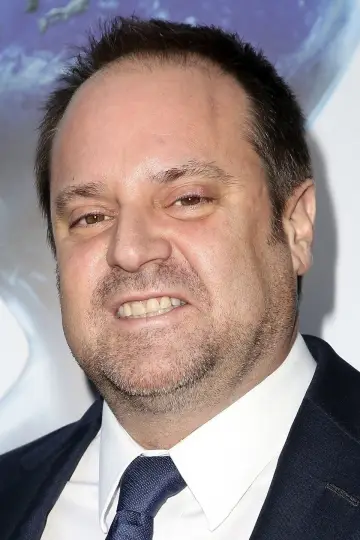
Photo Jeff Skoll #71423

Jeff Skoll

Jeff Skoll
Executive Producer
Paul Green
Executive Producer
Richard Sharkey
Executive Producer

Editor

Virginia Katz
Editor

Art Direction

Katrina Mackay
Art Direction
Toon Marien
Art Direction
Emmanuelle Lelong
Art Direction

Supervising Art Director

Denis Schnegg
Supervising Art Director

Costume Design

Shay Cunliffe
Costume Design

Production Design

Mark Tildesley
Production Design

Set Decoration

Véronique Melery
Set Decoration

Original Music Composer

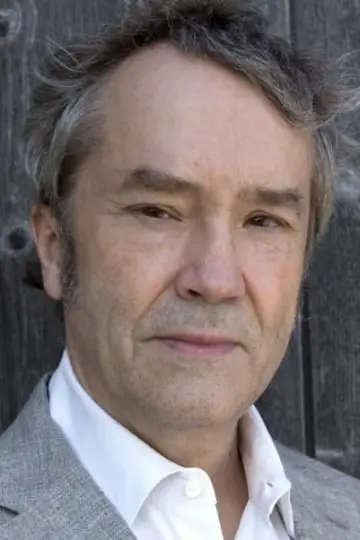
Photo Carter Burwell #16851

Carter Burwell

Carter Burwell
Original Music Composer

Director of Photography
Screenplay

Book

Daniel Domscheidt-Berg
Book
Luke Harding
Book
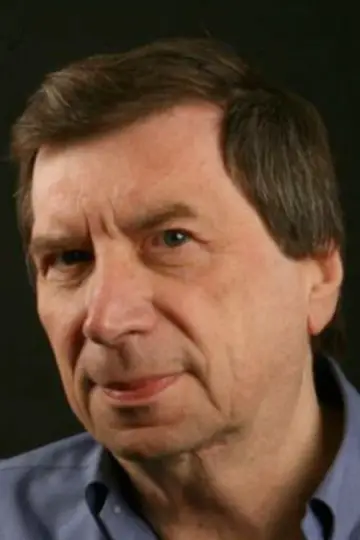
Photo David Leigh #236519Photo David Leigh #236520Photo David Leigh #236521
David Leigh
Book

Hair Designer

Christine Blundell
Hair Designer

Makeup Designer

Christine Blundell
Makeup Designer

Casting Director

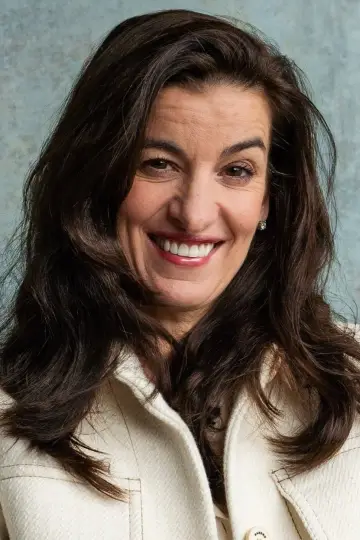
Photo Lucy Bevan #251670Photo Lucy Bevan #327101

Lucy Bevan

Lucy Bevan
Casting Director

What's left behind the scenes

  • Initially, Jeremy Renner was considered for the role of Assange, and James McAvoy for the role of Domshait-Berg.
  • The film’s original title was “The Man Who Sold the World”.
  • Julian Assange, after reading the initial script, reacted negatively to the idea of the film and called it “a complete lie” and “propaganda,” particularly due to hints at Iranian nuclear developments. Assange refused to meet with Benedict Cumberbatch, but then began corresponding with him by email, which helped Cumberbatch in his work on the role.
  • The research conducted by screenwriter Josh Singer for the film was fraught with some risk. At one point, Singer’s computer was attacked by hackers. Shortly thereafter, FBI agents came to his home and began asking various questions, justifying their visit by stating that Singer’s name appeared in an investigation of Chinese hackers.
  • Julian Assange launched the WikiLeaks project in 2006. For the first time, it became possible to tell the truth about the activities of the government and expose corporate crimes without fear of persecution and harassment by the state apparatus. Documentation appeared on the site testifying to a contract killing in Somalia; money laundering by the management of a Swiss bank; corruption in the highest echelons of power in Kenya. The operating procedures of the Guantanamo Bay high-security prison were published; evidence of a nuclear disaster in Iran; documents confirming the operation of a chemical waste dump on the Ivory Coast; evidence of violations of banking regulations in Iceland, and much more. The Guardian described WikiLeaks as “an elusive and uncriticizable leak machine.” However, in 2010, WikiLeaks exceeded all permissible risk limits by publishing the so-called “mega-leak” – a massive amount of top-secret information jealously guarded by American diplomats and military personnel. This included 91,000 documents on the war in Afghanistan, 400,000 documents on the war in Iraq, and 251,287 documents related to diplomatic missions around the world. All of this became public knowledge. WikiLeaks was about to feel the full power of the US government. Military technical specialist Bradley Manning, who provided documentation on the war in Iraq, was arrested almost immediately. Since the publication on the WikiLeaks portal was protected by an ingenious encryption system, Manning confessed to a familiar hacker, Adrian Lamo, that he was the one who leaked the information about Iraq. It was at Lamo’s instigation that Manning was subsequently arrested. The WikiLeaks website caused an incident for which a response was created. As the leak continued, the US government began to say that WikiLeaks posed a serious threat to national security, even though at that time the question of whether WikiLeaks had violated any law of the United States of America had not even been raised.
  • Filming began in Iceland, on a small island of volcanic origin, on the very edge of the Arctic. This location was impossible to recreate anywhere else. Against the backdrop of the so-called Blue Lagoon (a picturesque landscape with a solidified river of cooled lava and active geysers), one of the scenes of a quarrel between Cumberbatch and Brühl's characters was filmed, despite the deafening howling wind and almost horizontal rain.
  • In Berlin, filming took place at several memorable locations, including the Berlin Cathedral.
  • An interesting and simultaneously challenging task for artist Mark Tildesley was recreating the famous Tachles Art House in Berlin, where Daniel Domshait-Berg spent some time. The building was constructed in 1909 in the Jewish quarter of East Berlin. Initially, it housed a department store, and during the war – an SS headquarters. In 1943, it held French prisoners of war. Notably, the store and prison transformed into a headquarters for artists, anarchists, and freethinkers from all over the world. The building was turned into a gallery, teeming with various forms of artistic expression both outside and inside. For a long time, the building served as a kind of symbol of freedom for Berlin’s creative community. For several years, the city authorities unsuccessfully tried to close Tachles. Unfortunately, in 2012, the attempts were successful. The building closed and soon turned into an ordinary residential building. After receiving official permission to film, Tildesley and his team began painstakingly recreating the building’s former grandeur from the inside. They even restored a nightclub that once functioned in Berlin. Specifically for this purpose, they found the former owners of the club and agreed with them, renting the original furniture and paintings that were hung on the walls, even returning the fire-breathing dragon above the bar.
  • In July 2012, it was reported that Jeremy Renner showed great interest in the role of Julian Assange. However, in October of the same year, it was announced that the leading role went to Benedict Cumberbatch.
  • Joel Kinnaman auditioned for the role of Daniel Domshait-Berg.
  • At the heart of WikiLeaks lies what is known as Assange's secure posting platform, allowing anyone to upload information and documents anonymously. A special technology of deniable encryption allowed the source not to fear that their actions could be traced. The system, developed by Assange, Suelette Dreyfus, and Ralph Winman, was initially intended to be transferred to human rights activists working in countries with repressive regimes, but ultimately the system proved useful for the WikiLeaks base. Soon, the site switched to a more sophisticated encryption system developed by a programmer known as the Architect. Now, even WikiLeaks employees did not receive data on which informant leaked specific secret documentation to the portal. Even after arrest and under torture, WikiLeaks employees would not have been able to name their sources; they simply did not know them.
  • The character 'Ziggy' is based on a WikiLeaks volunteer – Sigurdur Thordarson, who turned out to be an FBI informant.
  • Julian Assange launched the WikiLeaks project in 2006. For the first time, it became possible to tell the truth about the activities of the government and expose corporate crimes without fear of persecution and harassment by the state apparatus. The website featured documentation testifying to a contract killing in Somalia; money laundering by the management of a Swiss bank; corruption in the upper echelons of power in Kenya. The operating procedures of the Guantanamo Bay high-security prison were published; evidence of a nuclear disaster in Iran; documents confirming the operation of a chemical waste dump on the Ivory Coast; evidence of violations of banking regulations in Iceland, and much more. The Guardian described WikiLeaks as "an elusive and uncriticizable leak machine." However, in 2010, WikiLeaks exceeded all permissible risk limits by publishing the so-called "mega-leak" – a massive amount of top-secret information jealously guarded by American diplomats and military personnel. This included 91,000 documents on the war in Afghanistan, 400,000 documents on the war in Iraq, and 251,287 documents related to diplomatic missions around the world. All of this became public. WikiLeaks was about to experience the full power of the US government. Military technical specialist Bradley Manning, who provided documentation on the war in Iraq, was arrested almost immediately. Since the publication on the WikiLeaks portal was protected by a sophisticated encryption system, Manning confessed to a familiar hacker, Adrian Lamo, that he was the one who leaked the information about Iraq. It was at Lamo's behest that Manning was later arrested. The WikiLeaks website caused an incident for which a response was created. As the leak continued, the US government began to say that WikiLeaks posed a serious threat to national security, even though at that time there was no question of WikiLeaks violating any law of the United States of America.
  • Julian Assange launched the WikiLeaks project in 2006. For the first time, it became possible to tell the truth about the activities of the government and expose corporate crimes without fear of persecution and harassment from the state apparatus. The website published documentation testifying to a contract killing in Somalia; money laundering by the management of a Swiss bank; corruption in the upper echelons of power in Kenya. The operating procedures of the Guantanamo Bay high-security prison were published; evidence of a nuclear disaster in Iran; documents confirming the operation of a chemical waste dump on the Ivory Coast; evidence of violations of banking regulations in Iceland, and much more. The Guardian described WikiLeaks as an “elusive and uncriticizable leak machine.” However, in 2010, WikiLeaks exceeded all acceptable risk limits by publishing the so-called “mega-leak” – a massive volume of top-secret information jealously guarded by American diplomats and military personnel. This included 91,000 documents on the war in Afghanistan, 400,000 documents on the war in Iraq, and 251,287 documents related to diplomatic missions around the world. All of this became public knowledge. WikiLeaks was about to feel the full power of the US government. Almost immediately, Bradley Manning, a military technical specialist who provided documentation on the war in Iraq, was arrested. Since the publication on the WikiLeaks portal was protected by a sophisticated encryption system, Manning confessed to a familiar hacker, Adrian Lamo, that he was the one who leaked the information on Iraq. It was at Lamo’s behest that Manning was subsequently arrested. The WikiLeaks website became the cause of an incident, to combat which it was created. As the leak continued, the US government began to say that WikiLeaks posed a serious threat to national security, although at that time there was not even a question of whether WikiLeaks had violated any law of the United States of America.
  • The character 'Ziggy' is based on a WikiLeaks volunteer – Sigurdur Thordarson, who turned out to be an FBI informant.
Did you like the film?

© ACMODASI, 2010-2026

All rights reserved.
The materials (trademarks, videos, images and text) contained on this site are the property of their respective owners. It is forbidden to use any materials from this site without prior agreement with their owner.
When copying text and graphic materials (videos, images, text, screenshots of pages) from this site, an active link to the site www.acmodasi.in must necessarily accompany such material.
We are not responsible for any information posted on this site by third parties.