Conquest of the Planet of the Apes











Short description
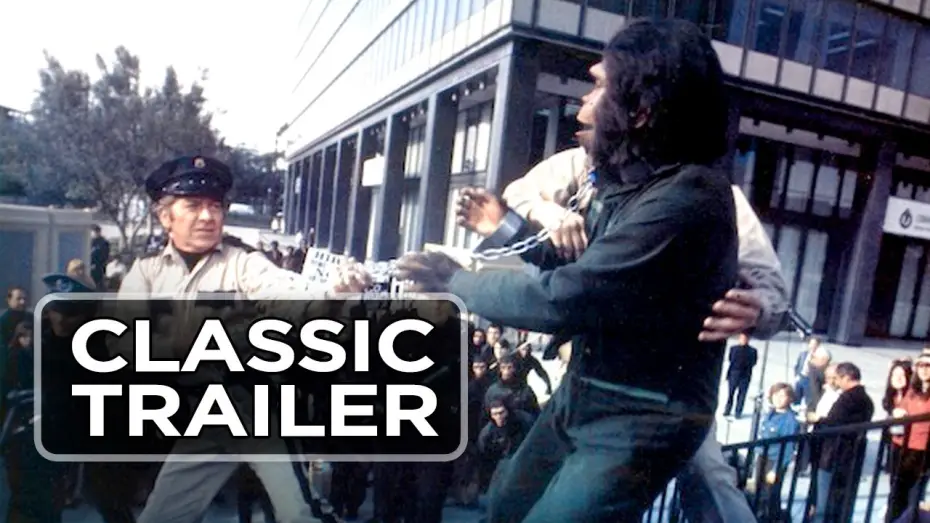
Conquest of the Planet of the Apes takes place years after the first two talking apes, Zira and Cornelius, fled their world. A disease has wiped out the cats and dogs people once kept as pets, and apes have been brought in to fill that role. As their ability to learn becomes clear, they are trained for household tasks and other labor, and ape slavery spreads across the United States. Caesar, the son of Zira and Cornelius, has been raised in secret by Armando, the circus owner. When Caesar sees how brutally his kind are treated, he speaks out publicly and is forced into hiding. He then begins organizing a revolt that will change the balance between apes and humans.
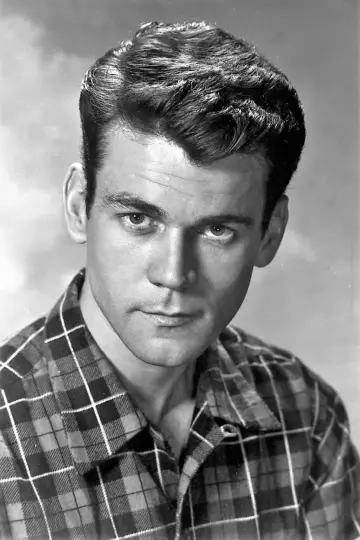
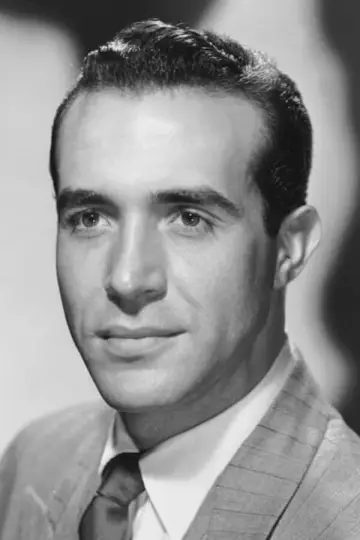
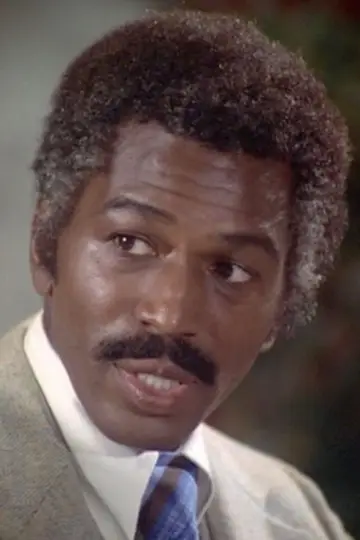
J. Lee Thompson directed the film in the tenth position of the twenty-one features in his filmography, following The Chairman and preceding Battle for the Planet of the Apes. Paul Dehn wrote the screenplay, and Arthur P. Jacobs produced for 20th Century Fox and APJAC Productions. Roddy McDowall, who had played Cornelius earlier in the series, returns as Caesar, with Don Murray, Ricardo Montalban, Hari Rhodes, Severn Darden and Lou Wagner in supporting roles. The production cost about two million dollars and returned roughly nine million worldwide.
On IMDb, the film holds 6.1 out of 10 from around 40,000 votes, while on TMDB it stands at 6.2 from over a thousand. A critics' rating of 5.8 from twenty-three reviews puts it slightly below the audience scores.
What's left behind the scenes
- The film's plot began with a scene of police killing an escaped ape. The police approached the body and saw open wounds and scars covering the corpse, which would have shown the nightmarish conditions of the apes reduced to the status of slaves. This scene was considered too repulsive and was not included in the film.
- Screenwriter Paul Dehn viewed the film as an attempt to look at the American civil rights movement of the late 1960s and early 1970s from an ape's perspective.
- Director J. Lee Thompson tried to film as many long shots as possible, and used black and red colors in the rebellion scene. All of this was necessary to hide the flaws in the actors' ape makeup, as well as to create the impression that battles were taking place between hundreds of extras throughout the city, when in reality it was only a few dozen people in a couple of blocks.
Similar movies






 Auditions in India
 Casting calls in USA
 Castingi w Polsce
 Кастинги в Україні
