All That Money Can Buy




Short description
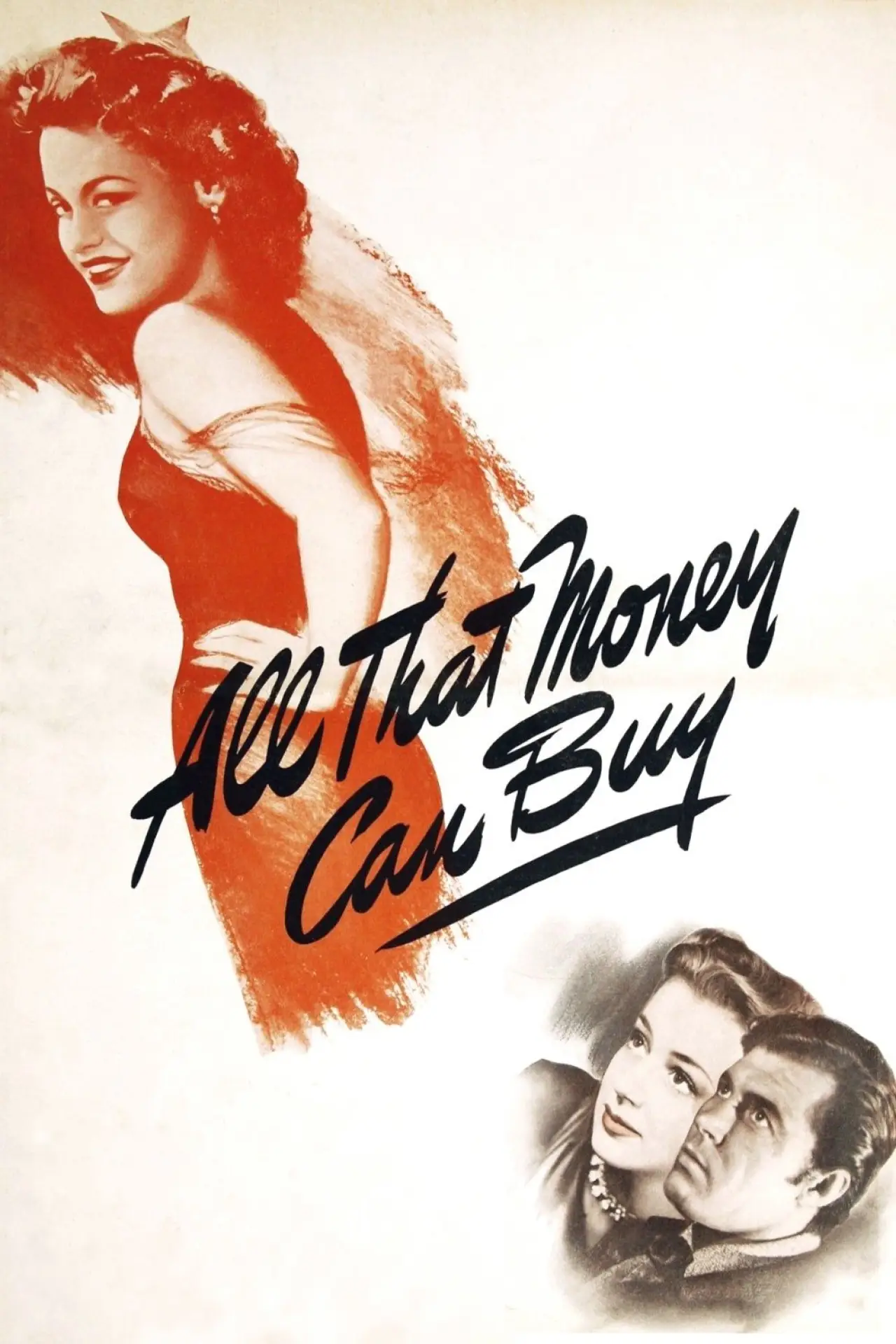
In 1840s New England, Jabez Stone is a hardworking farmer whose bad luck and mounting debts leave him close to losing his land. When a stranger named Mr. Scratch arrives with an offer of money and prosperity, Jabez agrees to trade his soul for seven years of good fortune. The bargain brings him wealth, but it also changes him and strains his ties to his family and neighbors. When the term ends, Jabez turns to the renowned orator and senator Daniel Webster to argue for his soul in a trial against the devil.
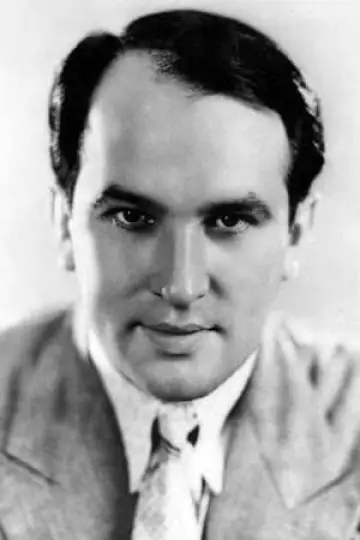
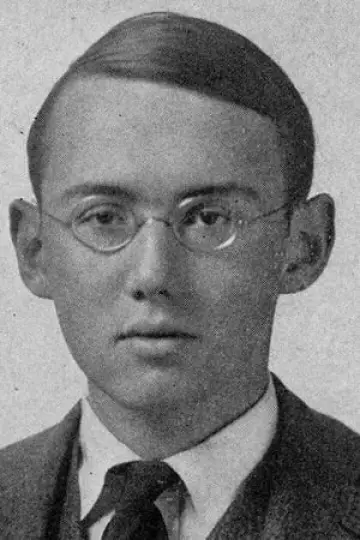
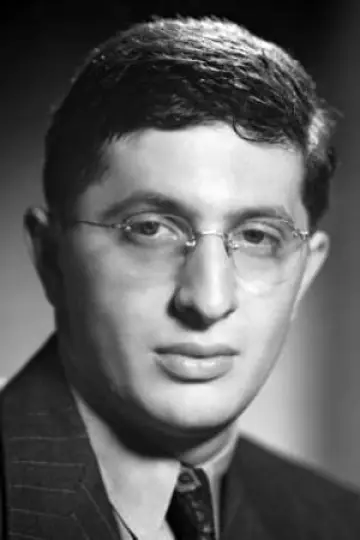
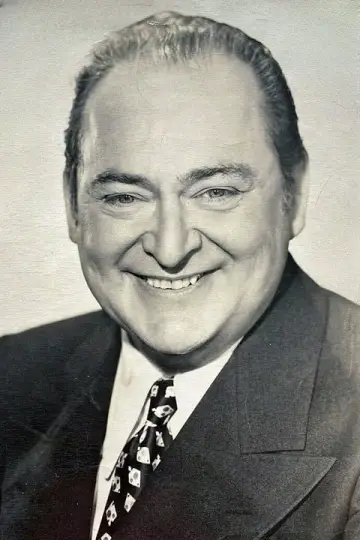
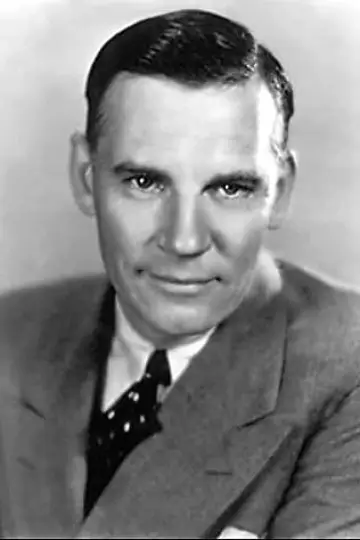
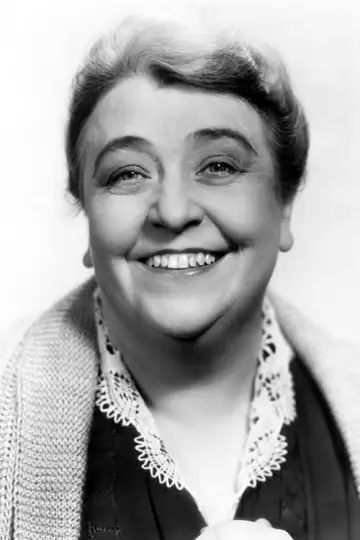
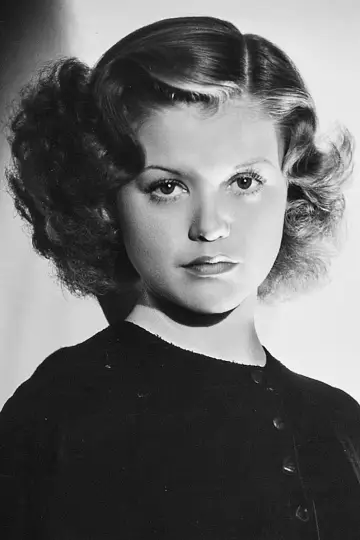
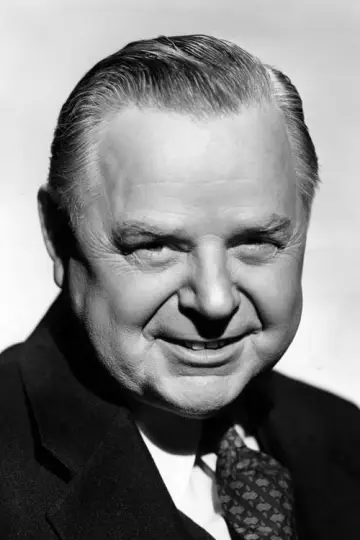
William Dieterle directed and produced the film, working from a screenplay by Stephen Vincent Benet and Dan Totheroh. It sits between Juarez, released two years earlier, and Love Letters, which followed in 1945, among the films he directed. Edward Arnold plays Daniel Webster, Walter Huston appears as Mr. Scratch, and Jane Darwell, Simone Simon, Gene Lockhart and John Qualen are among the 41 credited cast members. RKO Radio Pictures produced the drama, which runs 107 minutes.
On IMDb the film holds a 7.5 rating from roughly 6,500 votes, while on TMDB it stands at 7 from about 100 votes. A critics' rating of 8 out of 10, drawn from 23 reviews, places it somewhat above the audience scores, though the two are not far apart.
What's left behind the scenes
- Director William Dieterle (1893-1972) had a habit of performing his directorial duties while wearing white gloves. According to his colleague Robert Wise (1914-2005), everyone believed this was due to some kind of phobia – for example, a fear of germs or dirt. During the filming of one scene, Dieterle noticed that there wasn't enough dirt on the wheel of the carriage. He took off his gloves, scooped up some dirt from the ground, smeared it on the wheel, wiped his hand on his trousers, put his gloves back on, and continued filming.
- Reverend John Hawthorne was one of the judges in the Salem witch trials in 1692. He was also the only one who refused to apologize to the families of the victims. His descendant, Nathaniel, changed the spelling of the family name to distance himself from such an ancestor.
- Thomas Mitchell (1892-1962) was initially cast in the role of Daniel Webster. During the filming of a carriage ride with the young Lindi Wade, the horses bolted, and Mitchell fell out of the carriage. He suffered a skull fracture and spent 17 weeks in the hospital, but made a full recovery. Director William Dieterle cast Edward Arnold (1890-1956) in the role, informing him of what lay ahead just one day prior. All the scenes already filmed with Mitchell had to be reshot with the new actor.
- William Dieterle was known for his eccentricity. For example, he believed in astrology and started filming several days before the scheduled start date simply because he had read about the necessity of doing so in a horoscope.
- The blizzard was depicted using 1,200 pounds, or 544 kilograms, of ground white onions, 2,500 pounds, or 1,133 kilograms, of mothballs, and a large quantity of raw tapioca fruit.
- Thomas Mitchell was initially cast in the role of Daniel Webster. During the filming of a carriage ride scene with Lindy Wade, the horses bolted, and Mitchell fell out of the carriage. He suffered a skull fracture, spent 17 weeks in the hospital, and eventually recovered.
- The blizzard was depicted using 544 kg of ground white onion, 1,133 kg of mothballs, and a large quantity of raw tapioca fruit.
- Director William Dieterle had a habit of working in white gloves. According to his colleague Robert Wise, everyone believed this was due to some kind of phobia (such as a fear of germs or dirt). During the filming of one scene, Dieterle noticed that there was not enough dirt on the wheel of the carriage. He took off his gloves, scooped up some dirt, smeared it on the wheel, wiped his hand on his trousers, put his gloves back on, and continued filming.
Similar movies


 Auditions in India
 Casting calls in USA
 Castingi w Polsce
 Кастинги в Україні
