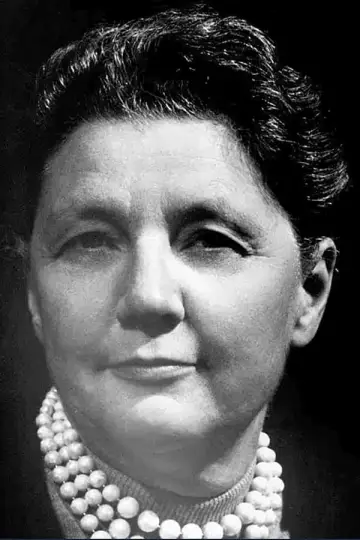
Rio Bravo - crew, film crew

The entire team, the film crew of the film "Rio Bravo"
Rio Bravo (1959)
Timing: 2:21 (141 min)
Rio Bravo - TMDB rating
7.809/10
1247
Rio Bravo - Kinopoisk rating
7.497/10
5223
Rio Bravo - IMDB rating
7.9/10
73000

Film crew

Director

Producer

Editor

Folmar Blangsted
Editor

Art Direction

Leo K. Kuter
Art Direction

Costume Design

Stunts
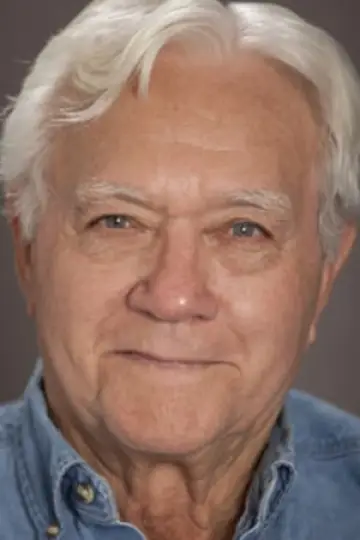
Photo Dean Smith #37326
Dean Smith
Stunts
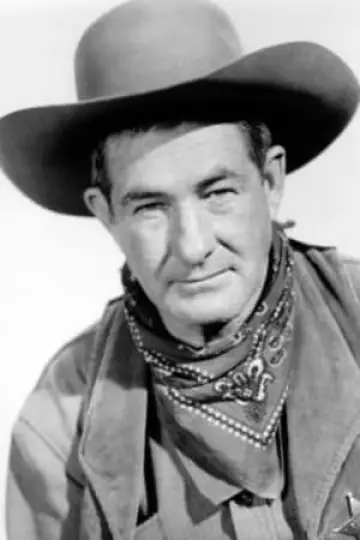
Photo John Hudkins #61853
John Hudkins
Stunts
Jack Williams
Stunts
Jack N. Young
Stunts
Bob Terhune
Stunts
Bill Babcock
Stunts
Albert Cavens
Stunts
Philip Crawford
Stunts
Danny Sands
Stunts
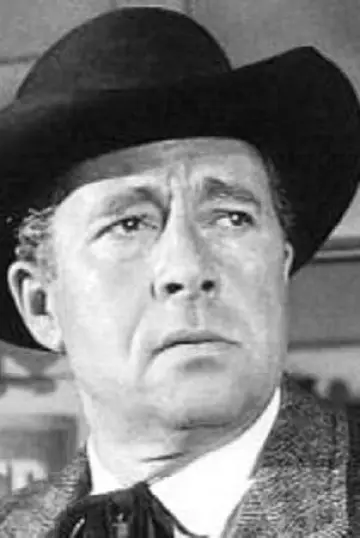
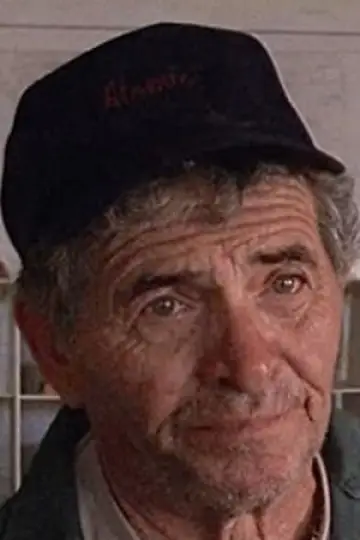
Photo Sailor Vincent #52053
Sailor Vincent
Stunts

Stunt Coordinator
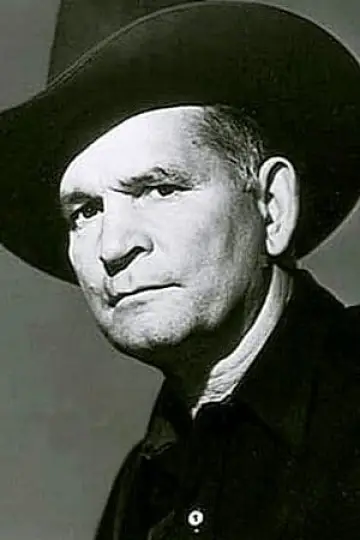
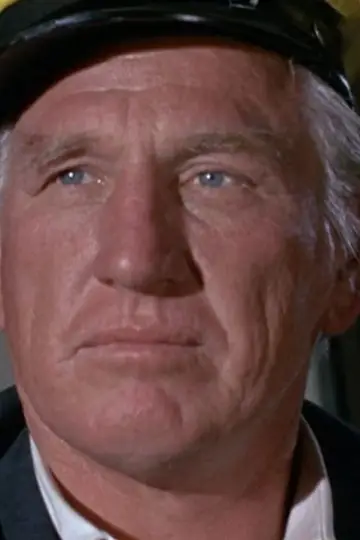
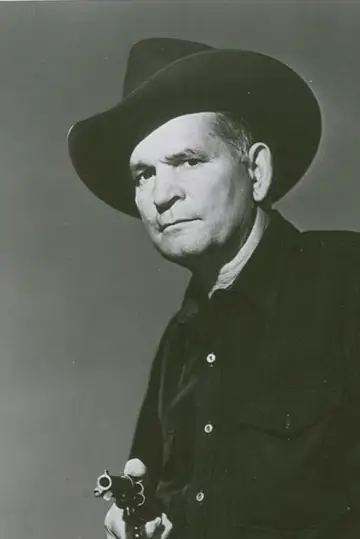
Photo Yakima Canutt #52621Photo Yakima Canutt #52622

Yakima Canutt

Yakima Canutt
Stunt Coordinator

Set Decoration

Ralph S. Hurst
Set Decoration

Original Music Composer
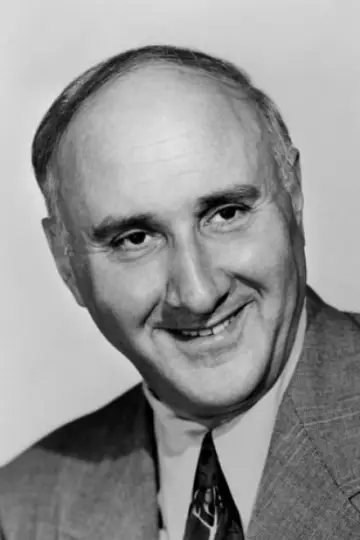
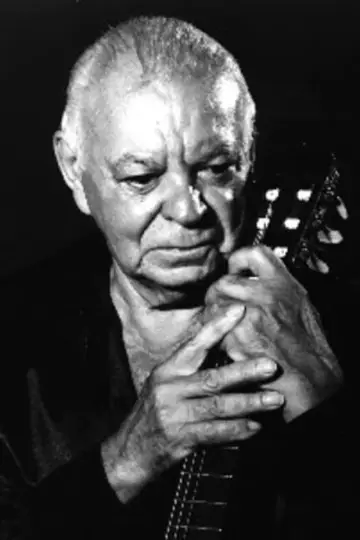
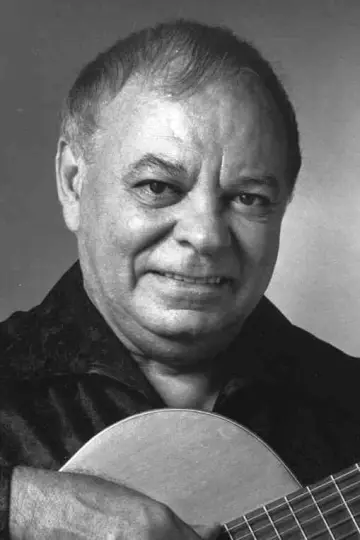
Photo Dimitri Tiomkin #72837

Dimitri Tiomkin

Dimitri Tiomkin
Original Music Composer

Orchestrator

George Parrish
Orchestrator
Maurice De Packh
Orchestrator
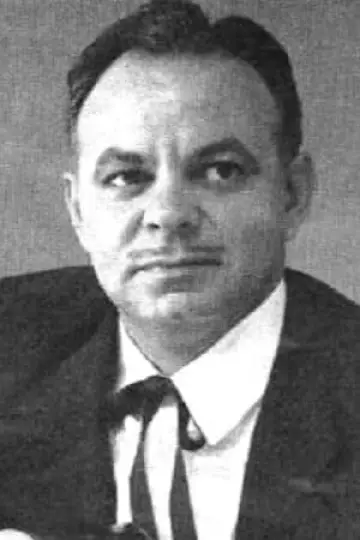
Photo Sidney Cutner #84020
Sidney Cutner
Orchestrator
Manuel Emanuel
Orchestrator
Michael Heindorf
Orchestrator
Gus Levene
Orchestrator
Leonid Raab
Orchestrator
Herbert Taylor
Orchestrator

Stunt Double

Joe Byrne
Stunt Double

Director of Photography
Photo Russell Harlan #91924

Russell Harlan

Russell Harlan
Director of Photography

Musician

Nestor Amaral
Musician
Robert Bain
Musician
John T. Boudreau
Musician
Leo Diamond
Musician
Bob DiVall
Musician
Max Gralnick
Musician
Earl Hatch
Musician
Norman Herzburg
Musician
William Hinshaw
Musician
Manny Klein
Musician
Raphael Kramer
Musician
Peter Mercurio
Musician
Tommy Morgan
Musician
Eleanor Slatkin
Musician
Harry Sukman
Musician
Raymond Turner
Musician
Lloyd Ulyate
Musician

Camera Operator

Jack Whitman
Camera Operator

Screenplay
Art Department Coordinator

Tyrus Wong
Art Department Coordinator

Makeup Supervisor

Gordon Bau

Gordon Bau
Makeup Supervisor

Songs

Assistant Director

Paul Helmick
Assistant Director

First Assistant Camera

Terry K. Meade
First Assistant Camera

Conductor

Sound

Robert B. Lee
Sound

Assistant Camera

Richard Doran
Assistant Camera

Lyricist

Paul Francis Webster
Lyricist

Short Story

B.H. McCampbell
Short Story

What's left behind the scenes

  • The film is based on the short story "Rio Bravo" by B.H. McCampbell.
  • Despite being listed in the opening credits, Harry Carey Jr. did not appear in the film. This was because during filming, Harry had serious problems with alcohol, and on one of the first shooting days, he constantly addressed Howard Hawks as "Howard" instead of "Mr. Hawks," which infuriated the director. Eventually, Carey’s name remained in the opening credits and he received his fee, but his role was cut from the film.
  • The song My Rifle, My Pony and Me was also used in the film "Red River" (1948), starring John Wayne.
  • For the first four minutes of the film (including the opening credits), none of the characters utter a single word.
  • "Rio Bravo" was the last film to feature John Wayne and Ward Bond together. They had a total of 22 collaborations.
  • The film had a rather unusual promotional video: Ricky Nelson finishes playing the guitar, turns to the camera and talks about the plot of the film. This is followed by a montage of scenes from the film, then we see Nelson again, listing the names of the actors who starred in the film. When he doesn't mention his own name, we hear the voice of Dean Martin off-screen: "What about Rick Nelson?"
  • The film features only one close-up: Dude's hands trying to roll a cigarette.
  • In December 2014, the film was added to the U.S. National Film Registry, possessing cultural, historical, or aesthetic significance.
  • The song "My Rifle, My Pony and Me" was also used in the film "Red River" (1947), starring John Wayne.
  • Director Howard Hawks did not want to film Ricky Nelson, considering him too young, and specifically gave him the minimum possible number of lines for one of the main characters (Nelson's name was third in the list of actors in the film). Later, however, he admitted that Nelson's name on the posters increased the film's box office receipts by approximately $2 million.
  • The sets at the "Old Tucson" studio were built to a scale of 7/8, to make the actors appear larger than life.
  • This was Howard Hawks' first film in four years, the longest break in his directing career. He had lived in Europe all those years, and it was there that he noticed the growing popularity of Westerns, as well as the fact that audiences were more interested in characters than plot twists. Thus, the script for the project began to take shape – not focused around a single premise, but broken down into several simultaneously unfolding storylines. Studio management categorically refused to support such experiments, but changed their mind as soon as Hawks said he planned to invite John Wayne for the main role.
  • Dean Martin's agent approached Howard Hawks with a request to give Martin a role in the film. Hawks agreed to meet the actor at half-past nine the next day for an audition. When Hawks learned that Martin had performed on stage in Las Vegas until midnight, and then chartered a plane to make the meeting, it impressed him so much that he simply gave Martin the role of deputy sheriff without any audition.
  • Outdoor shooting was hampered by the terrible heat (almost 50 degrees Celsius) and an invasion of locusts, which landed on the spotlights and instantly burned, so the entire set was literally littered with their corpses.
  • Howard Hawks always wanted someone who would appeal to a teenage audience to play the role of Colorado (played by Ricky Nelson). He even considered inviting Elvis Presley for the role, but Presley's manager, known as Colonel Tom Parker, demanded an astronomical fee and top billing on the posters, which neither Hawks nor John Wayne could agree to.
  • The explosion of the criminals' lair at the end of the film was only captured on the second take because before the first take, the room was filled with colored paper, and everything that followed resembled 'blowing up a Chinese firecracker'.
  • Ward Bond's character's death scene was filmed from a distance because a stunt double was used. The actor himself had already left to film the series 'Wagon Train' (1957-1965).
  • Despite being listed in the opening credits, Harry Carey Jr. did not appear in the film. This was because during filming, Harry had severe problems with alcohol, and on one of the first shooting days, he repeatedly addressed Howard Hawks as "Howard" instead of "Mr. Hawks," which infuriated the director. Ultimately, Carey's name was still included in the opening credits, and he received his due payment, but his role was cut from the film.
  • The song "My Rifle, My Pony and Me" was also used in the film "Red River" (1947), starring John Wayne.
  • "Rio Bravo" was the last film to feature John Wayne and Ward Bond together. They had a total of 22 collaborations.
  • This was Howard Hawks' first film in four years, marking the longest break in his directing career. He had spent those years living in Europe, where he noticed the growing popularity of Westerns and that audiences were more interested in characters than plot twists. This led to the development of a screenplay – not focused around a single premise, but broken down into several simultaneously unfolding storylines. Studio executives vehemently refused to support such experiments, but changed their minds as soon as Hawks mentioned he planned to cast John Wayne in the lead role.
Did you like the film?

© ACMODASI, 2010-2026

All rights reserved.
The materials (trademarks, videos, images and text) contained on this site are the property of their respective owners. It is forbidden to use any materials from this site without prior agreement with their owner.
When copying text and graphic materials (videos, images, text, screenshots of pages) from this site, an active link to the site www.acmodasi.in must necessarily accompany such material.
We are not responsible for any information posted on this site by third parties.