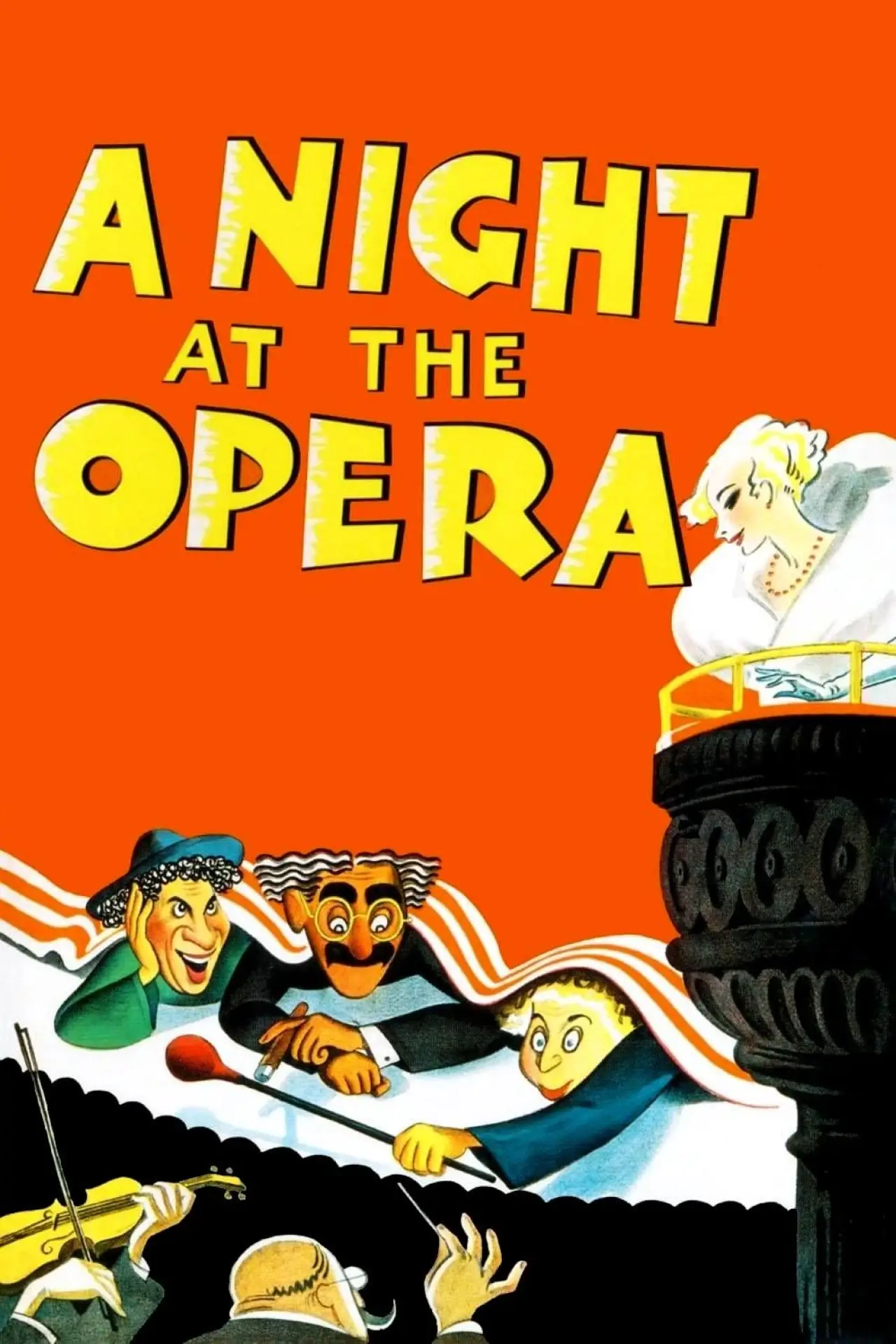
A Night at the Opera






Short description
A struggling young singer and the woman he loves are kept apart when a celebrated tenor refuses to accept him as a rival. Their fortunes change through Otis B. Driftwood, a scheming business manager who talks a wealthy widow into putting her money into the New York opera, only to hire a hungry unknown instead of the famous star he was paid to engage. With help from two unruly companions, the young couple gets a chance to prove themselves while the pompous and snobbish are exposed and humiliated.
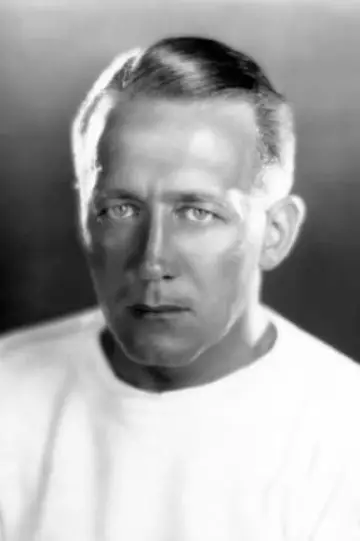
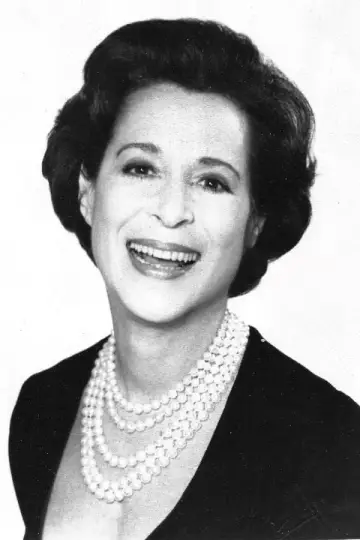
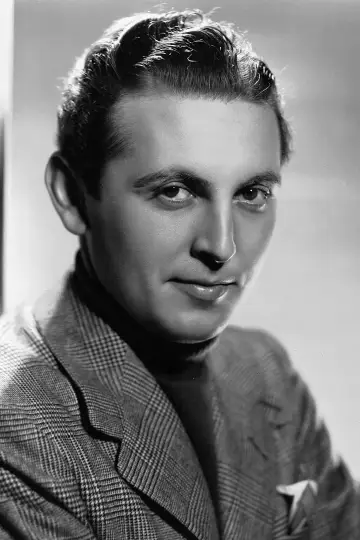
Released in 1935, the film is a comedy built around the Marx Brothers, with Groucho Marx as Driftwood, Chico Marx as Fiorello and Harpo Marx as Tomasso. Kitty Carlisle plays Rosa, Allan Jones plays Ricardo Barroni and Sig Ruman appears as Gottlieb. It was written by Morrie Ryskind and George S. Kaufman, and directed by Edmund Goulding and Sam Wood. For Goulding, it followed Grand Hotel and Riptide; for Wood, it came after Paid and before A Day at the Races, Goodbye, Mr. Chips and Gone with the Wind.
The film runs 91 minutes and was produced by Metro-Goldwyn-Mayer. Audiences rate it highly, with 7.8/10 on IMDb from around 36,000 votes and 7.4/10 on TMDB from a much smaller number of votes. Critics' reviews, 71 in total, give it 8.8/10, a stronger assessment than either audience score.
What's left behind the scenes
- In 1993, the Library of Congress recognized 'A Night at the Opera' as being culturally significant, and the film was added to the National Film Registry.
- After Groucho Marx (1890-1977) repeatedly failed to perform a scene to the satisfaction of director Sam Wood (1883-1949), the director exclaimed in frustration that the actor was uncoachable, to which Marx immediately retorted that you don't get directors out of wood ('wood' meaning timber).
- Producer Irving Thalberg (1899-1936) often summoned people to his office for meetings while he was elsewhere, attending another meeting. Once, he kept the Marx Brothers waiting in his secretary's anteroom for several hours while he sat on the phone in his own office. At the end of the day, the secretary went home, and the Marx Brothers had had enough. They dragged something heavy to Thalberg's office door, locking him inside and leaving. After that, Thalberg always met them on time, but frequently interrupted meetings to talk to employees and leave the office for other appointments, leaving the brothers in his office, sometimes for hours. Once, Thalberg returned to his office from a meeting and found Groucho Marx (1890-1977), Chico Marx (1887-1961), and Harpo Marx (1888-1964) sitting naked in there, frying potatoes on skewers in his fireplace. Thalberg sat down with them, ate a potato, and never interrupted another meeting with the Marx Brothers for other engagements.
- Sam Wood's stuffiness made him a perfect target for the Marx Brothers' mockery. The director suffered from a stomach ulcer, so he began each day with a large glass of milk. The brothers arranged for Wood's milk to be brought to him in a baby bottle. He then introduced a fine for being late to set – $50, which Groucho Marx enthusiastically supported. However, the first fine had to be paid by him, when Chico and Harpo boarded up the door of his garage, and he was late to the set. Soon, the Marx Brothers began to bet on who would be fined next. Eventually, Wood canceled the fine system.
- Harpo Marx performed many stunts himself. He later stated that it was foolish for a 47-year-old actor, who was not a stuntman, to take such risks.
- A screenwriter named Al Boasberg (1892-1937) was brought in to work on the film, and he was constantly harassed by producer Talberg. Once, Boasberg called Talberg to tell him the material was ready and he could come pick it up. Talberg and the Marx Brothers came to Boasberg for the materials (the script), but neither Boasberg nor the script was in the office. They searched for a while, finding no one and nothing, when suddenly Groucho Marx casually looked up and saw the script – it had been torn to shreds, and each fragment was nailed to the ceiling. According to Groucho, it took several hours to put the torn pieces back together, and overall, the material turned out to be very good.
- Talberg persuaded the Marx Brothers to go on a tour of the West Coast as part of a promotional campaign before filming began. The brothers visited Seattle, Salt Lake City, Portland, and Santa Barbara, giving four performances a day. Among the audience were screenwriters Al Boasberg and Morrie Ryskind (1895-1985), who assessed the audience's reaction. If a joke didn't elicit an explosion of laughter, they would write it down and send it to the studio, where it would be either slightly altered or decided not to use at all. The brothers finished the tour before starting to film the movie.
- Queen’s album “A Night at the Opera” is named after this film.






 Auditions in India
 Casting calls in USA
 Castingi w Polsce
 Кастинги в Україні

