2010




Short description
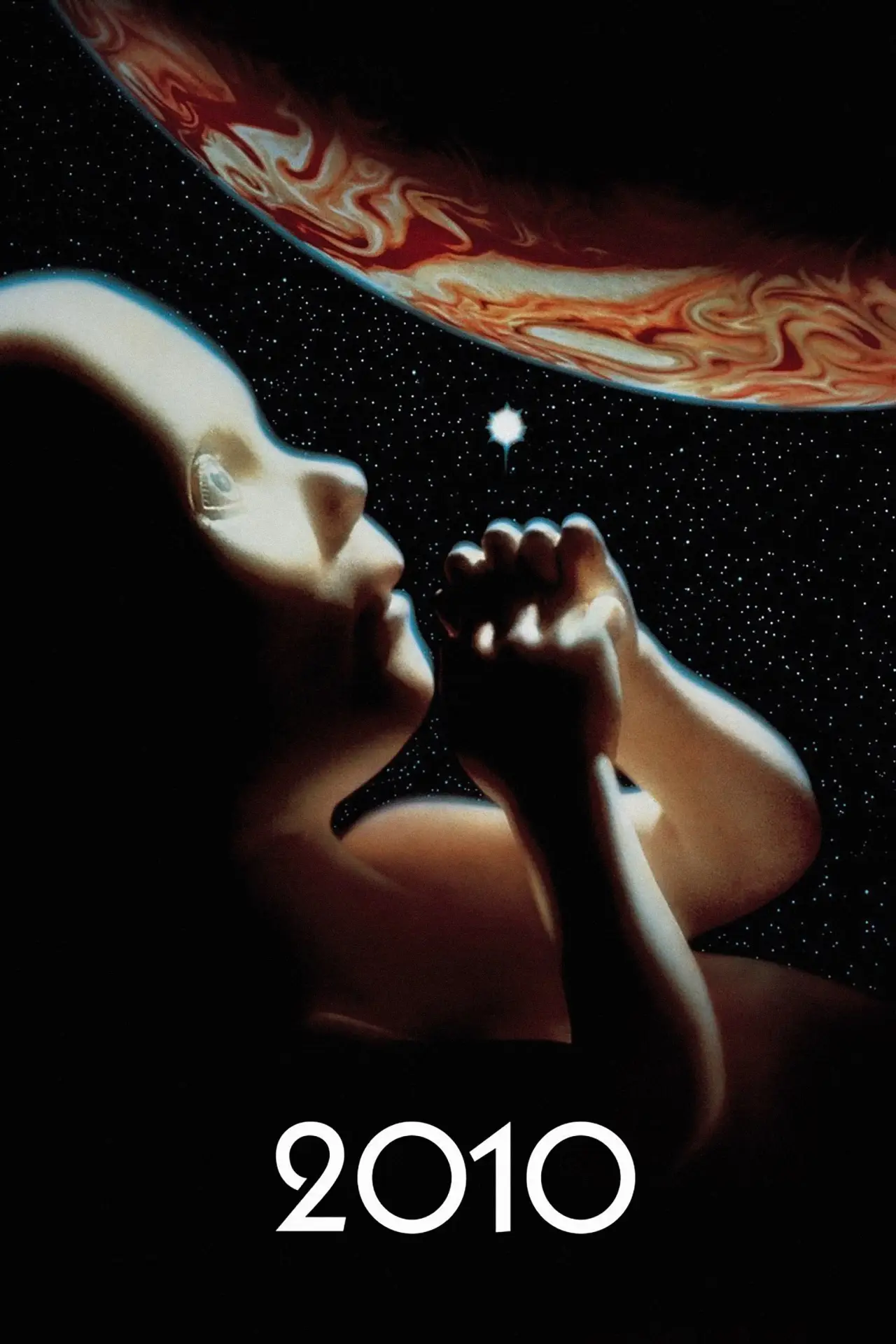
Nine years after the Discovery spacecraft was lost, a joint American and Soviet mission travels to Jupiter aboard the Leonov. The crew's task is to find out what went wrong on the earlier voyage and to reactivate HAL 9000, the ship's computer, which played a part in that failure. Dr. Heywood Floyd, the expedition's leader, also hopes to learn the meaning of the final transmissions sent by one of the Discovery's crew. On arrival at Jupiter the team encounters the large black monolith that the first mission had been sent to investigate.
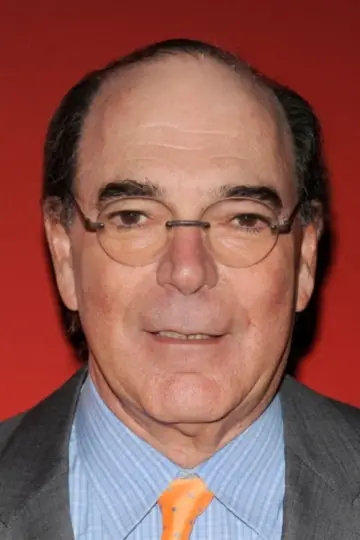
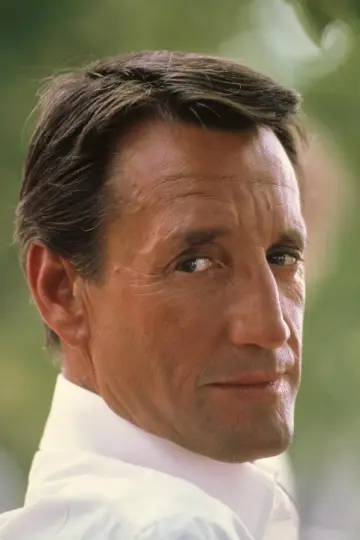
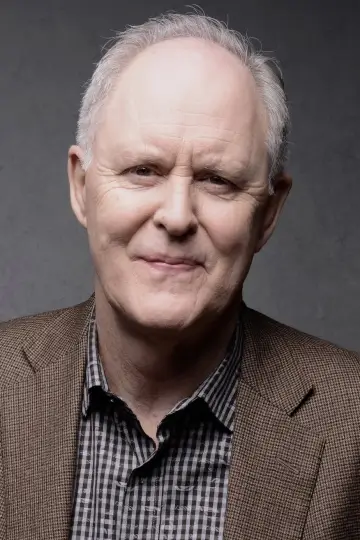
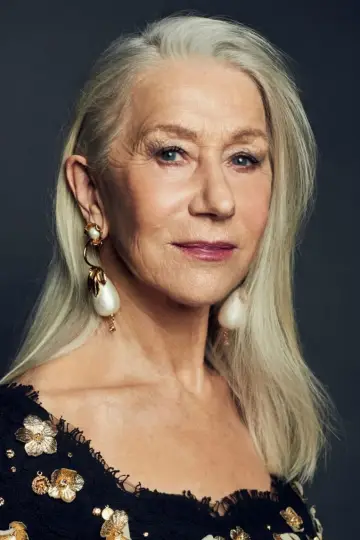
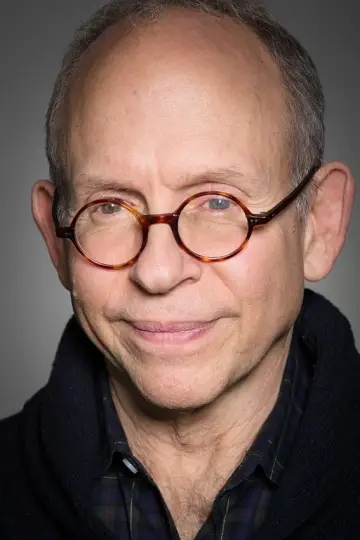
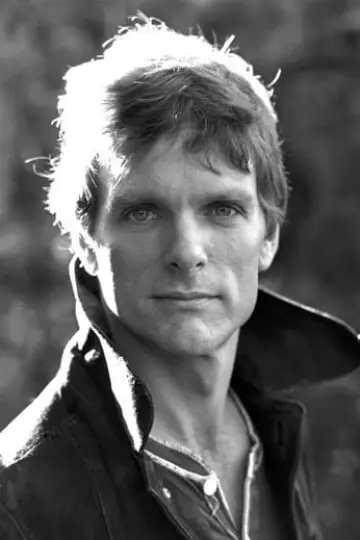
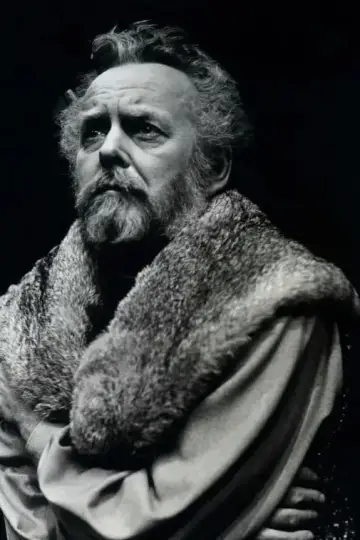
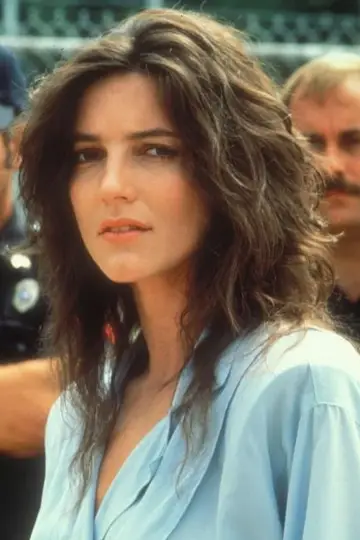
Peter Hyams directed and wrote the screenplay, and also produced the film, which came fifth among the seventeen features he has directed, between The Star Chamber and Running Scared. Roy Scheider plays Floyd, with John Lithgow, Helen Mirren and Bob Balaban among the crew, while Keir Dullea returns as Dr. David Bowman and Douglas Rain again provides the voice of HAL 9000. The picture was released in December 1984 and runs 116 minutes.
Made for 28 million dollars by Metro-Goldwyn-Mayer, it earned roughly 40 million dollars worldwide, a modest return. Audiences are evenly divided on it: on IMDb it holds 6.7 out of 10 from about 61,000 votes, and on TMDB the same 6.7 from over a thousand ratings. A critics' score of 5.8 out of 10, drawn from 37 reviews, sits below those audience figures.
What's left behind the scenes
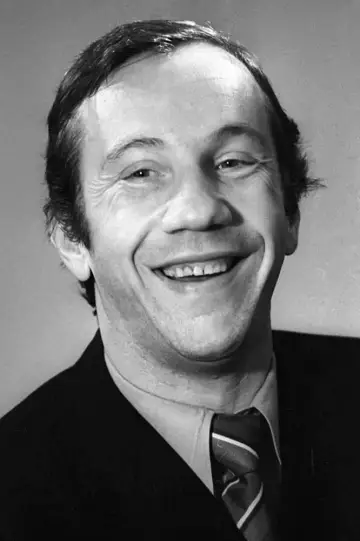
- The role of Dr. Vladimir Rudenko in the film was played by Savely Kramarov, who emigrated to the United States in 1981, and Maxim Braylovsky was played by his friend Ilya Baskin, who had emigrated to the United States earlier.
- Stanley Kubrick refused to film a sequel to the original 1968 film, and it was decided to turn to Peter Hyams, the creator of the science fiction action film "Outland" (1981). Hyams initially approached the offer without much enthusiasm (fearing that the sequel would inevitably be compared to the original, and that the comparison would favor the latter), but eventually agreed to participate in the project. He even called Arthur C. Clarke and Stanley Kubrick, as they say, to ask for their “blessing.” It is said that the conversation with Kubrick lasted three hours, and that Kubrick was keenly interested in how Hyams had filmed certain scenes in his previous films. Eventually, Hyams asked if Kubrick approved of him filming a sequel to "2001: A Space Odyssey," and received a positive answer.
- The design of "Leonov" in the film influenced the depiction of many spacecraft in science fiction cinema. For example, in the television series "Babylon 5", warships of the "Omega" class were designed based on the "Leonov".
- The scene in which Roy Scheider’s character explains the details of docking spaceships to Helen Mirren’s character using a pen floating in zero gravity was not filmed on the first take. Scheider had to stick the pen into a sheet of clear plastic separating him and his co-star, but the sheet would not puncture, and the pen would fall. In the rare cases when the pen did puncture the sheet and actually held, the actor was so visibly surprised (simply because he didn’t expect it) that the take had to be restarted.
- Stanley Kubrick, the director, producer, and screenwriter of the 1968 film "2001: A Space Odyssey," destroyed all the props and sets so that they would not be used again (at the time, reusing props and sets in other projects was common practice). The model and interiors of the spaceship "Discovery" had to be recreated after carefully studying enlarged frames from the original film. The recreated spaceship was not an exact copy of the original – the corridors were made slightly wider, and the lighting was more natural than in the 1968 film.
- In the film, Heywood Floyd works on Macintosh and Apple IIc personal computers. This is one of the first instances of Apple Corporation products being depicted in a feature film.
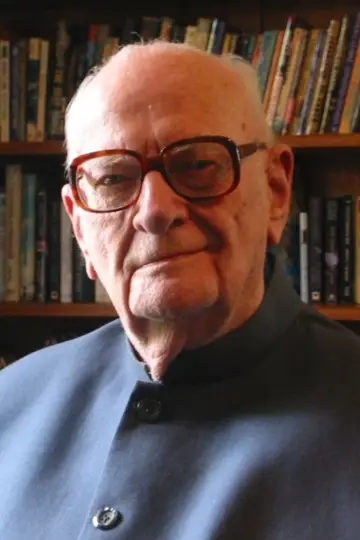
- Although neither Stanley Kubrick, who directed "2001: A Space Odyssey," nor Arthur C. Clarke, who wrote "Odyssey Two," were directly involved in the filming of the movie, its creators found an original way to pay tribute to the creators of the first film. If you read the surname of the USSR commander Tatyana Kirbuk backward, you get the surname Kubrick. Stanley Kubrick is also depicted in "2010" as the image of a Soviet General Secretary, and Arthur Clarke is presented as the image of an American President. Together they appear in one of the film's scenes in a photograph on the cover of a magazine. In addition, Clarke played an episodic role as a man sitting on a bench near the White House.
- According to the plot of the film, the spacecraft “Alexey Leonov” was originally intended to be named after cosmonaut No. 2 German Titov. The name was changed because Titov somehow “lost favor with the leadership.” In this context, it seems strange that the engines of the “Leonov” are named after Andrei Sakharov, who was in opposition to the Soviet regime since the late 60s (this contradiction is resolved in Clarke's novel).
- After filming "2001: A Space Odyssey", Kubrick destroyed the model of the spacecraft to prevent any remakes, but Peter Hyams' team restored it using pictures and frames from the film.
- During the pre-production phase, the film's director, screenwriter, and producer Peter Hyams regularly consulted with Sir Arthur C. Clarke in Sri Lanka via email on the issues of adapting Clarke's novel. In the years 1983-1984, communication in this way was limited almost exclusively to the academic community, and this was certainly the first time it had been used in cinema. Selected excerpts from this correspondence were published in 1984 in the book "The Odyssey File."
Similar movies


 Auditions in India
 Casting calls in USA
 Castingi w Polsce
 Кастинги в Україні
