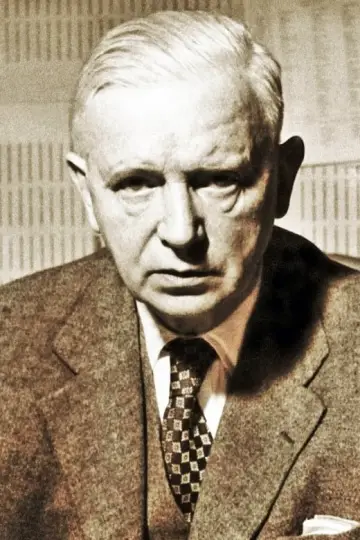
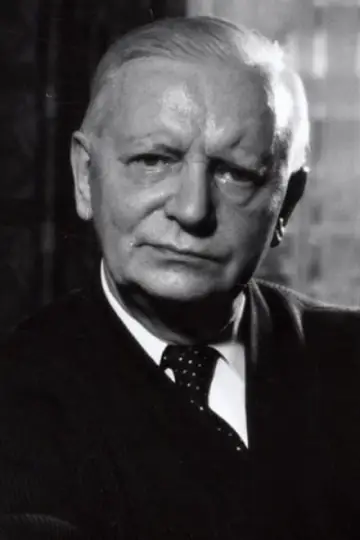
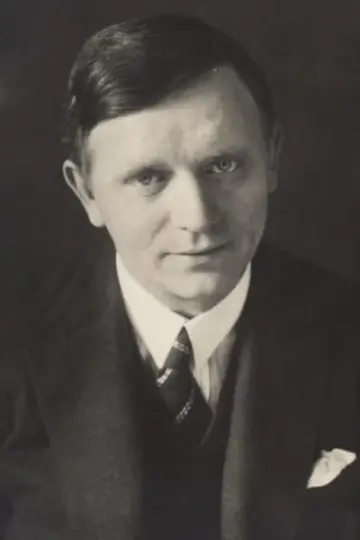
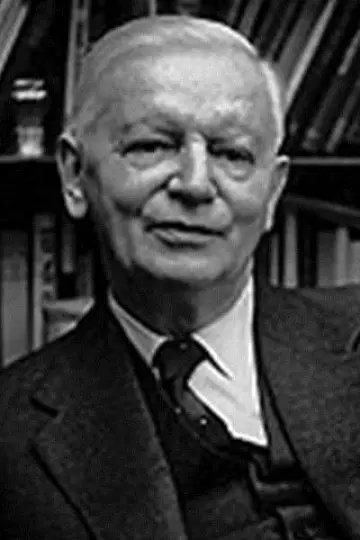
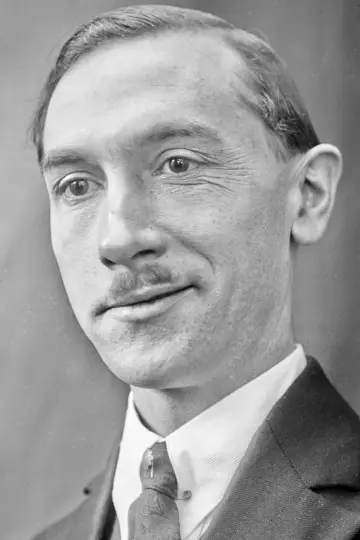
The Passion of Joan of Arc - crew, film crew

The entire team, the film crew of the film "The Passion of Joan of Arc"
La Passion de Jeanne d'Arc (1928)
Timing: 1:21 (81 min)
The Passion of Joan of Arc - TMDB rating
7.983/10
1073
The Passion of Joan of Arc - Kinopoisk rating
8.019/10
12146
The Passion of Joan of Arc - IMDB rating
8.1/10
68000

Film crew

Director

Writer

Editor

Marguerite Beaugé
Editor

Art Direction

Jean Hugo
Art Direction

Costume Design

Valentine Hugo
Costume Design

Director of Photography
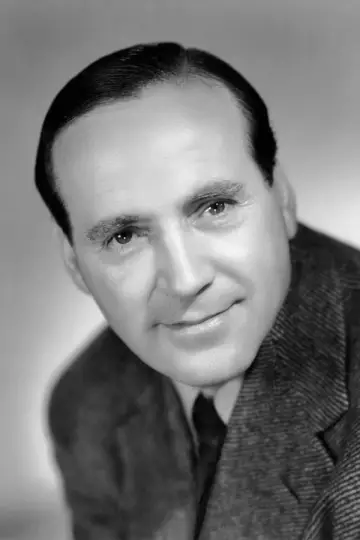
Photo Rudolph Maté #123682

Rudolph Maté

Rudolph Maté
Director of Photography

Screenplay

Assistant Director

Paul La Cour
Assistant Director
Ralph Christian Holm
Assistant Director

Music

Ole Schmidt
Music
Victor Alix
Music
Léo Pouget
Music

Title Graphics

What's left behind the scenes

  • For the film, Carl Theodor Dreyer designed special sets with movable walls, which consumed the majority of the allocated budget. However, the sets are only visible in fragments in the footage, as the main focus is on close-ups of the characters.
  • Work on the film lasted about a year and a half.
  • During filming, none of the actors wore makeup, which was completely unprecedented at the time.
  • According to the director's vision, the film should be shown without sound accompaniment, in complete silence.
  • The film was banned from screening in the United Kingdom because English soldiers are depicted in it as sadists, tormenting Joan.
  • The original film negative was lost in a fire, and Dreyer re-edited a new version from takes that he had previously rejected.
  • Around 1950, French film scholar Lo Duca discovered fragments of the film in the Gaumont studio archives and created his own edit of the film with subtitles and music by Vivaldi, Albinoni, and other Baroque composers as accompaniment. This version provoked strong protests from Dreyer, who stated that Lo Duca's edit had nothing to do with the original editing of his film.
  • For half a century, the original version of the film was considered lost; however, in 1981, a remarkably well-preserved, nearly complete copy of the original film with Danish subtitles was discovered in a storage room of a psychiatric clinic in Oslo, which became the basis for the restored version that exists today.
  • In 1985, the French Cinémathèque released a restored version of the film, fully preserving the editing of the copy found in Oslo, with subtitles translated from Danish to French. For this version, composer Richard Einhorn wrote a musical accompaniment – the oratorio “Visions of Light” – in 1994.
Did you like the film?

© ACMODASI, 2010-2026

All rights reserved.
The materials (trademarks, videos, images and text) contained on this site are the property of their respective owners. It is forbidden to use any materials from this site without prior agreement with their owner.
When copying text and graphic materials (videos, images, text, screenshots of pages) from this site, an active link to the site www.acmodasi.in must necessarily accompany such material.
We are not responsible for any information posted on this site by third parties.