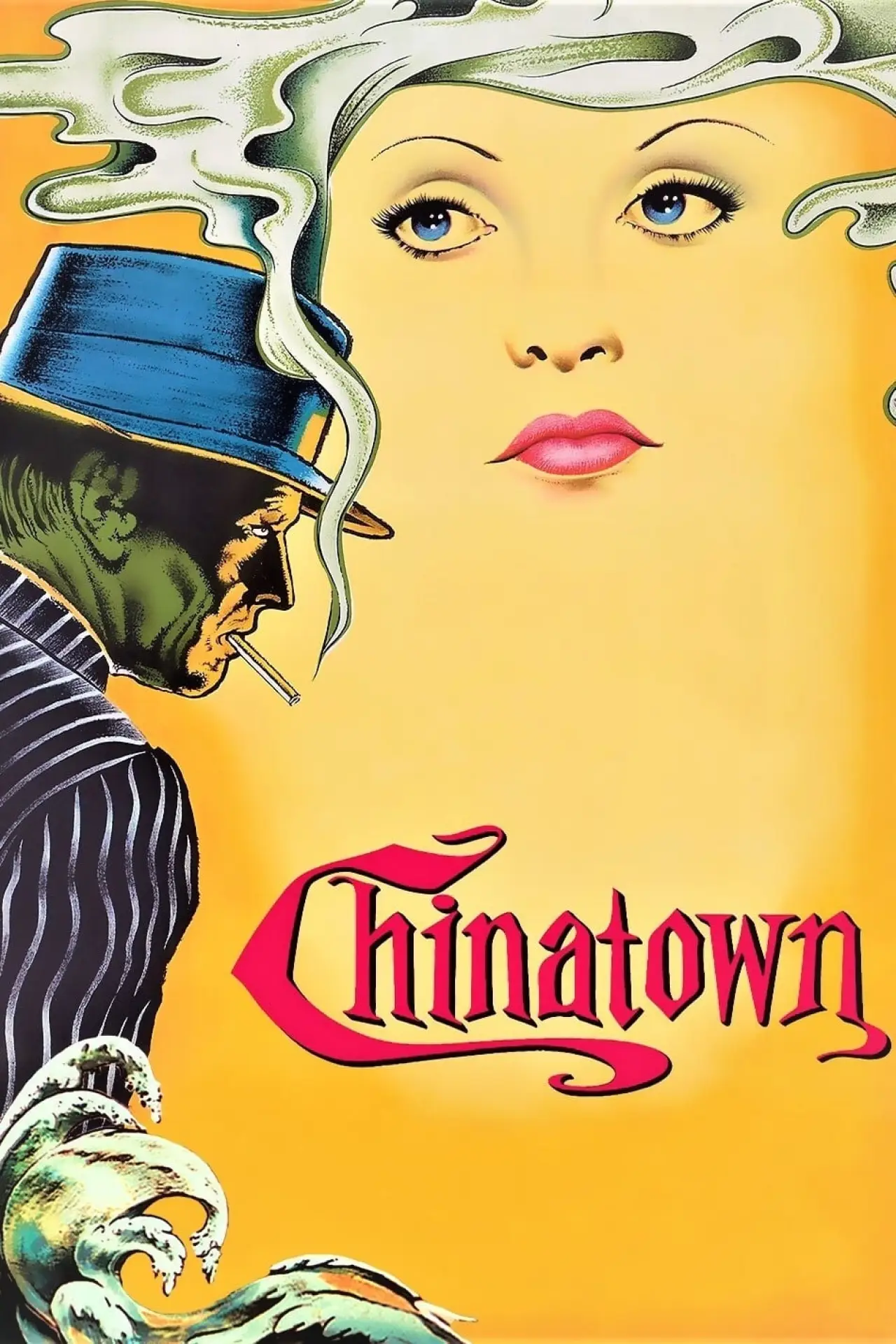
Chinatown
You get tough. You get tender. You get close to each other. Maybe you even get close to the truth.




Country
Production
Budget
$6 000 000
Revenue
$29 201 156
Director
Actors
Jack Nicholson, Faye Dunaway, John Huston, Perry Lopez, Burt Young, John Hillerman, Darrell Zwerling, Roman Polanski, Diane Ladd, Richard Bakalyan
All actors and roles (10)
All actors and roles (10)
Scenario
Producer
Operator
Composer
Artist
Richard Sylbert
Audition
Jane Feinberg, Mike Fenton
Editing
Sam O'Steen
All team (87)
All team (87)
Short description
Private eye Jake Gittes lives off of the murky moral climate of sunbaked, pre-World War II Southern California. Hired by a beautiful socialite to investigate her husband's extra-marital affair, Gittes is swept into a maelstrom of double dealings and deadly deceits, uncovering a web of personal and political scandals that come crashing together.
What's left behind the scenes
- In one interview, Robert Towne admitted that he did not intend to make Chinatown the location for the final scene. However, two weeks before the end of filming, someone said, "My God, the film is called 'Chinatown,' and there isn't a single scene in that district."
- After receiving the footage shot on the first day from the lab, Polanski was furious, as producer Robert Evans, based on the success of “The Godfather” (1972), had ordered the film to be developed with a reddish tint. Roman Polanski demanded that the film be developed normally.
- Jack Nicholson's character, Jake Gittes, was named after the actor's friend and producer, Harry Gittes.
- In 1973, Paramount Pictures offered Robert Towne $175,000 to write a screenplay adaptation of “The Great Gatsby.” However, Towne instead chose to work on his original screenplay, “Chinatown,” for just $25,000.
- While preparing for filming, Robert Towne and the film's director, Roman Polanski, titled each scene of the screenplay with individual sentences, wrote these sentences on scraps of paper, and taped them to the door of the office in Polanski's house where they worked. The game was to move these slips of paper around until they fell into the correct order.
- A heated discussion flared up between Polanski and Towne regarding the ending: ultimately, Polanski won, not wanting a happy ending. In 1999, Towne rewatched the film and admitted that he had been wrong. Roman Polanski said that the sad ending of the film was closer to him because of the murder of his wife, Sharon Tate. Faye Dunaway recounted that Evelyn was supposed to lose her sight, in analogy with Oedipus, who blinded himself after his marriage turned out to be incestuous. The actress really wanted this ending to remain in the film, but problems arose with the makeup artists, resulting in the decision to simply shoot Evelyn.
- According to Robert Towne, it took him at least 10 months to write the screenplay. The most difficult part for him was finding a starting point for the action.
Similar movies
9.1/10
8.9/10
8.2/10
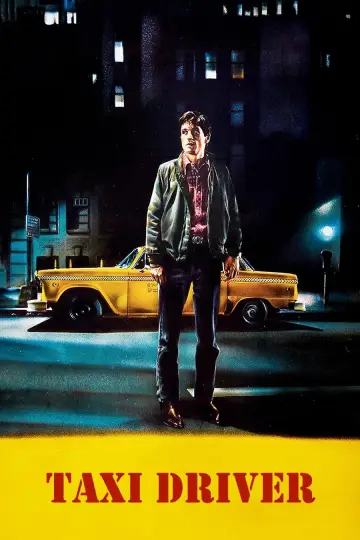
8.1/10
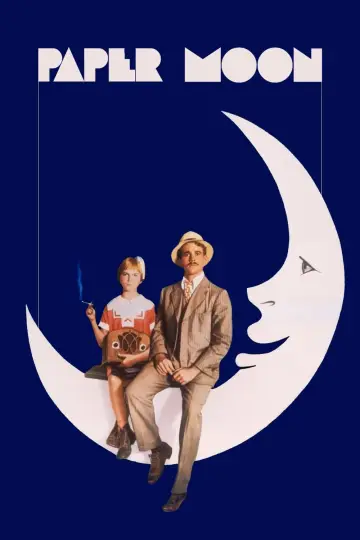
8.1/10
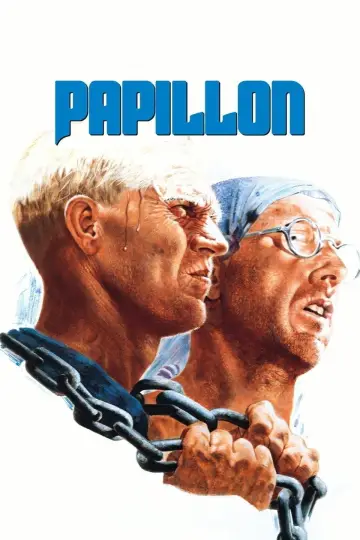
8/10
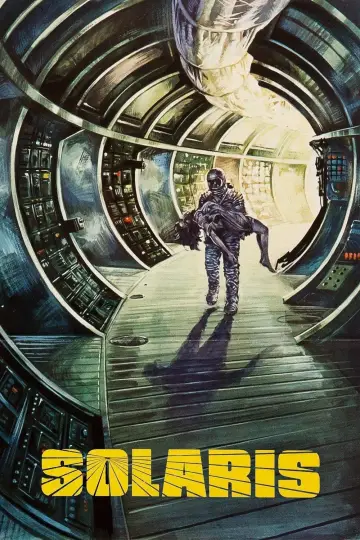
8/10
8/10
8/10
8/10


 Auditions in India
 Casting calls in USA
 Castingi w Polsce
 Кастинги в Україні
