Godzilla Minus One - crew, film crew

The entire team, the film crew of the film "Godzilla Minus One"
ゴジラ-1.0 (2023)
Timing: 2:5 (125 min)
Godzilla Minus One - TMDB rating
7.574/10
3077
Godzilla Minus One - Kinopoisk rating
6.885/10
25171
Godzilla Minus One - IMDB rating
7.6/10
201000

Film crew

Director

Producer

Keiichiro Moriya
Producer
Kenji Yamada
Producer
Kazuaki Kishida
Producer
Go Abe
Producer
Keichiiro Moriya
Producer

Executive Producer
Photo Shuji Abe #283634

Shuji Abe

Shuji Abe
Executive Producer
Photo Minami Ichikawa #23783

Minami Ichikawa

Minami Ichikawa
Executive Producer
Hisashi Usui
Executive Producer

Casting

Tsuyoshi Sugino
Casting

Editor

Costume Design

Aiko Mizushima
Costume Design

Production Design

Anri Jojo
Production Design

Set Decoration

Tetsuji Tatsuta
Set Decoration

Makeup Artist

Michiyo Miyauchi
Makeup Artist

Sound Re-Recording Mixer

Natsuko Inoue
Sound Re-Recording Mixer
Hisafumi Takeuchi
Sound Re-Recording Mixer

Original Music Composer

Photo Naoki Sato #283635

Naoki Sato

Naoki Sato
Original Music Composer
Photo Akira Ifukube #67690

Akira Ifukube

Akira Ifukube
Original Music Composer

Co-Producer

Taichi Ueda
Co-Producer

Photo Akihiro Yamauchi #73847
Akihiro Yamauchi
Co-Producer

Production Supervisor

Nozomu Aida
Production Supervisor

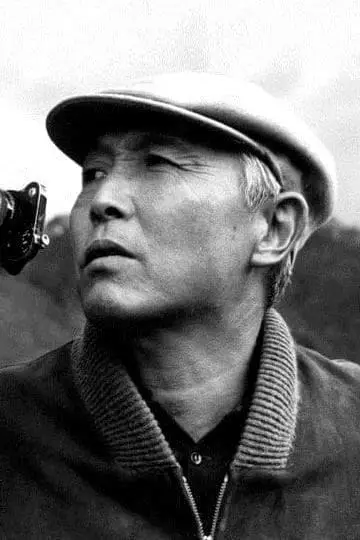
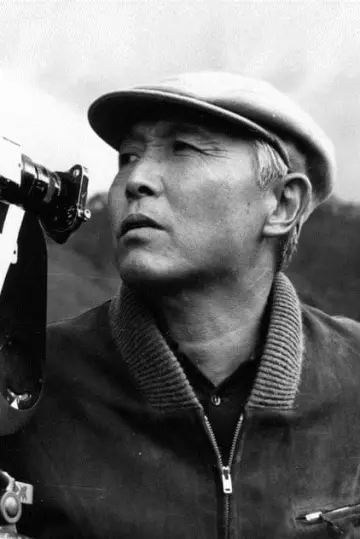
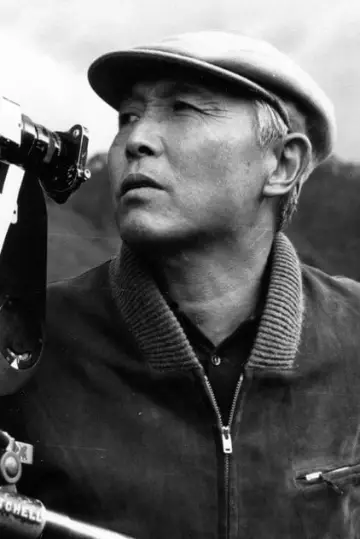
Director of Photography
Photo Kōzō Shibazaki #283633

Kōzō Shibazaki

Kôzô Shibasaki
Director of Photography

Musician

Shinsuke Tomizuka
Musician
Takayuki Mogami
Musician
Keisuke Sumikawa
Musician
Hitoshi Imai
Musician
Hikaru Koga
Musician
Hidehito Naka
Musician
Kôichi Nonoshita
Musician
Ken'ichi Tsujimoto
Musician
Masami Iwasa
Musician
Masamichi Sasazaki
Musician
Shunji Yamaguchi
Musician
Yuto Kamei
Musician
Shinpei Tsugita
Musician
Yoshiyuki Uema
Musician
Kazuhiro Kajihara
Musician
Naoki Ishiyama
Musician
Tadayori Matsumoto
Musician
Shun Itô
Musician
Reo Yoshida
Musician
Koichiro Muroya
Musician
Jun'ichirô Taku
Musician
Toshitsugu Inoue
Musician
Mina Muranaka
Musician
Mizuki Ogura
Musician

Visual Effects Supervisor

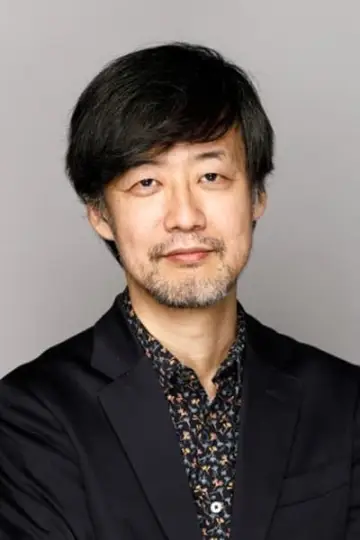
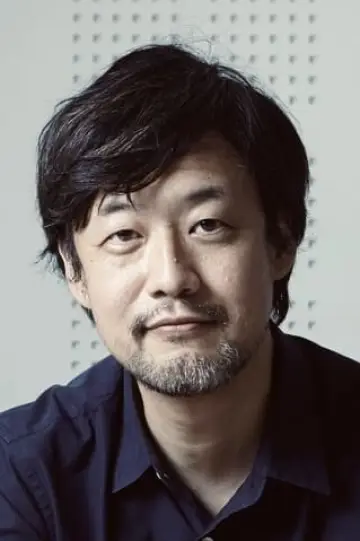
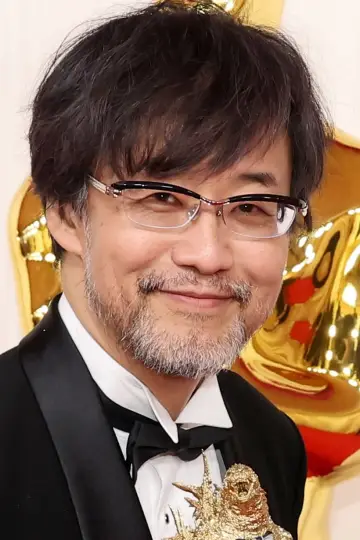
Photo Takashi Yamazaki #27232Photo Takashi Yamazaki #65958Photo Takashi Yamazaki #283632

Takashi Yamazaki

Takashi Yamazaki
Visual Effects Supervisor
Photo Kiyoko Shibuya #283670Photo Kiyoko Shibuya #283671Photo Kiyoko Shibuya #283672

Kiyoko Shibuya

Kiyoko Shibuya
Visual Effects Supervisor

Script Supervisor

Chikako Aho
Script Supervisor

Hairstylist

Michiyo Miyauchi
Hairstylist

Animation

Yûki Kawahara
Animation
Toshihiko Masaki
Animation

Production Manager

Yoshihito Yokoi
Production Manager

Screenplay

Foley Artist

Natsuko Inoue
Foley Artist

Sound Designer

Natsuko Inoue
Sound Designer

Dialogue Editor

Hisafumi Takeuchi
Dialogue Editor

Props

Tetsuji Tatsuta
Props
Sakurako Morita
Props

Key Grip

Satoru Okuda
Key Grip

3D Artist

Kaito Hasegawa
3D Artist
Shôichirô Satô
3D Artist

Gaffer

Nariyuki Ueda
Gaffer

Assistant Director

Kohei Adachi
Assistant Director

Music

Digital Compositor

Eisin Okubo
Digital Compositor

Other
Conductor

Atsushi Takahashi
Conductor

Colorist

Masahiro Ishiyama
Colorist

Music Coordinator

Sayoko Narukawa
Music Coordinator

VFX Artist

Katsumi Suzuki
VFX Artist
Junya Ando
VFX Artist
Makoto Kazamaki
VFX Artist
Tatsuya Hayasaki
VFX Artist
Tatsuji Nojima
VFX Artist
Shinji Miyake
VFX Artist
Masaaki Tokaji
VFX Artist

Visual Effects

Tatsuji Nojima
Visual Effects

Line Producer

Hiroshi Sakurai
Line Producer

CG Supervisor

Photo Masaki Takahashi #291346Photo Masaki Takahashi #291347
Masaki Takahashi
CG Supervisor

CG Artist

Tatsuya Hayasaki
CG Artist
Takushi Yamaguchi
CG Artist
Takayuki Ueki
CG Artist

Sound Recordist

Hisafumi Takeuchi
Sound Recordist

Visual Effects Director

Photo Takashi Yamazaki #27232Photo Takashi Yamazaki #65958Photo Takashi Yamazaki #283632

Takashi Yamazaki

Takashi Yamazaki
Visual Effects Director
Photo Kiyoko Shibuya #283670Photo Kiyoko Shibuya #283671Photo Kiyoko Shibuya #283672

Kiyoko Shibuya

Kiyoko Shibuya
Visual Effects Director

Modeling

Takafumi Iwata
Modeling
Kazutaka Sugiyama
Modeling
Kosuke Taguchi
Modeling
Motohiro Yamada
Modeling
Tomoyuki Miyake
Modeling
Takuya Uenishi
Modeling
Junpei Sakô
Modeling

Matte Painter

Sachiko Eba
Matte Painter
Takeyuki Shirahama
Matte Painter

Rotoscoping Artist

Khitish Shekhar Karua
Rotoscoping Artist

Sound Effects

Natsuko Inoue
Sound Effects

Music Producer

Kôzô Araki
Music Producer

Lighting Director

Nariyuki Ueda
Lighting Director

Creature Design

Kosuke Taguchi
Creature Design

Compositing Artist

Koji Busaka
Compositing Artist
Mika Emura
Compositing Artist
Tatsuji Nojima
Compositing Artist
Shinya Suzuki
Compositing Artist
Ryô Matsumoto
Compositing Artist
Yoshihito Odaka
Compositing Artist
Shôichirô Satô
Compositing Artist

Music Arranger

Photo Naoki Sato #283635

Naoki Sato

Naoki Sato
Music Arranger

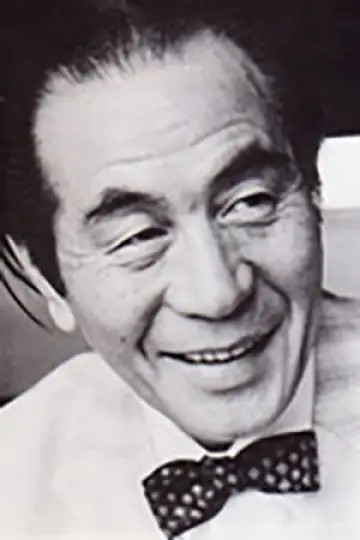
Original Film Writer

Photo Ishirō Honda #94753Photo Ishirō Honda #94754Photo Ishirō Honda #94755

Ishirō Honda

Ishirō Honda
Original Film Writer
Photo Takeo Murata #108786
Takeo Murata
Original Film Writer

Music Programmer

Takumi Hasegawa
Music Programmer
Photo Naoki Sato #283635

Naoki Sato

Naoki Sato
Music Programmer

Quality Control Supervisor

Fay Kanagy
Quality Control Supervisor

What's left behind the scenes

  • Instead of creating the monster's roar from scratch, the film's creative team simply played the original Godzilla roar through speakers and recorded the resulting sound.
  • Gareth Edwards, director of the 2014 "Godzilla" film, attended a preview screening of the film. According to his own words, watching this film, he experienced feelings of envy and jealousy. Edwards stated that this is exactly what a Godzilla film should be like.
  • Godzilla owes its appearance to computer technology.
  • "Minus One" in the film's title refers to the fact that Japan had already suffered in World War II, i.e. was reduced to zero, and with the appearance of Godzilla it went even further into the negative, as reflected in the Japanese slogan of the film: "Post-war Japan. From zero to minus."
  • In reality, Japanese fighters in World War II did not have an ejection system to save the pilot, as shown in the film. Considering that the propeller of the fighter was located at the rear, it first had to be shot off with directed explosions, and only then could the pilot jump with a parachute. Such systems were not in use in Japanese aviation until the end of the war.
  • In one episode, the heroes measure the radiation level of a child's tricycle. It looks exactly like the bicycle of a boy named Shin, which is on display at the Hiroshima Peace Memorial Museum. Shin died in the atomic bomb explosion.
  • The people of Tokyo are going to oppose Godzilla, but there is no army in the country to come to their aid. After the end of World War II, the victorious powers forced Japan to disarm and forbade it from having an army.
  • "Yukikaze" and "Hibiki" are real destroyers that survived World War II. After the war, in 1947, the first was transferred to the Republic of China (present-day Taiwan), and the second to the USSR (present-day Russian Federation) as compensation.
  • During the attack on the fictional Odo Island, Godzilla kills people but does not devour them. The filmmakers follow a rule established by Toho, the film company that made the earliest films in the franchise – not to show Godzilla devouring people.
  • Japan suffered in World War II, that is, it was reduced to zero. 'Minus One' in the title means that with the appearance of Godzilla, the country went into the negative, which is reflected in the Japanese slogan of the film: 'Post-war Japan. From zero to minus.'
  • In the opening scene, when Godzilla attacks Odo Island, he kills people but does not devour them. The filmmakers follow the rule of the first films in the franchise.
  • After watching the film, Gareth Edwards, director of 'Godzilla,' admitted that he felt envy, as this is exactly what a Godzilla film should be like.
  • Yukikaze and Hibiki are destroyers that survived World War II. At the end of the war, the first was transferred to the Republic of China as a military trophy, and the second – to the USSR.
  • On the 63rd minute, they measure the radiation level of a child's tricycle. This is a reference to the bicycle of a child named Shin, which is displayed in the Hiroshima Peace Memorial Museum.
  • Japanese fighters in World War II did not have an ejection system as depicted in the film. Considering the fighter's propeller was located in the rear, it would have needed to be jettisoned first.
  • On the 41st minute, when the heroes on a boat are escaping Godzilla, they drop a mine. The water from the explosion saturates them from head to toe, but in the next shot, everyone is already dry.
  • Japan suffered in World War II, that is, it was reduced to zero. "Minus One" in the title means that with the appearance of Godzilla, the country went into the negative, which is reflected in the Japanese slogan of the film: "Post-war Japan. From zero to minus."
  • After viewing the painting, Gareth Edwards, director of "Godzilla," admitted he felt envious, as this is exactly what a Godzilla film should be.
  • Yukikaze and Hibiki are destroyers that survived World War II. At the end of the war, the first was transferred to the Republic of China as a war trophy, and the second to the USSR.
Did you like the film?

© ACMODASI, 2010-2026

All rights reserved.
The materials (trademarks, videos, images and text) contained on this site are the property of their respective owners. It is forbidden to use any materials from this site without prior agreement with their owner.
When copying text and graphic materials (videos, images, text, screenshots of pages) from this site, an active link to the site www.acmodasi.in must necessarily accompany such material.
We are not responsible for any information posted on this site by third parties.