The Phantom of the Opera






Short description
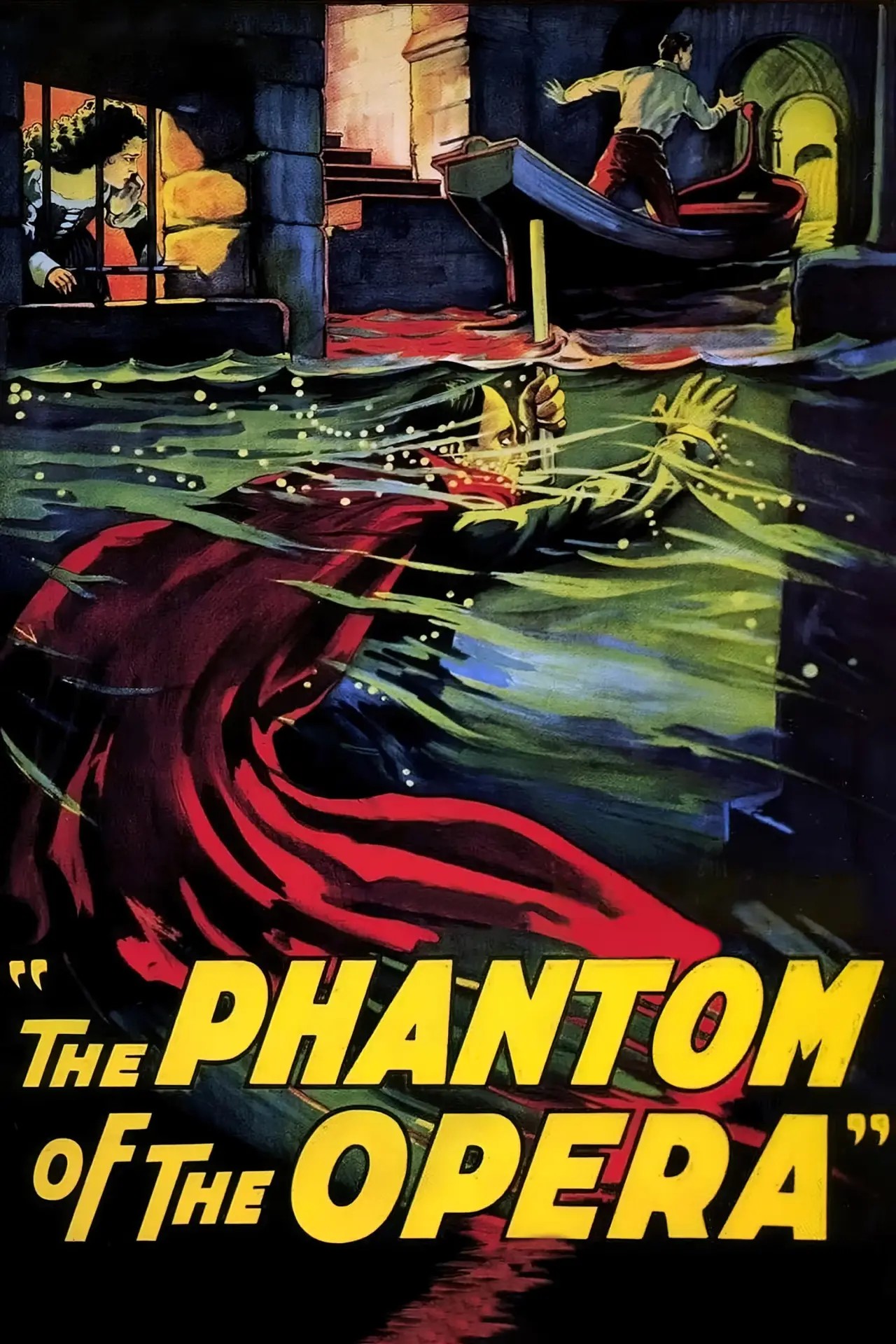
The Phantom of the Opera is a 1925 American horror drama set in the Paris Opera House, where a masked figure known as the Phantom lives in hiding beneath the building. He nurtures the career of the young singer Christine Daaé, guiding her toward stardom while terrorizing the opera's management and performers. When Christine's connection to the Vicomte Raoul de Chagny becomes clear, the Phantom's jealousy turns dangerous, and he abducts her, prompting Raoul to search for her in the opera's hidden lower levels.
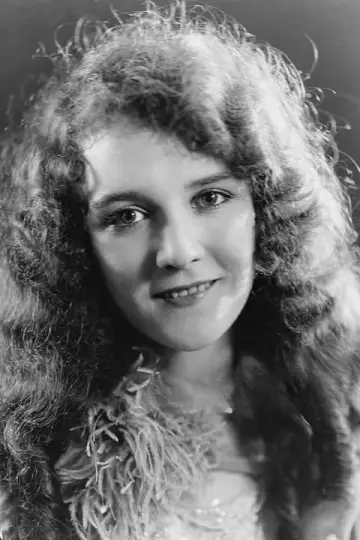
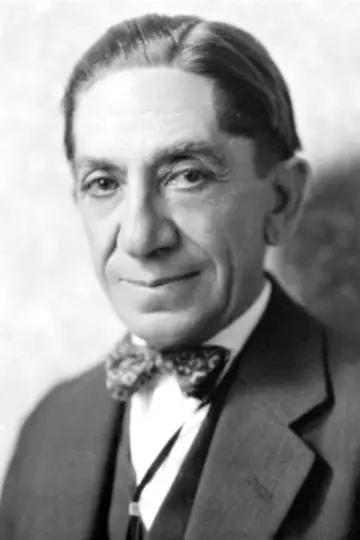
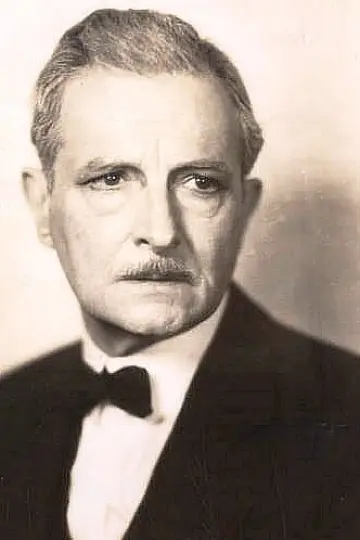
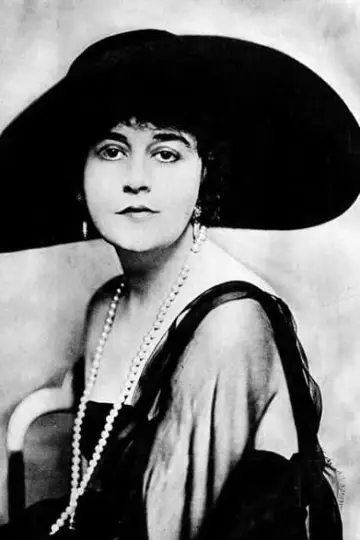
The film was directed by Rupert Julian, whose earlier work was The Kaiser, the Beast of Berlin. Lon Chaney and Edward Sedgwick are also credited as directors, and Ernst Laemmle directed the 1928 film The Cameraman after this one. Carl Laemmle produced the picture for Universal Pictures. Lon Chaney leads the cast as Erik, the Phantom, alongside Mary Philbin as Christine, Norman Kerry as Raoul, Arthur Edmund Carewe as Ledoux, Gibson Gowland as Simon Buquet and Snitz Edwards as Florine Papillon, among a credited cast of 39.
Running 107 minutes, the film was released in June 1925, when silent cinema still dominated American production, and it took about 2 million dollars at the worldwide box office. On TMDB it holds a 7.1 rating from 416 votes, indicating a generally favorable response from viewers nearly a century after its release.
What's left behind the scenes
- Lon Chaney's makeup was not based on a mask, but on his "living" face. It is known that he used some wire frames, inserting them into his nose, placed celluloid discs behind his cheeks to change the shape of his face, and used eye drops to give his eyes the desired expression.
- A memorable shot of Eric's face was used as one of the photographs of criminals in Sherlock Holmes's rogues' gallery in Igor Maslennikov's film "Sherlock Holmes and Doctor Watson".
- The film is in the public domain in the United States and has been added to the National Film Registry.
- In total, the film was reshot twice – the original version, shot by Rupert Julian, was rejected due to constant disagreements with the crew and Chaney himself. The second version of the film was shot by Edward Sedgwick and reworked in a more melodramatic and even comedic key. However, after it was booed by the audience at a test screening, this version was also rejected. The existing version of the film was completed and edited by Maurice Pivar and Louis Weber – who are uncredited – they removed and reworked much of the footage shot by Julian and Sedgwick, but Sedgwick's ending remained.
- Carl Laemmle purchased the film rights directly from Gaston Leroux after meeting him in 1922.
- This first version of 'The Phantom' has become a cornerstone of cinematic classics, and the credit for this undoubtedly goes to actor Lon Chaney.
- When voicing the film, it was intended that Chaney's own voice would be heard, but as a result, he was dubbed by another actor.
- The Phantom of Chaney's mask is white, made of papier-mâché, covering the entire face up to the upper lip, and a ruffle of fabric is attached below, covering the mouth. When the Phantom speaks, it amusingly sways.
- Approximately 5,000 people were involved in the filming of the movie. In particular, the auditorium at the Opera House was filled with a real, 'live' audience.
- For the makeup, Lon Chaney used some wire frames, inserting them into his nose; to change the shape of his face, he placed celluloid discs behind his cheeks and used eye drops to give his eyes the desired expression.
- Since the film was shot in three color formats, for each scene, cinematographer Van Enger set up three different types of lighting. One for Technicolor shooting, another for the black and white version, and a more dramatically effective lighting for promotional photographs.
- This film is the first adaptation of Gaston Leroux's novel.
- Mary Philbin, who played Christine, saw Lon Chaney for the first time when his mask was removed—her scream of fright in the film was genuine. A second take was not needed.
- Two years after the film's release, sound came to cinema, and silent films were doomed. In 1929, music and some dialogue, as well as screams of horror, were added to the film.
- Two endings were filmed for the movie.
- It was intended that Chaney's voice would be heard when the film was dubbed, but in the end, another actor dubbed him. Chaney was not involved in the dubbing and died in the same year.
- The film's script was rewritten five times, by different screenwriters each time.
- Once during filming, Rupert Julian became so frightened by Chaney's performance that he involuntarily gasped.
- According to publications that appeared during the film's release, it contained 17 minutes of color footage. The staging scenes of "Faust" and the masquerade ball were filmed using an early two-color version of Technicolor. Only the latter has survived to this day. Footage shot in Prizmacolor and the scenes where the Phantom's cloak and the roof of the opera house were painted red using hand-coloring were lost. These scenes were restored only in 1996 using computer technology. The film also extensively used toning in various colors (yellow, blue, green, red).






 Auditions in India
 Casting calls in USA
 Castingi w Polsce
 Кастинги в Україні

