Dom Hélder Câmara




Works
Actor (1),
Birthday
1909-02-07
Dom Hélder Câmara - known for his work in such projectsAdvice for working with the Map of emotions:
Hélder Pessoa Câmara (7 February 1909 – 27 August 1999) was a Brazilian Catholic archbishop. A self-identified socialist, he was the Archbishop of Olinda and Recife, serving from 1964 to 1985, during the military dictatorship in Brazil. He was declared a Servant of God in 2015.
Câmara was an advocate of liberation theology. He did social and political work for the poor and for human rights and democracy during the military regime. Câmara preached for a church closer to the disfavoured people. He is quoted as having said, "When I give food to the poor, they call me a saint. When I ask why they are poor, they call me a communist."
He was born Hélder Pessoa Câmara on 7 February 1909 in Fortaleza, Ceará, in the poor Northeast Region of Brazil. His father was an accountant and his mother was a primary school teacher. He was educated in local Catholic schools and entered seminary in 1923.
He was ordained a priest in 1931, with direct authorization of the Holy See over his premature age. Câmara was named auxiliary bishop of Rio de Janeiro by Pope Pius XII on 3 March 1952. During his first years as a priest he was a supporter of the far-right Brazilian Integralist Action (Ação Integralista Brasileira, AIB), an ideological choice that he later rejected. He also founded two social organizations: the Ceará Legion of Work, in 1931, and the Women Workers' Catholic Union, in 1933. On 12 March 1964, Pope Paul VI appointed him Archbishop of Olinda e Recife.
During his tenure, Câmara was informally called the "bishop of the slums" for his clear position on the side of the urban poor. With other clerics, he encouraged peasants to free themselves from their conventional fatalistic outlook by studying the gospels in small groups and proposing the search for social change from their readings. He was active in the formation of the Brazilian Bishops’ Conference in 1952, and served as its first general secretary until 1964. In 1959 he founded Banco da Providência in Rio de Janeiro, a philanthropic organization to fight poverty and social injustice by facilitating the contraction of loans by poorer populations.
He attended all four sessions of the Second Vatican Council and played a significant role in drafting Gaudium et spes. On 16 November 1965, a few days before the council ended, 40 bishops led by Câmara met at night in the Catacombs of Domitilla outside Rome. They celebrated the Eucharist and signed a document under the title of the Pact of the Catacombs. In 13 points, they challenged their brother bishops to live lives of evangelical poverty: without honorific titles, privileges, and worldly ostentation. They taught that "the collegiality of the bishops finds its supreme evangelical realization in jointly serving the two-thirds of humanity who live in physical, cultural, and moral misery". They called for openness "to all, no matter what their beliefs". ...
Source: Article "Hélder Câmara" from Wikipedia in English, licensed under CC-BY-SA 3.0.
Câmara was an advocate of liberation theology. He did social and political work for the poor and for human rights and democracy during the military regime. Câmara preached for a church closer to the disfavoured people. He is quoted as having said, "When I give food to the poor, they call me a saint. When I ask why they are poor, they call me a communist."
He was born Hélder Pessoa Câmara on 7 February 1909 in Fortaleza, Ceará, in the poor Northeast Region of Brazil. His father was an accountant and his mother was a primary school teacher. He was educated in local Catholic schools and entered seminary in 1923.
He was ordained a priest in 1931, with direct authorization of the Holy See over his premature age. Câmara was named auxiliary bishop of Rio de Janeiro by Pope Pius XII on 3 March 1952. During his first years as a priest he was a supporter of the far-right Brazilian Integralist Action (Ação Integralista Brasileira, AIB), an ideological choice that he later rejected. He also founded two social organizations: the Ceará Legion of Work, in 1931, and the Women Workers' Catholic Union, in 1933. On 12 March 1964, Pope Paul VI appointed him Archbishop of Olinda e Recife.
During his tenure, Câmara was informally called the "bishop of the slums" for his clear position on the side of the urban poor. With other clerics, he encouraged peasants to free themselves from their conventional fatalistic outlook by studying the gospels in small groups and proposing the search for social change from their readings. He was active in the formation of the Brazilian Bishops’ Conference in 1952, and served as its first general secretary until 1964. In 1959 he founded Banco da Providência in Rio de Janeiro, a philanthropic organization to fight poverty and social injustice by facilitating the contraction of loans by poorer populations.
He attended all four sessions of the Second Vatican Council and played a significant role in drafting Gaudium et spes. On 16 November 1965, a few days before the council ended, 40 bishops led by Câmara met at night in the Catacombs of Domitilla outside Rome. They celebrated the Eucharist and signed a document under the title of the Pact of the Catacombs. In 13 points, they challenged their brother bishops to live lives of evangelical poverty: without honorific titles, privileges, and worldly ostentation. They taught that "the collegiality of the bishops finds its supreme evangelical realization in jointly serving the two-thirds of humanity who live in physical, cultural, and moral misery". They called for openness "to all, no matter what their beliefs". ...
Source: Article "Hélder Câmara" from Wikipedia in English, licensed under CC-BY-SA 3.0.
The most significant works of Dom Hélder Câmara
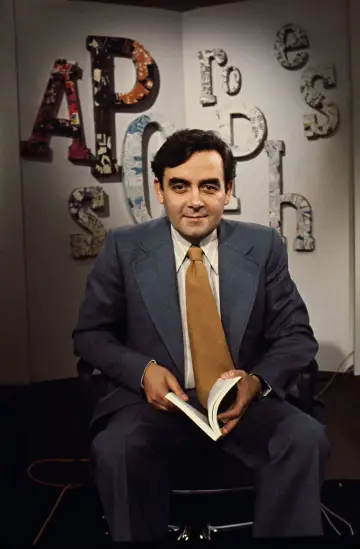
Apostrophes
1975–1990
Full filmography Dom Hélder Câmara


 Auditions in India
 Casting calls in USA
 Castingi w Polsce
 Кастинги в Україні
