Star Trek
Star Trek (1973-1974)
Seasons: 2,
episodes: 22
Episode runtime: 24 min
Average rating:
7.2/10
11 270



Status
Completed
Creators
Scenario
Producer

Actors

William Shatner
James T. Kirk (voice)
Leonard Nimoy
Spock (voice)
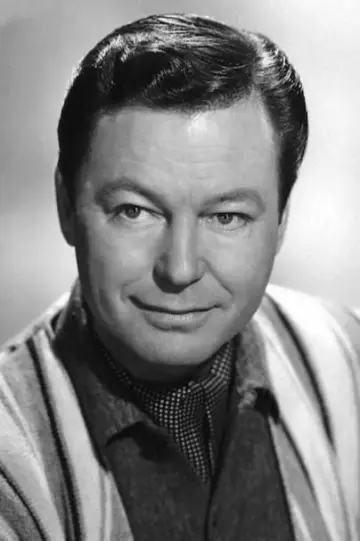
DeForest Kelley
Leonard McCoy (voice)

George Takei
Hikaru Sulu (voice)
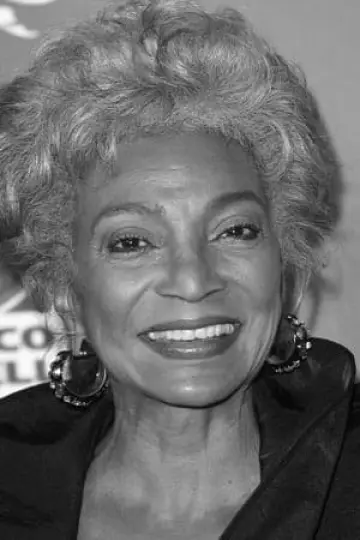
Nichelle Nichols
Uhura (voice)
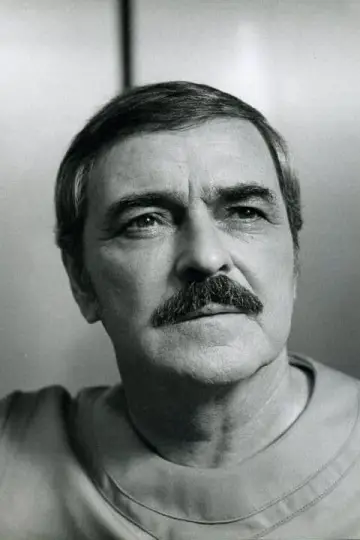
James Doohan
Montgomery Scott (voice)
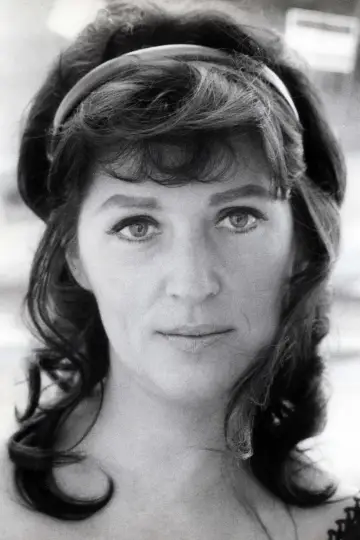
Majel Barrett
Christine Chapel / Starfleet Computer (voice)
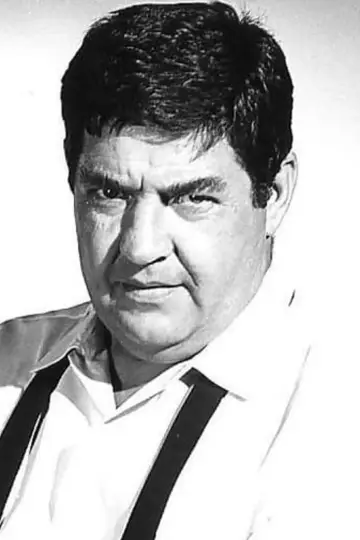
Stanley Adams
Cyrano Jones (voice, uncredited)
Short description
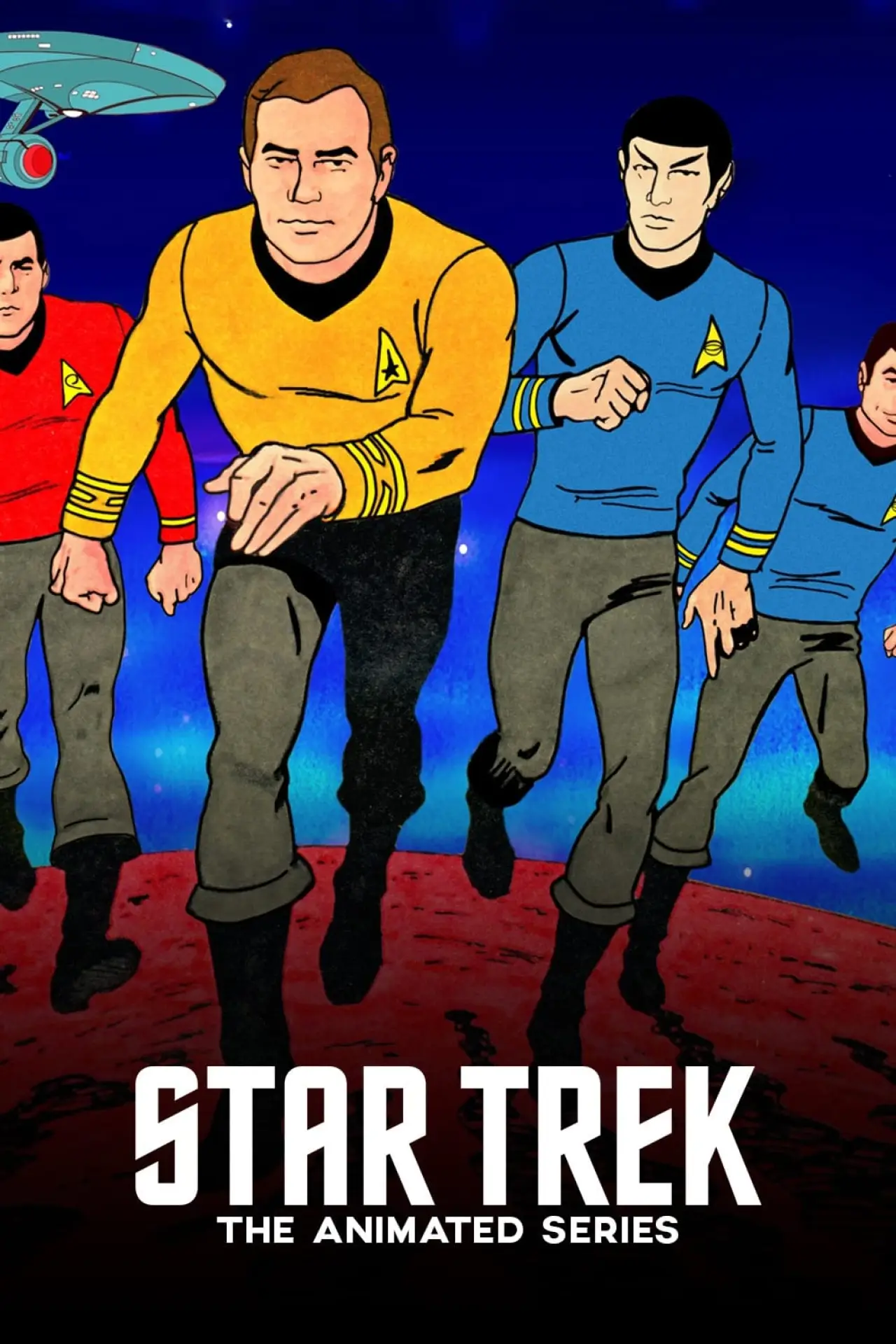
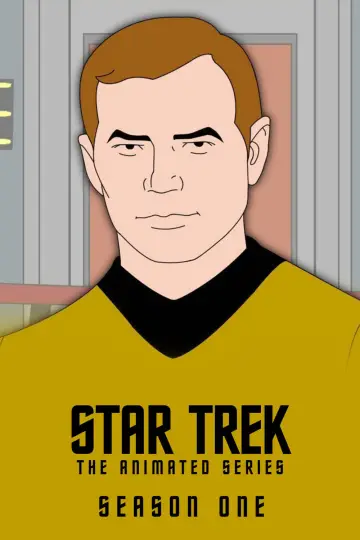
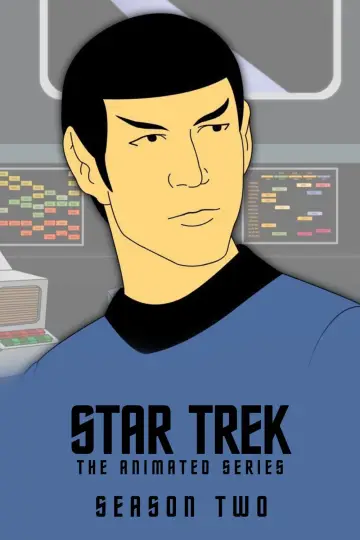
The animated adventures of Captain Kirk, Mr. Spock and the crew of the Starship Enterprise.
Seasons
What's left behind the scenes
- The animated series 'Star Trek' (1973-1974) was intended for a children's audience, so certain plot elements had to be cut, much to the dissatisfaction of Gene Roddenberry and the screenwriters. Disappointed fans of 'Star Trek' (1966-1969) repeatedly accused the animated series of being primitive and intentionally oversimplifying the storyline.
- The first animated series produced by Filmation Associates, which the NBC network broadcast on Saturday mornings. Until then, NBC had categorically refused to buy cartoons from Filmation Associates; however, with the airing of 'Star Trek,' a situation arose where the largest television networks in the US were broadcasting Filmation Associates series simultaneously.
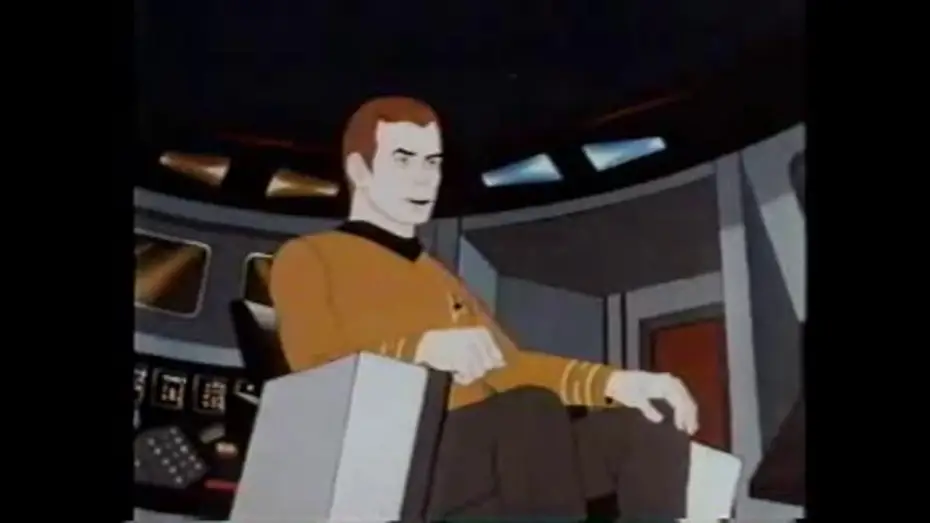
- There were some differences between the starship Enterprise in the animated 'Star Trek' series and its predecessor in the live-action series. As Gene Roddenberry himself claimed, this was done in response to fan letters. For example, on the bridge of the starship in the animated series, there are doors to two turbo-lifts. Roddenberry noted that many viewers had asked him what would happen if the single turbo-lift broke down or its doors jammed, and he had no answer. Similarly, in response to viewer requests, the starship's crew in the cartoon series included more representatives of extraterrestrial civilizations (specifically, Arex and M'Ress). Roddenberry once joked that he had always wanted to feature more aliens, but faced a severe shortage of them within the Screen Actors Guild. In reality, it was animation that opened new horizons for the franchise creators in designing alien characters.
- Both seasons of the animated series "Star Trek" consist of only 22 episodes. Consequently, it is the shortest series in the Star Trek franchise. It was sold to the NBC television network as a cinematic product guaranteed to draw viewers to their screens.
- Specialists at Filmation Associates took three shots of the starship Enterprise from the live-action series and, using rotoscoping techniques, made it possible to incorporate them into the animated series "Star Trek." The following shots were used: the Enterprise in orbit moving toward the camera (frequently used in Star Trek), a close-up view of the Enterprise from above (focusing on the bridge area, from the episode "The Cage"), and the Enterprise flying toward the camera (also from "The Cage," though this shot was used rarely).
- Had production of the animated series continued, the Enterprise would have completed its five-year mission and returned to Earth in the final episode.
- Some episodes of the animated series were based on plots rejected by the creators of "Star Trek" (1966-1969) or those that went unused for other reasons (for example, due to the series ending).
- As stated in the book "Creating a Generation: Filmation," the management of Filmation Associates had been considering the idea of producing an animated series based on the Star Trek universe as early as 1969, immediately following the completion of the original series' third season. However, the concept for the animated series would have been completely different, targeting a younger audience. According to the plot, the crew members of the Enterprise were to become mentors to teenagers who made up the crew of the training starship Excalibur. Each crew member would have had their own protégé, named Steve, Bob, Stick, Chris, Tan-Tan, Stormy, and Pluff.
- The first voice recording session for the animated series "Star Trek" (1973-1974) took place at the Filmation Associates studio in Reseda, Los Angeles, California. Every single actor gathered for the first time since the completion of the "Star Trek" television series (1966-1969). Three episodes of the first season were voiced during the first session: "The animation of the farthest star," "The Year of Light," and "More Tribbles, More Trouble." Subsequently, the actors recorded their lines individually, appearing in the studio as their schedules permitted.
- Some actors who appeared in "Star Trek" (1966-1969) later voiced their characters in the animated series (1973-1974). This includes Stanley Adams and his character Cyrano Jones, who appeared in the episode "More Tribbles, More Trouble" (1973) of the animated "Star Trek" series. Harry Mudd was voiced by Roger C. Carmel in "Mudd's Passion" (1973), and Sarek was voiced by Mark Lenard in "The Year of Light" (1973). In the episode "The Year of Light," Amanda, played by Jane Wyatt in "Star Trek," was voiced by Majel Barrett.
- Science fiction writer Peter David later included two characters (M'Ressa and Arex) in his book series "Star Trek: New Frontier," starting with the book "Gates: Cold Wars" (2001). These same characters appear in the first volume of the "Star Trek" comics published by DC Comics, which Peter David also authored for a time.
- The American weekly magazine "TV Guide" (August 1, 2004 issue) ranked the "Star Trek" crew from all the franchise's series and films second in its rating of the "25 Greatest Sci-Fi Legends."
- Due to a lack of budget funds allocated for the project, James Doohan (who played Mr. Scott), George Takei (Mr. Sulu), Nichelle Nichols (Uhura), and Majel Barrett (Nurse Chapel) were forced to voice other crew members of the starship Enterprise, arriving personnel, as well as aliens in many episodes of the series.
- The scripts for many episodes of the animated series were written by actors who appeared in 'Star Trek' (1966-1969).
- When the animated series 'Star Trek' premiered on September 8, 1973, Southern California aired a different episode than the rest of the country. In that state, the episode 'The animations of a Year Gone By' was shown first, while everywhere else in the US, 'The animations of Beyond the Farthest Star' aired first. This was because George Takei, who played Sulu, was running for elected office. Southern California television stations decided that if they aired 'Beyond the Farthest Star,' in which Takei appears, the US Federal Communications Commission would require them to provide Takei's political opponents with equal airtime to ensure fair competition. Therefore, the stations first aired the second episode of the animated series, in which Takei's character did not appear.
- For budgetary reasons, 'Star Trek' was intended to be filmed without the participation of George Takei, Walter Koenig, and Nichelle Nichols. Upon learning this, Leonard Nimoy flatly refused to participate in the project without his friends. To avoid losing their most popular character, the management of Filmation Associates agreed to sign contracts with Takei and Nichols. Koenig remained sidelined, but he wrote the script for the episode 'The Infinite Vulcan,' which premiered on October 20, 1973.
- Walter Koenig, the scriptwriter for the episode 'The Infinite Vulcan' (1973) in the animated series, became the first actor in the franchise to write a script for one of the episodes. Subsequently, many actors involved in various franchise projects would go on to write scripts, novels, and comics set in the Star Trek universe. Over time, even more actors would become directors of various episodes and films.
- Many refuse to recognize this animated series as part of the overall franchise, although it contains episodes that are direct continuations of episodes from the popular 'Star Trek' series. For example, the smuggler Mudd from the 'Star Trek' episodes 'Mudd's Women' (1966) and 'I, Mudd' (1967) appears in 'Mudd's Passion' (1973) of the animated series. The setting of the animated series episode 'Once Upon a Planet' (1973) is taken from the live-action series episode 'Shore Leave' (1966). The plot of the live-action episode 'The Trouble with Tribbles' (1967) is continued in the animated series episode 'More Tribbles, More Trouble' (1973). Incidentally, this animated episode used a plot originally proposed for one of the third-season episodes of 'Star Trek' but was rejected. (Initially, a third episode featuring Mudd was planned for 'Star Trek'.) This tradition of continuing plotlines from previous episodes led to the feature film 'Star Trek II: The Wrath of Khan' (1982), which served as a sequel to the 'Star Trek' episode 'Space Seed' (1967). The same tradition led to the inclusion of Tribbles in numerous episodes and films within the franchise. Captain James Kirk's middle name, Tiberius, is another idea unused in the original 'Star Trek.' This name is mentioned in the animated series episode 'Bem' (1974) and later in the 1991 feature film 'Star Trek VI: The Undiscovered Country'.
- Gene Roddenberry did not consider the animated series 'Star Trek' to be 'canonical,' unlike the live-action television series. The fact was that he filmed the TV series for the money, so he would never have allowed the writers to use certain ideas in the animated series' plots had he known for sure that he would eventually return to filming a television series. It should be noted that some writers of 'Star Trek: Enterprise' (2001-2005) disagreed with Roddenberry. In the short documentary 'At the Edge' (2006), they claim that the animated series is a legitimate and full-fledged continuation of 'Star Trek,' and that is exactly how they view it. The documentary explains how elements of the animated series' universe were incorporated into 'Star Trek: Enterprise,' which serves as a prequel to 'Star Trek'.


 Auditions in India
 Casting calls in USA
 Castingi w Polsce
 Кастинги в Україні
