How to read a call sheet and understand its implications
Behind the Scenes: Cinema: How to read a call sheet and understand its implicationsThe call sheet is the most important document of your shooting day. It tells you when to wake up, what to bring, how long the shift will last, and when you will be wrapped. Beginners often look only at the time and address, which frequently leads to avoidable trouble on set.
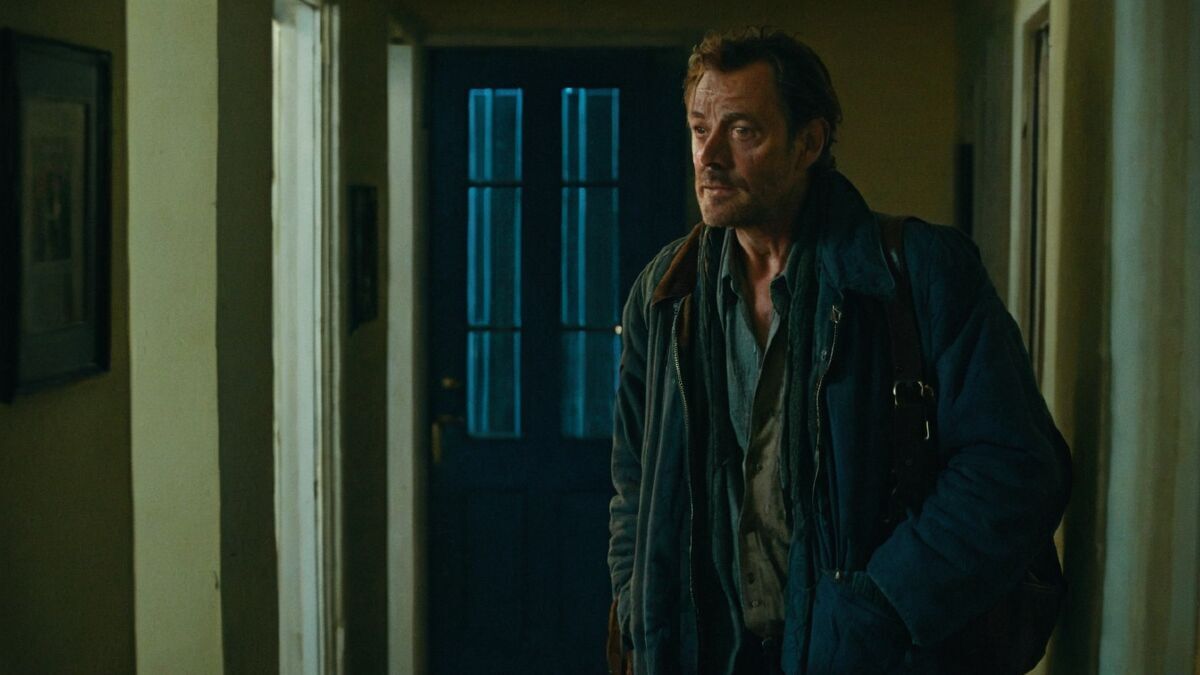
When it arrives
Usually, it arrives the evening before, sometimes two days in advance. It will be sent via email or shared in a production WhatsApp group. If it is 9 PM the night before and you haven't received it, message the Second Assistant Director (2nd AD): the shoot might have been rescheduled, or they may have forgotten to notify you.
Call sheets are often updated. Always check the version number or the timestamp; only the most recent version is valid.
What is inside
The Header. Project title, shooting day number, date, weather forecast, and sunrise/sunset times. Sunrise and sunset are more important than they seem: for outdoor shoots in cities like Mumbai or Hyderabad, the available daylight determines the entire schedule.
Location. The address of the set, the address of the base (where the equipment, vanity vans, and catering are located), and parking info. These are often different addresses; you should report to the base unless specified otherwise.
Timing. The most critical block, containing several different times:
- Call Time — the exact time you must be on-site. Your shift starts from this moment.
- Hair & Makeup (HMU) / Costume — your individual time slot for preparation.
- Ready on Set — when you must be fully dressed, made up, and ready to perform.
- First Shot — when the crew plans to start rolling.
- Lunch — typically scheduled six hours after the start.
- Estimated Wrap — the planned end of the shift.
Scene Schedule. Scene numbers, brief descriptions, which actors are involved, the set location, and the time of day according to the script. This block shows the shooting order and when it is your turn.
Actor List. Each actor's number, character name, call time, and makeup time. Remember your number; this is how you will be called in the schedule.
Actor Requirements. What you need to bring or avoid. This is where you'll see notes like "clean-shaven," "no tanning," or "bring black formal shoes."
Notes. Often the most useful part: warnings about stunts, animals, water, smoke, or reminders to be quiet if shooting in a residential area.
Call Time vs. Shooting Time
This is the biggest point of confusion for newcomers. Call time is when you arrive. Several hours may pass before you are actually placed in front of the camera.
The shift is counted from the call time. If you are called at 7 AM but don't shoot until 6 PM, you have worked a full shift. This is standard industry practice, not a violation.
The reverse is also true: you cannot arrive "a bit later" because your scene is in the evening. Schedules shift constantly, and your scene could suddenly become the first priority of the day.
How to plan your day using the call sheet
- Count backward from the call time. Factor in travel, breakfast, and getting ready. Allow more time for travel than usual, as locations can be far outside the city center.
- Check where your scenes fall in the schedule. If you are scheduled for the end of the day, bring something to occupy yourself for several hours.
- Check the estimated wrap time and add two to three hours; shifts almost always run over.
- Review the requirements block — what to bring and what to avoid.
- Check the notes for stunts, water, animals, or weather warnings.
- Coordinate your return journey. If public transport is unavailable by the estimated wrap time, arrange your transport in advance rather than at midnight.
What to bring based on the call sheet
- Your wardrobe as per the list — ironed and in a garment bag.
- Identification documents: required for processing your professional fees and verifying your identity.
- Water and snacks, if the call sheet doesn't mention catering.
- A power bank.
- Warm clothing for night shoots — even in summer.
- A change of footwear.
- A printed or offline-saved copy of the scenes for the day.

When reality differs from the call sheet
This is normal, not a failure. Schedules shift due to weather, technical issues, or previous scenes taking longer than expected. Here are the rules of conduct:
- Do not leave the base without notifying someone. Even if your scene "clearly isn't happening soon."
- Do not call the Director. All clarifications go through the 2nd AD or the production assistant.
- If the shift significantly exceeds the agreed hours, calmly ask the 2nd AD how overtime is handled. Do this during a break, not while the camera is rolling.
- When you are wrapped — double-check that you are definitely free and sign out. Leaving without marking your departure can affect your payment.
Common Abbreviations
- INT / EXT — Interior, Exterior.
- DAY / NIGHT — The time of day in the script, not necessarily the real time.
- Set/Object — The fictional location in the story.
- Location — The actual physical address where filming happens.
- PROB / REH — Probe or Rehearsal.
- Extras/Background N persons — How many background actors are in the scene.
In Short
- The call sheet arrives the day before; ensure you have the latest version.
- The shift starts from the call time, not the moment you start acting.
- The base and the set are often different addresses.
- Read the requirements and notes, not just the time.
- Plan your wrap time with a 2–3 hour buffer and arrange your ride home in advance.
- Never leave the set on your own — always clear it with the 2nd AD.
Projects currently scheduling their shoots can be found in the castings section.
Share


Author: Alexander Shaida, Editor-in-chief
Publication date: 18 August 2026
Views: 89
About us and our editorial policy
Comments
Other materials in this section
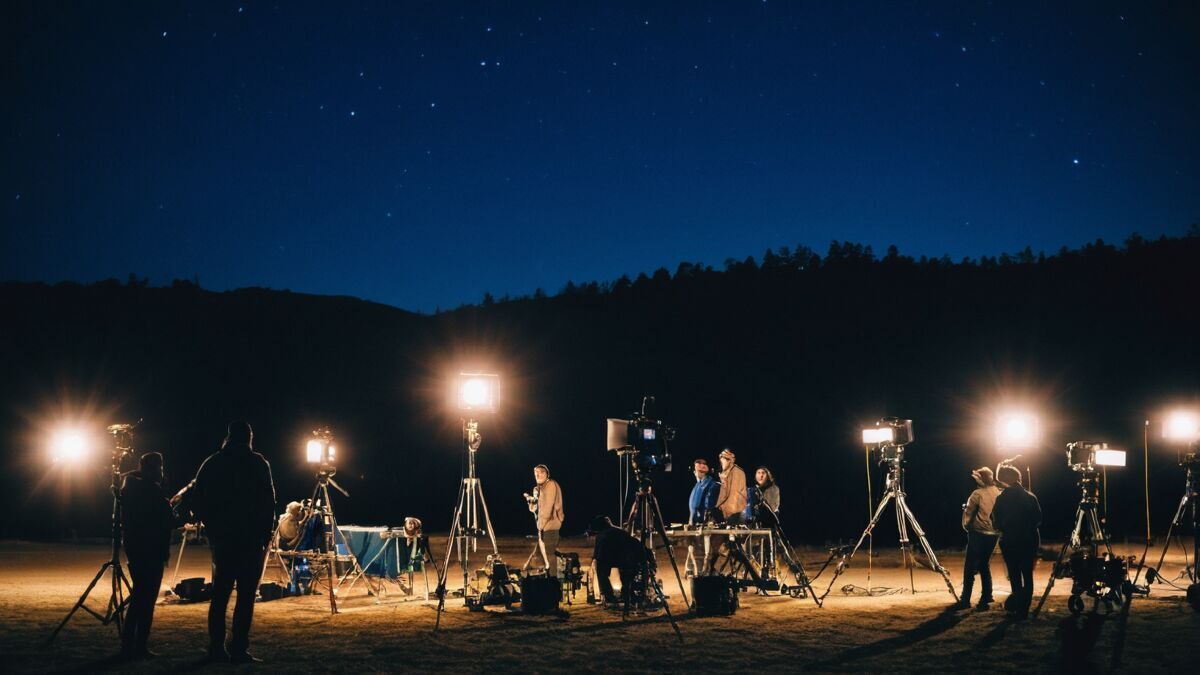
Learn when the clock starts ticking, what constitutes a full shift, and how to handle overtime, standby, and travel to ensure you are paid fairly.

Francis Lawrence adapts Suzanne Collins’s Sunrise on the Reaping with Joseph Zada, Ralph Fiennes and Elle Fanning. It opens on 20 November.
The film co-starring Scarlett Johansson competed at Cannes and opens in US cinemas on 13 November.

The biopic of the coach and broadcaster behind the famous video game series arrives on Prime Video on 18 November, with Christian Bale as Raiders owner Al Davis.

Horror director Ti West adapts Dickens with Rupert Grint, Daisy Ridley and Ian McKellen. Ebenezer opens on 13 November.

Nicholas Hoult, Zoë Kravitz and Pete Davidson star in How to Rob a Bank, from the director of Bullet Train. It opens on 13 November.
 Auditions in India
 Casting calls in USA
 Castingi w Polsce
 Кастинги в Україні
