Essential costume and prop tips every actor should know
Behind the Scenes: Cinema: Essential costume and prop tips every actor should knowCostumes and props are not just decorations surrounding an actor; they are integral tools of the craft. Scene continuity is built upon them, and they are often captured in extreme close-ups. A single mistake can cost the crew a retake or, in some cases, an entire reshoot. However, the rules for handling them are simple and easy to master.
The Fitting
The first meeting with your costume usually happens a few days before filming. The costume designer and the wardrobe assistant will be present, and occasionally the director.
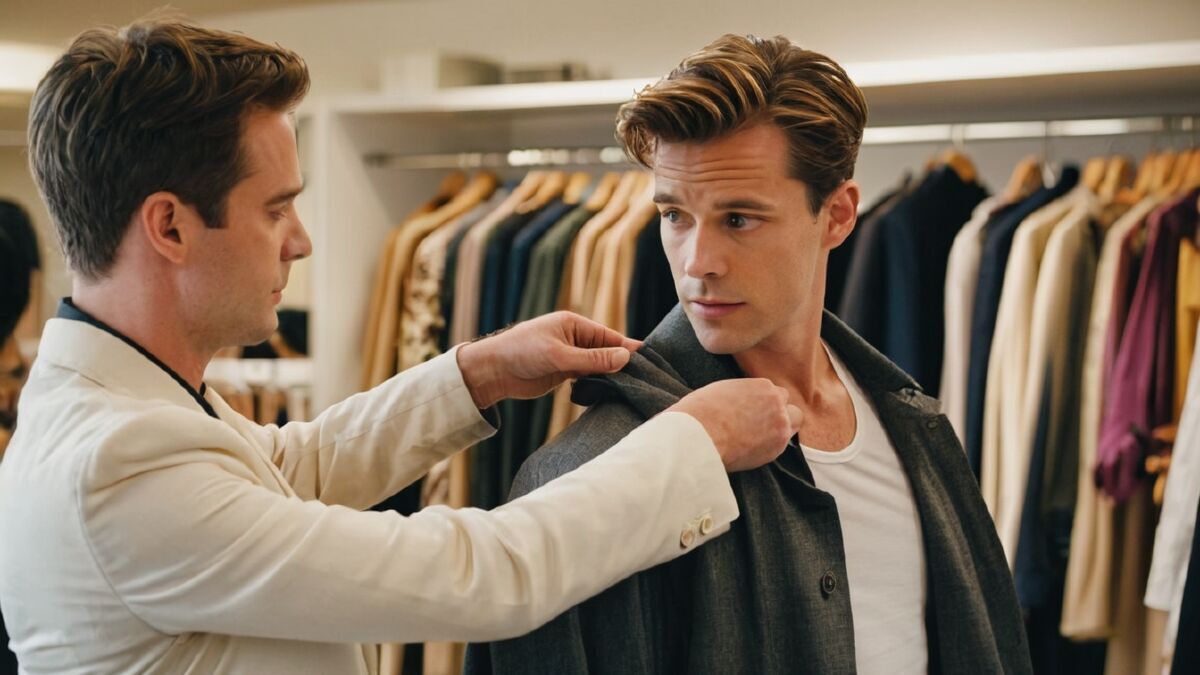
What is expected of you:
- Arrive on time and with a clean body—you will be changing clothes multiple times.
- Wear appropriate undergarments: nude tones under light fabrics and seamless options under tight-fitting clothes.
- Be honest about your measurements in advance so the correct sizes are brought to the set.
- Speak up if something is too tight, chafes, or restricts your movement. Do not suffer in silence: you may have to work in this outfit for twelve hours.
- Demonstrate how you move in the costume: sit, lean, raise your arms, and walk.
What is recorded: Every complete look, including shoes and accessories, is photographed. These photos are then used on set in hubs like Mumbai, Hyderabad, or Chennai to ensure everything remains exactly the same across different shooting days.
Rules for Handling Costumes
- Do not change or adjust your clothes yourself. An unbuttoned button or a rolled-up sleeve is a character choice decided by the wardrobe department, not the actor.
- Do not go to eat while wearing your costume. If permitted, only do so with a protective robe or cover over the outfit.
- Do not smoke in costume. The smell lingers, and some fabrics are impossible to clean.
- Do not sit anywhere randomly. This is especially critical for light-colored fabrics and historical period pieces.
- If you tear or stain something, report it immediately. A hidden stain will appear in a close-up, forcing the entire scene to be reshot.
- Do not take items home. Not even a pair of socks.
- Hand everything in at the end of your shift and ensure the return is formally recorded.
Your Own Wardrobe
For episodic roles, commercials, or junior artiste work, you are often asked to bring your own clothes. The rules are:
- Bring more than requested: two to three options for each item.
- Everything must be ironed and brought in a garment bag or protective cover.
- No logos or recognizable brands—these cannot be shown without legal clearance from the copyright holder.
- Avoid fine stripes or small checks: they cause a "moiré" effect (flickering) on camera.
- Avoid pure white or pure black unless specified: these are difficult to light properly.
- Bring your own footwear as well, as it is often visible in the frame.
Props
Props are divided into two types: set dressing—items that stay in the scene, and hand props—items you hold. Your focus is on hand props, and there are three main rules:
- Take props only from the prop master. Do not pick things up from a table or move them around.
- Return them to their exact spot after the take. The object must be in its original position, otherwise, the next take will not match.
- Do not eat or drink props without permission. Some items are non-edible replicas, and real food is precisely portioned for the number of takes.
Working with Objects on Camera
A common mistake for beginners is treating the prop as something separate from the character. Here is the correct approach:

- Master the object before the take. If your character smokes a pipe, cleans a weapon, or brews tea, practice until the movement becomes automatic.
- Be consistent. Which hand you used, the exact word you spoke when putting the object down, how much you drank—all of this is tracked by the script supervisor and must match perfectly.
- Do not look at the object more than necessary. A person doesn't study their own cup; they use it.
- Hold it so it is visible. If the object is plot-relevant, do not cover it with your palm.
- Check with the prop master about what is allowed. Some items are fragile, one-of-a-kind, or specifically prepared for a single take.
Special Cases
Weapons. Even a prop gun requires a briefing. Never point it at people outside the scene, do not check it yourself, and never take it without the prop master or pyrotechnics expert. These rules are absolute, regardless of experience.
Food on camera. Edible food is calculated: one portion per take. Do not snack between takes and do not chew while the camera is filming a neighboring shot.
Liquids. The level of liquid in a glass is a classic continuity error. Remember exactly how much you drank.
Character phones. These are usually prop phones with a pre-set screen. Do not press anything other than what was agreed upon.
Animals. Only interact through the trainer; do not feed or pet them without permission.
Continuity: Why It Trumps Comfort
Scenes are shot in fragments and often out of order: a wide shot in the morning, a close-up after lunch. Everything must match between them—the position of a collar, the length of a cigarette, the dampness of hair, or which wrist a watch is on.
This is why you must follow the rule: do not change anything yourself. If you unbutton your jacket between takes because of the heat, the scene will not "cut" together. If it is truly necessary, inform the costume designer or the script supervisor, and they will decide.
What to Bring With You
- Various types of undergarments if you know there are multiple looks.
- Your own comfortable slippers or a change of shoes for moving between the set and the makeup room.
- A robe or wrap if you expect long wait times while in costume.
- No personal jewelry: the art director decides which watches, rings, or earrings appear in the frame.
Quick Summary
- At the fitting, be honest about comfort and demonstrate your movement.
- Do not adjust, change, or wear costumes to lunch on your own.
- Take hand props from the prop master and return them to their exact spot.
- Master objects in advance and repeat the action identically in every take.
- Weapons, food, liquids, and animals are handled only through the responsible specialist.
- If you stain or tear something, report it immediately.
Projects currently preparing for production can be found in the castings section.
Share


Author: Vikram Nair, film production writer
Publication date: 15 September 2026
Views: 17
Comments
Other materials in this section
Learn how raw footage is transformed into a final film, why scenes are trimmed or cut entirely, and how to handle the editing process as a professional actor.

From table reads to on-set blocking, learn what is expected of you at every stage, how to prepare, and why rehearsals are more critical than beginners often realize.
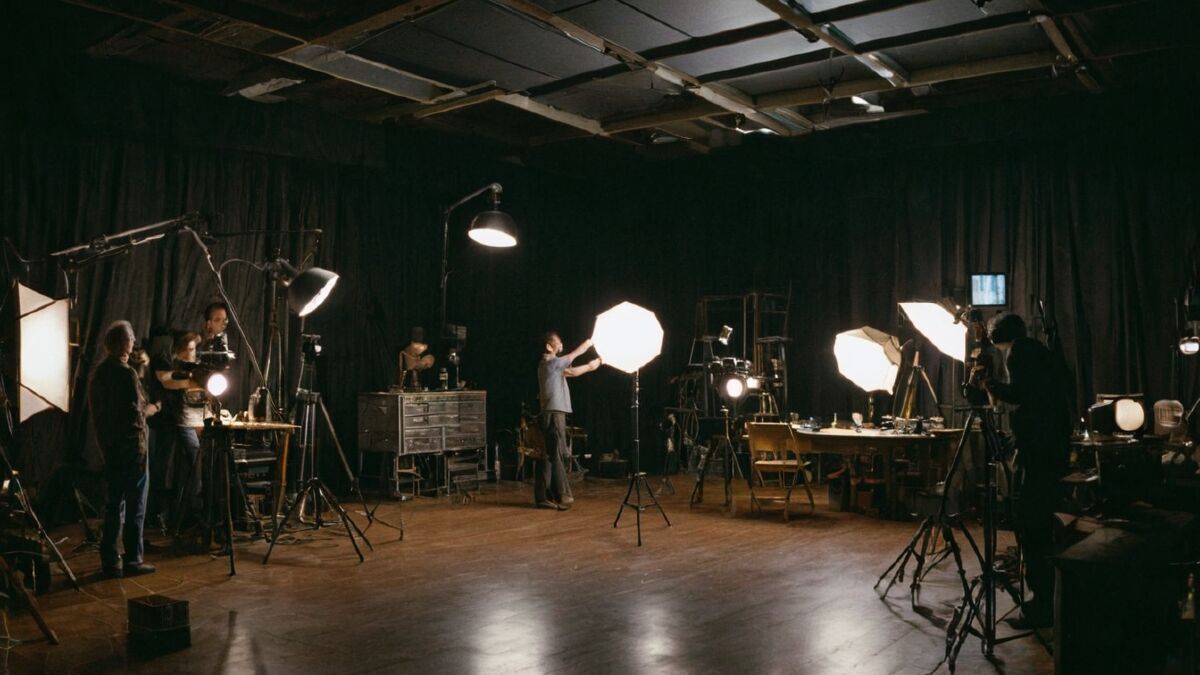
Lighting, sound, pace, and physical conditions differ wildly between a studio set and an on-location shoot. Here is how to prepare for each and how it affects your performance.

A short method for taking a scene apart the night before an audition: what happens, what the character wants and what stands in the way.
A detailed guide to decoding call sheet fields, the difference between call time and shoot time, and how to plan your day on a professional set.
How background work differs from an episodic role, when a line appears, and why the path from crowd work upward does not open for everyone.
 Auditions in India
 Casting calls in USA
 Castingi w Polsce
 Кастинги в Україні
