Breaking down a scene before an audition: event, objective, obstacle
Behind the Scenes: Cinema: Breaking down a scene before an audition: event, objective, obstacle

For an audition you usually get two pages and a day. That is not enough for full character work — there is time for that in rehearsal, and we covered it separately in The Actor's Journey. This is something narrower: a fast action analysis that turns memorised text into played action.
The event: what happens in the scene
An event is the moment after which the situation cannot return to its previous state. Not "they talked", but "he found out he had been cheated". A two-page scene usually holds one or two.
The test takes a minute: say in one sentence how the scene differs at the start and at the end. If there is no difference, you have not found the event yet and you are playing mood instead of story.
The objective: what the character wants from the other person
An objective is phrased as a verb and always points outwards, at another human being. Not "to grieve", but "to force a confession", "to justify myself", "to buy time", "to say goodbye without letting him notice".
The working rule: an objective can be played, a state cannot. "Being upset" cannot be acted at all. "Hiding that I am upset and still getting what I came for" plays from the first second, because the effort is visible.
A scene may hold one main objective and several small ones that change after the event. The change of objective mid-scene is usually its most interesting moment.
Obstacle and stakes
If the character gets what they want straight away, there is nothing to watch. Find the resistance: the other person, the circumstances, lack of time, their own fear, a third party in the room.
Then set the stakes — what the character loses if they fail in this scene. The more concrete the answer, the harder the scene holds. "He loses the job" works better than "he feels bad".
How it looks in one evening
- Read the scene twice without learning any words yet.
- Write down in one sentence what happens in it.
- Add a verb: what I want from the other person.
- Add what stands in my way and what I lose if I fail.
- Mark the point where the objective changes.
- Only now learn the lines.
- Run the scene aloud three times, fighting harder for your objective each time.
Three mistakes visible on tape
- Playing the stage directions. "Sadly", "with a smile" are the writer's suggestion, not an instruction. You play the objective.
- Judging the character. A villain cannot be played — he does not consider himself one. Find his justification.
- A closed outcome. If the ending is obvious from the first line, there is no tension. The character does not know how it ends.
When you only get a fragment
Ask for context: who the character is, what happened before, how the story ends. It is a normal question and professionals ask it. If no answer comes, choose your own version and hold it consistently — an absent decision is worse than a wrong one.
This analysis walks into the room with you even if you never mention it. Open productions are in the castings section.
Share


Author: Alexander Shaida, Editor-in-chief
Publication date: 20 August 2026
Views: 59
About us and our editorial policy
Comments
Other materials in this section

Learn when the clock starts ticking, what constitutes a full shift, and how to handle overtime, standby, and travel to ensure you are paid fairly.

Francis Lawrence adapts Suzanne Collins’s Sunrise on the Reaping with Joseph Zada, Ralph Fiennes and Elle Fanning. It opens on 20 November.
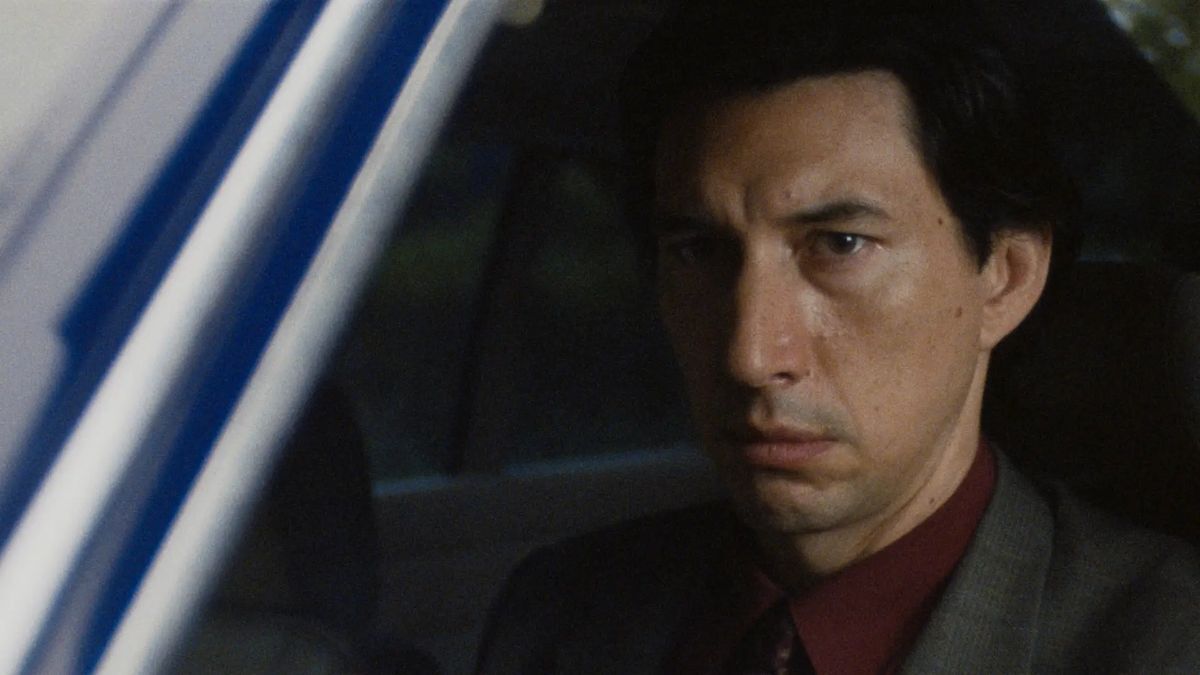
The film co-starring Scarlett Johansson competed at Cannes and opens in US cinemas on 13 November.

The biopic of the coach and broadcaster behind the famous video game series arrives on Prime Video on 18 November, with Christian Bale as Raiders owner Al Davis.

Horror director Ti West adapts Dickens with Rupert Grint, Daisy Ridley and Ian McKellen. Ebenezer opens on 13 November.

Nicholas Hoult, Zoë Kravitz and Pete Davidson star in How to Rob a Bank, from the director of Bullet Train. It opens on 13 November.
 Auditions in India
 Casting calls in USA
 Castingi w Polsce
 Кастинги в Україні
