How to collaborate with your cameraman for a better on screen presence
Behind the Scenes: Cinema: How to collaborate with your cameraman for a better on screen presenceAn actor isn't required to be a technical expert, but understanding the basics of camera operation directly affects how you appear on screen. The difference between an actor who "hits their light and focus" and one who doesn't is obvious in the final edit, and the latter is reshot far more often.
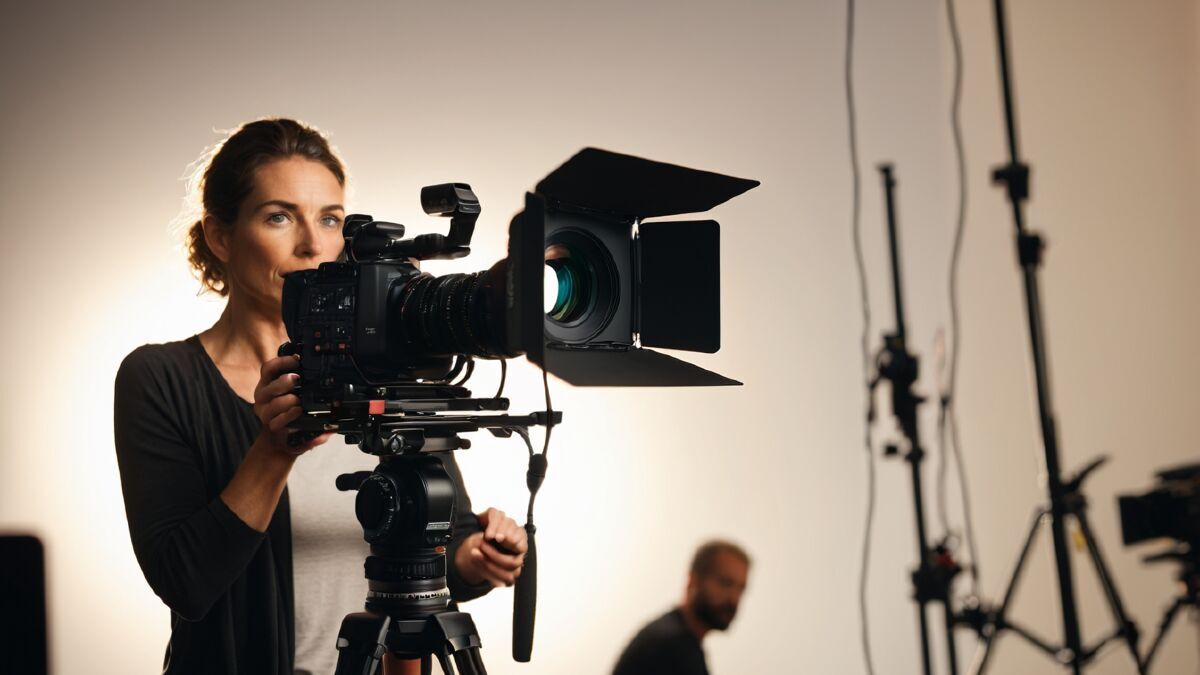
Who is Who in the Camera Crew
- Director of Photography (DP/Cinematographer). Responsible for the overall image: lighting, composition, and camera movement. They usually communicate with the actor through the director.
- First Assistant Camera (1st AC / Focus Puller). Their job is to keep you in sharp focus. They are the ones who place marks on the floor and ask you not to lose them.
- Second Assistant Camera (2nd AC). Handles the clapper board, lens changes, and general technical support.
- Gaffers and Lighting Technicians. Set up and adjust the lighting fixtures.
- Camera Operator/Grip. If the camera is moving—via dolly, crane, or Steadicam—they manage the physical movement.
You will most often hear from the 1st AC: "hit your mark," "don't lean back," or "shift slightly to the right." These are not nitpicks, but direct technical necessities.
Shot Sizes and Their Impact on Acting
A single scene is shot in several scales, and each requires a different approach to your performance.
Wide Shot (Long Shot). Your entire figure and the surrounding environment are visible. Here, the body does the work: gait, posture, and positioning. Subtle facial expressions aren't readable, but any inaccuracy in movement is glaring.
Medium Shot. From the waist or chest up. This is the primary scale for dialogues. Both gestures and facial expressions are visible, so balance is key: your hands should not distract from your face.
Close-Up. The face. The amplitude of everything decreases: gestures almost disappear, and the eyes and micro-movements take over. Close-ups are most frequently used in the edit for key emotional moments.
Extreme Close-Up (Detail). Hands, an object, or a specific part of the face. This requires precision of movement and is often shot separately, sometimes even without you being fully present.
Practical rule: the closer the shot, the less you do. The same scene played with the same intensity in a wide shot and a close-up will look "overacted" in the close-up.
Marks: Why They Are Not a Minor Detail
A mark is a spot on the floor, usually a piece of tape, where you must stand. These are set during blocking for a specific shot.
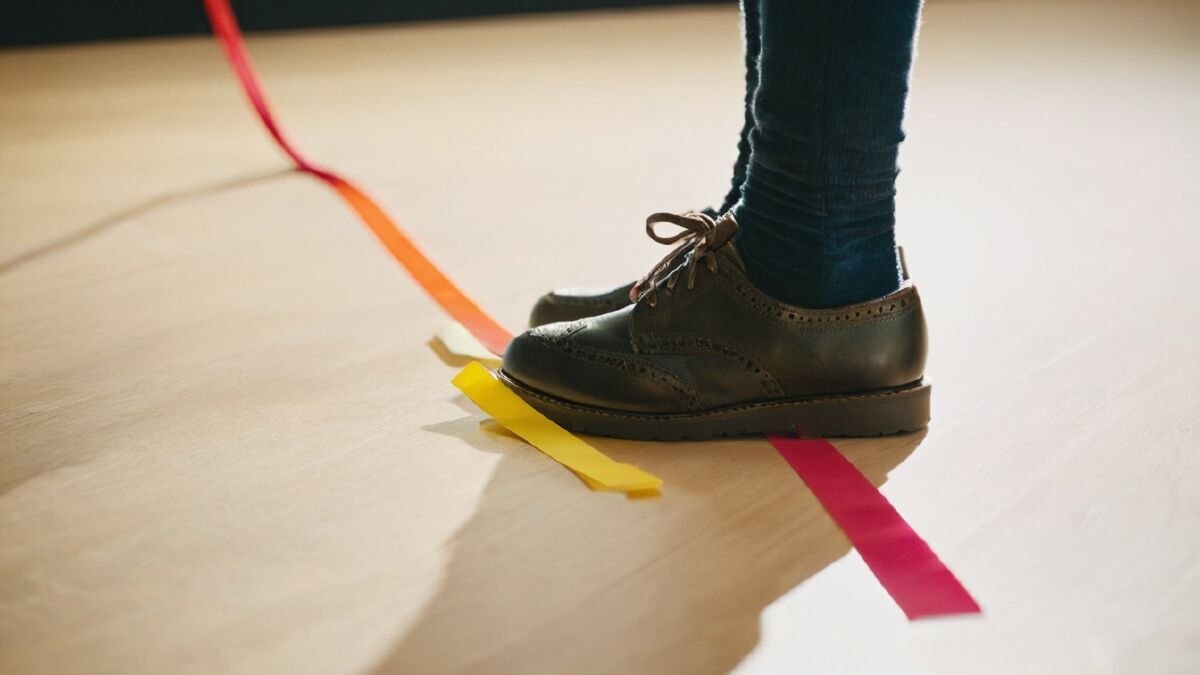
What depends on the mark:
- Focus. Sharpness is set for a specific distance. Half a step forward, and your face becomes blurred.
- Light. Fixtures are aimed at a specific point. One step to the side, and you are in the shadows.
- Composition. The frame is constructed around your position.
- Continuity. In a different shot size, you must be in the exact same spot for the scenes to match.
How to hit your mark without looking at your feet:
- Find a spatial reference. The edge of a table, a chair leg, or a corner of a rug—something you can see in your peripheral vision.
- Count your steps. A fixed number of steps from the starting point to the mark.
- Feel it with your foot. Sometimes markers are placed that can be felt through the sole of the shoe.
- Rehearse during blocking several times. This is exactly what blocking is for.
If you miss your mark, do not look down or correct yourself abruptly. Finish the take, then speak up. A sudden movement ruins a take more than a slight inaccuracy does.
Lighting: How to Stay in the Light
Lighting is set for a specific position; a slight turn of the head can change the entire look of your face.
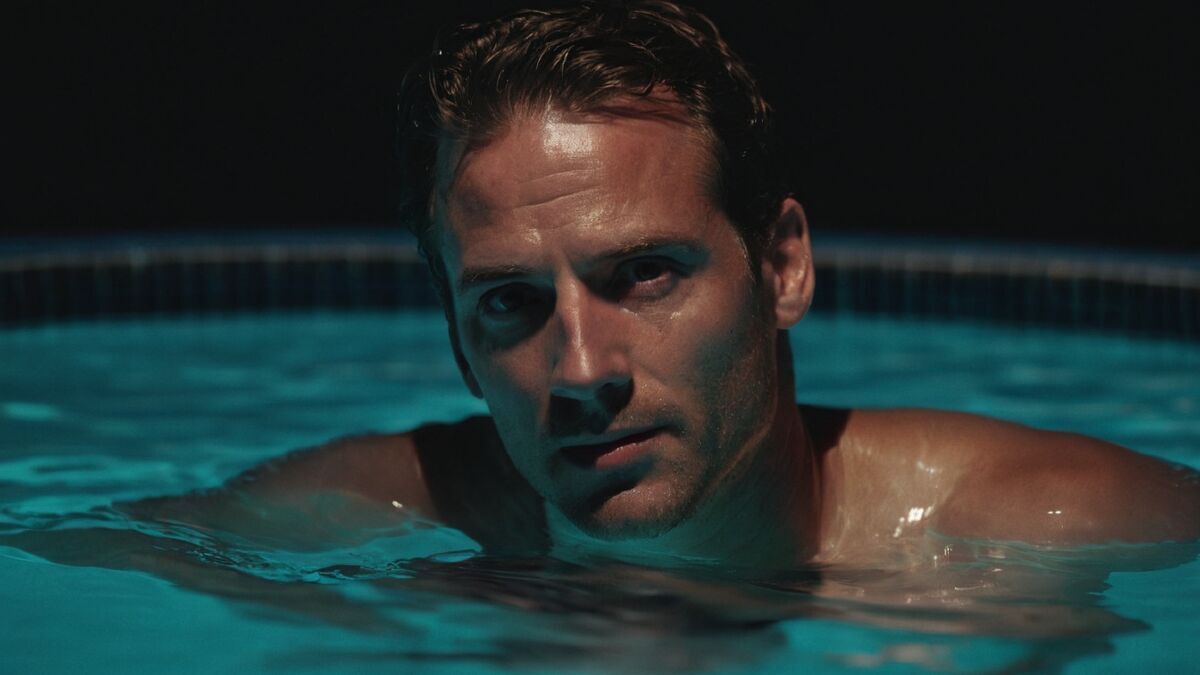
- Locate the source. Look around before the take and remember where the primary light is coming from.
- Keep your face toward it. Not literally, but be mindful of its position.
- Do not step back. Light intensity drops sharply with distance.
- Watch your own shadows. Your hand or shoulder might block the light hitting your partner's face.
- Ask. "Am I in the light?" is a perfectly normal question for an assistant.
If you feel the light is shining directly into your eyes and you are squinting, say so. Squinting in a close-up ruins the shot, and it is a solvable problem.
Movement in the Frame
- Move slower than in real life. Especially head turns: sudden movements in a close-up can cause motion blur.
- Start your movement after the command, not simultaneously with it.
- Do not exit the frame unexpectedly. If the scene requires you to leave, clarify the direction.
- Maintain a steady pace when walking. The operator is tracking you, and sudden acceleration throws them off.
- Do not step on cables and do not walk behind the camera.
If the camera is moving with you, you are not the one setting the pace; usually, you'll be asked to walk slightly slower than is natural.
Eye-lines and Direction
This is one of the few technical areas where a mistake can break the entire edit.
- Keep your eye-line consistent. If you looked at your partner to the right in the wide shot, you must look to the right in the close-up.
- Do not look into the lens unless specifically asked to.
- When shooting a close-up without a partner, you will be given a reference point next to the camera—stick to it.
- The eye-level must correspond to the height of your partner, even if they aren't there.
Repeatability (Continuity)
This is a requirement driven by the camera. Scenes are shot in pieces, and those pieces must stitch together perfectly.
What you must repeat identically in every take and every shot size:
- Which hand is holding the object.
- On which word a specific movement occurs.
- Where you are looking at every moment.
- Body position at the start and end of the shot.
- The tempo of lines and pauses.
The script supervisor tracks this, but don't rely on them alone: your own memory of your movements is more accurate.
What Helps the Crew (and Benefits You)
- Stay still while lighting is being set if asked. It's boring and takes time, but the alternative is poor lighting on your face.
- Do not change your hair or costume between takes without notifying the department.
- Warn the crew about sudden movements you plan to add to your performance.
- Maintain clean "ins and outs"—a second of stillness before and after the action.
- Do not ask "how do I look" during the actual work.
What Not to Do
- Looking at the monitor without an invitation. This is acceptable on some projects, but on most, it is not.
- Discussing your "best angles" with the cinematographer. "I look better from the left" is a phrase that makes you harder to work with.
- Adjusting for the camera at the expense of the scene. If you are playing to the lens instead of your partner, it is obvious.
- Improvising movement. The blocking is designed specifically for the frame.
That said, knowing your strengths is useful. Just communicate them during auditions or through the director, not to the cinematographer on set.
Quick Summary
- The closer the shot, the smaller the amplitude of movement.
- The mark determines focus, light, and composition—hit it using references, not by looking down.
- Locate the light source before the take and do not step back.
- Your eye-line must be consistent across all shot sizes.
- Repeatability of movement is a technical requirement for editing, not a nitpick.
- If you miss a mark, finish the take and mention it after; do not correct yourself abruptly.
- Questions about angles are solved before the shoot, not with the cinematographer during work.
Find current productions in the castings section.
Share


Author: Alexander Shaida, Editor-in-chief
Publication date: 23 November 2026
Views: 43
About us and our editorial policy
Comments
Other materials in this section
Timothée Chalamet’s Paul Atreides is now a ruthless emperor and Robert Pattinson plays the villain. The film opens on 18 December, exclusively in IMAX for three weeks.

The Russo brothers bring together heroes from three universes, including the Fantastic Four and Fox’s X-Men. The film opens on 16 December in the UK and 18 December in the US.
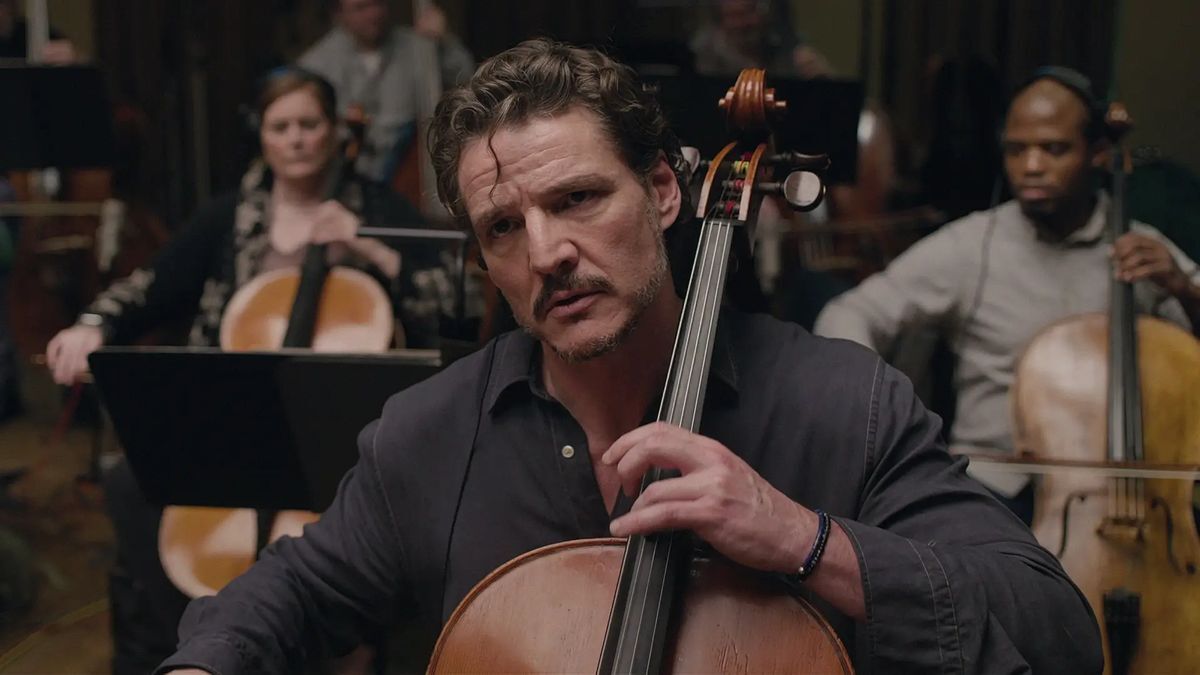
The creator of Andor makes his first feature in 14 years, with a score written by nine composers. The film opens in the US on 4 December.
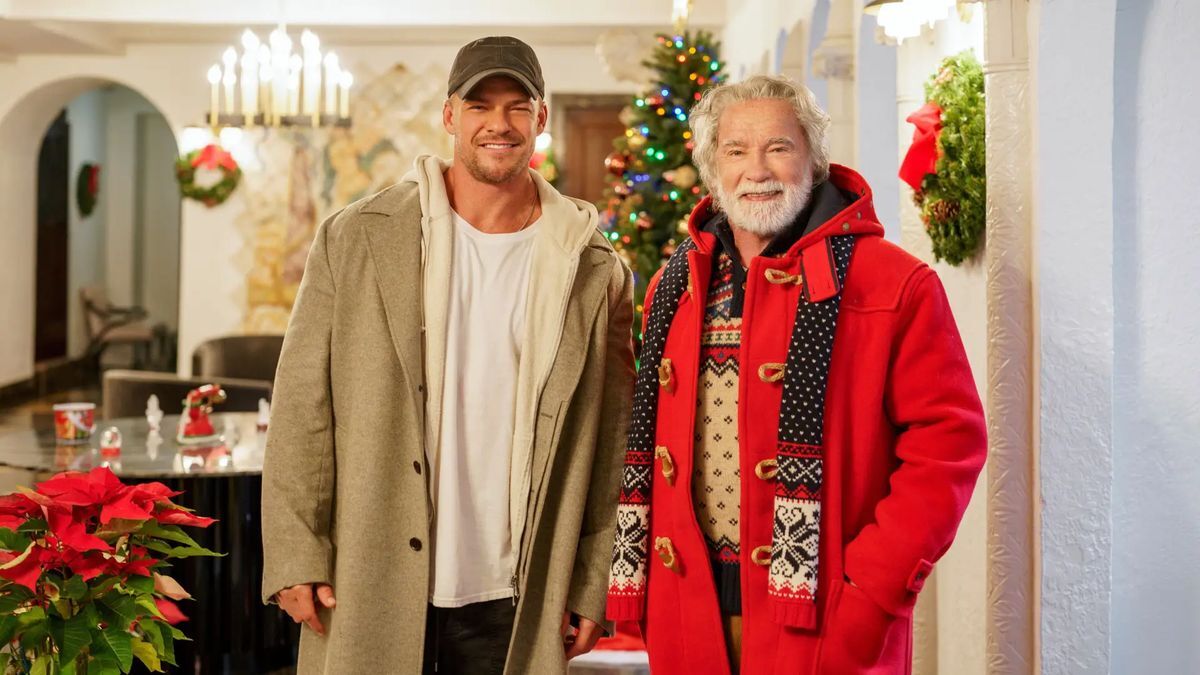
In The Man with the Bag, Santa teams up with a small-time thief played by Alan Ritchson to rob the elf who stole the presents. It premieres on Prime Video on 2 December.
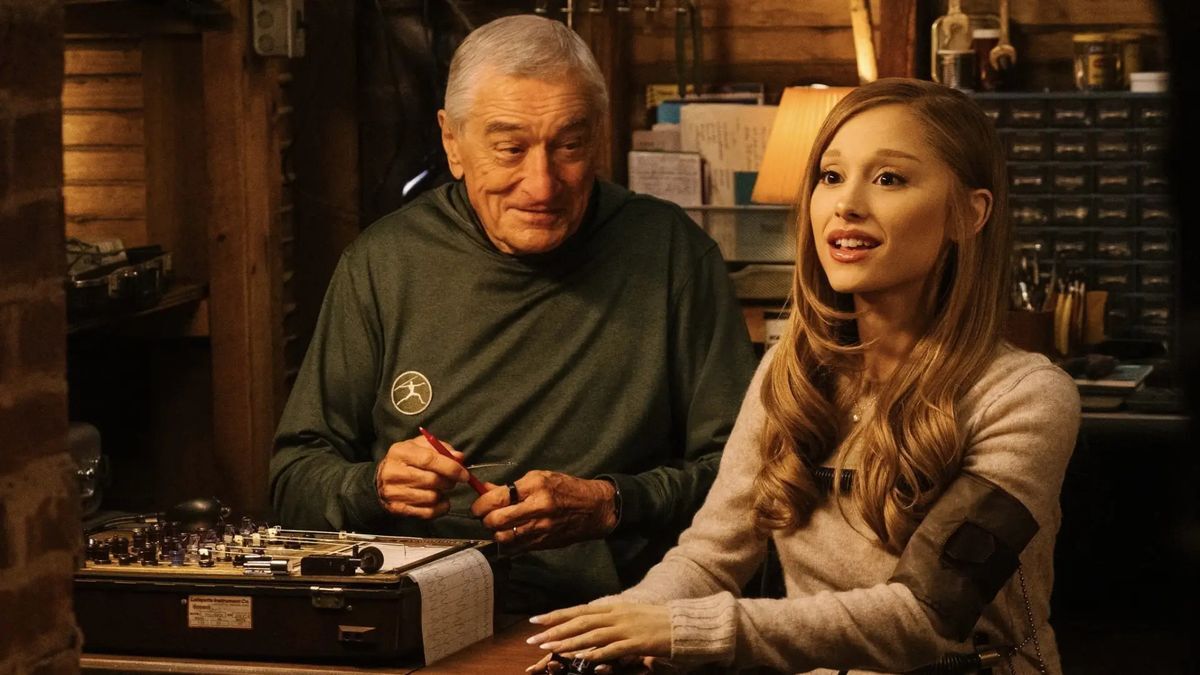
Sixteen years after the third film, Robert De Niro, Ben Stiller and Owen Wilson return to the comedy series, with Ariana Grande as the Fockers’ prospective daughter-in-law.
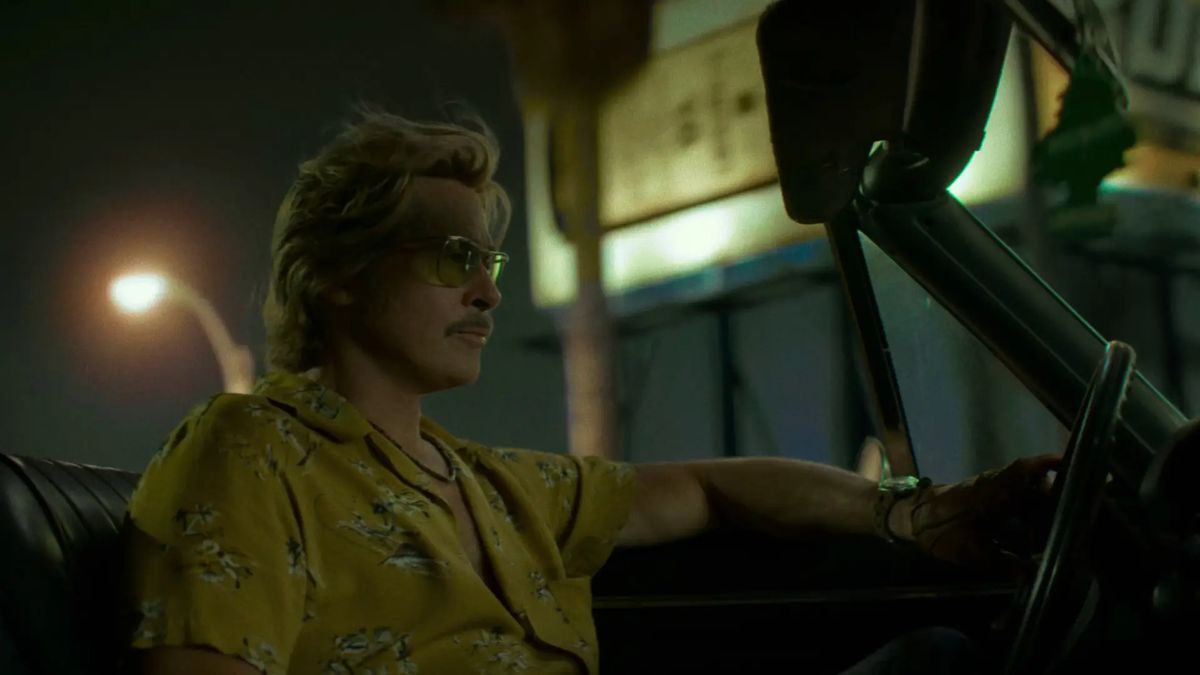
Brad Pitt returns as stuntman Cliff Booth in a $200 million Netflix film that plays only in IMAX from 25 November before streaming on 23 December.
 Auditions in India
 Casting calls in USA
 Castingi w Polsce
 Кастинги в Україні


