Coming out of a role: why a demanding project needs its own recovery
Behind the Scenes: Rest and Recovery: Coming out of a role: why a demanding project needs its own recovery

Preparing for a role is discussed constantly; coming out of one, almost never. Yet that stage usually happens by accident: the project ends, the actor returns to ordinary life, and a week later discovers irritability, disturbed sleep and a strange emptiness.
Why the state stays
Work on a demanding role means weeks of deliberately holding a particular state: fear, anger, grief, dependency. The nervous system does not separate a "real" experience from a "played" one as cleanly as we would like — the physiology fires the same way.
Add irregular sleep, long shoot days and constant mobilisation before takes, and it becomes clear why the final shot brings no automatic relief.
Signs that coming out needs its own attention
- Sleep does not return to normal within a few days of wrapping.
- A background irritability or low mood persists without an obvious cause.
- The character's thoughts and speech patterns surface in everyday situations.
- You cannot engage with new material — it feels empty.
- People close to you say you have changed and you cannot see it.
These are not signs of weakness and they are not rare — they are an occupational risk that the industry has only recently started discussing openly.
What actually helps
Physical load of a different kind. The body leaves a state faster than the mind and pulls it along. Anything demanding coordination and attention works: swimming, running, dance, climbing. What matters is that the load differs from what set demanded.
A change of surroundings. Even a few days elsewhere breaks the context. It is not the distance that helps but the change of setting, sounds and daily order.
People outside the industry. Conversations that do not cover the project, the role and what is next. Talking about the shoot sustains the state you are trying to leave.
A closing ritual. It sounds naive and works reliably: put away the costume and props, close the folder of materials, tidy the annotated script. A clear full stop helps the mind register the end.
Work with your hands. Cooking, repairs, a garden — anything with a visible result the same day. After months of work whose result you will see in a year, it restores a sense of ground.
What not to do
- Move straight into another heavy project. The temptation is strong, especially when offers come rarely, but two emotionally demanding roles back to back is the shortest route to burnout.
- Take the edge off with alcohol. It gives an appearance of release and damages sleep — the one resource that actually restores you.
- Ignore it. "It will pass" works after light projects and does not after heavy ones.
When to see a professional
If the state persists beyond a few weeks, interferes with sleep and work, or the material of the role touches your own difficult experience, that is a reason to speak to a psychologist or psychotherapist. On large productions with heavy material, having a specialist available is becoming standard, and asking for that support is a mark of professionalism rather than a problem.
In short
- Coming out of a role is a separate stage of the work, not a gap between projects.
- Plan time for it as you would for preparation.
- What works is physically and socially unlike shooting.
- The closing point should be explicit.
- A state that drags on is a reason to ask for help, not to endure it.
Share


Author: Nisha Verma, editor
Publication date: 24 August 2026
Views: 37
Comments
Other materials in this section
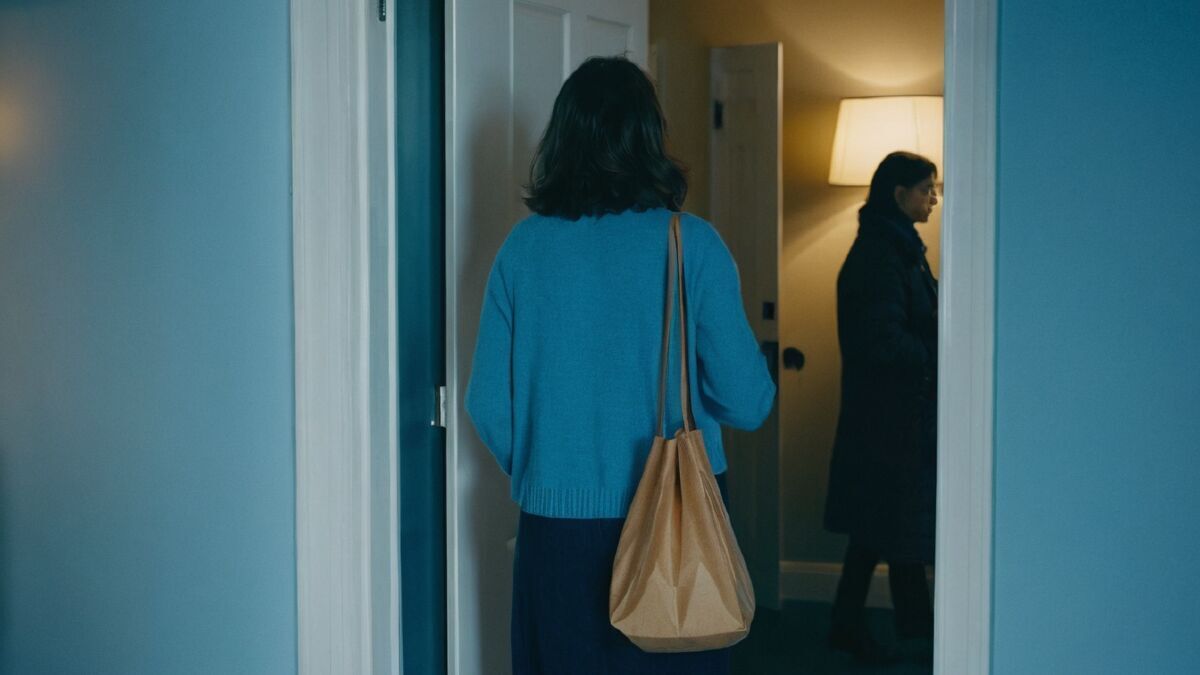
Why production work can strain family relationships, how to manage shifting plans, handle fluctuating finances, and leave your character at the door.

What to do when shoots disappear for months: how to distinguish a market lull from a systemic problem, how to use your time productively, and how to manage finances without losing your edge or connections.

Why it is more prevalent in acting and modeling than anywhere else, how to distinguish it from a realistic self-assessment, and practical steps to manage it.

Twelve-hour days, night shifts and weeks of waiting — why this profession exhausts people through unevenness, and what to do about it in practice.

Why nervousness is normal and even beneficial, and how to manage it a day, an hour, and a minute before stepping into the room.
 Auditions in India
 Casting calls in USA
 Castingi w Polsce
 Кастинги в Україні
