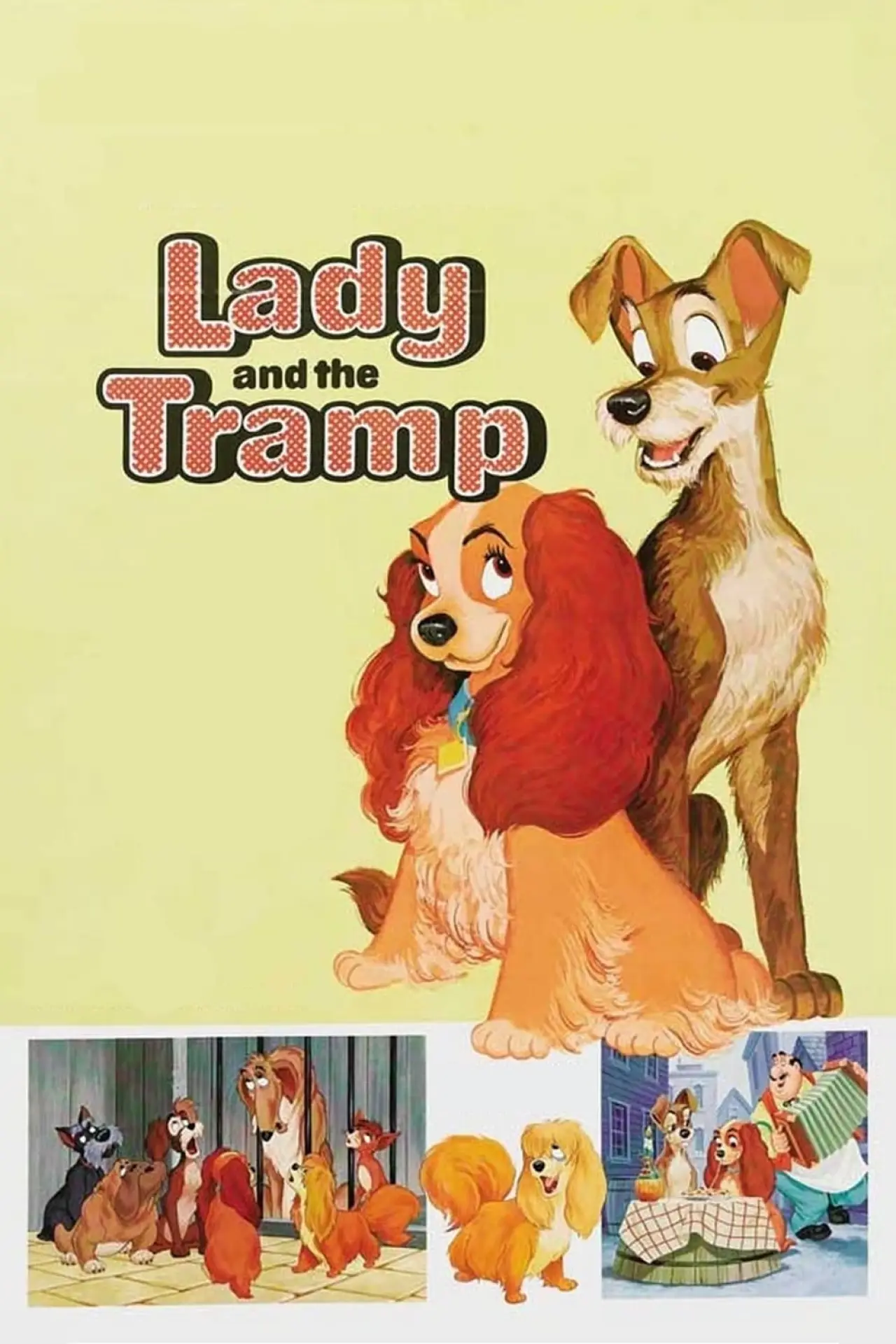
Lady and the Tramp





Short description
Lady and the Tramp is an animated romance about two dogs from very different worlds. Lady, a cocker spaniel, lives a comfortable life as the cherished pet of a young couple. When a baby arrives and the household's attention shifts, she feels pushed aside, and a muzzle fitted to her collar finally drives her from home. On the streets she meets Tramp, a stray with no pedigree but plenty of street sense, who shows her a freer and more hazardous way of life. Their growing bond is set against the pull of the family and home she left behind.
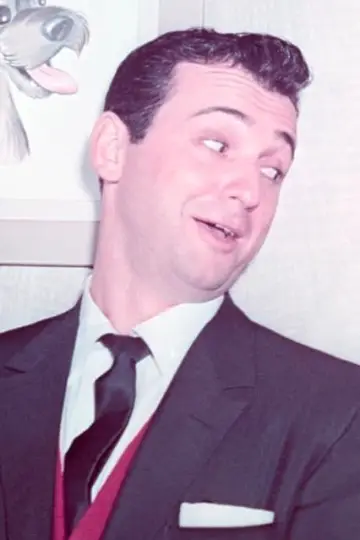
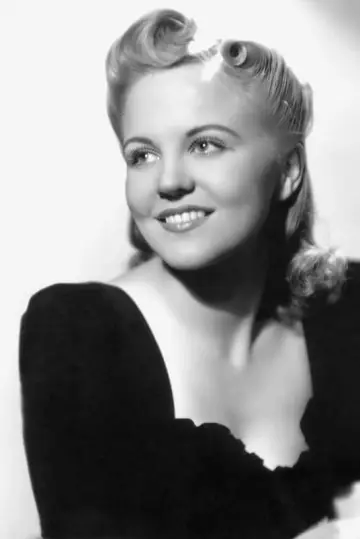
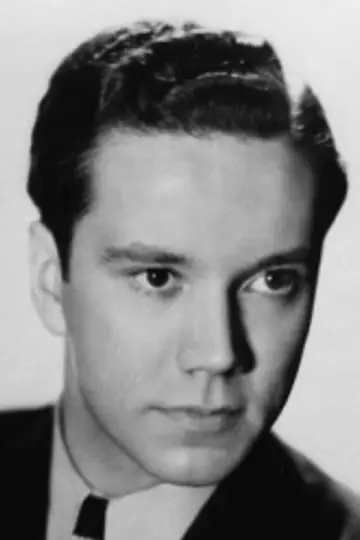
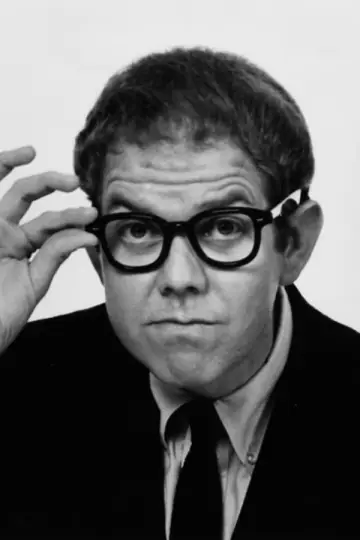
The film was directed by Hamilton Luske, Wilfred Jackson and Clyde Geronimi, working from a screenplay by Don DaGradi, Frank Tashlin and Erdman Penner, with Walt Disney producing. It followed Peter Pan in 1953 for all three directors and came before One Hundred and One Dalmatians for Luske and Sleeping Beauty for Geronimi. The voice cast includes Barbara Luddy as Lady, Larry Roberts as Tramp and Peggy Lee in several roles, among them the cats Si and Am.
Produced by Walt Disney Productions on a budget of about four million dollars, it took roughly thirty-six million worldwide. On IMDb it holds 7.3 from about 161,000 votes, and on TMDB 7.1 from around 5,751 votes. A critics' rating of 8.3 from 46 reviews sits above both audience scores.
What's left behind the scenes
- The original ending of the cartoon was much more tragic – Trusty died trying to stop the crew with Tramp, heading to the dog pound. However, Walt Disney, not wanting a repeat of the events associated with "Bambi," "resurrected" Trusty in the final scene, making it clear that he had only broken his leg.
- Many significant figures at the Disney company, including Walt himself, admitted that "Lady and the Tramp" was the first cartoon to explicitly imply a romantic scene. The situation was complicated by the fact that, formally, according to the plot, Lady and Tramp were not married – and any elements of "premarital sex" in cinema at that time were not approved by Hollywood. "Lady and the Tramp" was an exception, and not least because the main characters were not people, but dogs.
- Judging by the second animated film, the first one begins around December 24, 1908 – and ends around December 24, 1910.
- Some secondary characters underwent significant changes during the production of the cartoon. For example, the Siamese cats Si and Am were originally planned as much more sinister characters with a racist subtext. Aunt Sarah, on the other hand, was initially portrayed as a harsh, tyrannical mother-in-law without a single positive quality. The Rat, embodying evil in the cartoon, was originally a comedic character.
- Posters hang near the back entrance of Tony's Restaurant indicating a possible date and time for the events in the animated film – "OPEN HOUSE Apr 26-27 UNCLE TOMS CABIN" ("Open House April 26-27…") and "UNCLE TOMS CABIN opera HOUSE aug. 6-8" ("Opens at the Opera House August 6-8").
- Initially, Lady had only one dog neighbor named Hubert, but Hubert was later replaced by Jock and Trusty.
- Lady and the Tramp was the first animated film in CinemaScope format (a widescreen theatrical standard with an aspect ratio of 2.55:1). However, the cartoon was initially developed in Disney's usual 4:3 format, and it was only later decided to switch to the increasingly popular CinemaScope (although a 4:3 version also gained some distribution). As a result, artists had to hastily redraw (expand) the backgrounds and change the configuration of scenes. Indirect evidence that the cartoon was not originally intended for widescreen is the high static nature of the backgrounds and the concentration of action in the right, left, or central parts of the scenes.
- The hyena's laugh was later reused at Disneyland on the “It’s a small world” attraction, as well as in a series of PlayStation video games, “Crash Bandicoot”.
- There is a legend that the beginning of "Lady and the Tramp" – the Christmas gift scene – has a real basis. According to this legend, Walt Disney forgot about his date with his wife and, wanting to make amends, gave her a puppy. However, the veracity of this story is highly questionable – it is more likely that the legend was invented for the public after Joe Grant, the original inspiration, left the studio.
- The beaver from “Lady and the Tramp” served as the prototype for another classic Disney character – the whistling groundhog from “Winnie the Pooh”.
- Sarah and her "little angels" are an allusion to the novel Jane Eyre (the heroine's aunt has the same name).
- Jock, Peg, and Trusty were spotted in the animated film "Oliver & Company" (1988) at 00:11:21.
- There are several deleted scenes that have never been released. The first of these is "Lady's Nightmare" – her fear of a human child manifested as a "parade of baby shoes" (similar to the parade of pink elephants in "Dumbo"). Another deleted scene of particular interest is the episode with the "world of dogs" – Tramp's dreams of an alternate reality where dogs are the masters of people, and not the other way around.
- The final version differs slightly from the planned one. The initial plot (1930s – early 40s) did not feature the Tramp character as he appears in the cartoon. According to one account, the story focused on Lady and her two suitors – a Russian wolfhound named Boris and a stray dog named Homer, with Siamese cats and a rat serving as the main antagonists. Later, the wolfhound Boris does appear in the cartoon as a minor character. The Tramp didn't receive his name immediately – before that he was called Bozo, Rags, and Homer.
- One of the cartoon's music composers, jazz singer Peggy Lee, later filed a lawsuit against Disney Studios. In 1991, she managed to recover $2.3 million in compensation from the studio.
- The cartoon's popularity led to the publication of a series of comics, “Scamp,” which told about the adventures of Lady and the Tramp's puppy. The comics were published from 1955 to 1988, and later a sequel to the film, “Lady and the Tramp II: Scamp’s Adventure” (2001), was made based on these comics.
- The scene with the romantic dinner in the back of Tony's restaurant was used in the parody film "Hot Shots! 2" (1993) with Charlie Sheen and Valeria Golino, in the film "101 Dalmatians" (1996), in the animated film "The Emperor's New Groove 2: Kronk's New Groove" (2005), and in the film "Underdog" (2007).
- Animator Wolfgang Reitherman observed live rodents while working on the climactic scene of the cartoon – the scene of Tramp's battle with the rat.
Similar movies


 Auditions in India
 Casting calls in USA
 Castingi w Polsce
 Кастинги в Україні
