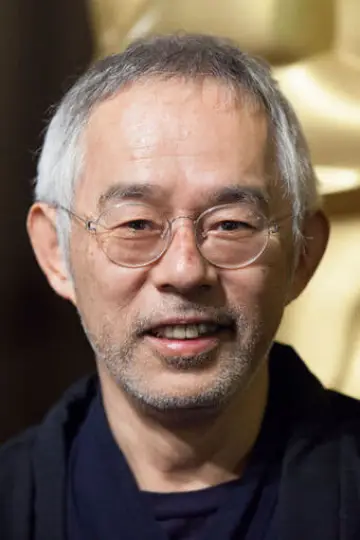
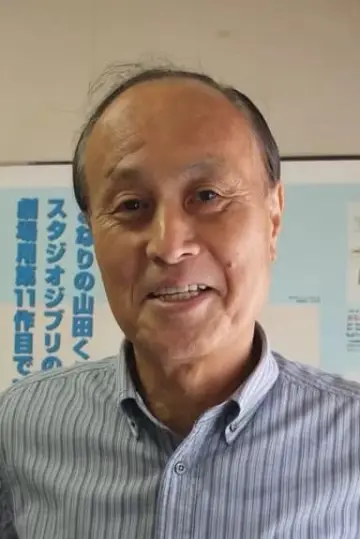
Castle in the Sky - crew, film crew

The entire team, the film crew of the film "Castle in the Sky"
天空の城ラピュタ (1986)
Timing: 2:5 (125 min)
Castle in the Sky - TMDB rating
8/10
4641
Castle in the Sky - Kinopoisk rating
8.286/10
101361
Castle in the Sky - IMDB rating
8/10
197000

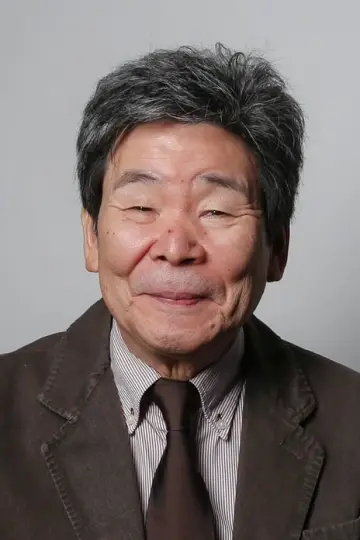
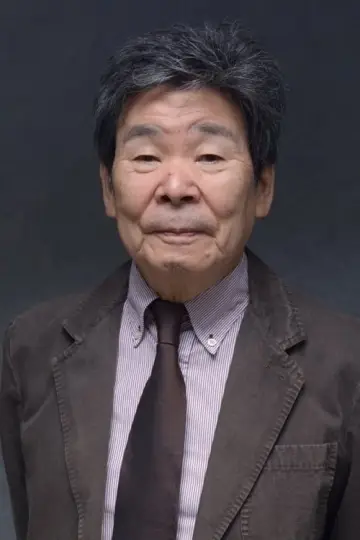
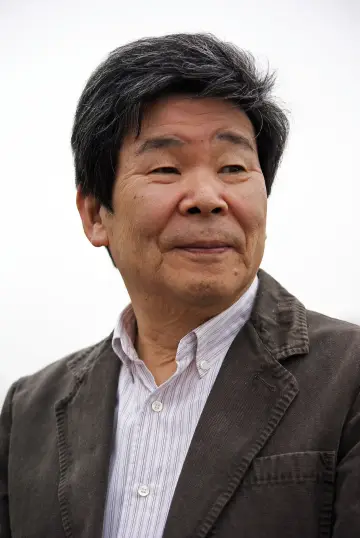
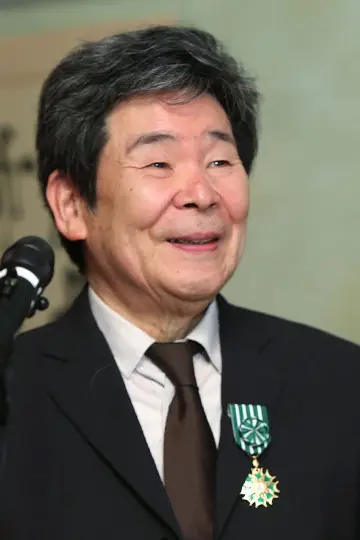
Film crew

Director

Producer
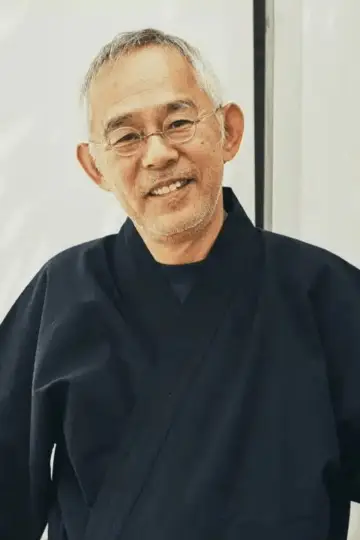
Executive Producer
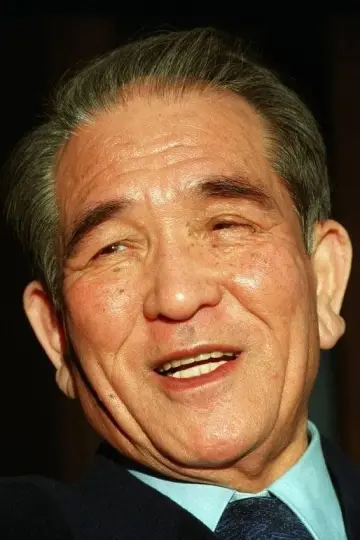
Hideo Ogata
Executive Producer
Tatsumi Yamashita
Executive Producer

Tooru Hara

Tooru Hara
Executive Producer

Writer

Editor

Yoshihiro Kasahara
Editor

Art Direction

Toshio Nozaki
Art Direction

Original Music Composer
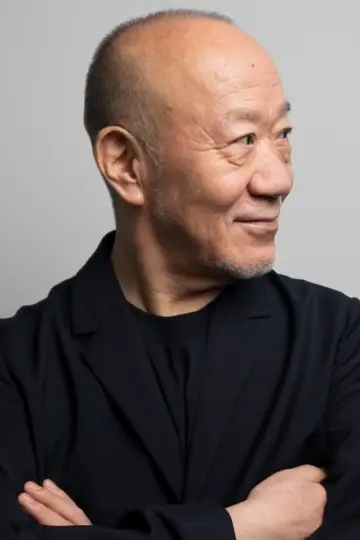
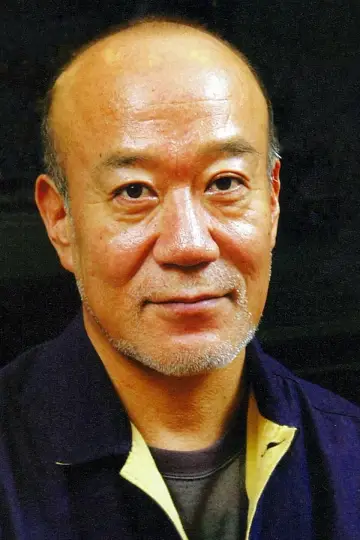
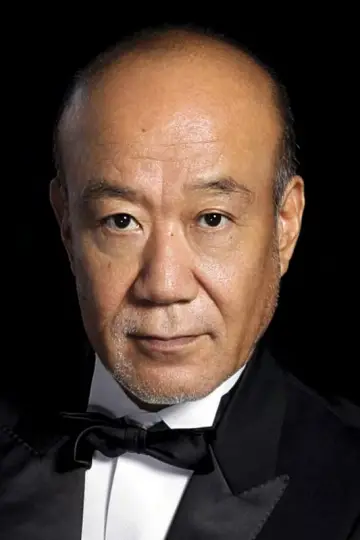
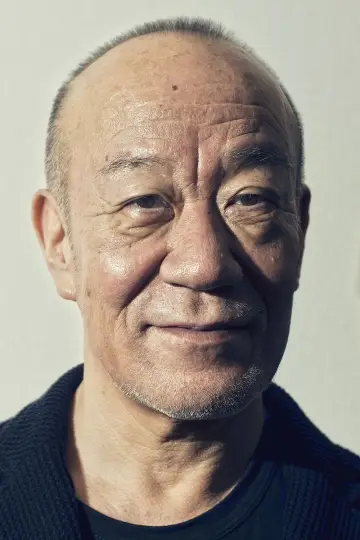
Photo Joe Hisaishi #20316Photo Joe Hisaishi #20317Photo Joe Hisaishi #20318Photo Joe Hisaishi #327620

Joe Hisaishi

Joe Hisaishi
Original Music Composer

Director of Photography

Hirokata Takahashi
Director of Photography

Musician

Asuka Kaneko
Musician
Shin Kazahara
Musician
Takashi Tsunoda
Musician

Sound Effects Editor

Hironori Ono
Sound Effects Editor

Lead Animator

Sound Mixer

Shuji Inoue
Sound Mixer

Production Manager

Tooru Hara

Tooru Hara
Production Manager

Screenplay

Special Effects

Go Abe
Special Effects
Shinji Teraoka
Special Effects

Songs
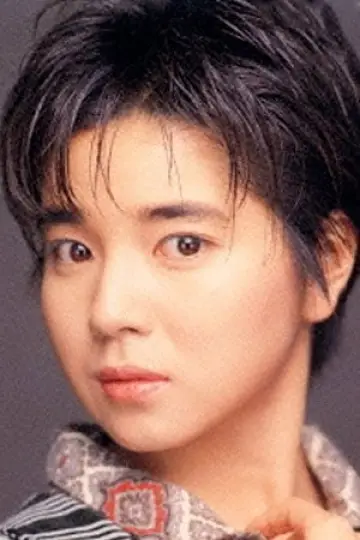
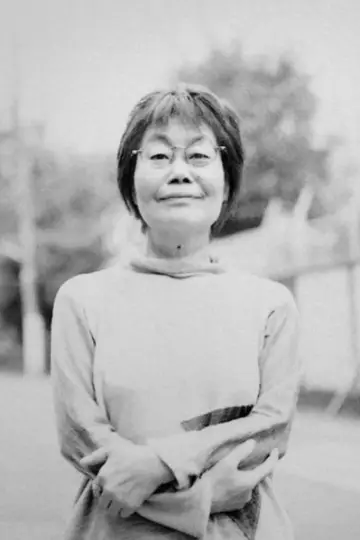
Photo Yoko Obata #263832
Yoko Obata
Songs

Assistant Director

Tetsu Kimura
Assistant Director
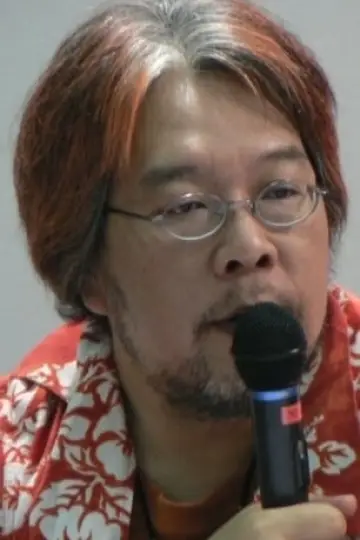
Photo Umanosuke Iida #109594
Umanosuke Iida
Assistant Director

Norihiko Sudo

Norihiko Sudo
Assistant Director

Music Editor

Masayoshi Okawa
Music Editor

Other

Tatsumi Yamashita
Other
Hideo Ogata
Other
Noriko Takaya
Other
Naoyuki Oshikiri
Other

Production Assistant

Naotake Furusato
Production Assistant
Masashi Atami
Production Assistant
Toshitsugu Hara
Production Assistant
Kaoru Mutô
Production Assistant
Hirokazu Kihara
Production Assistant
Hirokatsu Kihara
Production Assistant

Animation Director

Tsukasa Tannai
Animation Director

Color Designer
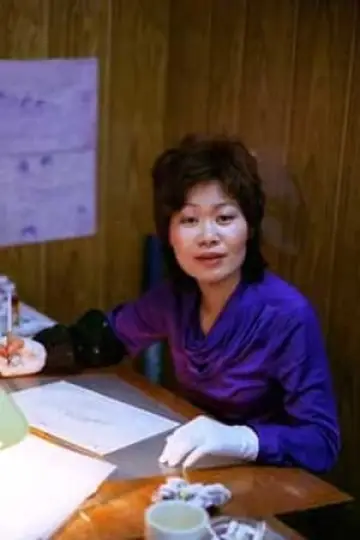
Original Story

Background Designer

Mutsuo Koseki
Background Designer
Katsu Hisamura
Background Designer
Yamako Ishikawa
Background Designer
Kazuhiro Kinoshita
Background Designer
Kiyomi Oota
Background Designer
Masaki Yoshizaki
Background Designer
Kumiko Iijima
Background Designer

Sound Effects

Kazutoshi Sato
Sound Effects
Hironori Ono
Sound Effects

Key Animation
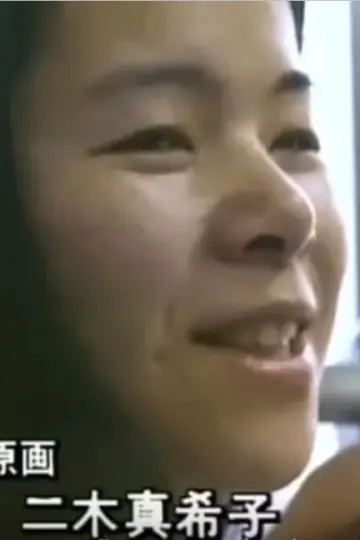
Makiko Futaki
Key Animation
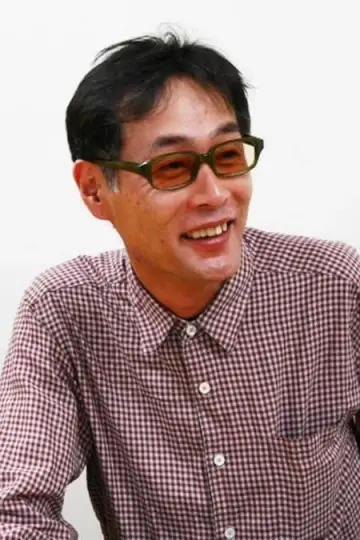
Photo Hirotsugu Kawasaki #21380
Hirotsugu Kawasaki
Key Animation
Kazuhide Tomonaga
Key Animation
Osamu Nabeshima
Key Animation
Kazuyuki Kobayashi
Key Animation
Megumi Kagawa
Key Animation
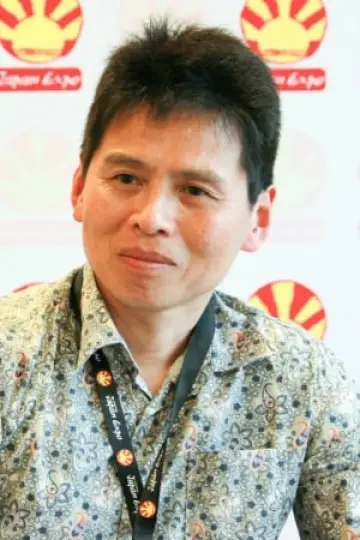
Shinji Otsuka
Key Animation
Toshio Kawaguchi
Key Animation
Noriko Moritomo
Key Animation
Masako Shinohara
Key Animation
Atsuko Otani
Key Animation
Yasuhiro Nakura
Key Animation
Michiyo Sakurai
Key Animation
Toyoaki Emura
Key Animation
Tadashi Fukuda
Key Animation

Sound Director
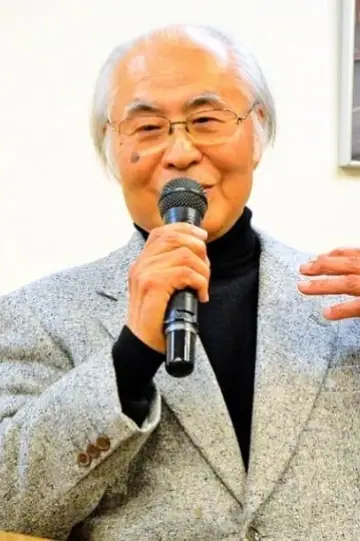
Dolby Consultant

Mikio Mori
Dolby Consultant

Compositing Lead

Koji Shiragami
Compositing Lead
Hirokata Takahashi
Compositing Lead

Compositing Artist

Yoshiaki Yasuhara
Compositing Artist
Yukio Miyajima
Compositing Artist
Taizo Matsuzaki
Compositing Artist
Yasuyoshi Toyonaga
Compositing Artist
Izumi Kasama
Compositing Artist
Hajime Noguchi
Compositing Artist
Takahisa Ishizuka
Compositing Artist
Toshiyuki Fukushima
Compositing Artist

Theme Song Performance

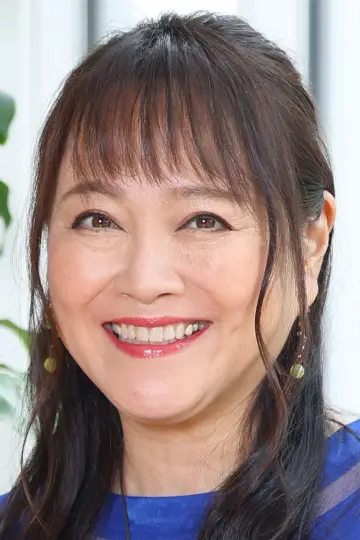
Photo Azumi Inoue #372086Photo Azumi Inoue #372087Photo Azumi Inoue #372088Photo Azumi Inoue #372089
Azumi Inoue
Theme Song Performance

Original Film Writer

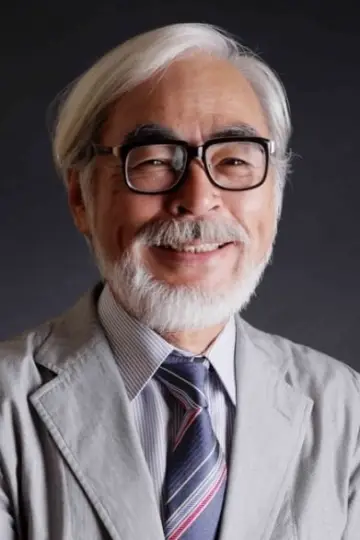
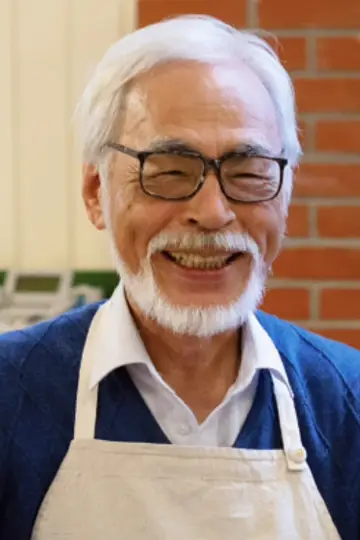
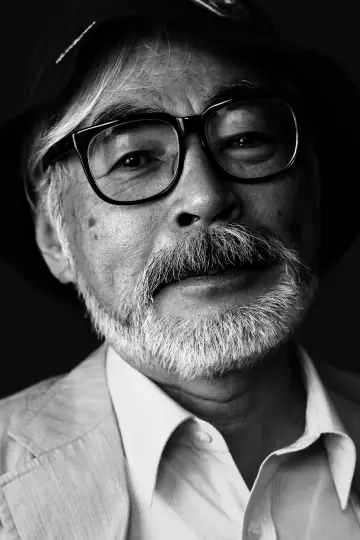
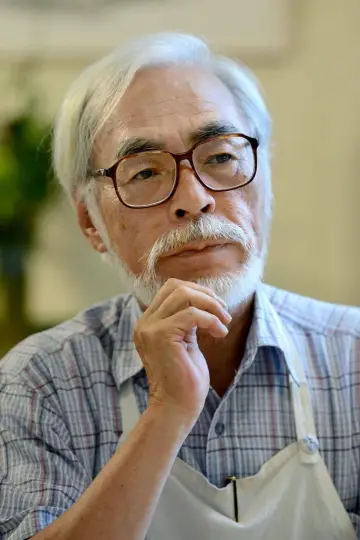
Photo Hayao Miyazaki #15502Photo Hayao Miyazaki #15503Photo Hayao Miyazaki #15504Photo Hayao Miyazaki #15505

Hayao Miyazaki

Hayao Miyazaki
Original Film Writer

Music Programmer

Atsushi Kaji
Music Programmer
Yasuko Fukuoka
Music Programmer

Lead Editor

What's left behind the scenes

  • The squirrel-foxes – squirrel-foxes from Laputa – first appeared in Miyazaki's work "Nausicaä of the Valley of the Wind".
  • The robot from Laputa is identical to the robot that previously appeared with Miyazaki’s involvement in “Lupin III,” in the episode “Farewell, Beloved Lupin.” A full-scale model of this robot is located on the roof of the Studio Ghibli Museum in Tokyo.
  • Hayao Miyazaki borrowed the word “Laputa” from Jonathan Swift (“Gulliver’s Travels”). Swift, in turn, likely took it from Spanish, where it means “prostitute.” Therefore, in Spanish-speaking countries and the United States, the film was shown without the offensive word in the title.
  • The name "Sita" and a number of legends used in the film are borrowed from Indian folklore.
  • Studio Ghibli was founded by Hayao Miyazaki and Isao Takahata specifically to create this film.
  • When creating the image of the mining town, Hayao Miyazaki drew on his memories of visiting Wales. The director, a former trade union leader, was particularly impressed by stories of worker protests against mine closures, which are reflected in the film.
  • The fox-squirrels – squirrel foxes from Laputa – first appeared in Miyazaki’s work, “Nausicaä of the Valley of the Wind.”
  • The robot from Laputa is identical to the robot that previously appeared under Miyazaki’s involvement in “Lupin III,” in the television episode “Farewell, Beloved Lupin.” A full-size model of this robot is located on the roof of the Studio Ghibli Museum in Tokyo.
  • Hayao Miyazaki borrowed the word “Laputa” from Jonathan Swift (“Gulliver’s Travels”). Swift, in turn, likely took it from Spanish, where it means “prostitute.” Therefore, in Spanish-speaking countries and the United States, the film was screened without the offensive word in the title.
  • The name "Sita" and a number of legends used in the film are borrowed from Indian folklore.
Did you like the film?

© ACMODASI, 2010-2026

All rights reserved.
The materials (trademarks, videos, images and text) contained on this site are the property of their respective owners. It is forbidden to use any materials from this site without prior agreement with their owner.
When copying text and graphic materials (videos, images, text, screenshots of pages) from this site, an active link to the site www.acmodasi.in must necessarily accompany such material.
We are not responsible for any information posted on this site by third parties.