Castle in the Sky



![Watch film Castle in the Sky — Castle in the Sky - Studio Ghibli Fest 2018 Trailer [In Theaters November 2018]](https://www.acmodasi.in/amdb/images/posters/m/a/castle-in-the-sky-1986-kTHWD.webp)






Short description
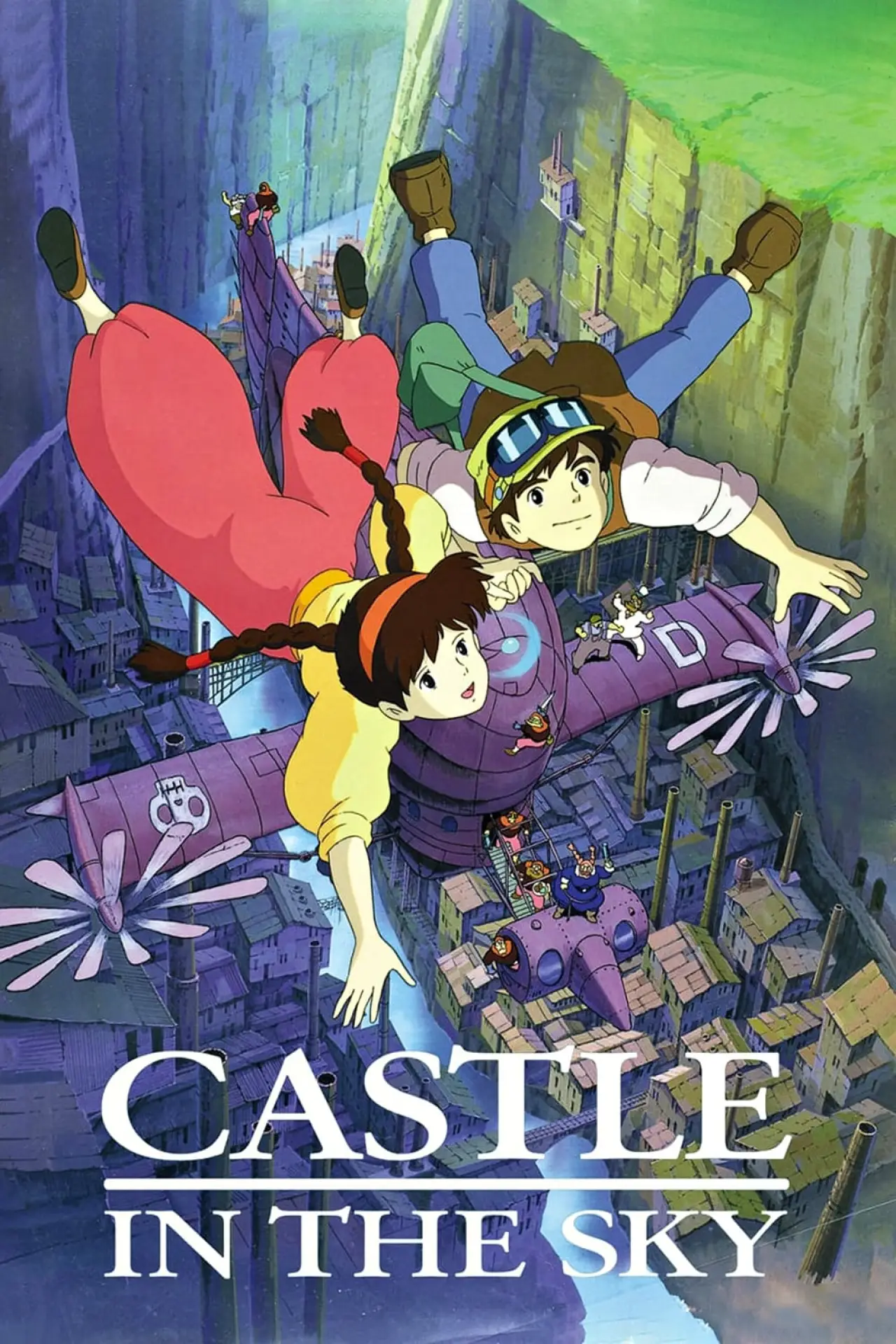
Castle in the Sky follows two children caught in a chase across a world resembling the early twentieth century. Sheeta, a girl who carries a mysterious crystal, is pursued by air pirates, the military and government agents who all want the stone for themselves. She meets Pazu, a boy her age who works in a mining town, and together they set out to find Laputa, a legendary city in the sky that the crystal seems to point toward. A government agent named Muska has his own plans for the lost civilization's power.
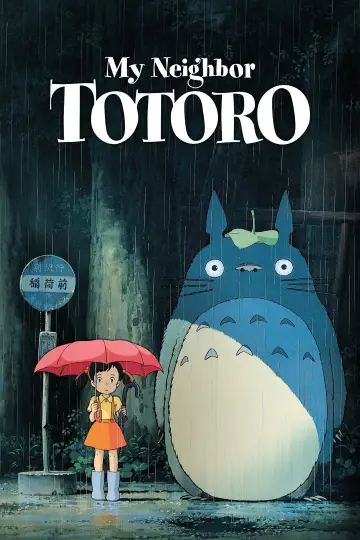
Hayao Miyazaki directed and wrote the film, the third of the sixteen features he has directed in chronological order, arriving between Warriors of the Wind and My Neighbor Totoro. Studio Ghibli, Nibariki and Tokuma Shoten produced it, with Isao Takahata and Toshio Suzuki as producers. The voice cast includes Keiko Yokozawa as Sheeta, Mayumi Tanaka as Pazu, Minori Terada as Muska and Kotoe Hatsui as Dola, among 22 credited cast members and 77 credited crew.
Made for about 3 million dollars, the film took roughly 26 million dollars worldwide. On IMDb it holds 8 out of 10 from around 197,000 votes, and on TMDB 8 out of 10 from about 4,800 votes. A critics' rating of 7.8 out of 10 from 28 reviews places it close to those audience scores.
What's left behind the scenes
- Studio Ghibli was founded by Hayao Miyazaki and Isao Takahata specifically to create this film.
- When creating the image of the mining town, Hayao Miyazaki drew on his memories of visiting Wales. The director, a former trade union leader, was particularly impressed by stories of worker protests against mine closures, which are reflected in the film.
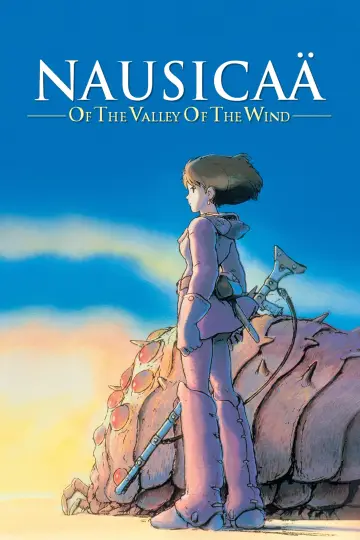
- The fox-squirrels – squirrel foxes from Laputa – first appeared in Miyazaki’s work, “Nausicaä of the Valley of the Wind.”
- The robot from Laputa is identical to the robot that previously appeared under Miyazaki’s involvement in “Lupin III,” in the television episode “Farewell, Beloved Lupin.” A full-size model of this robot is located on the roof of the Studio Ghibli Museum in Tokyo.
- Hayao Miyazaki borrowed the word “Laputa” from Jonathan Swift (“Gulliver’s Travels”). Swift, in turn, likely took it from Spanish, where it means “prostitute.” Therefore, in Spanish-speaking countries and the United States, the film was screened without the offensive word in the title.
- The name "Sita" and a number of legends used in the film are borrowed from Indian folklore.
Similar movies


 Auditions in India
 Casting calls in USA
 Castingi w Polsce
 Кастинги в Україні
