Cross of Iron





Short description
In 1943, the German army is falling back along the Eastern Front as Soviet forces advance. Into this retreat arrives Captain Stransky, a Prussian aristocrat transferred from France who has never seen real combat and craves the Iron Cross, believing it will let him return to Berlin as a hero. His ambition collides with Corporal Steiner, a battle-hardened, battle-weary soldier who holds no faith in the cause and cares mostly about keeping his own men alive. The clash between the two men hardens into something personal and destructive as the retreat grinds on.
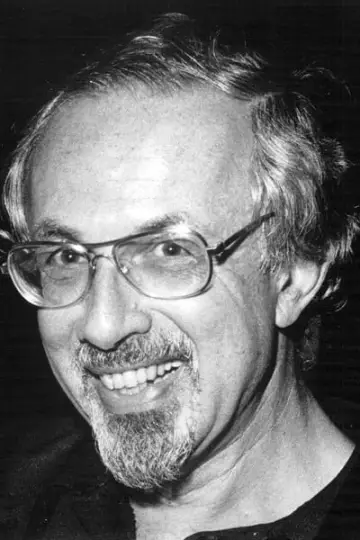
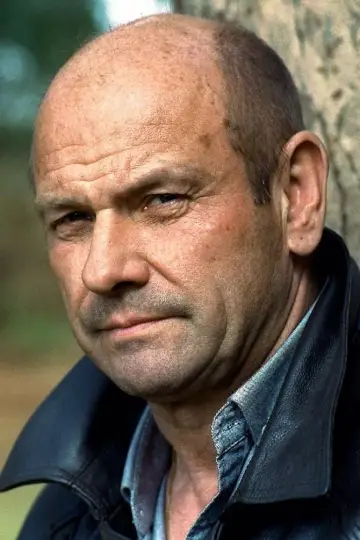
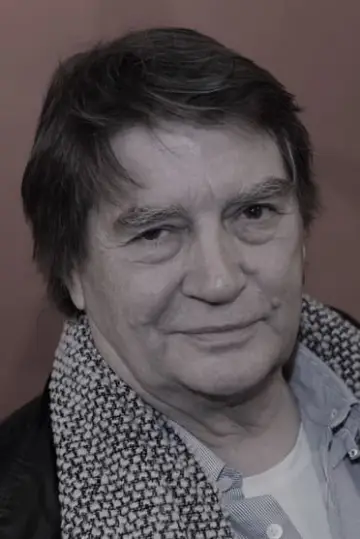
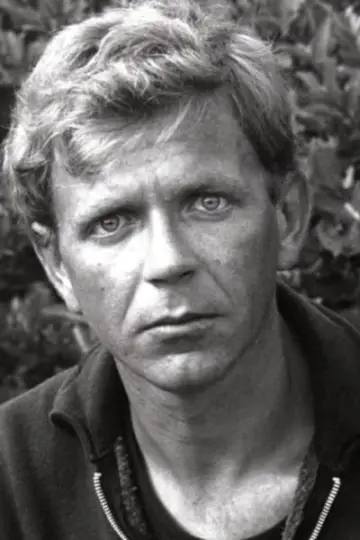
Cross of Iron is a 1977 war film directed by Sam Peckinpah, arriving between The Killer Elite and Convoy in a career that began with Ride the High Country. Julius J. Epstein, James Hamilton and Walter Kelley wrote the screenplay, and Wolf C. Hartwig, Arlene Sellers and Alex Winitsky produced. James Coburn leads as Steiner, with Maximilian Schell as Stransky, James Mason as Colonel Brandt, David Warner, Klaus Löwitsch and Vadim Glowna among a credited cast of twenty-five.
Made for about 6 million USD, the film holds a 7.4/10 rating on IMDb from roughly 31,000 votes and a 7.1/10 on TMDB from around 500 votes. A critics' rating of 6.7/10 from 21 reviews sits close to those audience scores, indicating a broadly similar reception across both.
What's left behind the scenes
- There was no tripping scene on the railway tracks in the script; it all happened by accident. Director Sam Peckinpah had already run out of film, so he couldn't reshoot the scene.
- The film was shot in Yugoslavia with money raised by a West German porn film producer.
- During filming, director Sam Peckinpah drank four bottles of whiskey or vodka every day and slept no more than three or four hours each night.
- The film's ending differed from the original script. By the time the final scenes were being shot, the film's budget had run out, and director Sam Peckinpah (1925-1984) instructed James Coburn (1928-2002), who played the main character, to simply improvise.






 Auditions in India
 Casting calls in USA
 Castingi w Polsce
 Кастинги в Україні

