Silver Streak




Short description
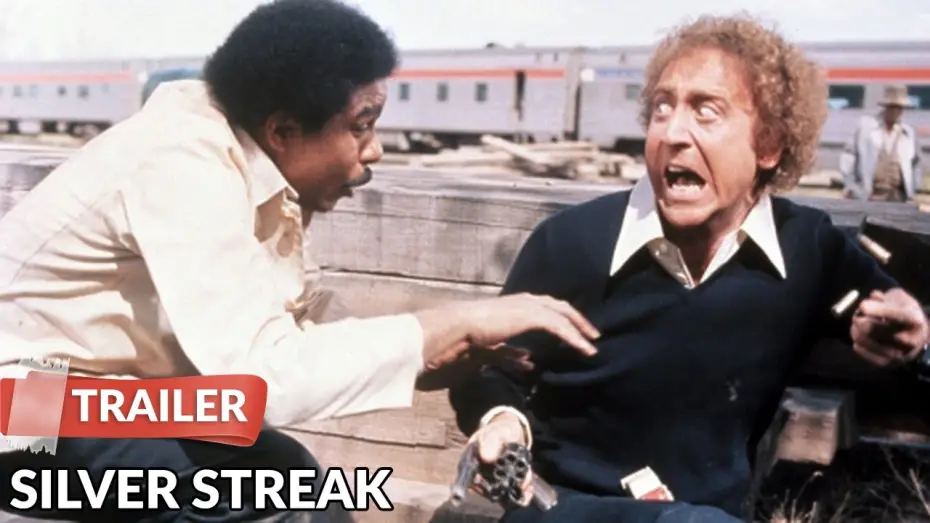
George Caldwell, a book editor, boards a transcontinental train from Los Angeles to Chicago hoping for a quiet journey. Instead he becomes convinced he has witnessed a murder on board, but no one around him will take his account seriously. His efforts to look into the matter on his own draw the attention of the people responsible, and he finds himself involved with a woman connected to the crime and pursued by criminals during the trip.
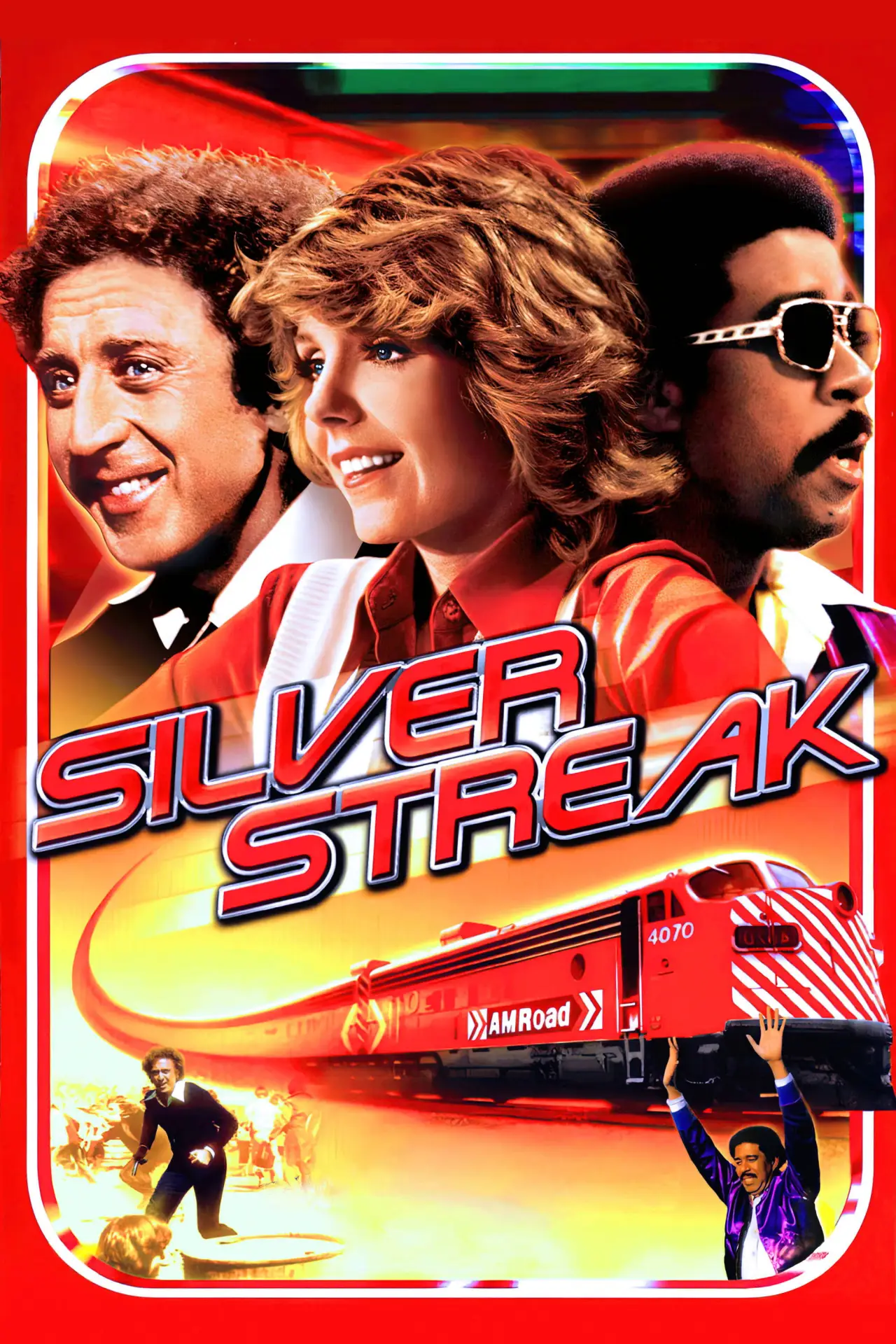
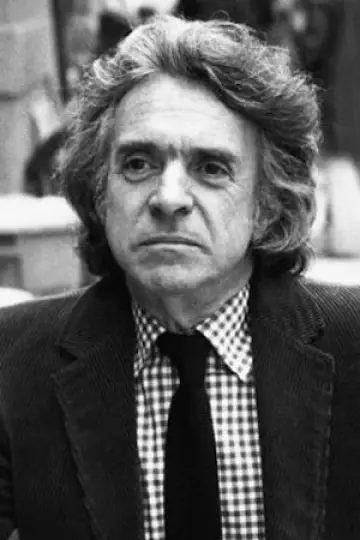
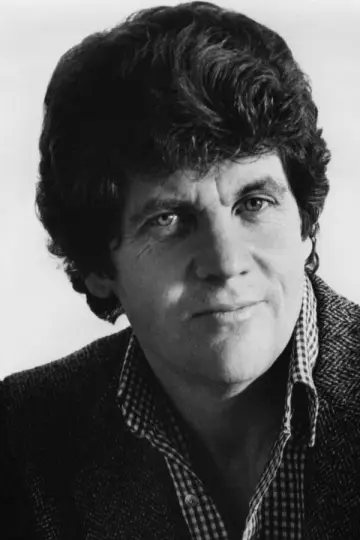
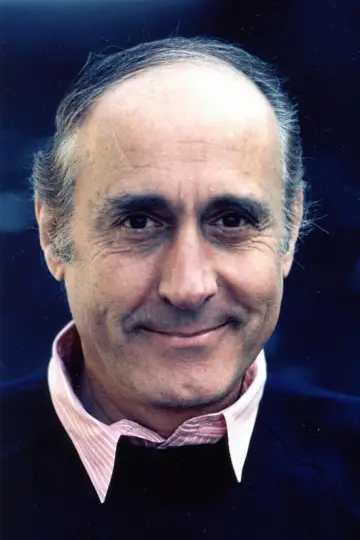
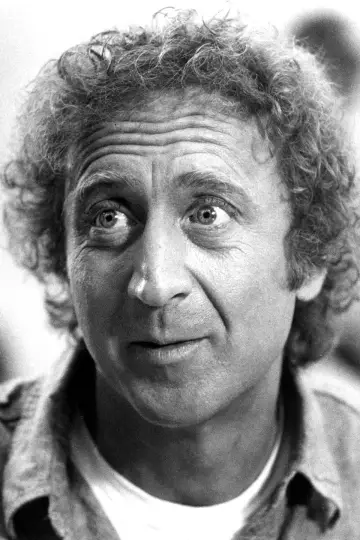
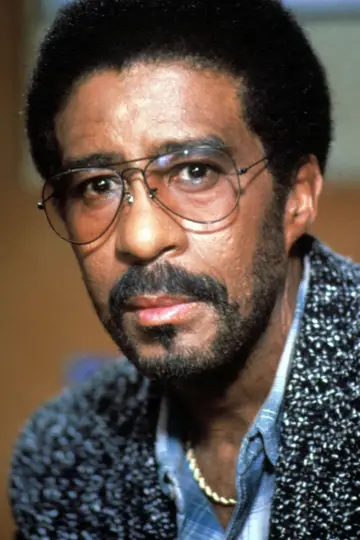
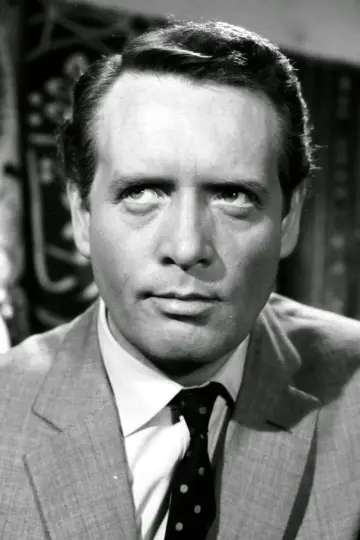
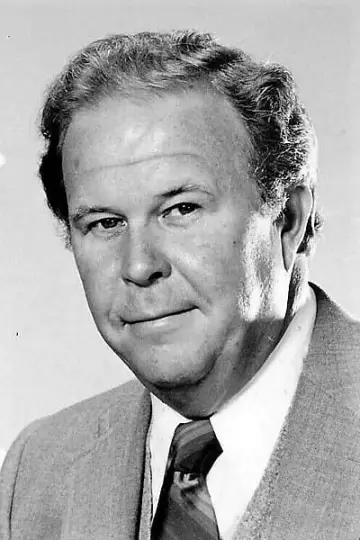
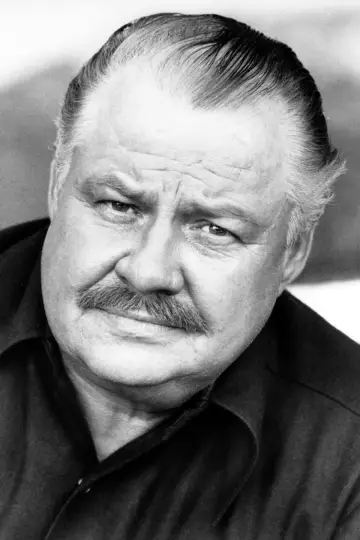
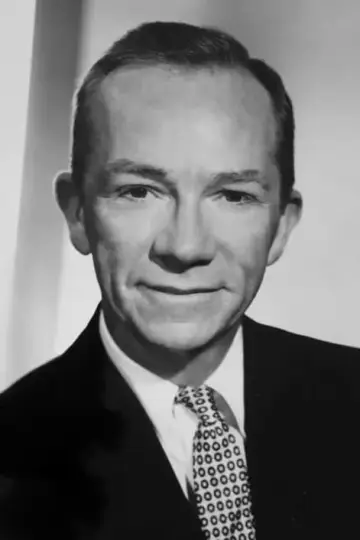
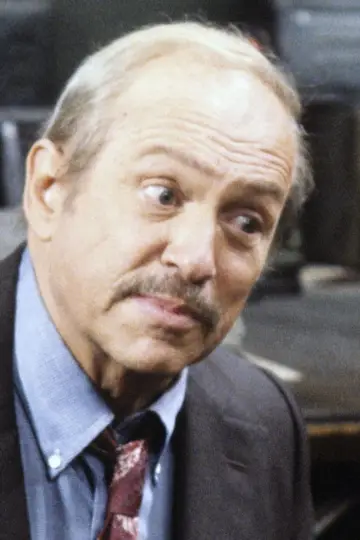
Silver Streak was directed by Arthur Hiller and released in December 1976. It is the seventh of seventeen films he directed, following The Man in the Glass Booth (1975) and preceding The In-Laws (1979). Colin Higgins wrote the screenplay, and Edward K. Milkis and Thomas L. Miller produced. Gene Wilder stars as Caldwell, with Jill Clayburgh as Hildegard "Hilly" Burns, Richard Pryor as Grover Muldoon, Patrick McGoohan as Roger Devereau, Ned Beatty as Bob Sweet and Clifton James as Sheriff Chauncey. The credited cast numbers thirty-two.
Made for a budget of 7 million dollars, the film took in about 51 million dollars worldwide, a strong return on its cost. On IMDb it holds 6.9/10 from roughly 23,000 votes, while on TMDB it stands at 6.7/10 from 376 votes. The critics' rating of 6.4/10 from 26 reviews places it somewhat below the audience scores, though all three measures point to a generally positive reception.
What's left behind the scenes
- The interiors were filmed in studio pavilions, in sets mounted on rubber wheels so they could be rocked. To show the shadows of trees standing along the railway, members of the film crew carried large objects in front of the lights behind the windows of the wagon sets, moving from one window to another in turn.
- The train crash in the film's finale had a real-life prototype. On January 15, 1953, the braking system failed on a train from Boston arriving in Washington. Two miles from Union Station, the engineer managed to radio an emergency, and the station services managed to evacuate the building. The GG1 electric locomotive broke through the stop barrier at a speed of 25 miles per hour, continuing to pull two passenger cars behind it (the rest of the train separated upon impact and stopped). The locomotive and two cars literally entered the first-floor hall, causing its floor to collapse and the locomotive to fall into the basement. No one was killed, and there were no serious injuries. To remove the 24-meter-long locomotive, its frame was cut into three parts, then reassembled and put back into service; it is now stored in a museum in Baltimore.
- Initially, the film was to be shot in the United States, but the National Rail Passenger Corporation feared for its image and refused to cooperate with the filmmakers. As a result, the film had to be shot in Canada on the Canadian Pacific Railway, using its slightly camouflaged equipment.
- The final train crash was filmed in an airplane hangar using specially created models of the train and railway station. The scene of the locomotive crashing into the station buildings was filmed in two hangars connected to each other at the Lockheed aircraft manufacturing plant in Burbank, California, using a full-scale model of an FP-7A locomotive. The station set covered several acres. The train crash was filmed with nine cameras, and only 14 seconds of footage made it into the film. The cost of the sets, filming, and equipment totaled $500,000, or approximately $36,000 per second.
Similar movies



 Auditions in India
 Casting calls in USA
 Castingi w Polsce
 Кастинги в Україні
