Yojimbo



![Watch film Yojimbo — Yojimbo (1961) Original Trailer [4K]](https://i.ytimg.com/vi/nazk6Zpm_Ks/sddefault.jpg)
Short description
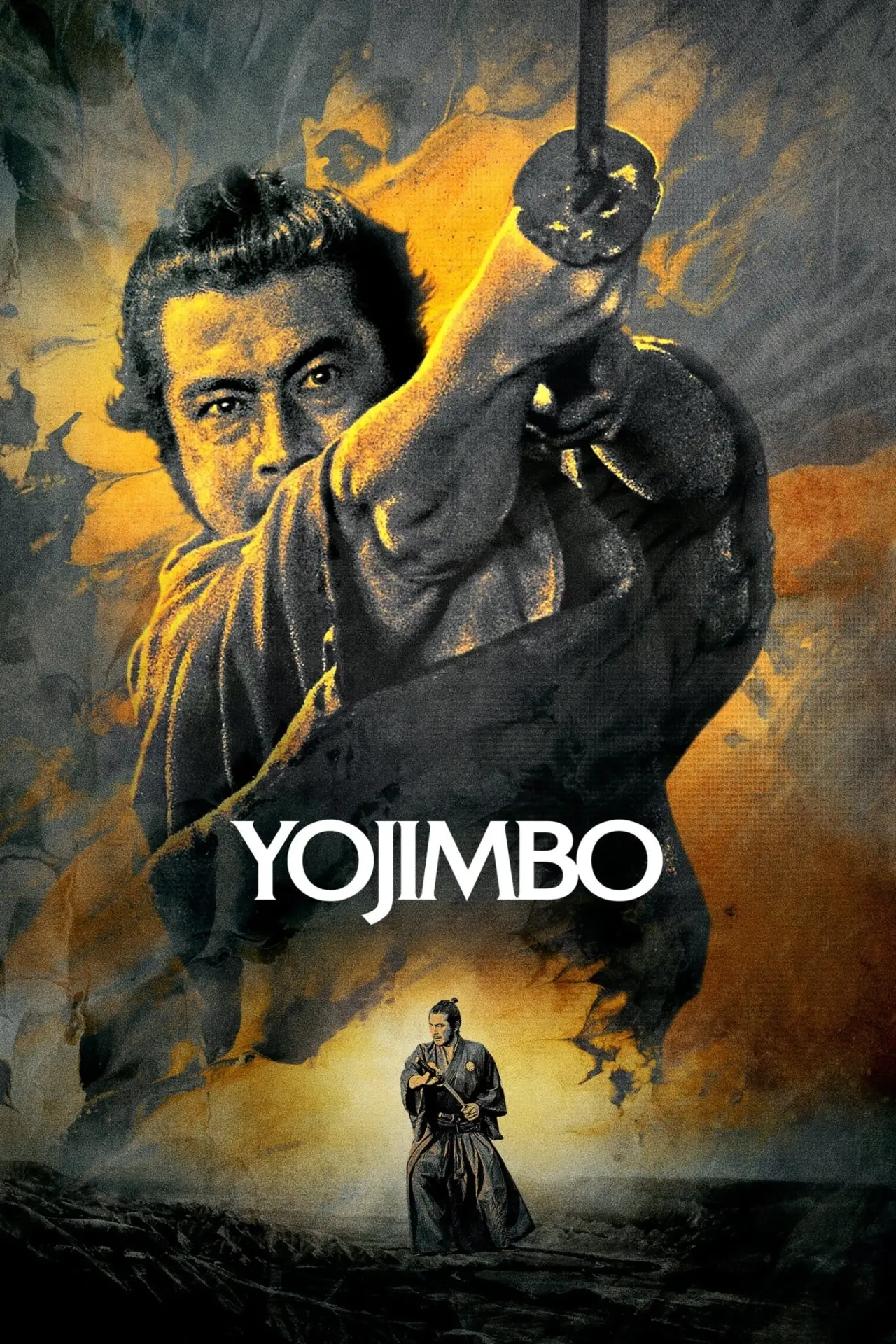
A wandering samurai arrives in a small town where two local merchants, a silk dealer and a sake brewer, each backed by a gang of hired swords, are fighting for control of the gambling trade. Taking the name Sanjuro Kuwabatake, he offers his services as a bodyguard to both sides and manipulates them into open conflict, clearing out the gangs while pursuing his own aims.
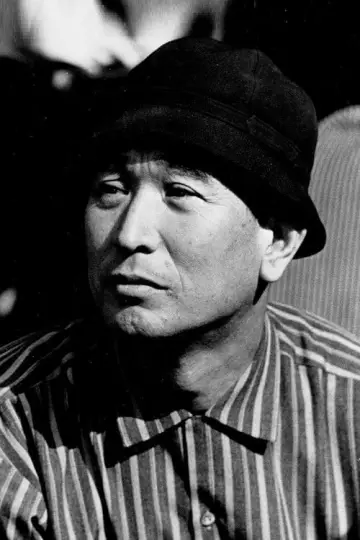
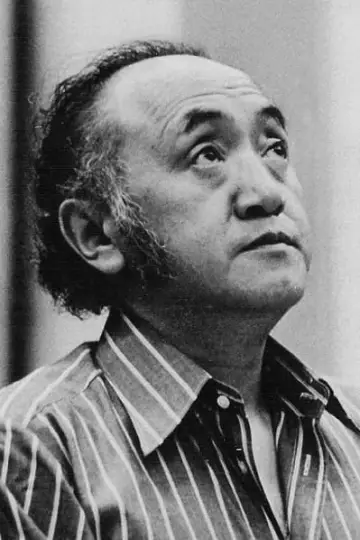
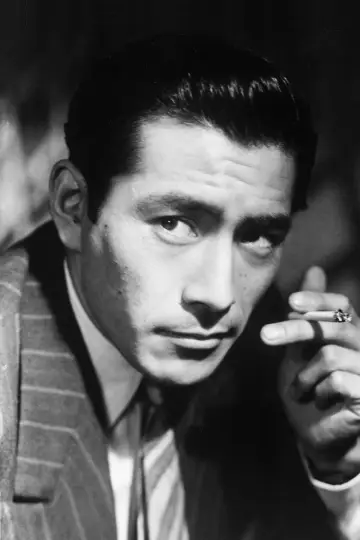
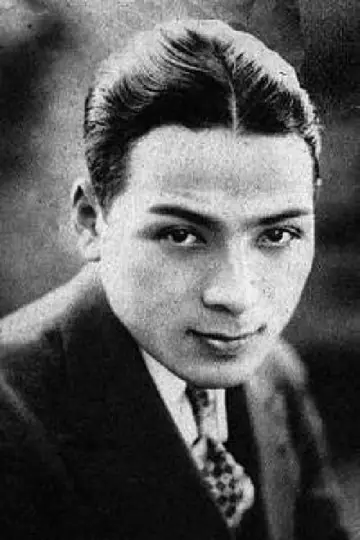
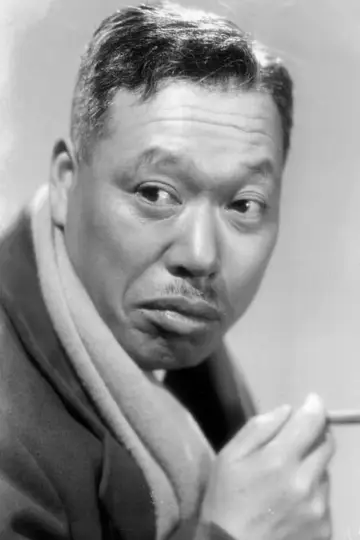
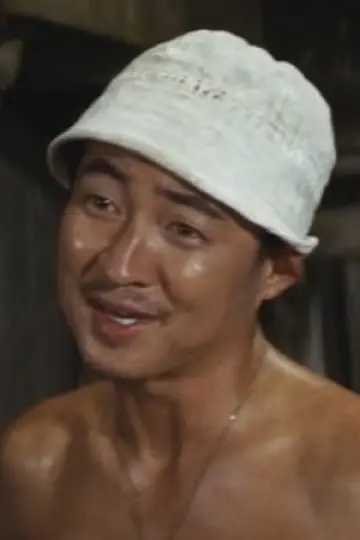
Akira Kurosawa directed and co-wrote the screenplay with Ryūzō Kikushima, and produced the film for TOHO. It is the fourteenth of the twenty-three features he directed, arriving between The Bad Sleep Well and Sanjuro, the latter continuing the story of its lead character. Toshirō Mifune plays the samurai, with Tatsuya Nakadai as the gunfighter Unosuke among a credited cast of forty-nine. The film runs 110 minutes.
Released in April 1961, the film holds an 8.2 rating on IMDb from around 142,000 votes and an 8.1 on TMDB from roughly 1,750 votes, while a critics' rating of 9.2 from fifty-one reviews places it slightly above both audience scores. The wide gap in vote counts reflects its standing as a widely seen classic rather than a niche title.
What's left behind the scenes
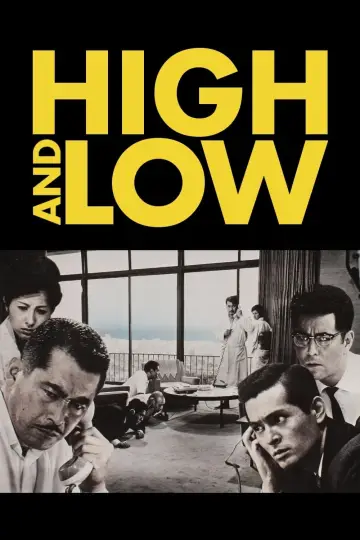
- Sergio Leone's Spaghetti Western "A Fistful of Dollars" (1964) repeats the plot of "Yojimbo." In addition to the plot, Leone borrowed many filming techniques from Kurosawa. As a result of a copyright infringement lawsuit, the creators of the unofficial remake were forced to pay Kurosawa $100,000 and 15% of the film's box office revenue, as well as cede distribution rights in Japan, South Korea, and Taiwan.
- The film "Lone Wolf" starring Bruce Willis also repeats the plot of "Yojimbo," but is adapted as a gangster action film set during Prohibition.
- The film's plot is an adaptation of two detective novels by Dashiell Hammett: "The Glass Key" (1931) and "Red Harvest" (1929).
- The main character’s name means: Kuwabatake – ‘Mulberry Garden (by the cotton field)’, Sanjuro – ‘thirty-year-old’. The common mistaken interpretation of Kuwabatake as ‘cotton field’ comes from the fact that when asked to introduce himself in the film, the protagonist names himself Kuwabatake while looking at an empty cotton field. There are no mulberry trees in the shot. However, they are implied, as cotton fields are traditionally planted with mulberries around the perimeter, the leaves of which serve as food for silkworms.





 Auditions in India
 Casting calls in USA
 Castingi w Polsce
 Кастинги в Україні
