Finding Nemo - actors, characters and roles

All actors and their roles in the film "Finding Nemo"
Finding Nemo (2003)
Timing: 1:40 (100 min)
Finding Nemo - TMDB rating
7.817/10
20421
Finding Nemo - Kinopoisk rating
7.941/10
383771
Finding Nemo - IMDB rating
8.2/10
1200000

Actors and characters
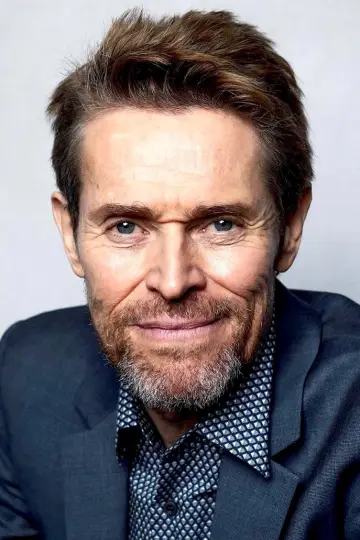
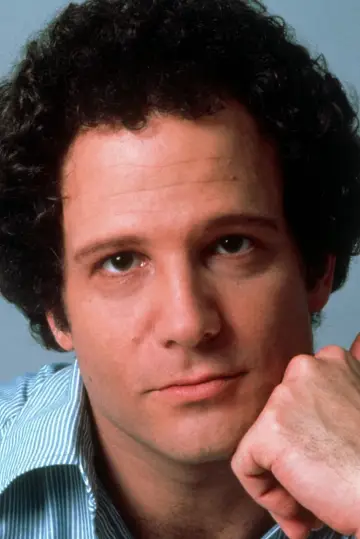
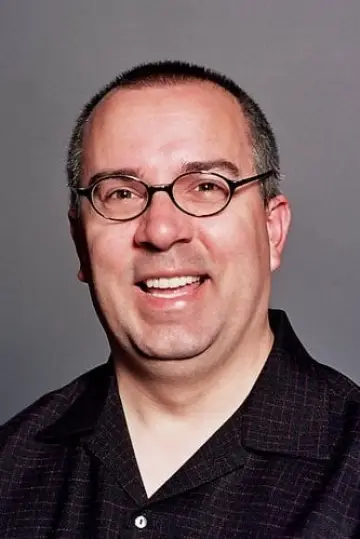
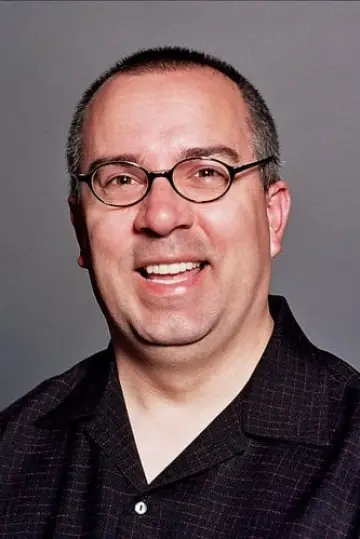
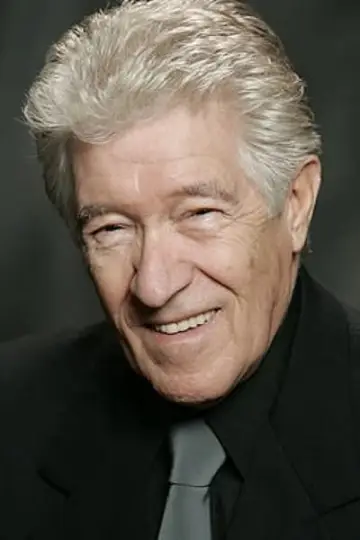
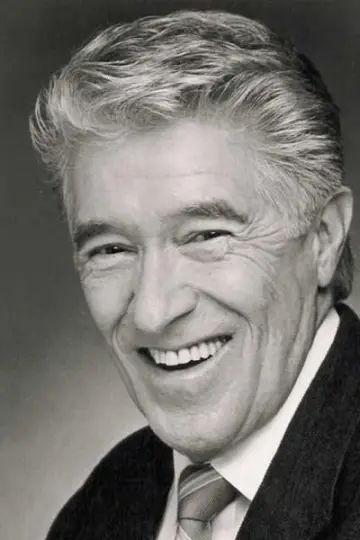
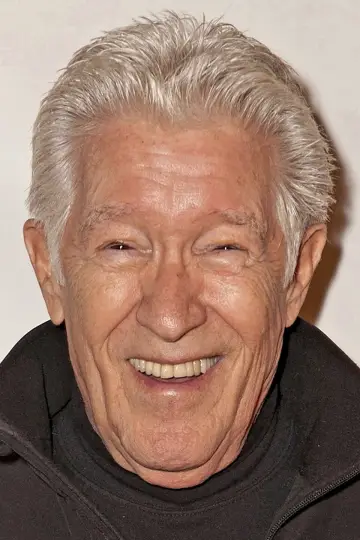
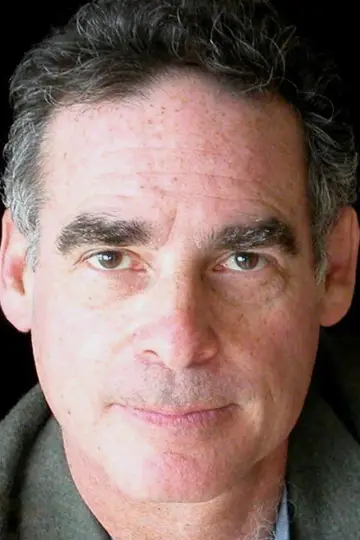
Photo Albert Brooks #1905Photo Albert Brooks #1906Photo Albert Brooks #1907Photo Albert Brooks #1908

Albert Brooks

Albert Brooks
Character Marlin (voice)
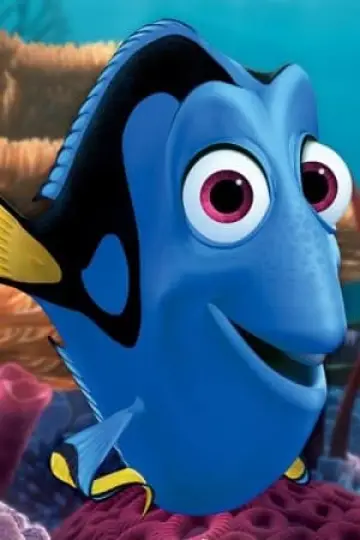
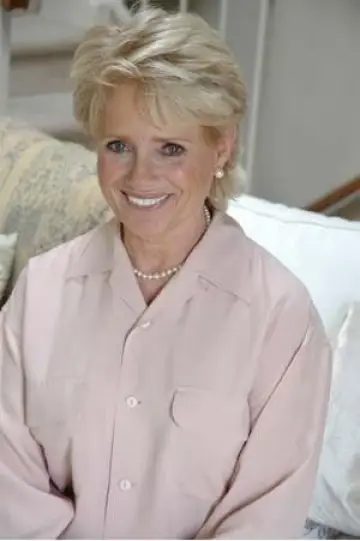
Photo Ellen DeGeneres #1909Photo Ellen DeGeneres #1910Photo Ellen DeGeneres #1911

Ellen DeGeneres

Ellen DeGeneres
Character Dory (voice)
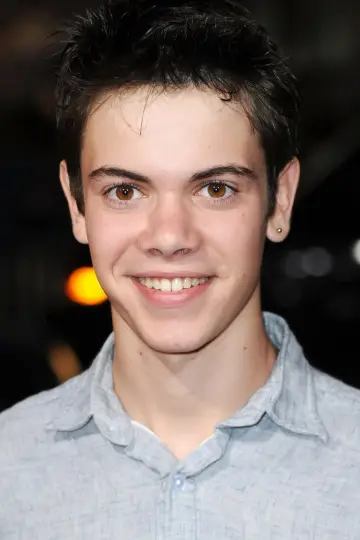
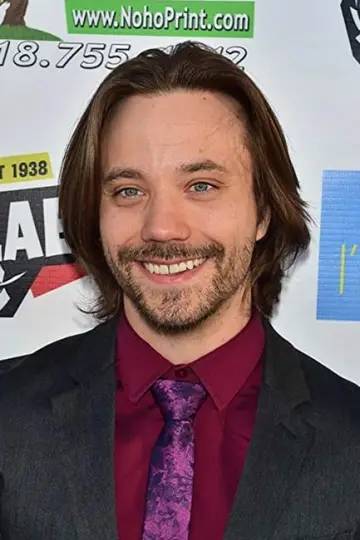
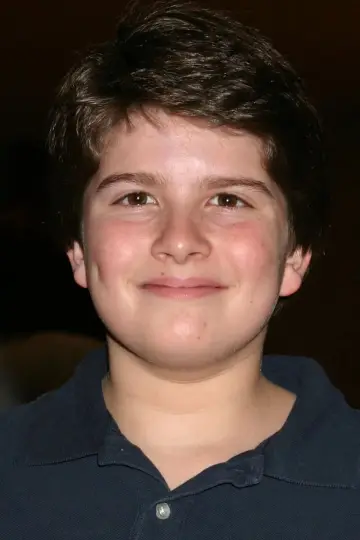
Photo Alexander Gould #1912Photo Alexander Gould #1913Photo Alexander Gould #1914Photo Alexander Gould #1915

Alexander Gould

Alexander Gould
Character Nemo (voice)
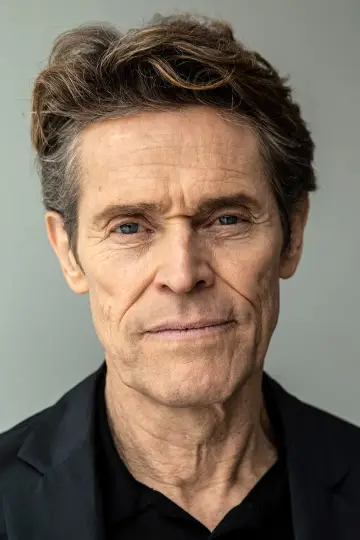
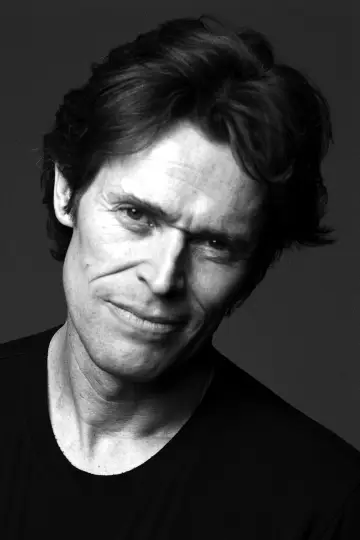
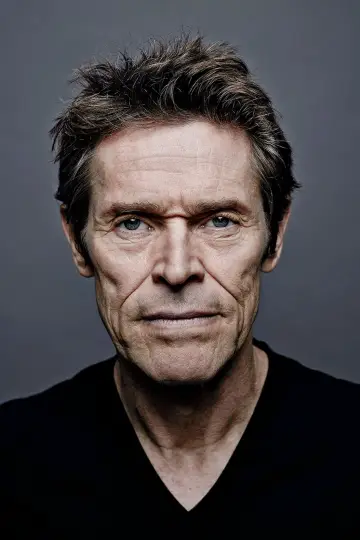
Photo Willem Dafoe #1916Photo Willem Dafoe #1917Photo Willem Dafoe #1918Photo Willem Dafoe #1919

Willem Dafoe

Willem Dafoe
Character Gill (voice)
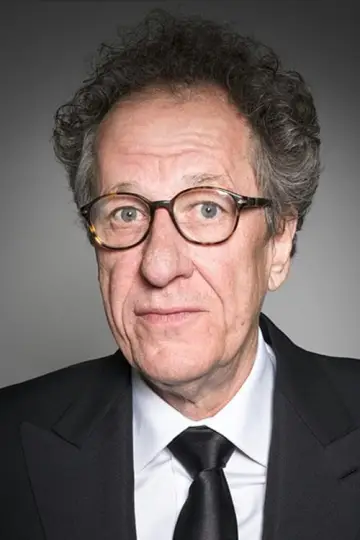
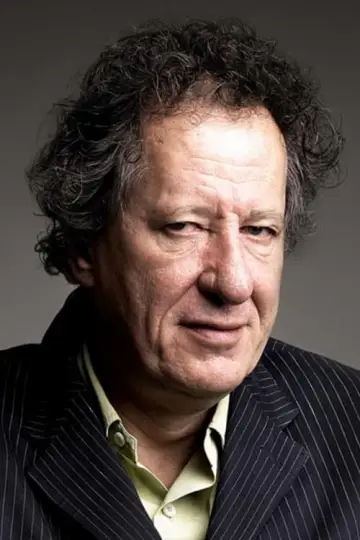
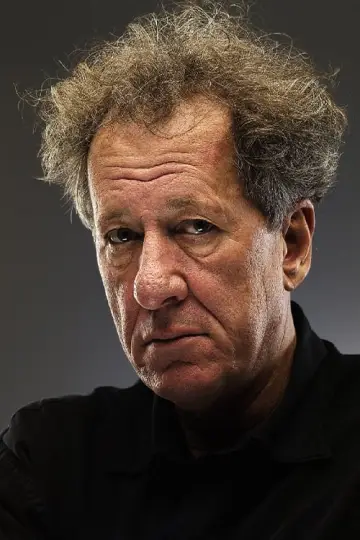
Photo Geoffrey Rush #1923Photo Geoffrey Rush #1924Photo Geoffrey Rush #1925Photo Geoffrey Rush #1926

Geoffrey Rush

Geoffrey Rush
Character Nigel (voice)
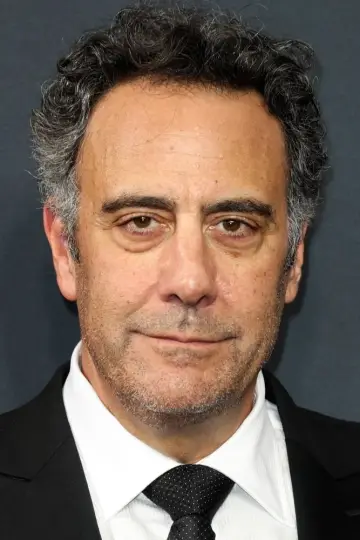
Photo Brad Garrett #1931Photo Brad Garrett #1932Photo Brad Garrett #1933Photo Brad Garrett #1934

Brad Garrett

Brad Garrett
Character Bloat (voice)
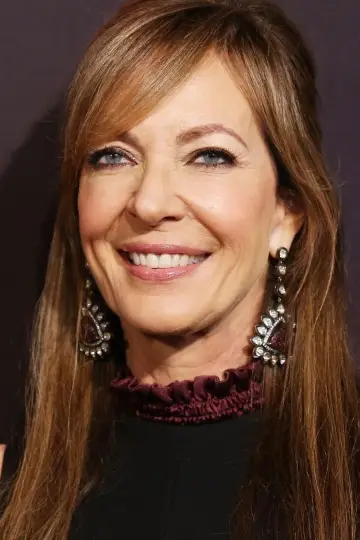
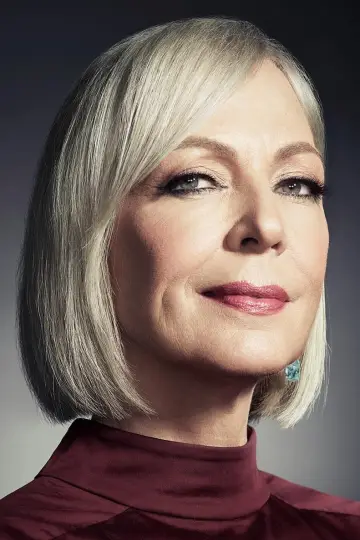
Photo Allison Janney #1935Photo Allison Janney #1936Photo Allison Janney #1937Photo Allison Janney #283546

Allison Janney

Allison Janney
Character Peach (voice)
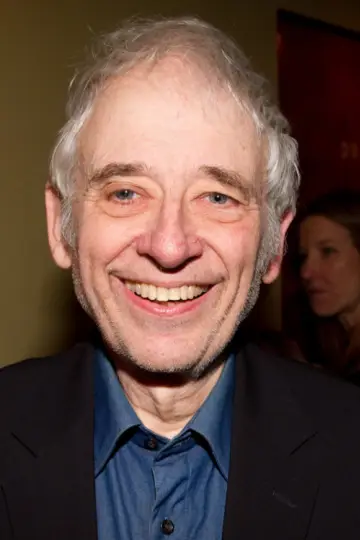
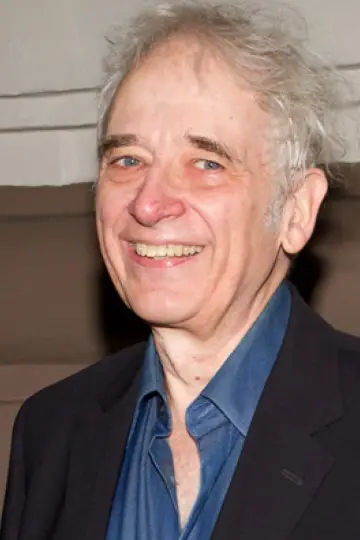
Photo Austin Pendleton #1938Photo Austin Pendleton #1939

Austin Pendleton

Austin Pendleton
Character Gurgle (voice)
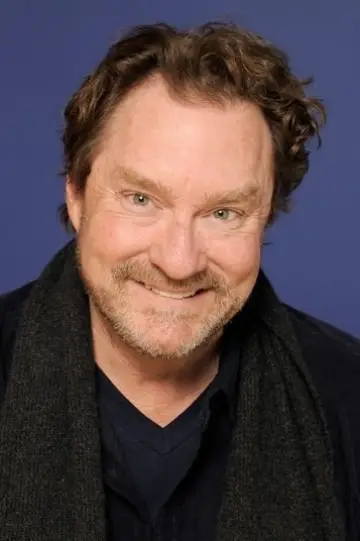
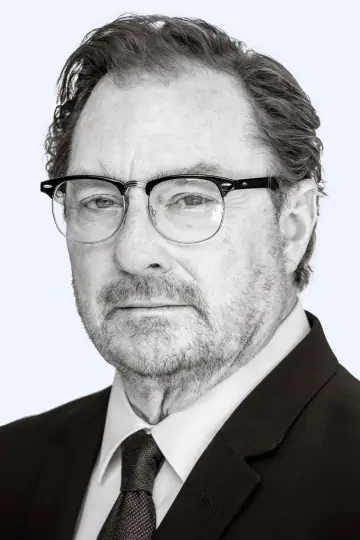
Photo Stephen Root #1940Photo Stephen Root #1941Photo Stephen Root #1942Photo Stephen Root #1943

Stephen Root

Stephen Root
Character Bubbles (voice)
Photo Vicki Lewis #1944Photo Vicki Lewis #1945
Vicki Lewis
Character Deb / Flo (voice)
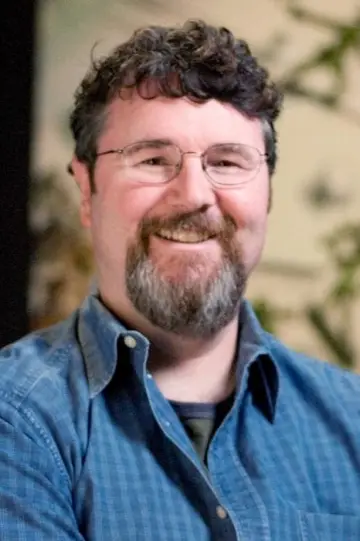
Photo Joe Ranft #1946Photo Joe Ranft #66570

Joe Ranft

Joe Ranft
Character Jacques (voice)
Photo Andrew Stanton #1947Photo Andrew Stanton #1948Photo Andrew Stanton #1949

Andrew Stanton

Andrew Stanton
Character Crush (voice)
Photo Elizabeth Perkins #1950Photo Elizabeth Perkins #1951Photo Elizabeth Perkins #1952

Elizabeth Perkins

Elizabeth Perkins
Character Coral (voice)
Photo Nicholas Bird #1953
Nicholas Bird
Character Squirt (voice)
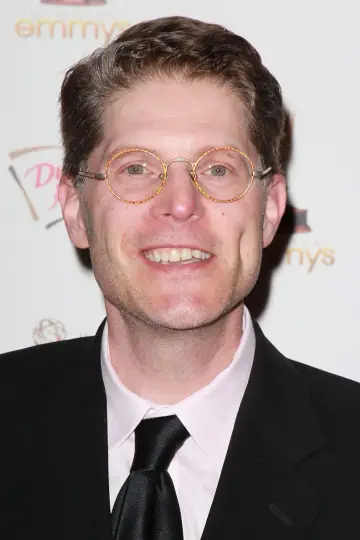
Photo Bob Peterson #1954Photo Bob Peterson #1955

Bob Peterson

Bob Peterson
Character Mr. Ray / Additional Voices (voice)
Photo Barry Humphries #1956

Barry Humphries

Barry Humphries
Character Bruce (voice)
Photo Eric Bana #1957Photo Eric Bana #1958Photo Eric Bana #1959Photo Eric Bana #1960

Eric Bana

Eric Bana
Character Anchor (voice)
Photo Bruce Spence #1962

Bruce Spence

Bruce Spence
Character Chum (voice)
Photo Bill Hunter #1963

Bill Hunter

Bill Hunter
Character Dentist (voice)
LuLu Ebeling
Character Darla (voice)
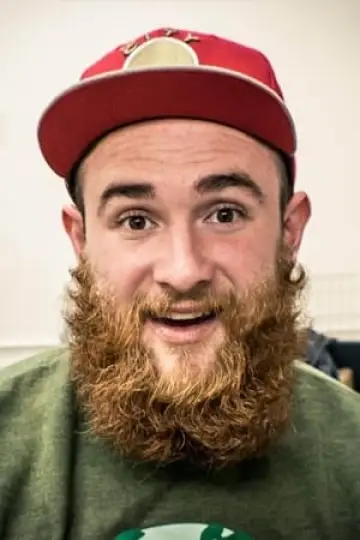
Photo Jordan Ranft #1964
Jordan Ranft
Character Tad (voice)
Photo Erica Beck #1965
Erica Beck
Character Pearl (voice)
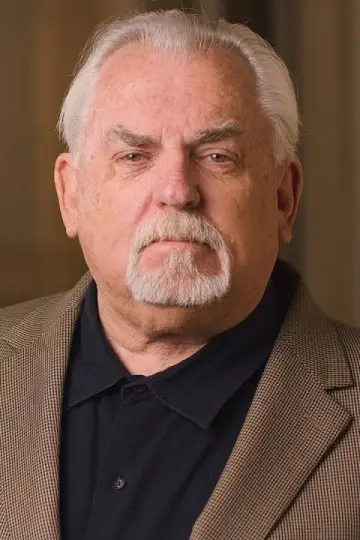
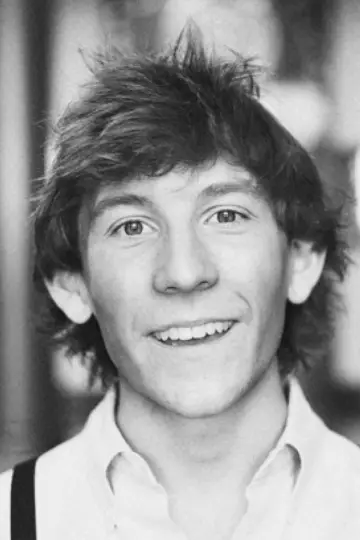
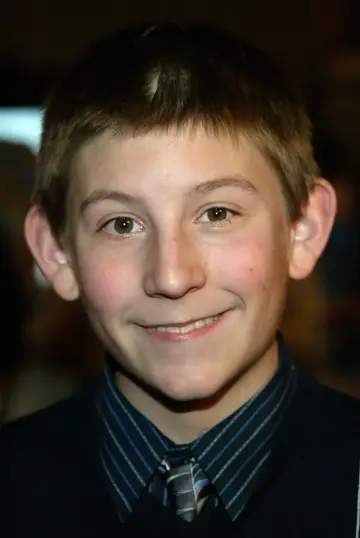
Photo Erik Per Sullivan #1966Photo Erik Per Sullivan #1967

Erik Per Sullivan

Erik Per Sullivan
Character Sheldon (voice)
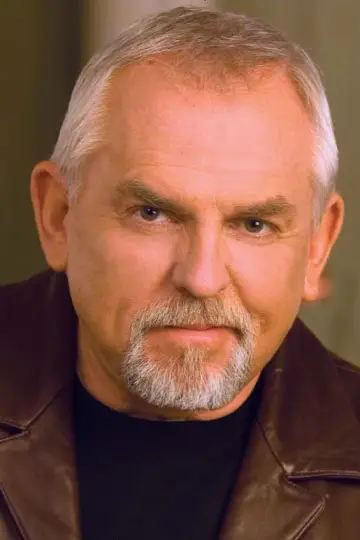
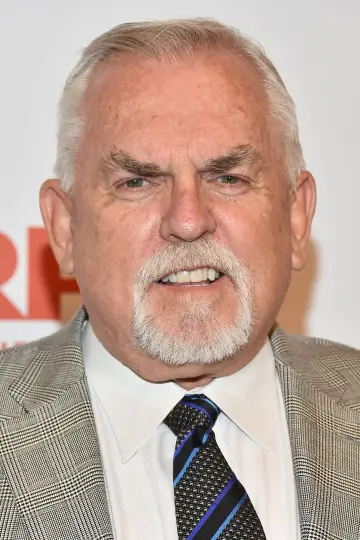
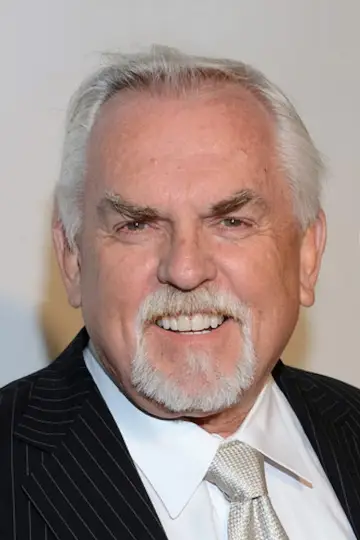
Photo John Ratzenberger #1968Photo John Ratzenberger #1969Photo John Ratzenberger #1970Photo John Ratzenberger #1971

John Ratzenberger

John Ratzenberger
Character Fish School (voice)
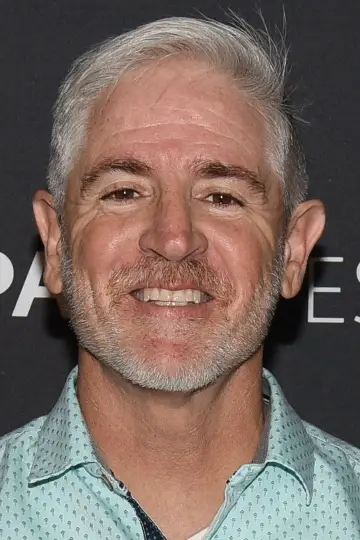
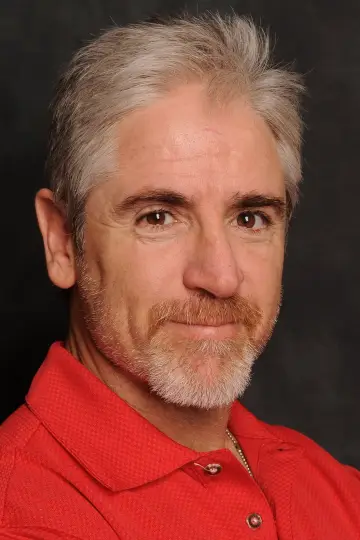
Photo Carlos Alazraqui #1973Photo Carlos Alazraqui #1974

Carlos Alazraqui

Carlos Alazraqui
Character Additional Voices (voice)
Photo Alec Medlock #1975
Alec Medlock
Character Additional Voices (voice)
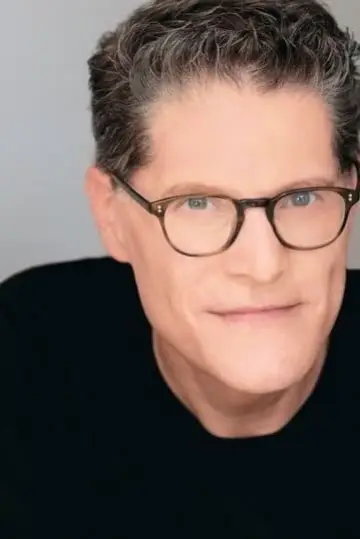
Photo Bob Bergen #1976Photo Bob Bergen #1977Photo Bob Bergen #1978

Bob Bergen

Bob Bergen
Character Additional Voices (voice)
Nicole Miller
Character Additional Voices (voice)
Geoff Brooks
Character Additional Voices (voice)
Lisa Peers
Character Additional Voices (voice)
Photo Paul Eiding #1979

Paul Eiding

Paul Eiding
Character Additional Voice (voice)
Photo Phil Proctor #1980Photo Phil Proctor #1981

Phil Proctor

Phil Proctor
Character Additional Voices (voice)
Leland Grossman
Character Additional Voices (voice)
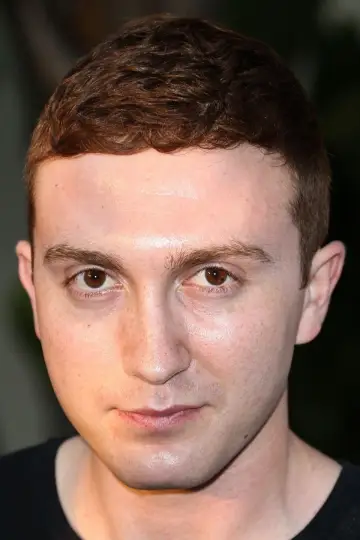
Photo Daryl Sabara #1982Photo Daryl Sabara #1983Photo Daryl Sabara #1984Photo Daryl Sabara #1985

Daryl Sabara

Daryl Sabara
Character Additional Voices (voice)
Lili Ishida
Character Additional Voices (voice)
Emmett Shoemaker
Character Additional Voices (voice)
Oliver Kindred
Character Additional Voices (voice)
Ben Stanton
Character Additional Voices (voice)
Photo Danny Mann #1986

Danny Mann

Danny Mann
Character Additional Voices (voice)
Kali Whitehurst
Character Additional Voices (voice)
Photo Rove McManus #1987

Rove McManus

Rove McManus
Character Additional Voices (voice)
James S. Baker
Character Additional Voices (voice)
Photo Vanessa Marano #1988Photo Vanessa Marano #1989Photo Vanessa Marano #1990Photo Vanessa Marano #1991

Vanessa Marano

Vanessa Marano
Character Additional Voices (voice)
Photo Susan Blu #1992

Susan Blu

Susan Blu
Character Additional Voices (voice)
Annelise Nolting
Character Additional Voices (voice)
Photo Jeff Pidgeon #1993Photo Jeff Pidgeon #1994

Jeff Pidgeon

Jeff Pidgeon
Character Additional Voices (voice)
Photo Jennifer Darling #1995

Jennifer Darling

Jennifer Darling
Character Additional Voices (voice)
Photo Aaron Fors #1996
Aaron Fors
Character Additional Voices (voice)
Katherine Ringgold
Character Additional Voices (voice)
Photo Jess Harnell #1997

Jess Harnell

Jess Harnell
Character Additional Voices (voice)
Photo David Ian Salter #1998

David Ian Salter

David Ian Salter
Character Additional Voices (voice)
Caroline Kindred
Character Additional Voices (voice)
Photo Sherry Lynn #1999

Sherry Lynn

Sherry Lynn
Character Additional Voices (voice)
Photo Jim Ward #2000

Jim Ward

Jim Ward
Character Additional Voices (voice)
Photo Mickie McGowan #2001

Mickie McGowan

Mickie McGowan
Character Additional Voices (voice)
Photo Jack Angel #2002Photo Jack Angel #2003Photo Jack Angel #2004

Jack Angel

Jack Angel
Character Additional Voices (voice)
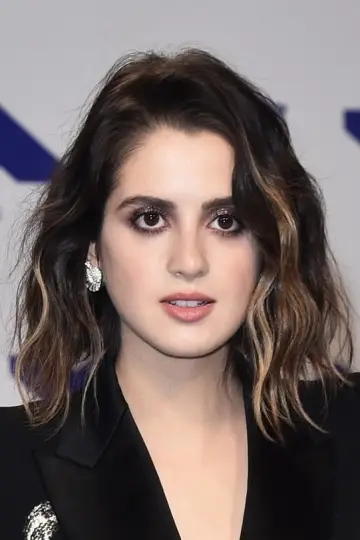
Photo Laura Marano #2005Photo Laura Marano #2006Photo Laura Marano #2007Photo Laura Marano #2008

Laura Marano

Laura Marano
Character Additional Voices (voice)
Photo Bobby Block #2014

Bobby Block

Bobby Block
Character Additional Voices (voice)
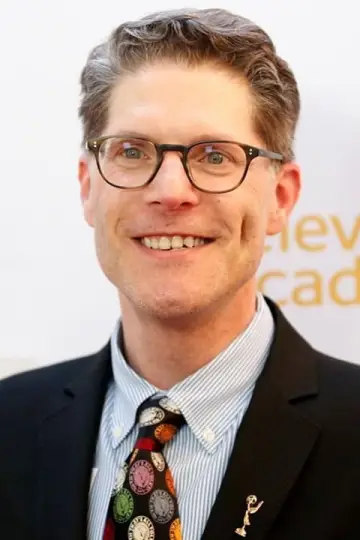
Photo Laraine Newman #2015Photo Laraine Newman #2016Photo Laraine Newman #2017

Laraine Newman

Laraine Newman
Character Additional Voices (voice)
Photo Jane Carr #2018Photo Jane Carr #2019Photo Jane Carr #2020

Jane Carr

Jane Carr
Character Additional Voices (voice)
Photo Michaela Jill Murphy #2021

Michaela Jill Murphy

Michaela Jill Murphy
Character Additional Voices (voice)
Photo Jan Rabson #2022

Jan Rabson

Jan Rabson
Character Additional Voices (voice)
Bradley Trevor Greive
Character Additional Voices (voice)
Photo Evan Sabara #2023

Evan Sabara

Evan Sabara
Character Additional Voices (voice)
Photo Marc John Jefferies #2024
Marc John Jefferies
Character Additional Voices (voice)
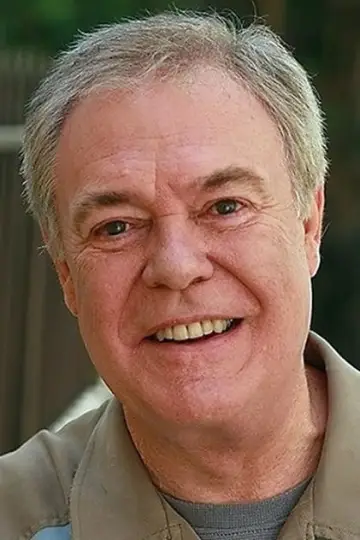
Photo Eliza Schneider #2025

Eliza Schneider

Eliza Schneider
Character Additional Voices (voice)
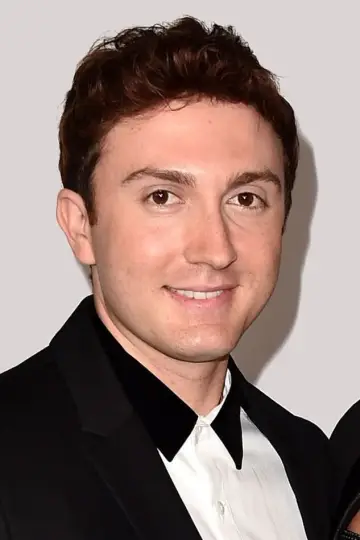
Photo Lee Unkrich #2026Photo Lee Unkrich #2027

Lee Unkrich

Lee Unkrich
Character Additional Voices (voice)

Noah Luke
Character Additional Voices (voice)
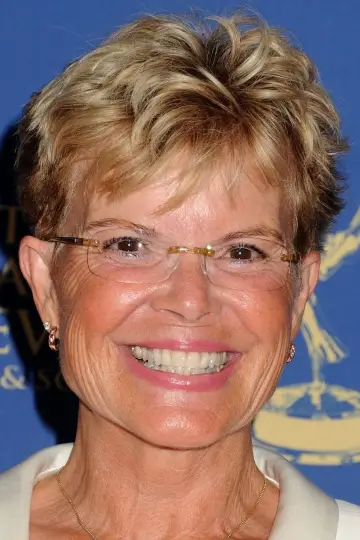
Photo Frank Welker #8066Photo Frank Welker #8067Photo Frank Welker #8068

Frank Welker

Frank Welker
Character Jellyfish (voice) (uncredited)

What's left behind the scenes

  • The film is dedicated to the memory of Glenn McQueen (1960-2002), a Pixar animator.
  • Initially, composers Danny Elfman and Hans Zimmer were considered to write the music.
  • The dentist's office was modeled after a real dental practice located in the same building as Pixar.
  • Darla was named after Pixar producer Darla K. Anderson.
  • One of the boats is named after Pixar sculptor Jerome Ranft.
  • The seagull scene is a parodic quote from Alfred Hitchcock's film 'The Birds'.
  • According to the DVD, the names of nine boats from Sydney Harbour are: Sea Monkey, Major Plot Point, Bow Movement, iBoat, Knottie Buoy, For the Birds, Pier Pressure, Skiff-A-Dee-Doo-Dah (a reference to the most famous song from the film "Song of the South" (1946) – "Zip-a-Dee-Doo-Dah") and The Surly Mermaid.
  • Gill's facial coloring mimics the characteristic lines around the mouth of his voice actor, Willem Dafoe.
  • Co-writer Bob Peterson also voiced Mr. Ray.
  • The highest box office gross for an animated film following its American release (May 30, 2003).
  • There was concern that after viewing the film, children would try to release their pet fish into the wild, flushing them down the toilet. A company that manufactures water filtration equipment and is involved in wastewater treatment issued a warning on Thursday, after the film's release, stating that while sewage does eventually reach the ocean, before it gets there the water passes through equipment that breaks down solid matter. Furthermore, the company said that in real life the film would more appropriately be titled "Grinding Nemo."
  • Andrew Stanton always believed that Albert Brooks would be best suited to voice Marlin. Although Brooks had participated in several episodes of "The Simpsons," working on a full-length animated film was significantly different for him in that he had to work alone, rather than with the other actors. He didn't particularly enjoy this kind of experience.
  • Work on the film initially began in 1997. And production actually started in January 2000 with a team that eventually numbered 180 people.
  • The flowing strands of the anemone on the seabed are animated using the same program that was used to create Sully’s hair in the animated film "Monsters, Inc." (2001).
  • The look and feel of the underwater world were crucial to the film's success. To this end, the entire development team was sent to an aquarium, then scuba diving in Monterey and Hawaii, they were given lessons in front of Pixar's own 25-gallon aquarium, and a series of lectures were even given by an ichthyologist.
  • The number of people on the animation team ranged from 28 to 50.
  • Andrew Stanton shared his ideas and story with Pixar's head, John Lasseter, during an hour-long conversation, using elaborate visuals and character voices. At the end of his presentation, exhausted Stanton asked Lasseter what he thought, to which Lasseter replied, "You've reeled me in."
  • For the jellyfish scenes, Pixar staff created an entirely new shading system they dubbed “transblurrency” – transparent, yet blurry, like a frosted bathroom window.
  • During the scene with the turtle ride, approximately 200 turtles were drawn in the background.
  • For research purposes, key figures involved in the film's creation had to obtain scuba certification to travel to the Great Barrier Reef at John Lasseter's insistence.
  • One of the dentist's patients, "little Davey Reynolds," is a reference to David Reynolds, one of the film's screenwriters.
  • To see how realistic the picture could be, the art team was asked to make exact copies of shots of the underwater and above-water worlds. Ultimately, the results were deemed "too realistic" for an animated film.
  • According to information on the DVD, the film contains certain allusions to Massachusetts, due to the fact that one of its creators is from Rockport (Massachusetts) (a small town on Cape Ann, about an hour north of Boston). In the dentist's office, there are two "Beacon Lamps" modeled after the twin lighthouse on Thatcher Island (practically next to the Rockport coastline). Also in the office is a framed picture – "Motive Number One," a building frequently photographed by tourists in the center of Rockport. And finally, while various marine creatures discuss Marlin's adventures throughout the ocean, in one scene a group of lobsters speaks with a Boston accent, using slang. There is no mistake in the DVD commentary that lobsters exist in Australia. They do, but the lobsters shown in the film are clawed lobsters. The world's largest population of lobsters are actually spiny lobsters (langoustines). However, since the lobsters discuss Marlin's adventures with an English accent, it is quite possible that they are from areas adjacent to Massachusetts, emphasizing that Marlin's story is known to everyone in the marine world.
  • In the USA, the animated film set a record for first-day sales – 8 million copies sold (80% of which were on DVD).
  • As of January 2005, it was the best-selling DVD in the world of all time – 22 million copies sold.
  • Although this was never mentioned in the film, according to the director in the commentary, Crush and his team of adventure-seeking turtles were swimming to Hawaii. The commentary also notes that the shells of the young turtles were modeled after Hawaiian shirts.
  • Processing a single frame lasting about 1/24th of a second in the film could take up to four days, due to the complexity of the underwater environment with sunlight passing through the water and reflecting off the fish scales.
  • One of the musical themes composed by Thomas Newman for the film never appeared in the final cut, but it is featured in one of the trailers and on one of the DVD menus for the film.
  • Dory Lane and Marlin Drive are intersecting streets in a suburb of Redwood City, directly across the bay from the Pixar offices.
  • The names of the two main turtles are also the names of popular citrus soda brands in the US: Crush and Squirt.
  • Director Andrew Stanton initially planned to reveal the fate of Marlin's wife gradually through flashbacks appearing periodically throughout the film. After several test screenings, he felt that Marlin came across as a very anxious character, and he decided to reveal the entire backstory, resulting in Marlin becoming more relatable due to the reason for his overprotectiveness being revealed.
  • Initially, the whale that swallows Marlin and Dory approaches them from the front. This version was present in early trailers. The final version, where the whale appears from behind, was created after being inspired by early animation tests showing the whale emerging from the darkness of the ocean behind a small fish.
  • Animators studied dog facial expressions, paying particular attention to the eyes, to bring life and make the fish's facial expressions more emotional.
  • In Latin, the word “Nemo” means “no one.” This is also a reference to Captain Nemo in Jules Verne’s novel “20,000 Leagues Under the Sea.”
  • William H. Macy was originally intended to voice Marlin, and all of Marlin’s dialogue had been recorded with him. However, he was ultimately replaced by Albert Brooks.
  • The character Jacques is partially based on actor Fritz Feld, whose signature move was to slap his lips with his hand to express his superiority and annoyance.
  • Dory is the first role written specifically for Ellen DeGeneres.
  • Nigel's line, "Fish should swim, birds should eat," is a reference to the phrase "Fish must swim, birds must fly" from the song "Can't Help Lovin' That Man" from the Broadway musical "Show Boat."
  • The great white shark in the film is named Bruce. This name was given to the shark model used in the film "Jaws" (1975), named after Steven Spielberg's lawyer – Bruce Ramer.
  • For the DVD extras, Albert Brooks spent an entire day in the studio improvising heavily altered versions of the sea anemone joke; none of the versions he told were repeated. And throughout the day, he was accompanied by a team of technicians recording his improvisations.
  • When Gill is thinking about escaping, the camera pans to the window, and outside, a "Planet Pizza" truck from the animated film "Toy Story" (1995) can be seen.
  • The dentist's camera model number is A-113, and this number appears in all Pixar films as a reference to the audience of the California Institute of the Arts, where Pixar Studios animators work.
  • The dentist's diploma is taken from the Pixar University School of Dentistry.
  • At the bottom of the aquarium, algae cover a model boat topped with a mermaid from the cartoon "Tin Toy" (1989).
  • Among the toys in the waiting room are a Jack-in-the-box and Buzz Lightyear, and on the shelf is the airplane he used to fly in "Toy Story" (1995), and a ball with the Pixar logo from "Luxo Jr." (1986).
  • To make Nigel's voice sound the way it does when Marlin and Dory are in his mouth, Geoffrey Rush pressed his tongue while voicing him.
  • In the English version, Breeze (Deb)'s sister (reflection) is named Flo. This is a direct reference to a character from the future films "Cars" (2006) and "Cars 2" (2011).
  • At the end of the credits, Mike Wazowski from the movie "Monsters, Inc." (2001) appears.
  • In the scene where the pelican arrives with Marlin and Dory, there's a moment where a boy is sitting with his mother at the dentist's office reading a comic book about Mr. Incredible from the future movie "The Incredibles" (2004).
  • Wallaby Way Street is named after a graphic design agency on Commonwealth Street in Sydney.
  • In one of the promotional trailers for the Moldovan TV channel "Jurnal TV", a clownfish, Nemo, was in the aquarium.
  • When the girl Darla smiles, music from the film "Psycho" (1960) plays (the main scene with the knife in the shower).
  • When the fish in the aquarium observe the dentist at work, Blott asks if an isolation dam and clamp were used. Another fish replies that they were, but when the patient is shown, they are not present.
  • When Mr. Ray sings his song "Let's Name the Species," he is actually not naming species. Sponges, cnidarians, ctenophores, bryozoans, arthropods, echinoderms, and chordates are all phyla. Hydroids, scyphozoans, and coral polyps are classes within the phylum Cnidaria (cnidarians), and gastropods are a class within the phylum Mollusca. The order of classification is: kingdom, phylum, class, order, family, genus, species. Phyla and classes are certainly not the same as species, although the DVD mentions that Mr. Ray is not a real scientist. In that case, it is quite possible that he mistook one for the other, unaware that he was spreading misinformation.
  • The instrument the dentist is using is called a "Gates Glidden" drill, not a "Gator Glidden" drill. It is also visible that the dentist is using it to access the root canal. This instrument is actually used for cleaning and shaping it. The correct instrument used for endodontic access is a solid carbide bur.
  • Crush (the sea turtle) claims to be 150 years old and still young. In reality, the lifespan of a sea turtle is only 80 years. Contrary to popular belief, no species of turtle has a lifespan exceeding 100 years. Land tortoises are known as long-lived creatures. Currently, the record stands at 188 years, not much older than Crush.
  • When the dentist takes Nemo out of the aquarium, you can see his bag with a zipper on top. The next time the bag is shown, the zipper is gone.
  • When Bruce is chasing Marlin and Dory, the mask in his mouth is sometimes on the left side and sometimes on the right.
  • When Nemo swims with Mr. Ray in the school scene, he hides behind his right eye, and then reappears on his back at the end of the scene.
  • When the fish in the ocean swim downwards to escape the fishing nets, a piece of wood breaks off when the net falls to the bottom. However, the wood is not visible in subsequent shots.
  • When Marlin tells his story to the little turtles (55:47), their shells look different than in other scenes.
  • Nigel the Pelican is an American brown pelican, scientifically known as Pelecanus occidentalis. The film is set in Australia, where brown pelicans are not found, but Australian pelicans are, known as Pelecanus conspicillatus. These birds look completely different.
  • The dive flag (red with a white stripe) on the dentist's boat is an American marine flag designed to warn others that underwater descents are being made from the vessel. This flag is not used in Australia, and it is unlikely to have appeared on the Great Barrier Reef. The Australian version is blue with a white flag.
  • Marlin and Dory are advised to swim in the back of a whale's throat and then be blown out through the whale's blowhole. This is physically impossible, as the whale's mouth and digestive system are not connected to its respiratory system.
  • Coral should be larger than Marlin. Female clownfish are typically larger than males (often even twice as large).
  • The divers' boat has a pivoting column with two propellers. When it starts working, both propellers rotate in the same direction, but they should rotate in opposite directions.
  • Blot (Longnose pufferfish/Diodon holacanthus) and Jacques (Cleaner shrimp/Lysmata amboinensis) should not be kept in the same aquarium because invertebrates are a primary food source for Diodon holacanthus.
  • Mr. Ray is not actually a 'Mr.' as he lacks claspers (male reproductive organs).
  • Nigel the pelican has nostrils. Pelicans do not have nostrils. They breathe through their mouths.
  • When Dory and Marlin are inside the whale’s mouth, they see a uvula at the back of the throat. No animal has a uvula, it is unique to humans.
  • If a fish is in a bag of water that is floating in the ocean, the water level inside the bag must be equal to the ocean's surface.
  • According to the DVD, the names of the nine boats from Sydney Harbour are: Sea Monkey, Major Plot Point, Bow Movement, iBoat, Knottie Buoy, For the Birds, Pier Pressure, Skiff-A-Dee-Doo-Dah (a reference to the most famous song from the film 'Song of the South' (1946) – 'Zip-a-Dee-Doo-Dah') and The Surly Mermaid.
  • According to information on the DVD, the film contains several allusions to Massachusetts, due to the fact that one of its creators is from Rockport, Massachusetts (a small town on Cape Ann, about an hour north of Boston). In the dentist's office, there are two 'Lighthouse Lamps' modeled after the twin lighthouses on Thatcher Island (practically adjacent to the Rockport coastline). The office also features a framed painting – 'Motive Number One,' a building frequently photographed by tourists in downtown Rockport. Finally, while various marine creatures discuss Marlin’s adventures throughout the ocean, in one scene a group of lobsters converse with a Boston accent, using slang. The DVD commentary corrects the error that lobsters are found in Australia. They are, but the lobsters shown in the film are clawed lobsters. The world's most abundant lobsters, Australian lobsters, are actually spiny lobsters. However, since the lobsters discuss Marlin’s adventures with an English accent, it is quite likely they are from areas adjacent to Massachusetts, emphasizing that Marlin’s story is well-known throughout the marine world.
  • When Mr. Ray sings his song “Let’s Name the Species,” he is not actually naming species. Sponges, cnidarians, ctenophores, bryozoans, arthropods, echinoderms, and chordates are all phyla. Hydroids, scyphoids, and coral polyps are classes within the phylum Cnidaria (cnidarians), and gastropods are a class within the phylum Mollusca. The order of classification is: kingdom, phylum, class, order, family, genus, species. Phyla and classes are certainly not the same as species, although the DVD mentions that Mr. Ray is not a real scientist. In that case, it is quite possible that he mistook one for the other, unaware that he was spreading misinformation.
Did you like the film?

© ACMODASI, 2010-2026

All rights reserved.
The materials (trademarks, videos, images and text) contained on this site are the property of their respective owners. It is forbidden to use any materials from this site without prior agreement with their owner.
When copying text and graphic materials (videos, images, text, screenshots of pages) from this site, an active link to the site www.acmodasi.in must necessarily accompany such material.
We are not responsible for any information posted on this site by third parties.