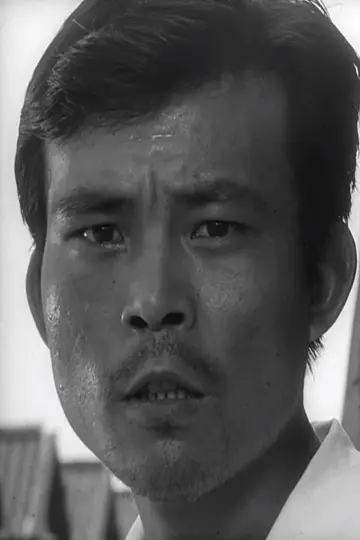
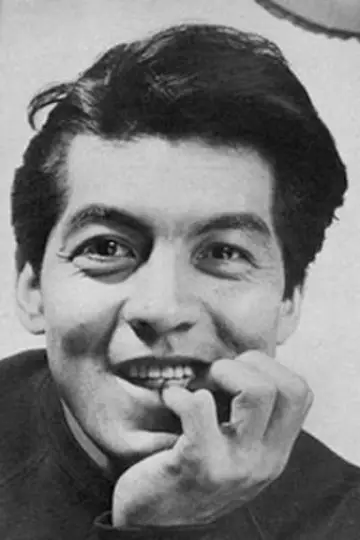
Harakiri - actors, characters and roles

All actors and their roles in the film "Harakiri"
切腹 (1962)
Timing: 2:15 (135 min)
Harakiri - TMDB rating
8.437/10
1224
Harakiri - Kinopoisk rating
8.175/10
11165
Harakiri - IMDB rating
8.6/10
90000

Actors and characters

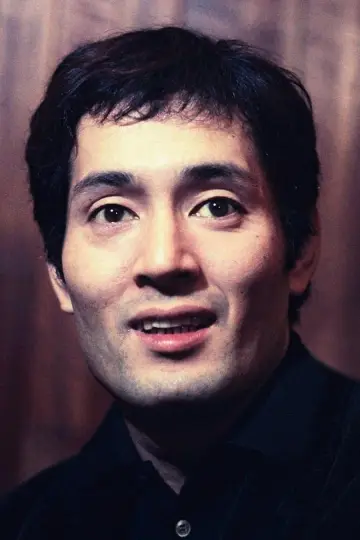
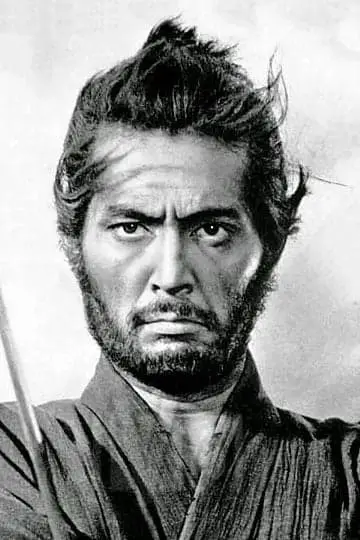
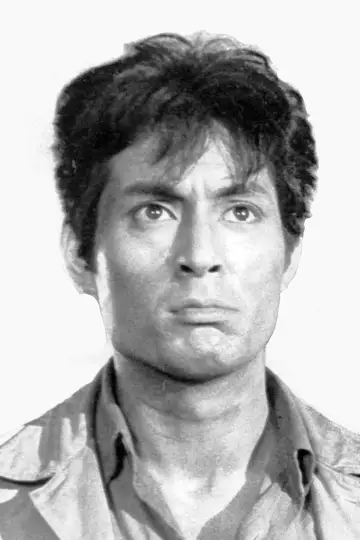
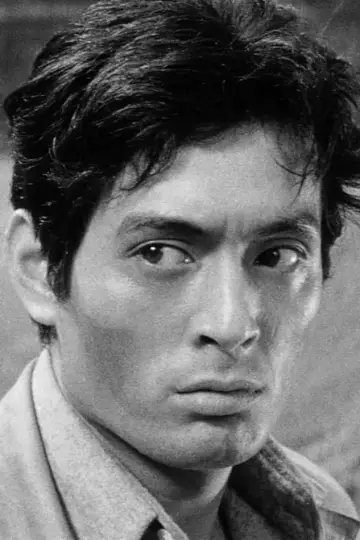
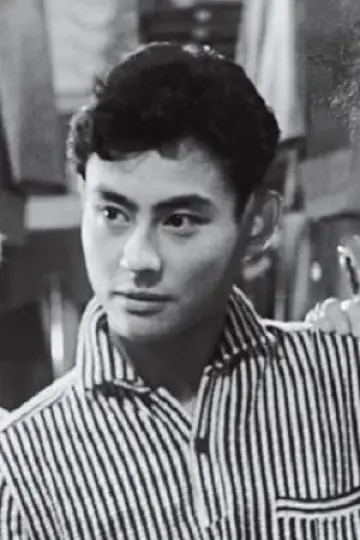
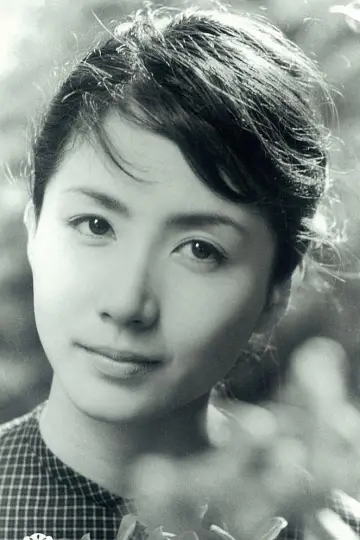
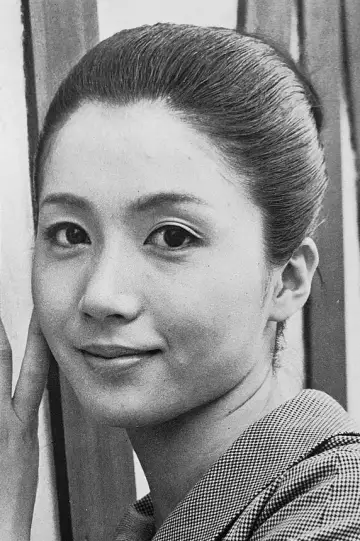
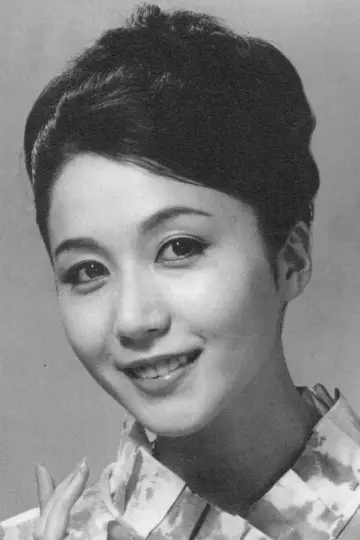
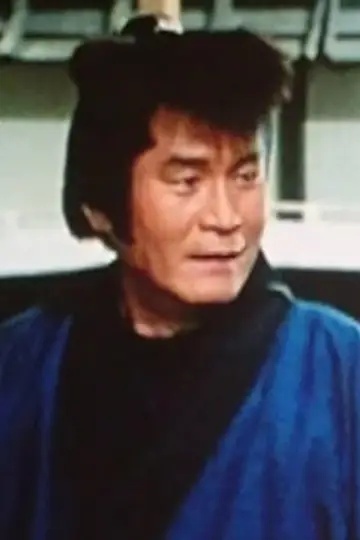
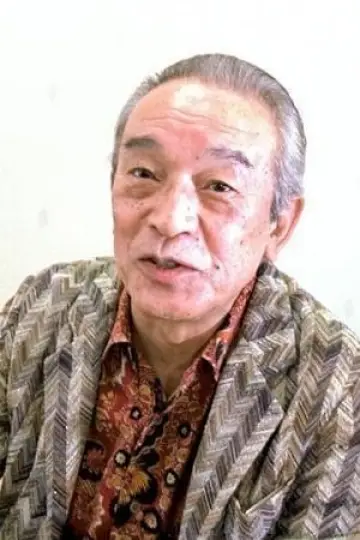
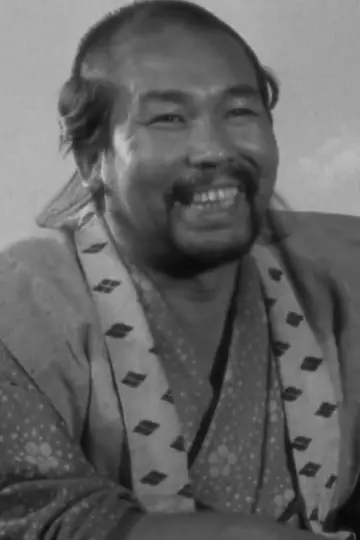
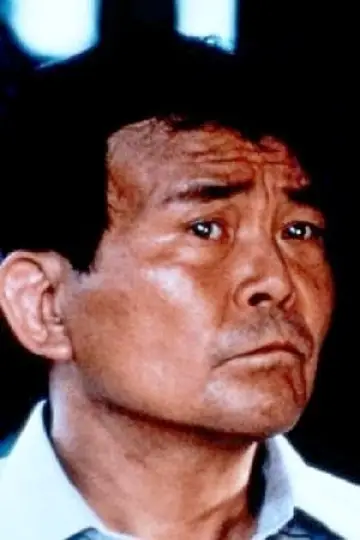
Photo Tatsuya Nakadai #55725Photo Tatsuya Nakadai #55726Photo Tatsuya Nakadai #55727Photo Tatsuya Nakadai #55728

Tatsuya Nakadai

Tatsuya Nakadai
Character Hanshiro Tsugumo
Photo Akira Ishihama #104576

Akira Ishihama

Akira Ishihama
Character Motome Chijiiwa
Photo Shima Iwashita #104577Photo Shima Iwashita #104578Photo Shima Iwashita #104579Photo Shima Iwashita #104580

Shima Iwashita

Shima Iwashita
Character Miho Tsugumo
Photo Tetsurō Tamba #64364Photo Tetsurō Tamba #64365

Tetsurō Tamba

Tetsurō Tamba
Character Hikokuro Omodaka
Photo Masao Mishima #104582
Masao Mishima
Character Tango Inaba
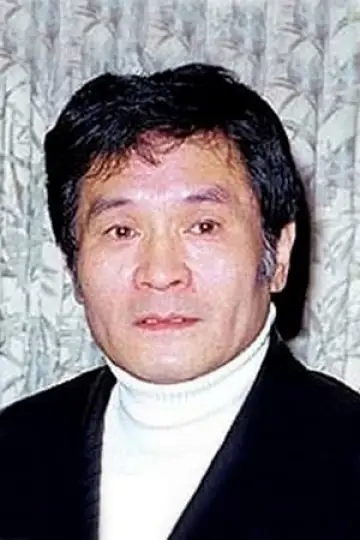
Photo Ichirō Nakatani #103936Photo Ichirō Nakatani #103937

Ichirō Nakatani

Ichirō Nakatani
Character Hayato Yazaki
Photo Kei Satō #104583
Kei Satō
Character Masakazu
Photo Yoshio Inaba #55669

Yoshio Inaba

Yoshio Inaba
Character Jinai Chijiiwa
Photo Hisashi Igawa #94740Photo Hisashi Igawa #94741

Hisashi Igawa

Hisashi Igawa
Character Retainer
Toru Takeuchi
Character Retainer
Photo Rentaro Mikuni #104590

Rentaro Mikuni

Rentaro Mikuni
Character Kageyu Saito

What's left behind the scenes

  • During the filming of the action scenes, Tatsuya Nakadai (who played the ronin Hanshiro Tsugumo) was constantly afraid because the swords and spears were real—even though the use of real weapons is prohibited in Japanese cinema. He was not particularly comforted by the fact that all the fights were choreographed and the weapons were in the hands of professionals.
  • The ronin in the film claim they served Masanori Fukushima until his exile, after which they were left without a master. Fukushima was exiled for unilaterally beginning repairs on a castle in Hiroshima, which contradicted the law. Fukushima and his son were stripped of all their property and banished to another prefecture.
  • Tatsuya Nakadai and his co-star Rentaro Mikuni clashed during filming over their speaking styles. The former delivered his lines loudly and clearly, while the latter spoke considerably softer—both stood their ground, citing their own professional experiences to support their views. It ended with director Masaki Kobayashi halting production and informing the actors that filming would not resume until they finally reached an agreement. The hiatus lasted three days.
  • The film is a vivid example of how Masaki Kobayashi opposed the practice of idealizing Japan's former feudal system. The samurai code of honor is repeatedly called into question throughout the movie. This kind of opposition was characteristic of the post-occupation movement in Japan, which was linked to protests against the presence of American military bases in the country.
  • After Shima Iwashita's character married, she was depicted on screen exclusively with blackened teeth. In feudal Japan, black teeth were a sign that a lady was married. The tradition of teeth blackening was called 'ohaguro'.
  • The bamboo swords shown in the film were called 'takemitsu,' and the film's composer was named Toru Takemitsu. A joke circulated among the crew: 'Harakiri via Takemitsu, music by Takemitsu'.
Did you like the film?

© ACMODASI, 2010-2026

All rights reserved.
The materials (trademarks, videos, images and text) contained on this site are the property of their respective owners. It is forbidden to use any materials from this site without prior agreement with their owner.
When copying text and graphic materials (videos, images, text, screenshots of pages) from this site, an active link to the site www.acmodasi.in must necessarily accompany such material.
We are not responsible for any information posted on this site by third parties.