The Wind and the Lion








Short description
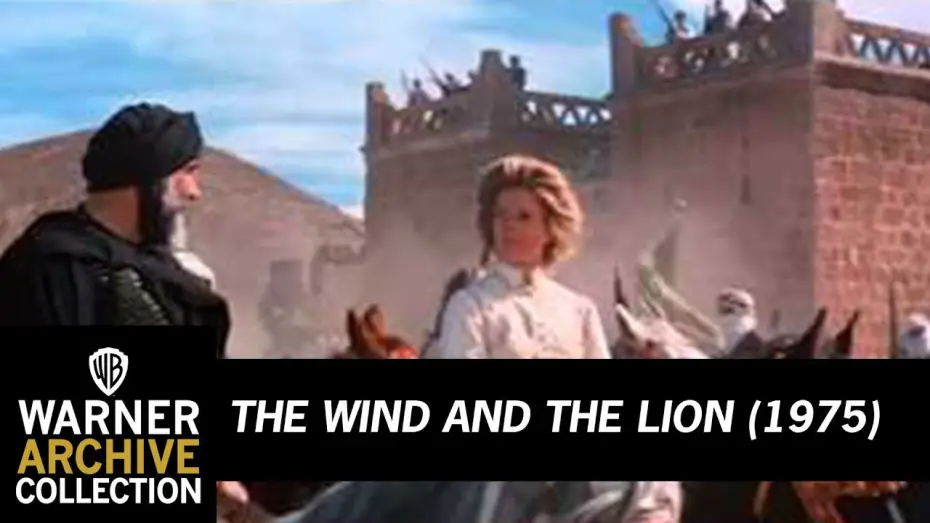
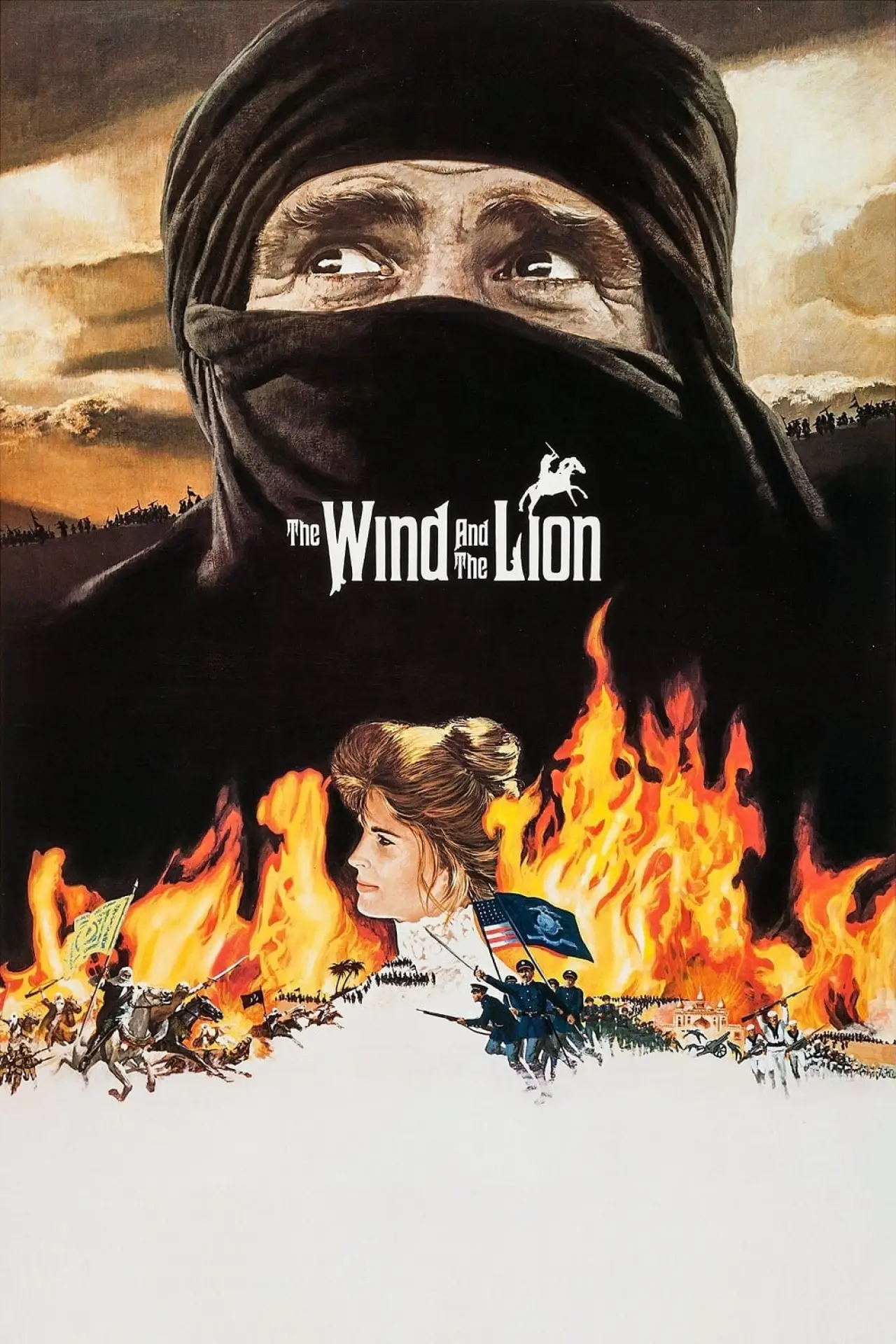
Set in Morocco in 1904, the film follows Eden Pedecaris, an American widow living in Tangier with her two children. She is seized by the Berber leader Mulai Ahmed er Raisuli, whose raid is meant to draw attention to his people's cause and to embarrass the powers competing for influence in the region. Her capture sets off a diplomatic crisis that draws in the American government under President Theodore Roosevelt and eventually leads to military pressure. Over time, the relationship between captor and captive develops in a way neither expects.
John Milius directed and wrote the screenplay, following his debut Dillinger in 1973. Sean Connery plays Raisuli, with Candice Bergen as Eden, Brian Keith as Roosevelt, and John Huston and Geoffrey Lewis in supporting roles. Produced by Herb Jaffe for Metro-Goldwyn-Mayer on a budget of about 4 million dollars, the film took roughly 9 million dollars worldwide.
It runs 119 minutes and blends action, adventure, drama and history. On IMDb it holds 6.8 out of 10 from around 11,000 votes, while on TMDB it stands at 6.5 from about 200 votes. A critics' rating of 6.4 from 16 reviews places it close to the audience scores rather than clearly above or below them.
What's left behind the scenes
- John Milius wanted Orson Welles to play a newspaper magnate named Charles Foster Kane. But the studio feared that RKO would sue them, as this name coincided with the name of Orson Welles' character from 'Citizen Kane'.
- Billy Williams, the film's cinematographer, played the episodic role of Eden, a British friend who died at the hands of Raisuli.
- In the final battle, the German officer was left without firearms and continued to fight with a cold weapon. The leader of the Arab rebels, whom he fought, rewarded him with a scar, which for representatives of the upper classes of German and Austrian society served as proof of courage. In a society where many issues were resolved by the outcome of a duel, the winner was considered the person who was able to walk independently after the duel, leaving a scar. Demonstrating one's skill as a duelist was extremely important, but equally important was demonstrating the ability to receive wounds. Courage was manifested in the ability to take a hit, not in the ability to inflict a scar. Scars on the face were considered the most honorable.
- According to Nadi Savaliya, Nadim Savalha initially tried to teach Sean Connery (1930-2020) to speak with an Arabic accent, but soon abandoned the endeavor.




 Auditions in India
 Casting calls in USA
 Castingi w Polsce
 Кастинги в Україні

