Mississippi Burning



Short description
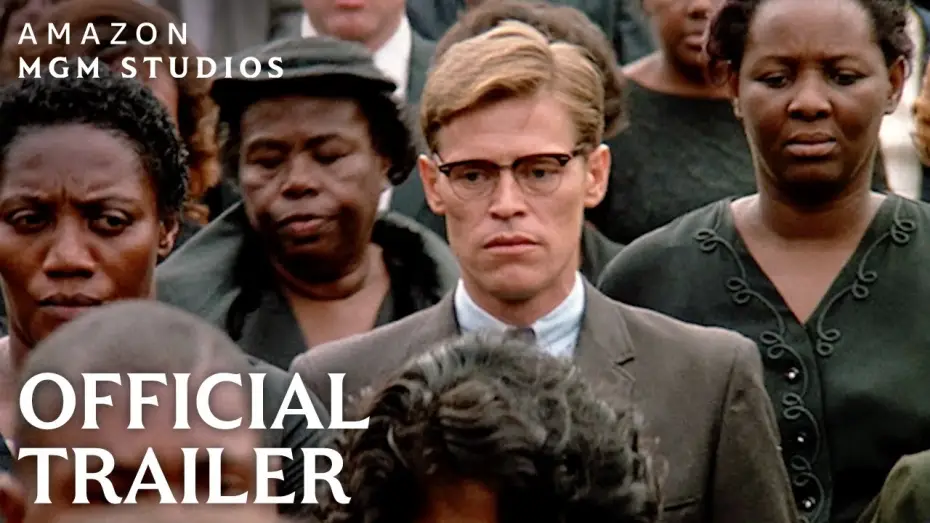
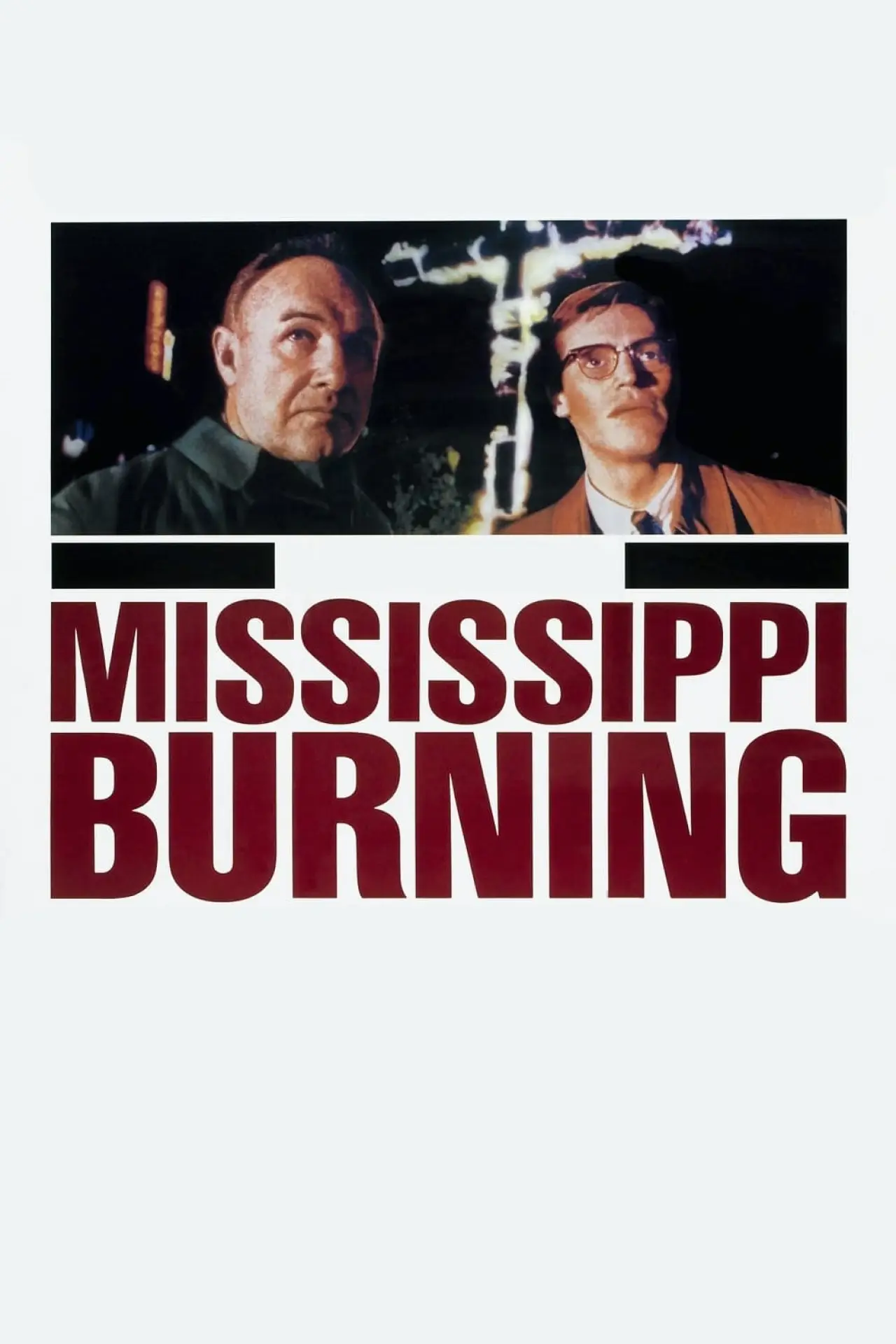
Set in Mississippi in 1964, the film follows two FBI agents sent to a small Southern town to investigate the disappearance of three civil rights workers, one Black and two white. The agents could hardly be more different: Rupert Anderson is a former local sheriff who understands the region's customs, while Alan Ward is a by-the-book agent trained at the Bureau. Their inquiry runs into a wall of silence among residents who resist outside interference and resent the federal presence, and as the case develops, Anderson grows close to the wife of a local deputy.
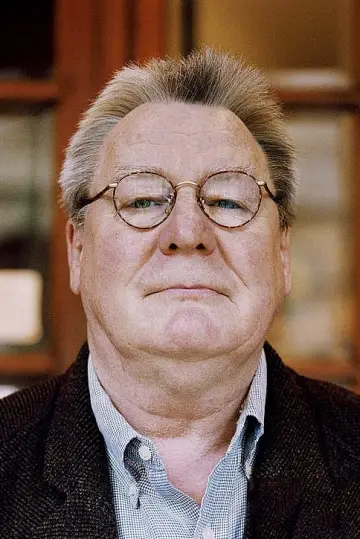
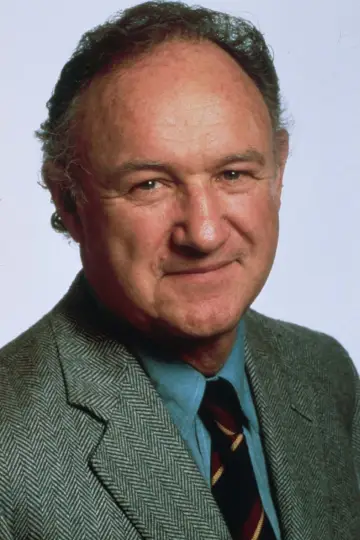
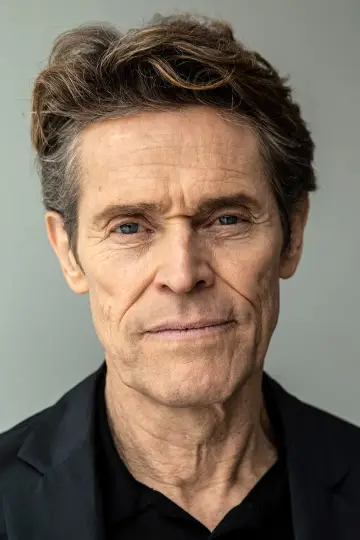
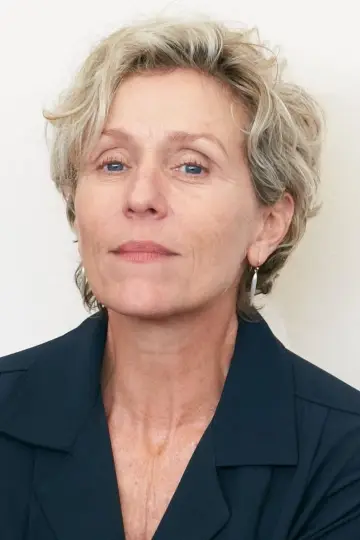
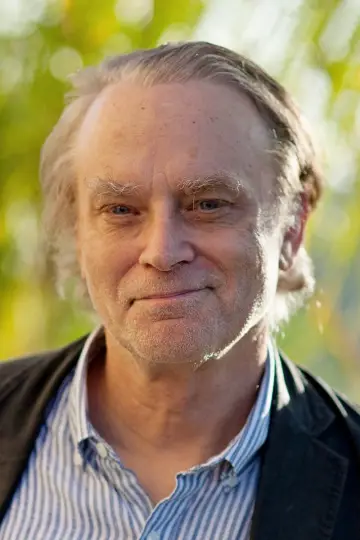
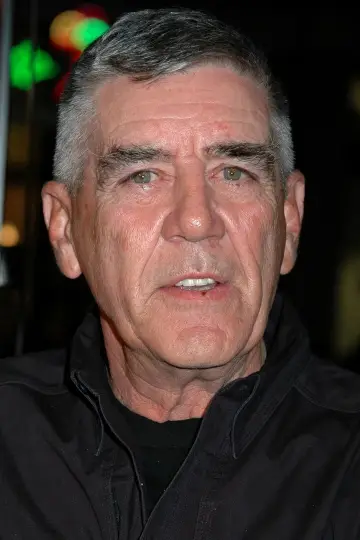
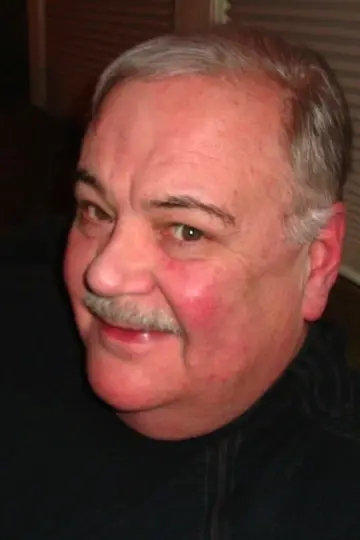
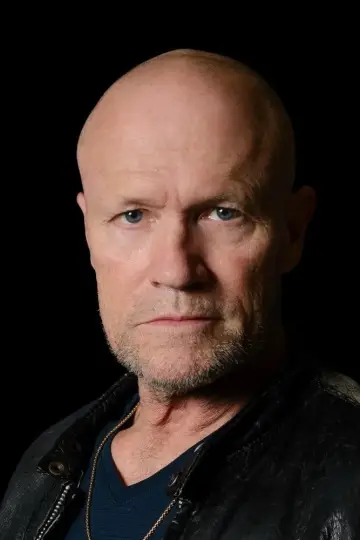
Alan Parker directed the film from a screenplay by Chris Gerolmo, placing it between Angel Heart and The Commitments in his filmography. Gene Hackman plays Anderson and Willem Dafoe plays Ward, with Frances McDormand as Mrs. Pell, Brad Dourif as Deputy Clinton Pell, R. Lee Ermey as Mayor Tilman and Gailard Sartain as Sheriff Stuckey. Produced by Orion Pictures and Frederick Zollo Productions on a budget of about 15 million dollars, it took roughly 35 million dollars worldwide. On IMDb it holds 7.8 out of 10 from around 127,000 votes, and on TMDB 7.7 out of 10 from about 2,000 votes. A critics' rating of 6.7 out of 10 from 29 reviews sits below both audience scores.
What's left behind the scenes
- A loose adaptation of the events triggered by the murder of civil rights activists James Chaney, Michael Schwerner, and Andrew Goodman by members of the Ku Klux Klan on the night of June 21, 1964.
- The interiors of the sheriff's office, courtroom, and the staircase leading to it were filmed in an old courthouse building in Weden, Carroll County, Mississippi. Built in 1905, the building was in disrepair, and during filming, technical staff and extras sometimes had to dodge bricks falling from above. The building was subsequently demolished, although it had been listed on the National Register of Historic Places.
- Alan Parker actually filmed interviews with local residents, fragments of which were included in the film. Their responses were minimally edited.
- During the filming of the clash between racists and reporters, two supporting actors nearly died. They left the cordoned-off area and climbed onto a railway bridge, where they almost were hit by a train.
- In one scene, a member of the Ku Klux Klan throws a victim from a red and white car onto a city square. The car is a 1961 DeSoto.
- Samuel L. Jackson auditioned for the role in the film, but Alan Parker found his accent "not Southern enough." Jackson grew up in Chattanooga, Tennessee, one of the so-called Southeastern states.
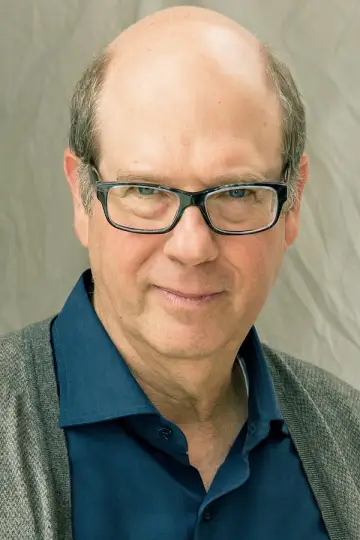
- In his documentary film "Stephen Tobolowsky's Birthday Party" (2005), the actor Stephen Tobolowsky, who played Clayton Townley, recounted that many of the listeners present in the scene where Townley delivers a speech were genuine members of the Ku Klux Klan.


 Auditions in India
 Casting calls in USA
 Castingi w Polsce
 Кастинги в Україні
