The Horse Soldiers




Short description
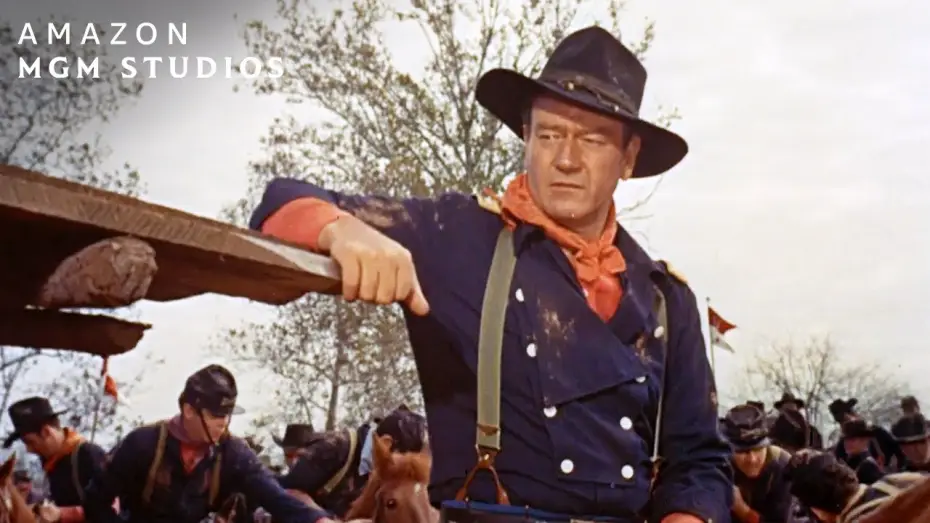
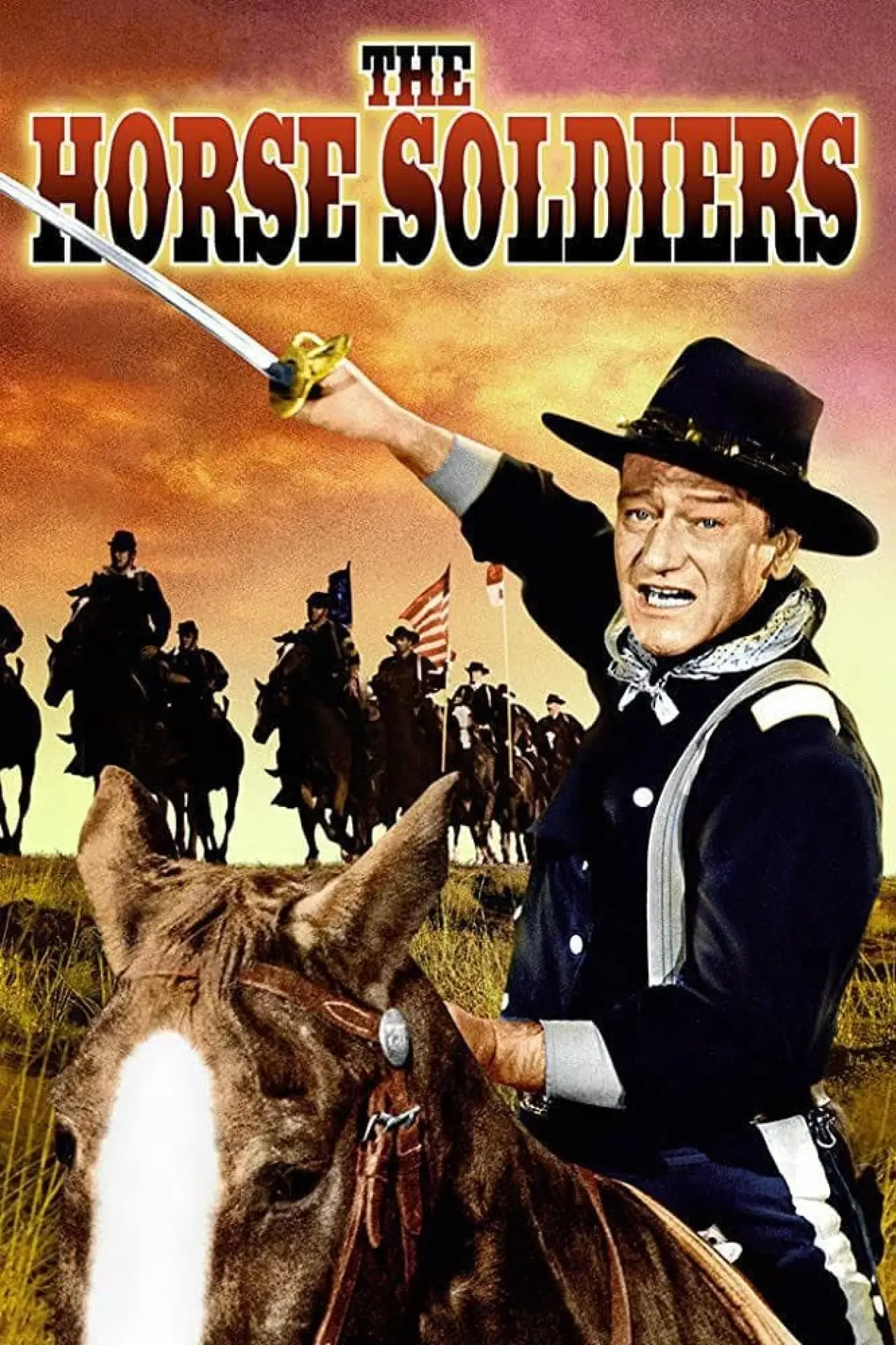
The Horse Soldiers is set during the American Civil War, when a Union cavalry brigade under Colonel John Marlowe is ordered deep into Confederate territory to cut the South's supply lines by destroying railway facilities and bridges. The mission depends on speed, but Marlowe is assigned a regimental doctor, Major Hank Kendall, whose insistence on caring for the wounded puts him at odds with the commander from the outset. When a Southern woman, Hannah Hunter, overhears the details of the plan, she is brought along to keep her from warning the enemy, adding further friction to the expedition.
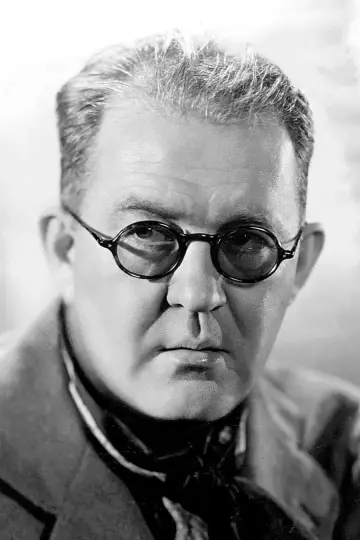
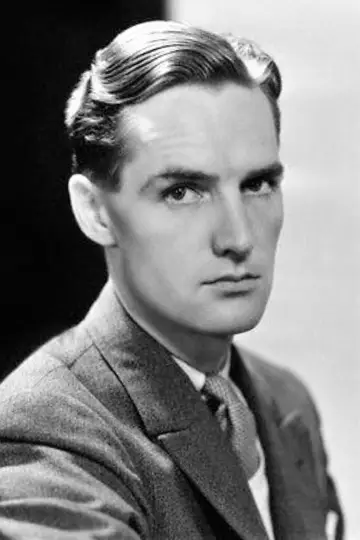
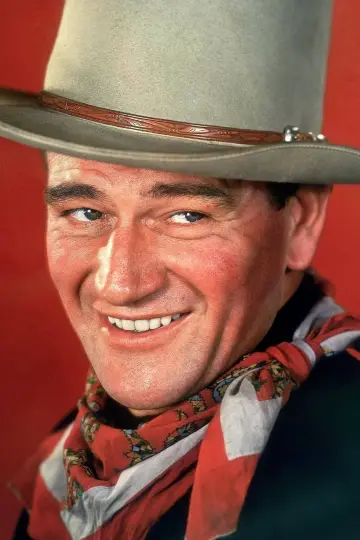
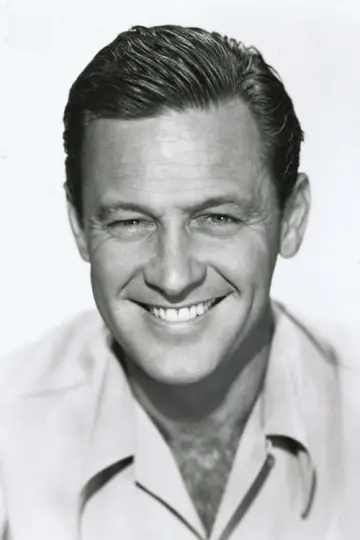
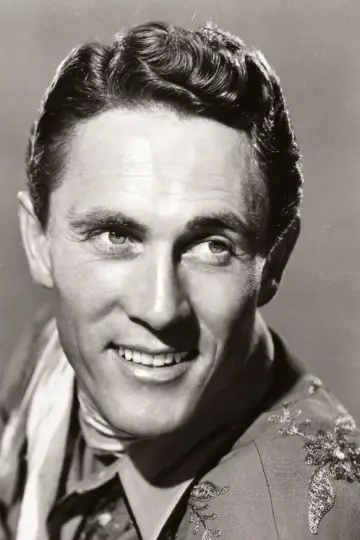
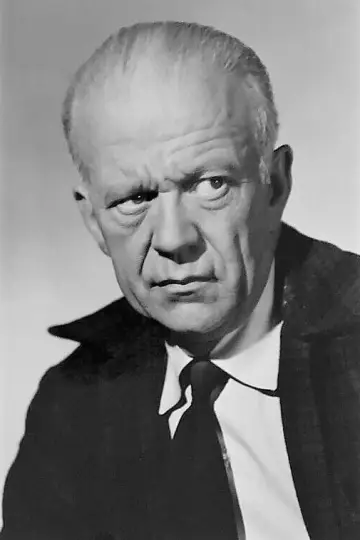
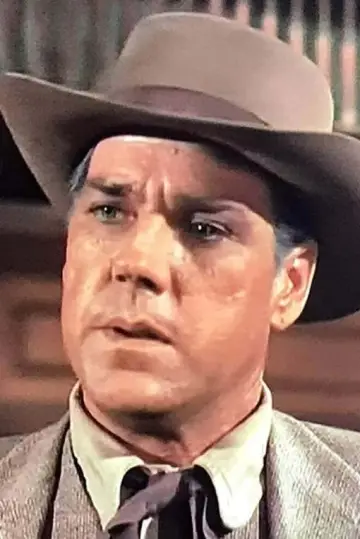
John Ford directed the film, the twenty-third of the thirty-one features listed in his filmography in chronological order, following Gideon's Day and preceding Sergeant Rutledge. John Lee Mahin and Martin Rackin wrote the screenplay and produced. John Wayne plays Marlowe and William Holden plays Kendall, with Constance Towers as Hannah Hunter; Judson Pratt, Hoot Gibson and Ken Curtis appear among the large credited cast of fifty-six. The film runs 115 minutes.
On IMDb it holds a rating of 7.1 from around 13,000 votes, and on TMDB 6.9 from roughly 291 votes. A critics' rating of 7.5 from sixteen reviews places critical opinion somewhat above the audience scores.
What's left behind the scenes
- In Louisiana and Mississippi, John Ford paid Black extras the same amount as he paid White extras.
- During the filming of the battle scene, experienced stuntman Fred Kennedy fell incorrectly from a horse. As a result of the fall, he broke his neck, leading to his death. According to his colleagues, Kennedy had received a similar injury two years earlier, but it had been less severe. Kennedy had worked on several films by John Ford, and the director was deeply shaken by his death. He halted filming and ordered the entire crew to return to the studio. According to the script, the film was supposed to end with the triumphant arrival of Colonel Marlowe's forces in Baton Rouge, but due to the stuntman's death, Ford lost all interest in filming. He finished the film with a scene of Marlowe saying goodbye to Hannah and blowing up the bridge.
- John Ford cast Althea Gibson (1927-2003) for one of the roles in the film. This was done to attract an African American audience. Gibson was an American amateur tennis player and golfer, a leader in women's world tennis in the second half of the 1950s. Shortly before filming this movie, she won both Wimbledon and the U.S. Open in 1957 and 1958.
- The destruction of the railway property at Newton Station was one of the most historically accurate scenes in the entire film. Rails were twisted into loops by heating, and this was called 'Sherman's neckties' (in honor of Major General William Tecumseh Sherman (1820-1891), who fought for the Union). And heated rails were also thrown into the river. Thus, the rails, which were then made of iron rather than steel, became very brittle and unusable.
- A free adaptation of the actual raid by cavalry General Benjamin Grierson (1826-1911) from Tennessee in April 1863.
- This film marked the beginning of the era of mega-salaries for movie stars. John Wayne (1907-1979) and William Holden (1918-1981) received $775,000 plus 20% of the total profit for their participation in the film – unheard-of fees for the time. Six companies were involved in signing the final contract, and the text was twice as long as the script, however, the film flopped at the box office and the total profit had to be forgotten.
- Initially, the heroine's lines, as performed by Althea Gibson, were written in a typically 'Negro' manner, which she found offensive and refused to play, informing John Ford of her decision. Ford usually reacted very negatively to actors who began to make demands or set conditions during filming, but in this case, he ordered the lines to be rewritten.
- Due to Louisiana's racial segregation laws, Althea Gibson would have been forced to live separately from the other actors and crew, so scenes with her were mostly shot in the studio, and only stunt doubles were used on location.
- John Ford (1894-1973), known for his excessive fondness for alcoholic beverages, was advised by his doctor to stay away from alcohol, otherwise things could end very, very badly for him. Ford, who was also known for his stubbornness, nevertheless obeyed. Unfortunately, prolonged abstinence resulted in even more sharp and rude treatment of the other members of the film crew than usual. Whether Ford was drinking or not, John Wayne usually bore the brunt of it, and the filming of this movie was no exception. Ford categorically demanded that Wayne also abstain from alcohol, although the doctor had not warned him about anything like that. Wayne begged producer Martin Rakin (1918-1976) to take him away from the ubiquitous Ford for even a minute, and Rakin agreed to help. He told Ford that Wayne's teeth looked too yellow on film, and that he, Wayne, and William Holden (1918-1981) needed to go to New Orleans to have their teeth whitened. This trio had a grand spree in New Orleans and eventually returned to the enraged Ford, who had already been informed of how many bars they had managed to visit. Despite this incident, Ford didn't touch a drop of alcohol for the rest of the shoot.
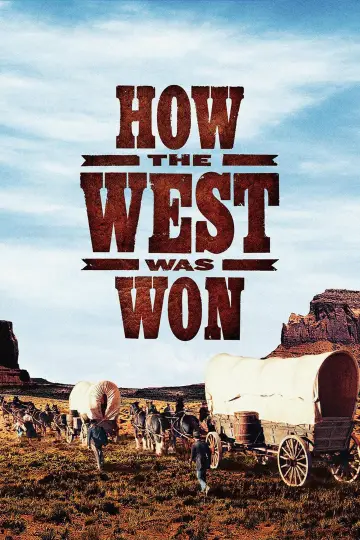
Similar movies


 Auditions in India
 Casting calls in USA
 Castingi w Polsce
 Кастинги в Україні
