The Naked City




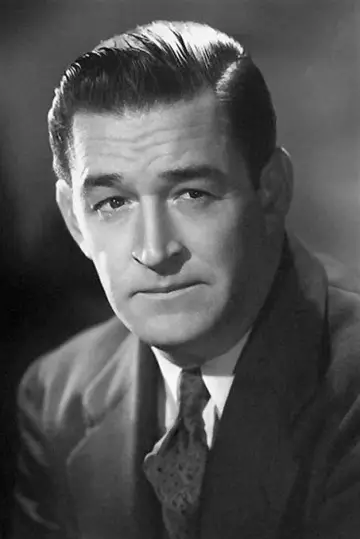
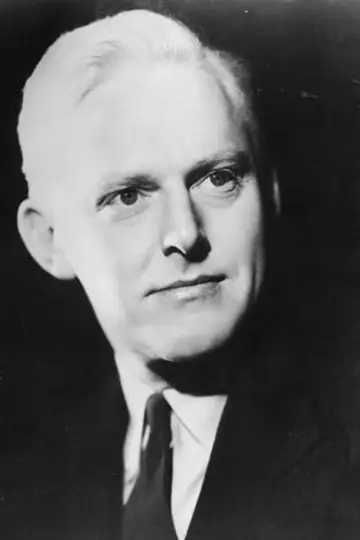
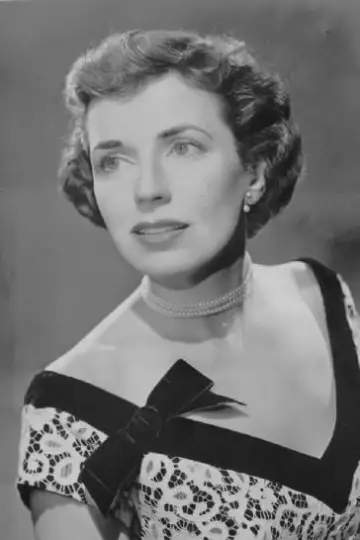
Short description
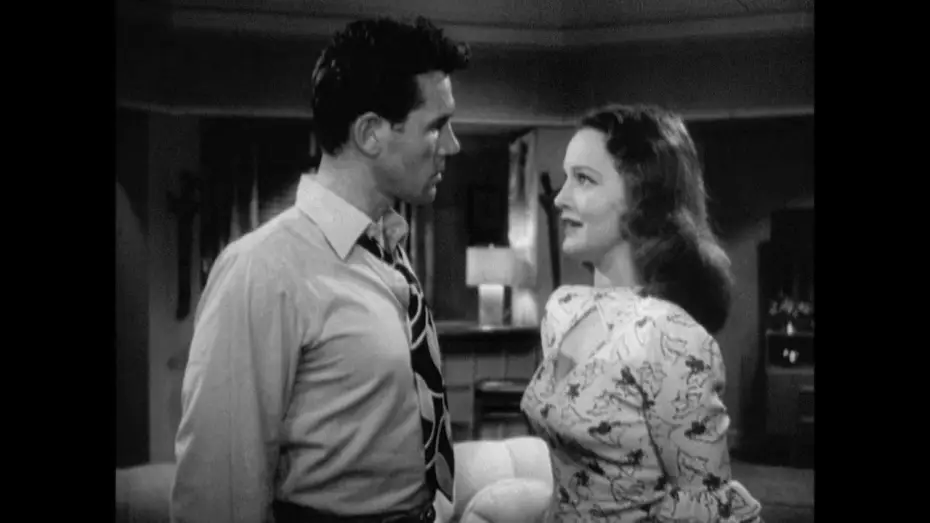
The Naked City follows two New York City detectives, Lieutenant Dan Muldoon and Detective Jimmy Halloran, as they investigate the death of a young woman found in her apartment. What first appears to be a suicide is soon treated as a murder, and the inquiry draws in several suspects tied to a string of apartment robberies across the city. As the older, experienced Muldoon and his younger colleague work the case, their search moves through the streets and homes of a postwar New York that becomes as much a part of the story as the crime itself.
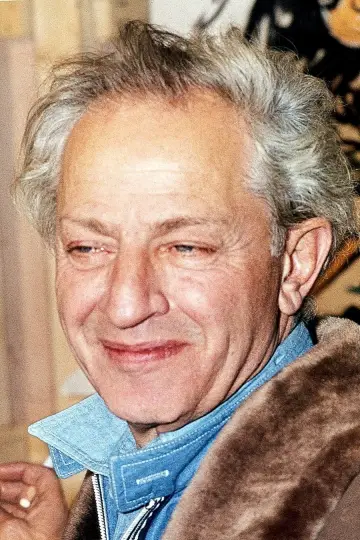
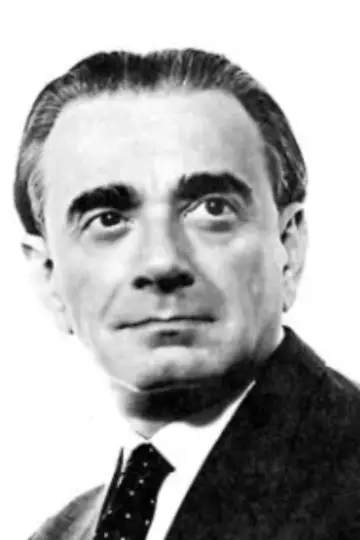
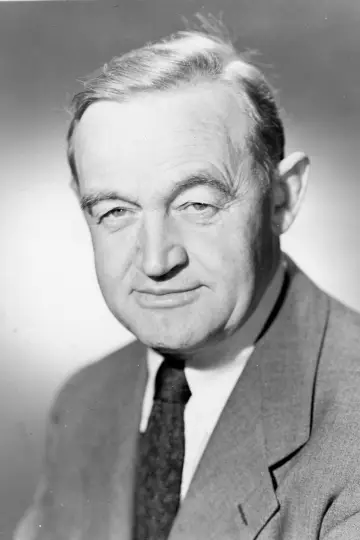
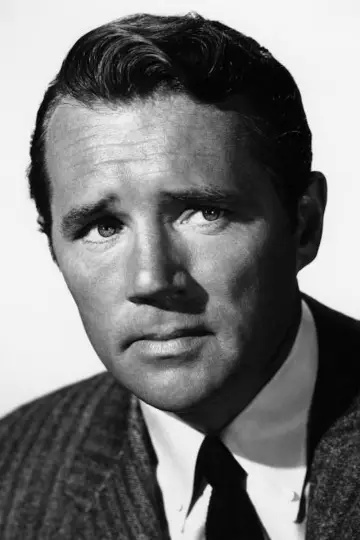
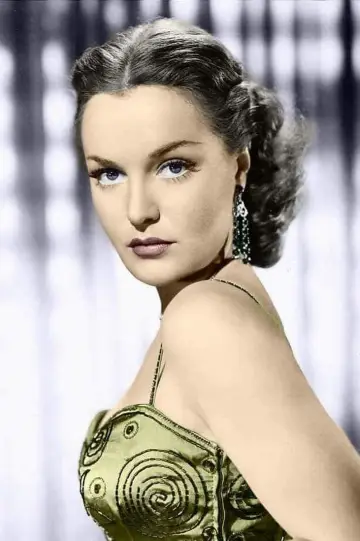
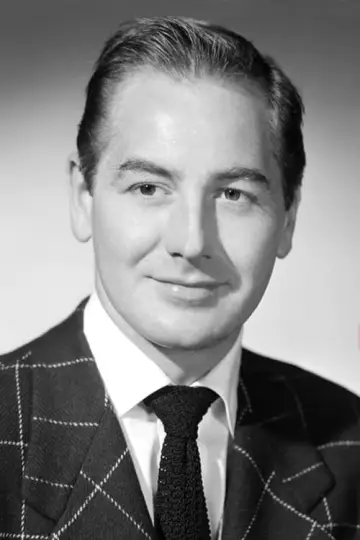
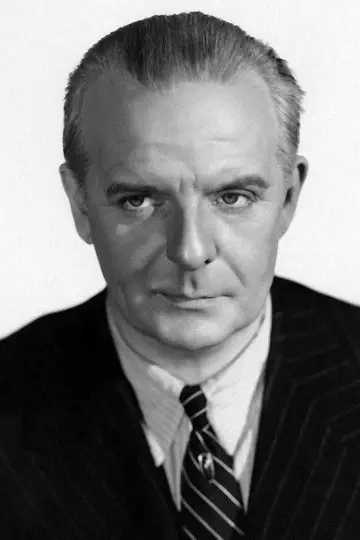
The film was directed by Jules Dassin, the third of eight features listed in his filmography, arriving between Brute Force in 1947 and Thieves' Highway in 1949. Albert Maltz and Malvin Wald wrote the screenplay, and Mark Hellinger produced it. Barry Fitzgerald plays Lieutenant Muldoon, with Don Taylor as Jimmy Halloran, Howard Duff as Frank Niles, Dorothy Hart as Ruth Morrison, Frank Conroy as Captain Donahue and Ted de Corsia as Willy Garzah, among a credited cast of 66.
Released in March 1948 by Universal, the film runs 96 minutes. On IMDb it holds a 7.5 rating from around 17,000 votes, while on TMDB it has a 7.2 from roughly 293 votes, indicating a widely seen film with a steady reputation. A critics' rating of 7.7 from 28 reviews sits close to those audience scores.
What's left behind the scenes
- In 2007, the Library of Congress included the film in the National Film Registry.
- The ideas of the film formed the basis for the television series “Naked City” (1958–1963).
- A total of 107 different locations were used for filming the movie.
- The film crew worked inside a van equipped with glass transparent on only one side, allowing them to film the city while remaining invisible to passersby.
- The film uses the voice of the film's producer, Mark Hellinger, for voice-over narration.
- Producer Mark Hellinger (whose voice is heard in narration) died of a heart attack before the film was released. In light of his death, the management of “Universal Pictures” was already preparing to abandon the film (and the money spent on shooting it), fearing it would flop at the box office. However, the deceased's relatives reminded “Universal Pictures” of a clause in Hellinger’s contract that guaranteed the film’s release. The studio management relented, and to everyone’s surprise, the film was successful and even won two “Oscars” (for best cinematography and best editing).
- A significant portion of the location shooting was done on the streets of New York, with passersby unaware of what was happening. Cinematographer William H. Daniels and his assistant Roy Tripp (uncredited) filmed people on the streets with a hidden camera from a dilapidated and unremarkable van that moved around the city. Sometimes a newspaper stand set was placed on the sidewalk with a camera inside for covertly filming the actors. Director Jules Dassin specifically paid a street juggler to distract passersby from the fake newspaper stand, and occasionally hired someone to climb a lamppost and deliver a patriotic speech, waving an American flag – also to divert attention.


 Auditions in India
 Casting calls in USA
 Castingi w Polsce
 Кастинги в Україні
