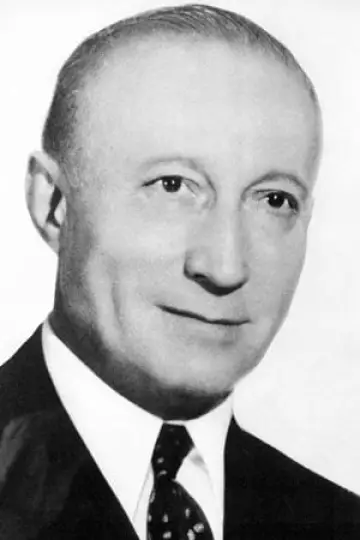
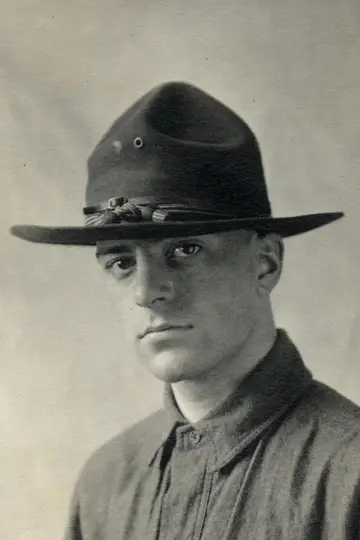
A Farewell to Arms - crew, film crew

The entire team, the film crew of the film "A Farewell to Arms"
A Farewell to Arms (1932)
Timing: 1:29 (89 min)
A Farewell to Arms - TMDB rating
6.204/10
130

Film crew

Director

Producer

Casting

Fred A. Datig
Casting

Editor

Otho Lovering
Editor
George Nichols Jr.
Editor

Art Direction

Hans Dreier

Hans Dreier
Art Direction
Roland Anderson
Art Direction

Costume Design
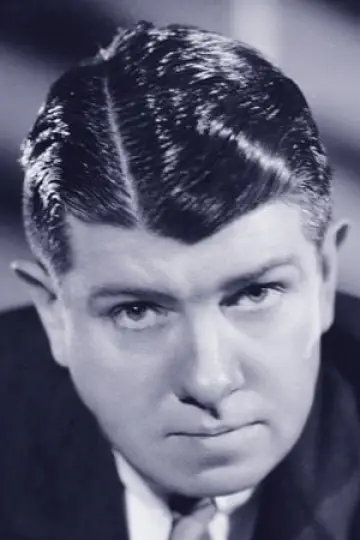
Original Music Composer
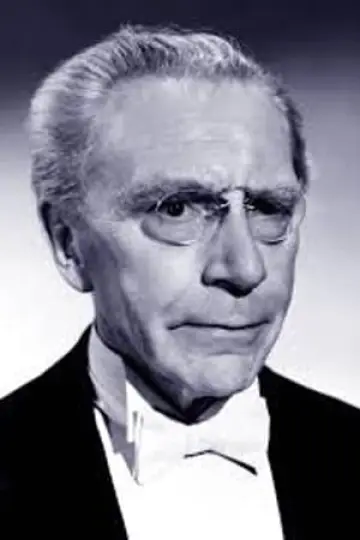
W. Franke Harling

W. Franke Harling
Original Music Composer

Bernhard Kaun

Bernhard Kaun
Original Music Composer
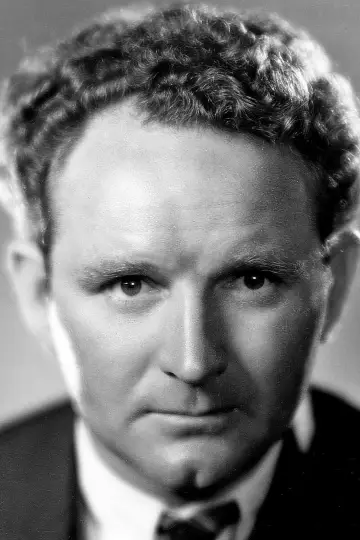
Photo John Leipold #145638

John Leipold

John Leipold
Original Music Composer
Milan Roder
Original Music Composer
Ralph Rainger
Original Music Composer
Herman Hand
Original Music Composer
Paul Marquardt
Original Music Composer

Associate Producer

Benjamin Glazer
Associate Producer
Edward A. Blatt
Associate Producer

Director of Photography

Charles Lang

Charles Lang
Director of Photography

Screenplay

Oliver H.P. Garrett
Screenplay
Benjamin Glazer
Screenplay

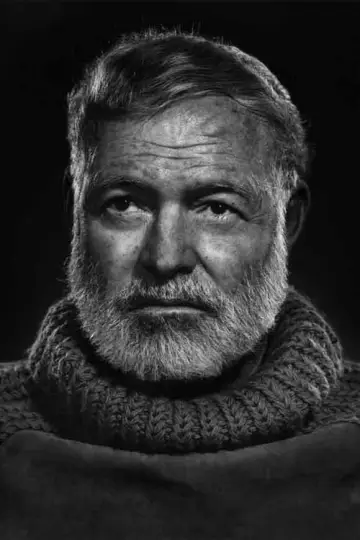
Novel
Props

Clem Jones
Props

Assistant Director

Lew Borzage
Assistant Director
Charles Griffin
Assistant Director
Arthur Jacobson
Assistant Director

Sound

Harold Lewis
Sound

What's left behind the scenes

  • Ernest Hemingway (1899-1961) strongly disliked this interpretation of his 1929 novel. He found it overly romantic. However, this did not prevent him from befriending Gary Cooper (1901-1961), the film's lead actor, whom he met several years after the film's release. Moreover, Hemingway insisted that Cooper play the lead role in the 1943 film adaptation of his 1940 novel “For Whom the Bell Tolls,” directed by Sam Wood (1883-1949). Be that as it may, Hemingway and Cooper never discussed this film.
  • Early versions of the screenplay ran into trouble with censorship due to their depiction of childbirth, as well as references to struggles, gas, groans of pain, and bleeding. Once these details were removed, the script was approved, but the film was never released in British Columbia or Australia, where Hemingway’s novel was banned.
  • Cinema managers were offered copies of the film with two endings to choose from (one happy, one not). When news of this reached Hemingway, he was furious, so cinemas in major cities subsequently began receiving copies with only the unhappy ending, consistent with the ending of the source novel.
Did you like the film?

© ACMODASI, 2010-2026

All rights reserved.
The materials (trademarks, videos, images and text) contained on this site are the property of their respective owners. It is forbidden to use any materials from this site without prior agreement with their owner.
When copying text and graphic materials (videos, images, text, screenshots of pages) from this site, an active link to the site www.acmodasi.in must necessarily accompany such material.
We are not responsible for any information posted on this site by third parties.