A Farewell to Arms




Short description
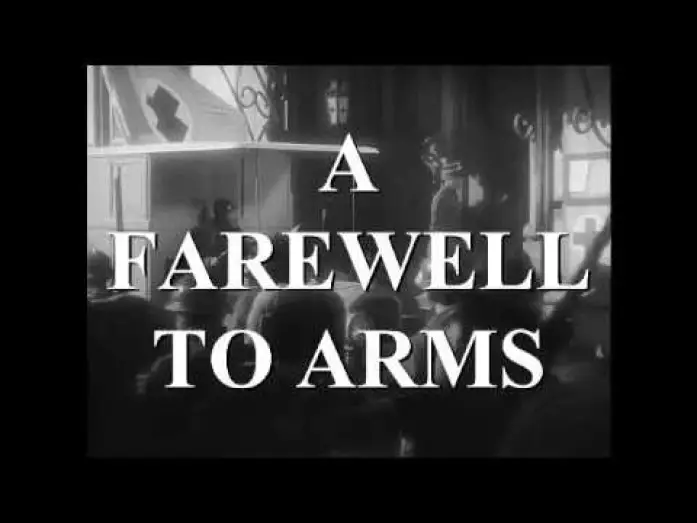
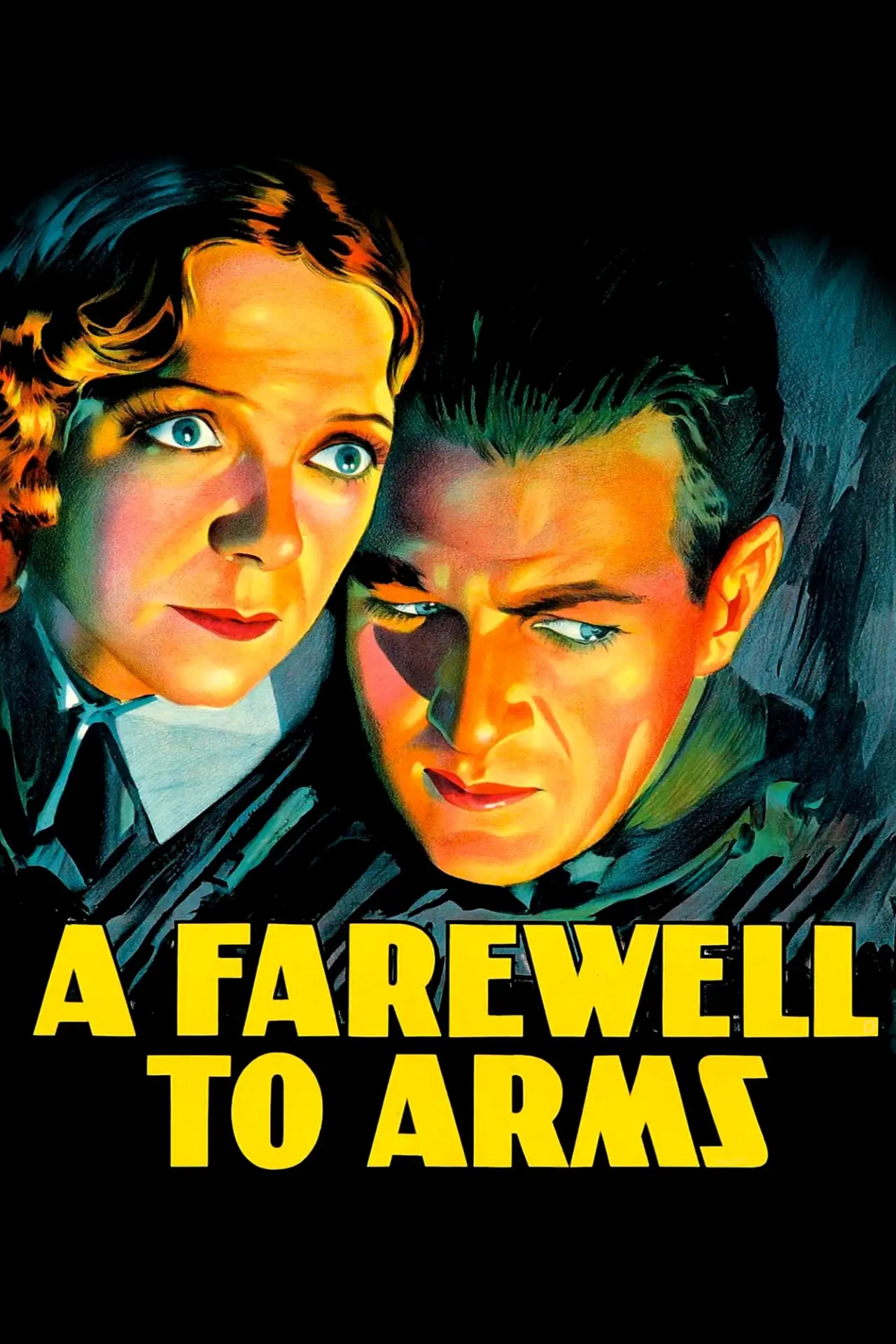
Set during the First World War, this drama follows Frederic Henry, an American serving as a lieutenant with the Italian army's ambulance service. After he is wounded and hospitalized in Milan, he meets Catherine Barkley, a British nurse, and the two begin a love affair amid the upheaval of the conflict. Their relationship is strained by his military obligations, and both must face difficult choices as the war continues around them. The film is based on Ernest Hemingway's novel of the same name.
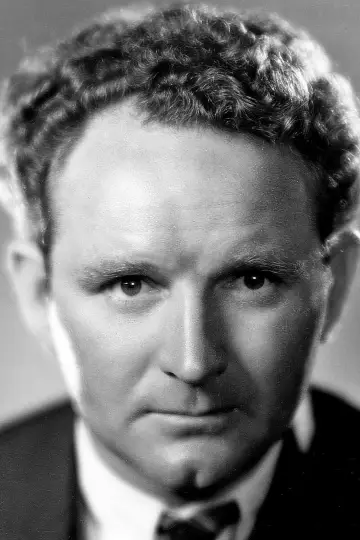
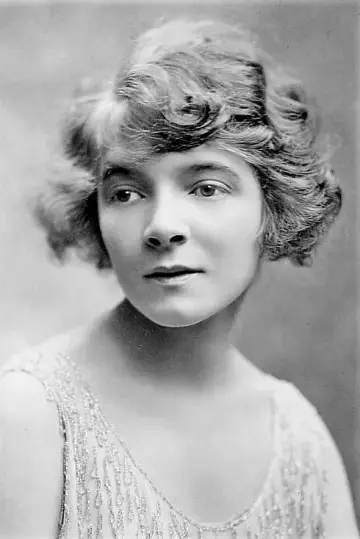
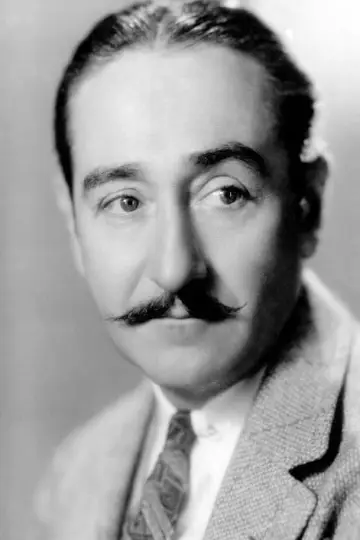
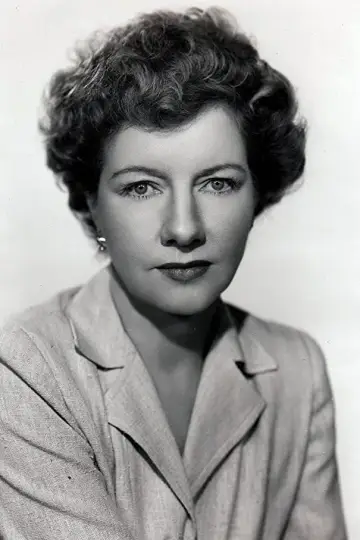
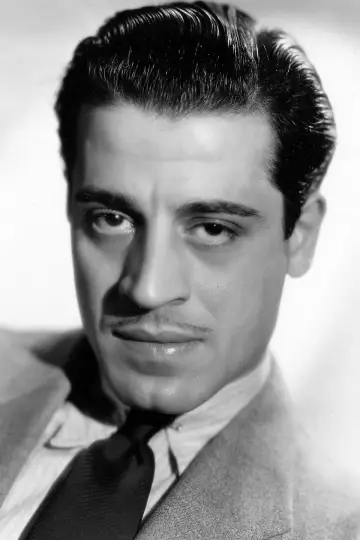
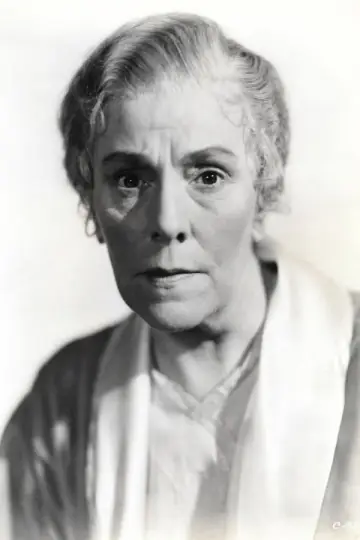
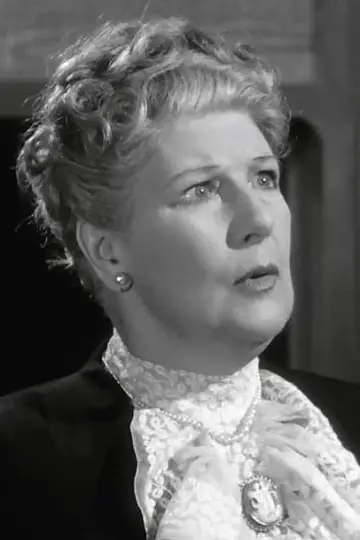
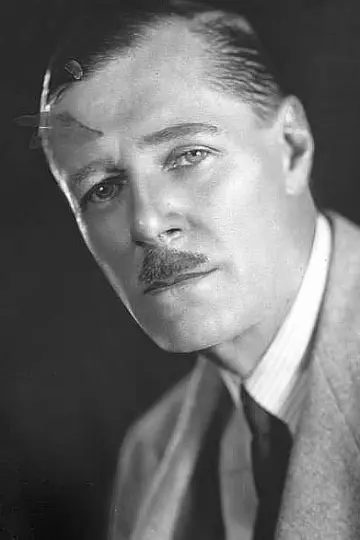
Frank Borzage directed the picture and produced it with Adolph Zukor, working from a screenplay by Oliver H.P. Garrett and Benjamin Glazer. The film stands between Borzage's 7th Heaven and Desire in his filmography. Gary Cooper plays Frederic Henry opposite Helen Hayes as Catherine Barkley, with Adolphe Menjou as Major Rinaldi, Mary Philips as Helen Ferguson, Jack La Rue as the priest, and Blanche Friderici as the head nurse.
Released by Paramount in December 1932 and running eighty-nine minutes, the film drew a critics' rating of 7.9 out of 10 from seventeen reviews, while viewers on TMDB rate it 6.1 out of 10 from 166 votes. The gap suggests the film has been held in higher regard by critics than by the broader audience that has since rated it.
What's left behind the scenes
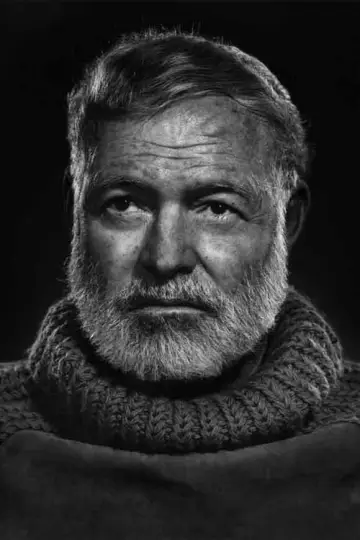
- Ernest Hemingway (1899-1961) strongly disliked this interpretation of his 1929 novel. He found it overly romantic. However, this did not prevent him from befriending Gary Cooper (1901-1961), the film's lead actor, whom he met several years after the film's release. Moreover, Hemingway insisted that Cooper play the lead role in the 1943 film adaptation of his 1940 novel “For Whom the Bell Tolls,” directed by Sam Wood (1883-1949). Be that as it may, Hemingway and Cooper never discussed this film.
- Early versions of the screenplay ran into trouble with censorship due to their depiction of childbirth, as well as references to struggles, gas, groans of pain, and bleeding. Once these details were removed, the script was approved, but the film was never released in British Columbia or Australia, where Hemingway’s novel was banned.
- Cinema managers were offered copies of the film with two endings to choose from (one happy, one not). When news of this reached Hemingway, he was furious, so cinemas in major cities subsequently began receiving copies with only the unhappy ending, consistent with the ending of the source novel.
Similar movies




 Auditions in India
 Casting calls in USA
 Castingi w Polsce
 Кастинги в Україні
