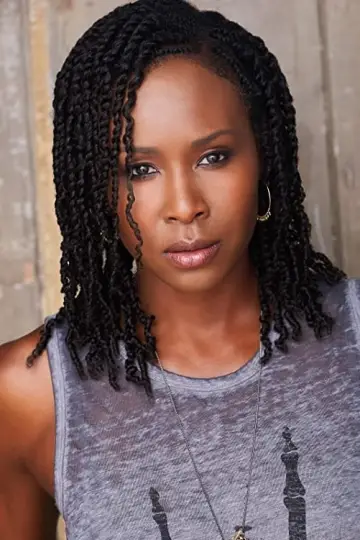
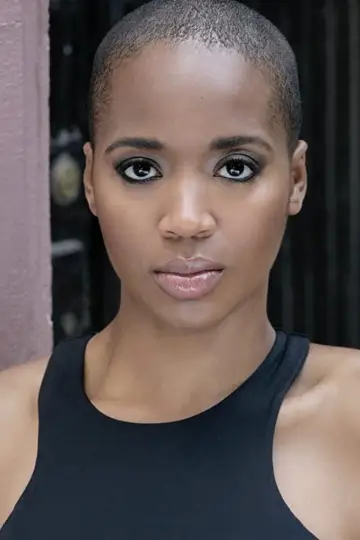
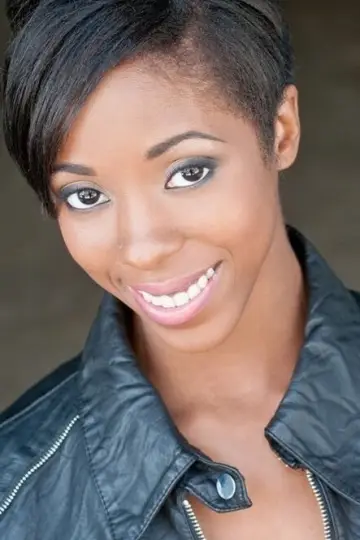
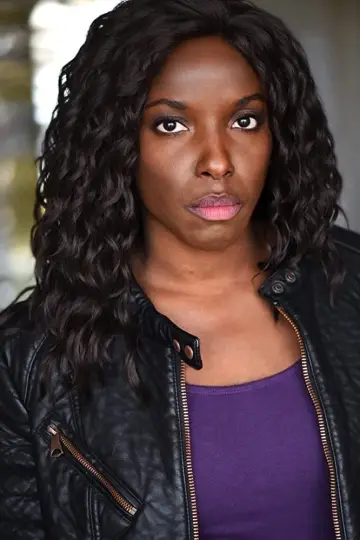
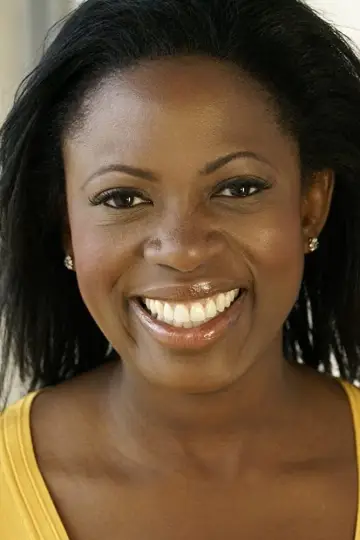
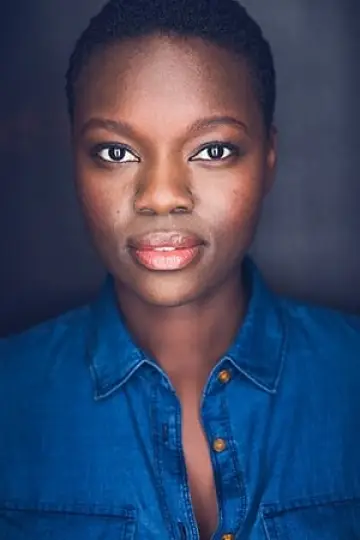
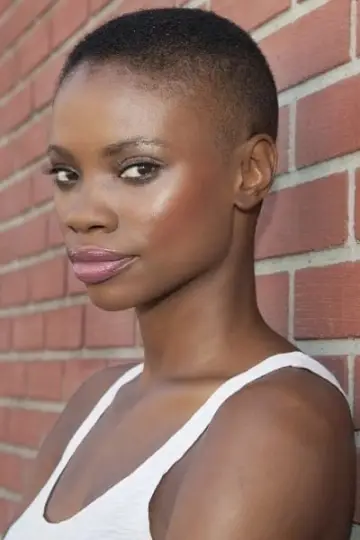
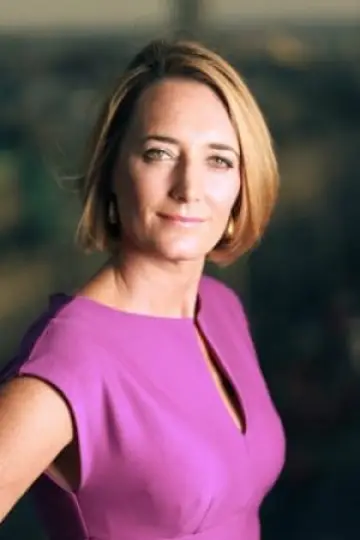
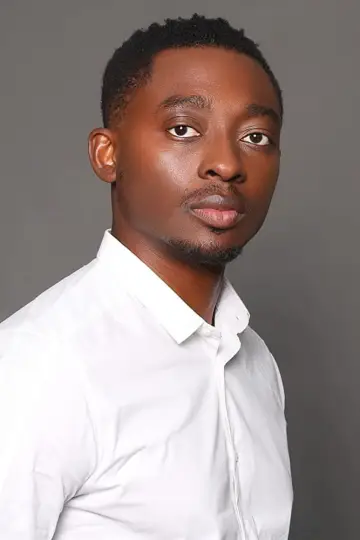
Black Panther - actors, characters and roles

All actors and their roles in the film "Black Panther"
Black Panther (2018)
Timing: 2:15 (135 min)
Black Panther - TMDB rating
7.362/10
23348
Black Panther - Kinopoisk rating
6.652/10
439516
Black Panther - IMDB rating
7.3/10
905000

Actors and characters
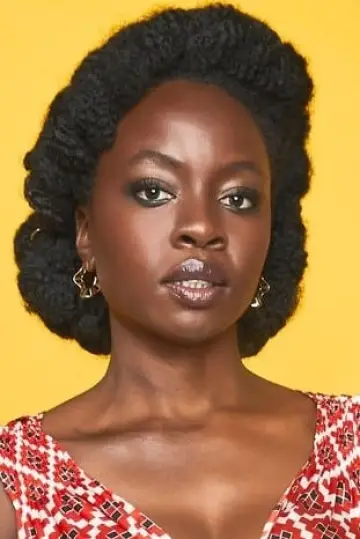
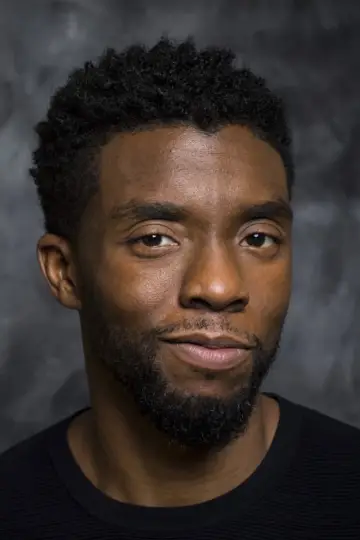
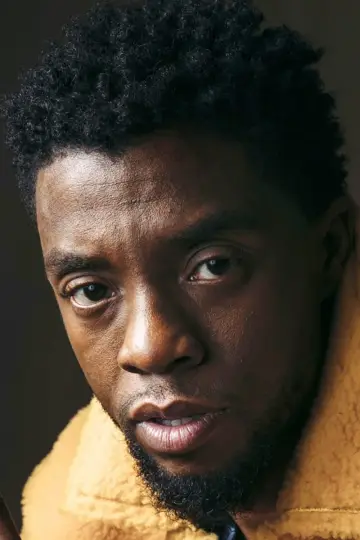
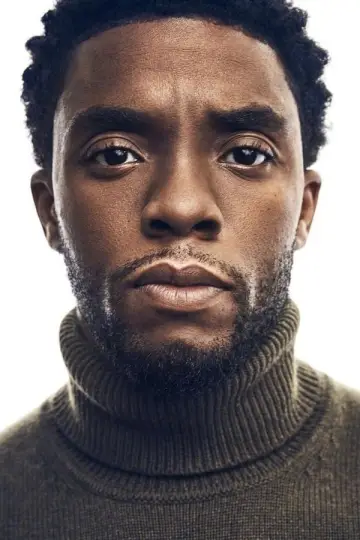
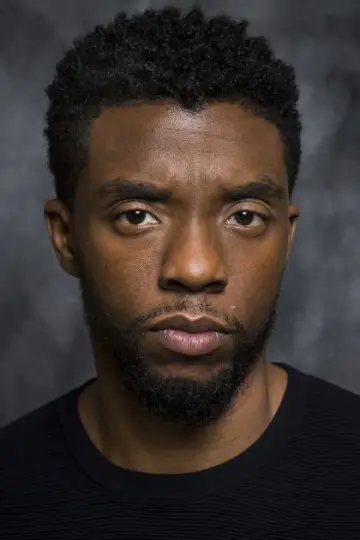
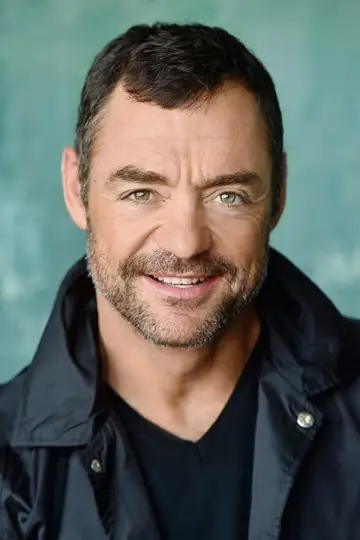
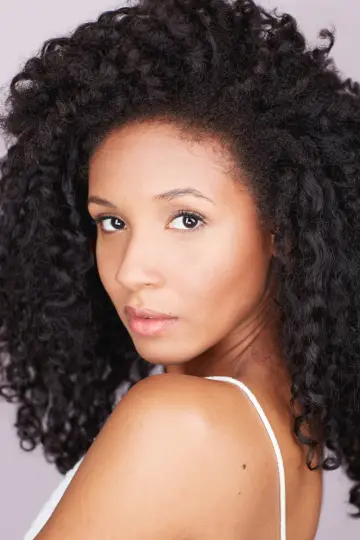
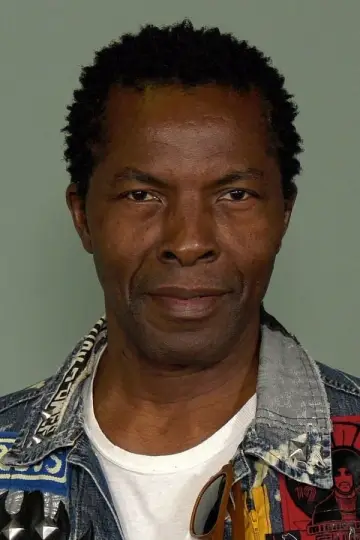
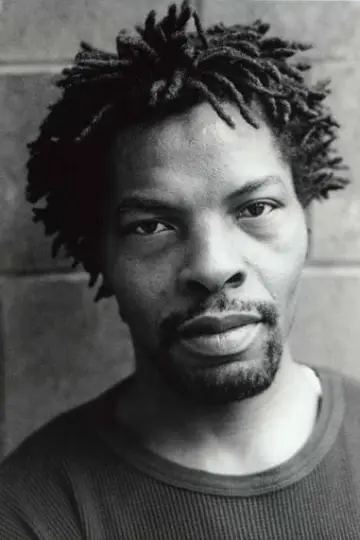
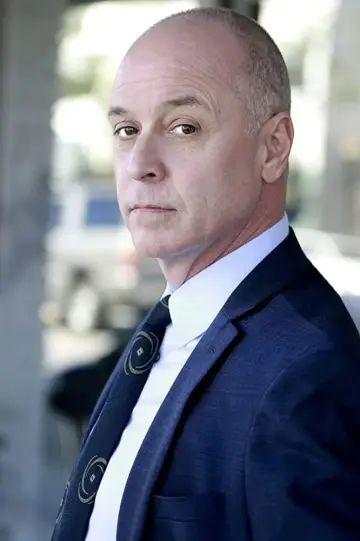
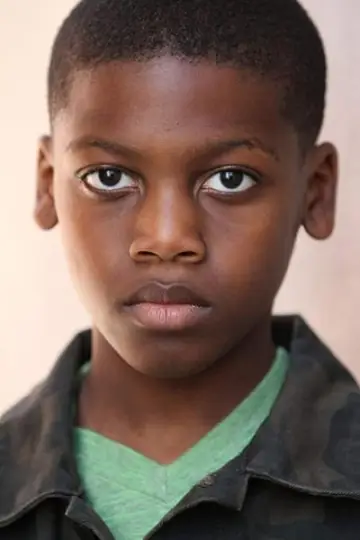
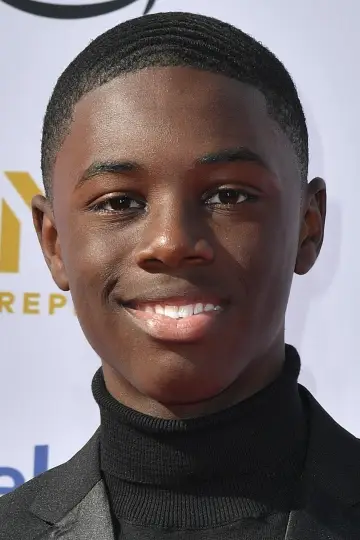
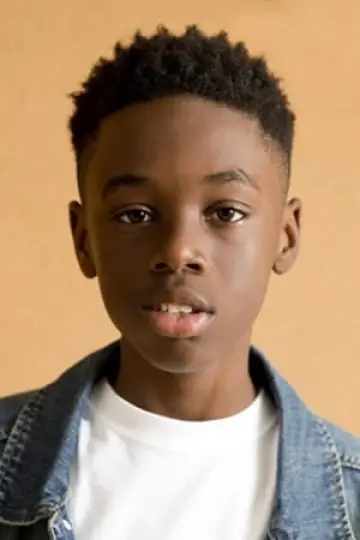
Photo Chadwick Boseman #6375Photo Chadwick Boseman #6376Photo Chadwick Boseman #6377Photo Chadwick Boseman #6378

Chadwick Boseman

Chadwick Boseman
Character T'Challa / Black Panther
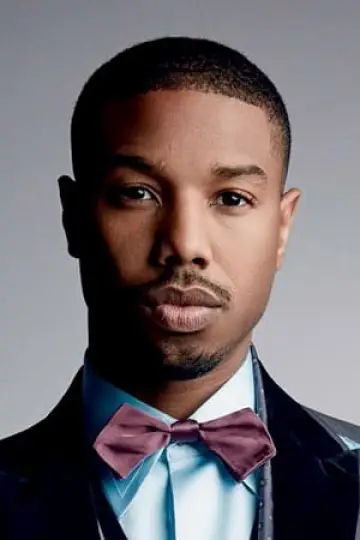
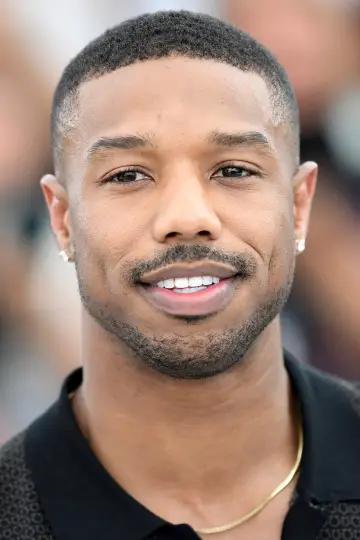
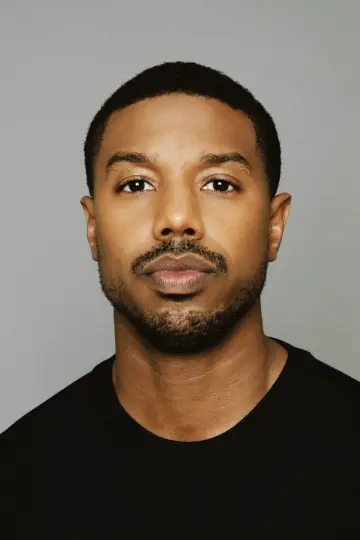
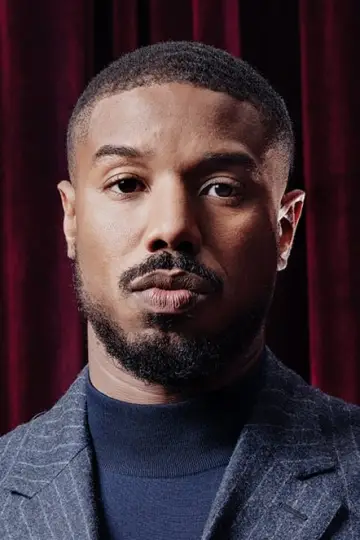
Photo Michael B. Jordan #6835Photo Michael B. Jordan #6836Photo Michael B. Jordan #6837Photo Michael B. Jordan #6838

Michael B. Jordan

Michael B. Jordan
Character Erik Killmonger
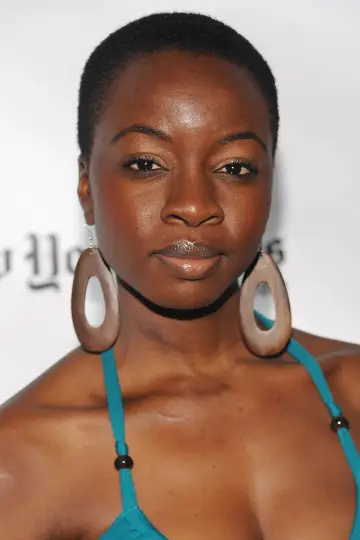
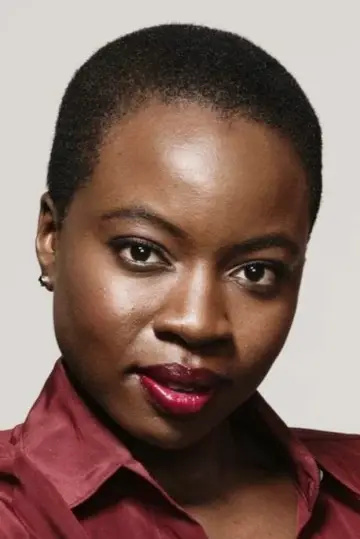
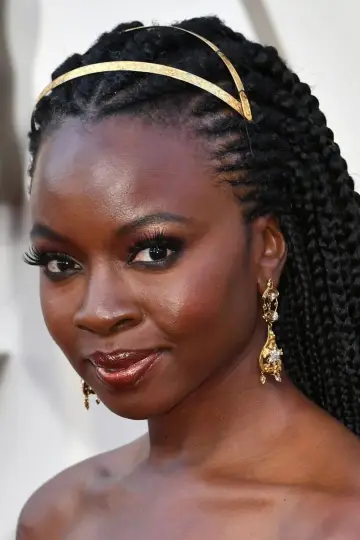
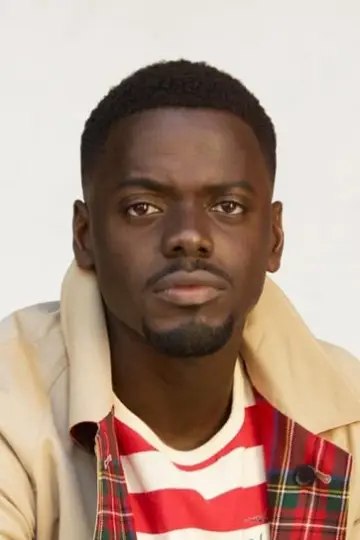
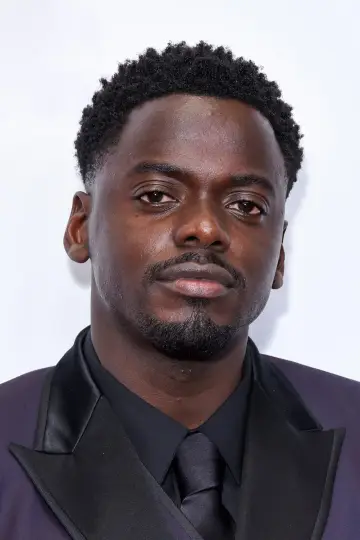
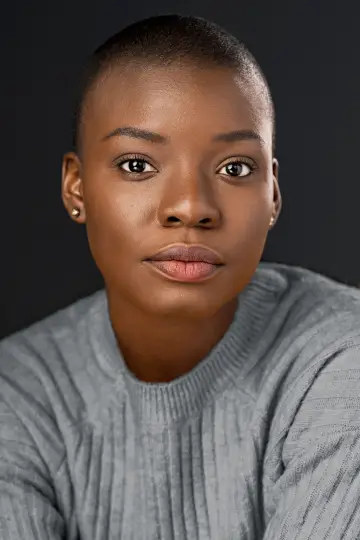
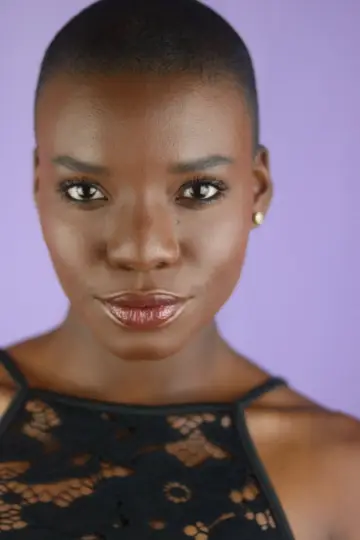
Photo Danai Gurira #6452Photo Danai Gurira #6453Photo Danai Gurira #6454Photo Danai Gurira #6455

Danai Gurira

Danai Gurira
Character Okoye
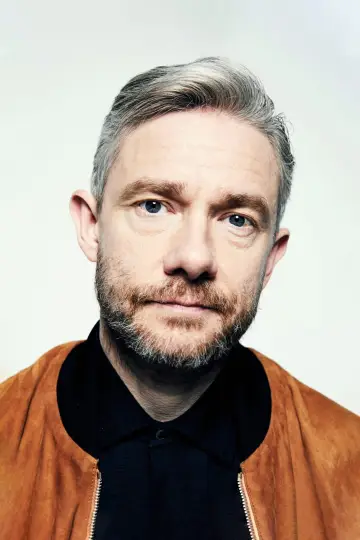
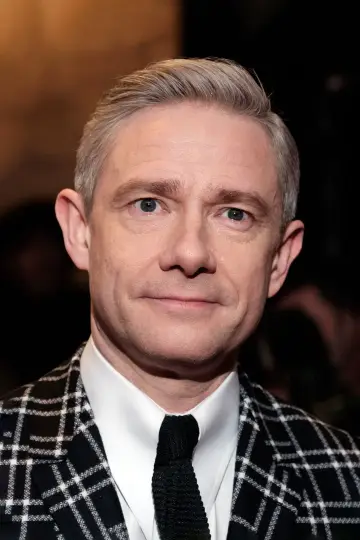
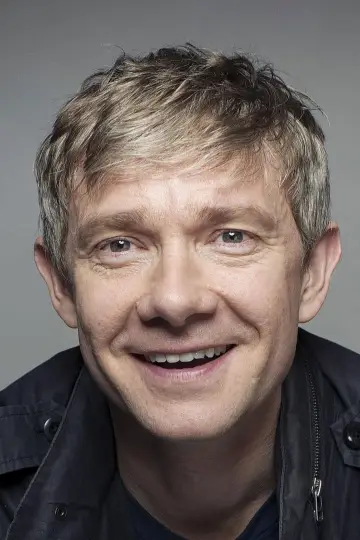
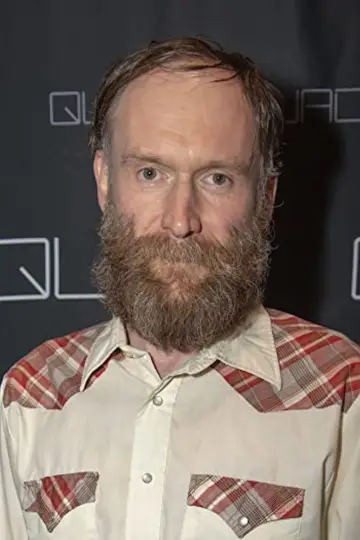
Photo Martin Freeman #6814Photo Martin Freeman #6815Photo Martin Freeman #6816Photo Martin Freeman #6817

Martin Freeman

Martin Freeman
Character Everett K. Ross
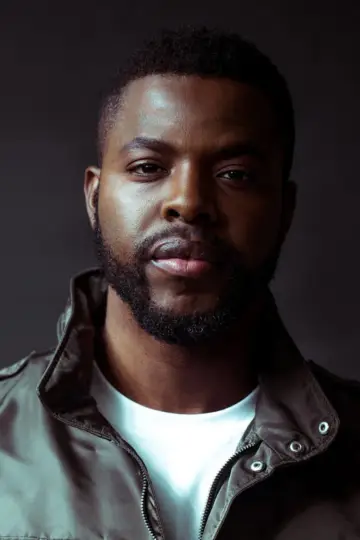
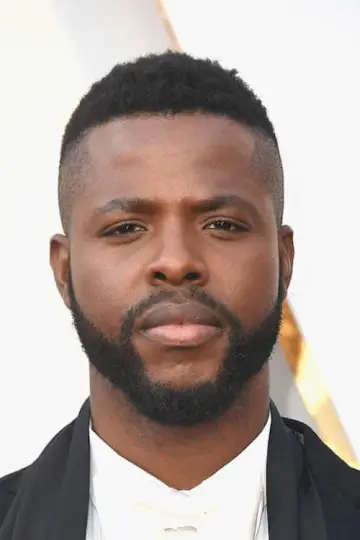
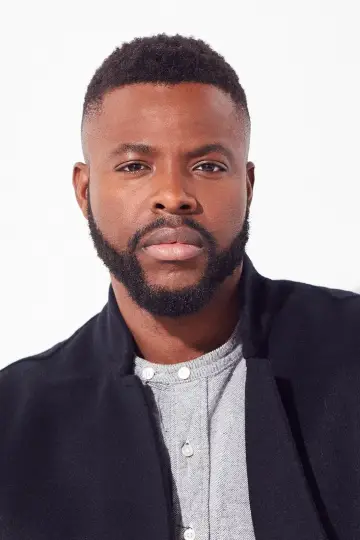
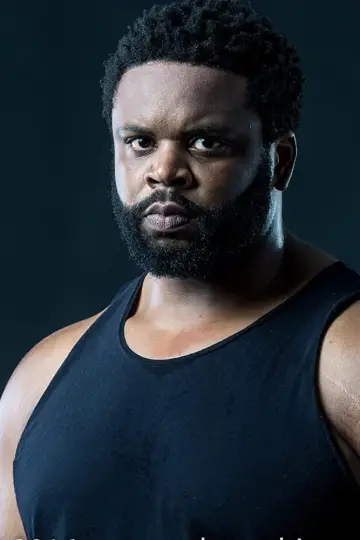
Photo Winston Duke #6527Photo Winston Duke #6528Photo Winston Duke #6529

Winston Duke

Winston Duke
Character M'Baku
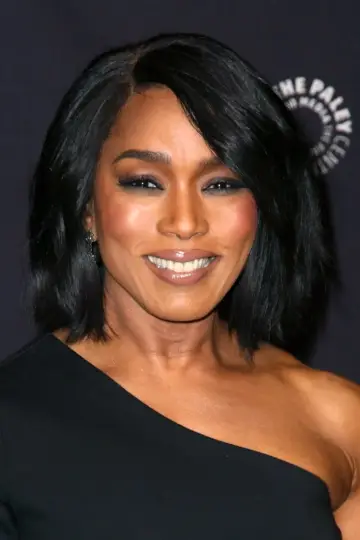
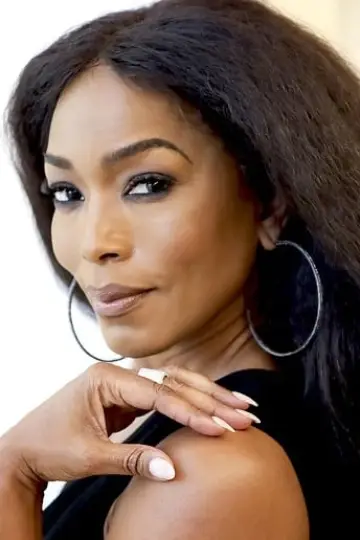
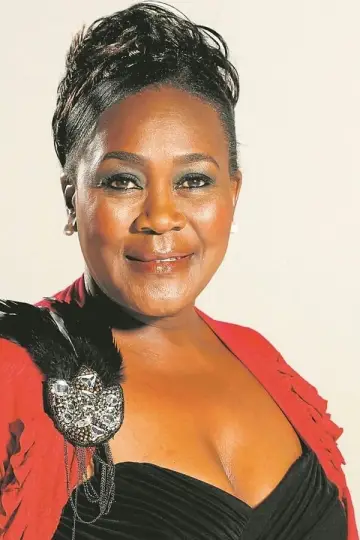
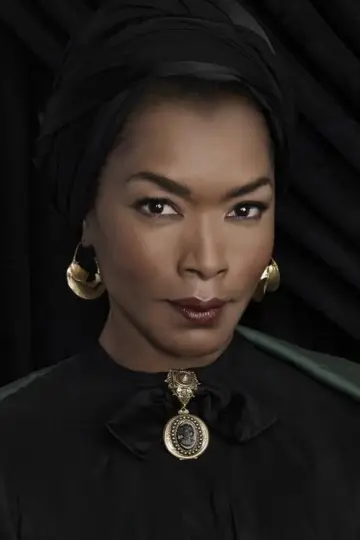
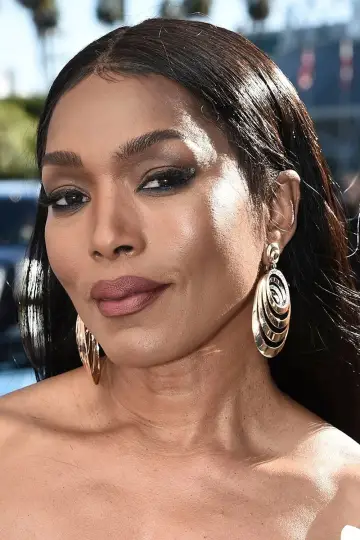
Photo Angela Bassett #6772Photo Angela Bassett #6773Photo Angela Bassett #6774Photo Angela Bassett #6775

Angela Bassett

Angela Bassett
Character Ramonda
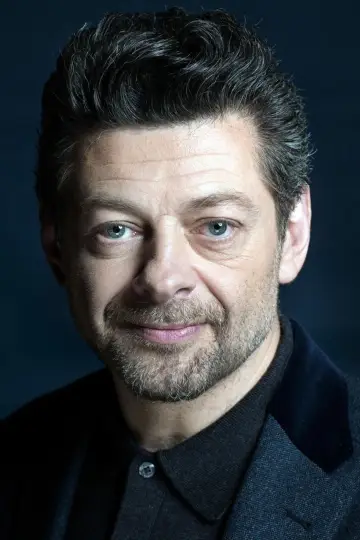
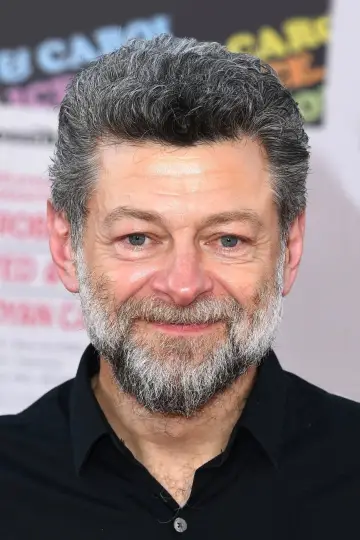
Photo Andy Serkis #10272Photo Andy Serkis #10273Photo Andy Serkis #10274

Andy Serkis

Andy Serkis
Character Ulysses Klaue
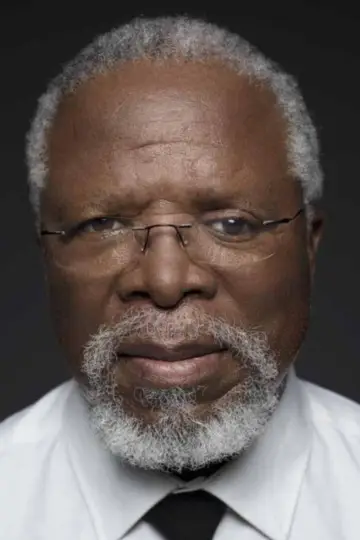
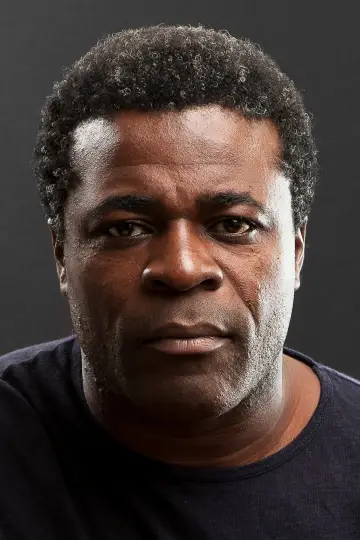
Photo John Kani #20784

John Kani

John Kani
Character T'Chaka
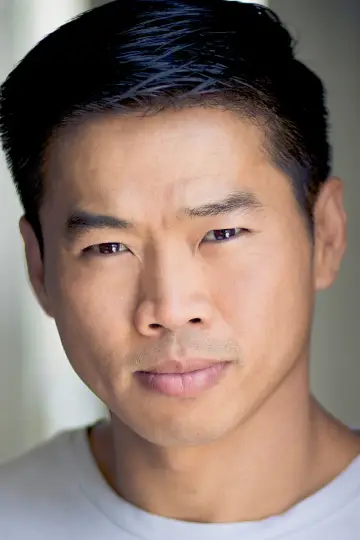
Photo David S. Lee #36848

David S. Lee

David S. Lee
Character Limbani
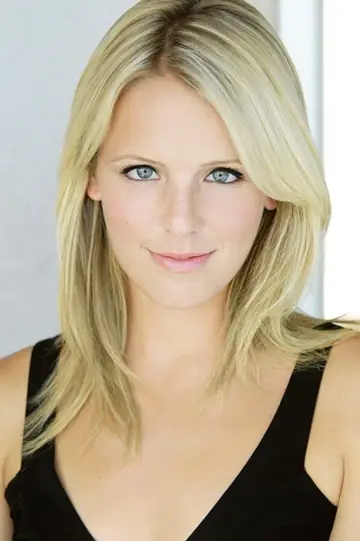
Photo Nabiyah Be #144611

Nabiyah Be

Nabiyah Be
Character Linda
Photo Isaach De Bankolé #6811Photo Isaach De Bankolé #6812

Isaach De Bankolé

Isaach De Bankolé
Character River Tribe Elder
Photo Connie Chiume #6813
Connie Chiume
Character Mining Tribe Elder
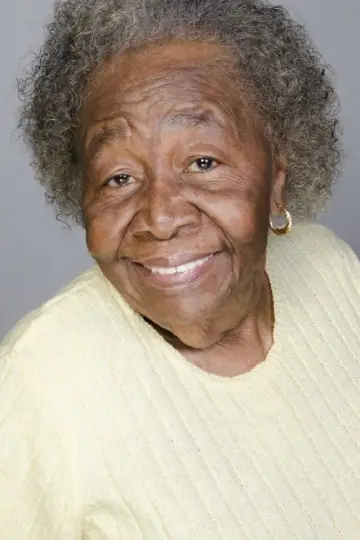
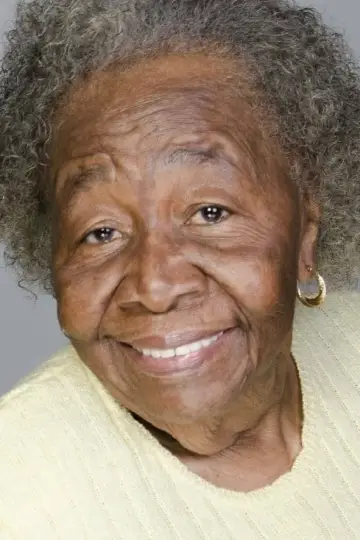
Photo Dorothy Steel #6839Photo Dorothy Steel #6840

Dorothy Steel

Dorothy Steel
Character Merchant Tribe Elder
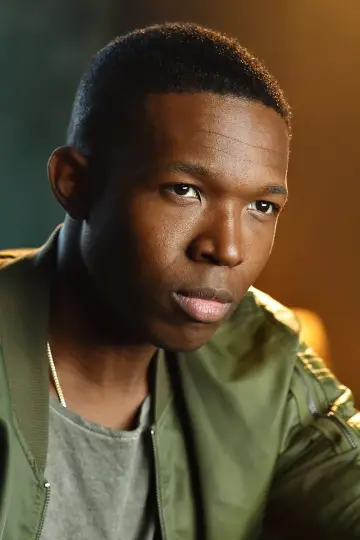
Photo Danny Sapani #6810

Danny Sapani

Danny Sapani
Character Border Tribe Elder
Photo Sydelle Noel #122232

Sydelle Noel

Sydelle Noel
Character Dora Milaje
Photo Marija Abney #6594
Marija Abney
Character Dora Milaje
Photo Zola Williams #6595
Zola Williams
Character Dora Milaje
Photo Janeshia Adams-Ginyard #6659
Janeshia Adams-Ginyard
Character Dora Milaje
Photo Maria Hippolyte #6676

Maria Hippolyte

Maria Hippolyte
Character Dora Milaje
Photo Marie Mouroum #6596
Marie Mouroum
Character Dora Milaje
Photo Jénel Stevens #24995Photo Jénel Stevens #24996
Jénel Stevens
Character Dora Milaje
Photo Sope Aluko #6842

Sope Aluko

Sope Aluko
Character Shaman
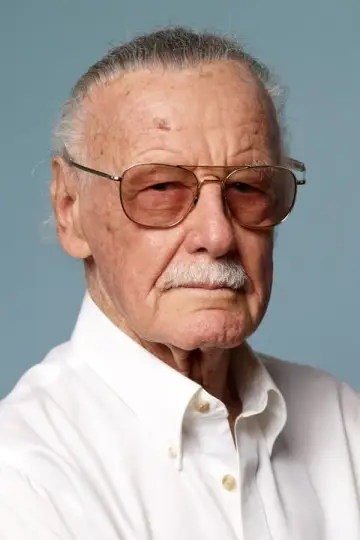
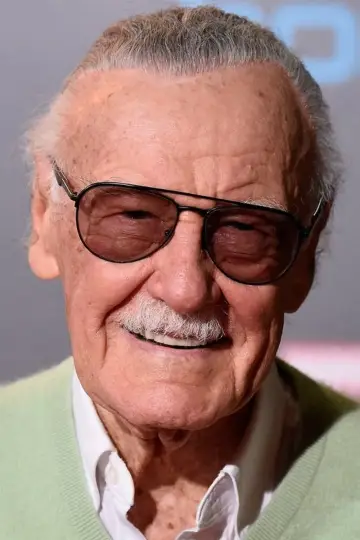
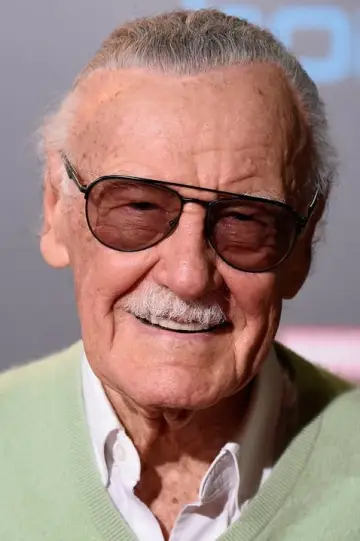
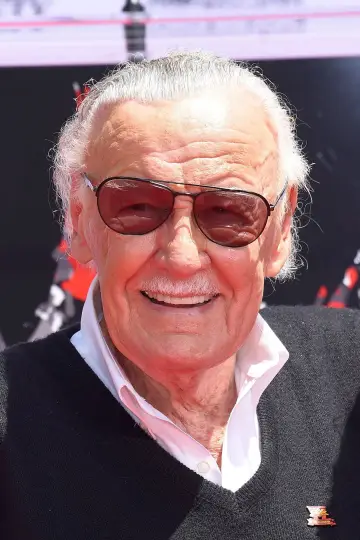
Photo Stan Lee #5482Photo Stan Lee #5483Photo Stan Lee #5484Photo Stan Lee #5485

Stan Lee

Stan Lee
Character Thirsty Gambler
Photo Atandwa Kani #123330

Atandwa Kani

Atandwa Kani
Character Young T'Chaka
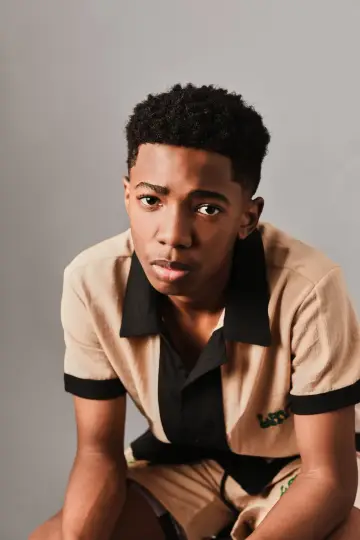
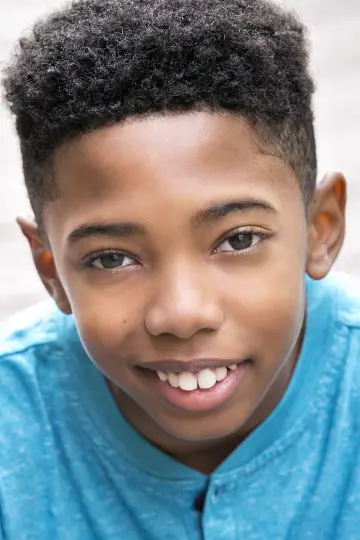
Photo Ashton Tyler #24929
Ashton Tyler
Character Young T'Challa
Photo Denzel Whitaker #51482

Denzel Whitaker

Denzel Whitaker
Character James / Young Zuri
Photo Shaunette Renée Wilson #7118
Shaunette Renée Wilson
Character Dora Milaje (1992)
Photo Christine Hollingsworth #68596
Christine Hollingsworth
Character Dora Milaje (1992)
Photo Lucy Hockings #144612

Lucy Hockings

Lucy Hockings
Character BBC Reporter
Photo Bambadjan Bamba #37405
Bambadjan Bamba
Character Militant Leader
Photo Roland Kilumbu #144613
Roland Kilumbu
Character Young Militant
Jermaine Holt
Character Driver
Photo Dominique Elijah Smith #20199
Dominique Elijah Smith
Character Cargo Truck Militant
Photo Jalil Jay Lynch #3652
Jalil Jay Lynch
Character Nigerian Militant #1
Vaughndio Forbes
Character Nigerian Militant #2
Photo Sasha Morfaw #87412
Sasha Morfaw
Character Nigerian Woman #1
Photo Alexis Louder #15100Photo Alexis Louder #15101

Alexis Louder

Alexis Louder
Character Nigerian Woman #2
Photo Francesca Faridany #134914
Francesca Faridany
Character Museum Director
Photo Mark Ashworth #35440

Mark Ashworth

Mark Ashworth
Character Security Guard
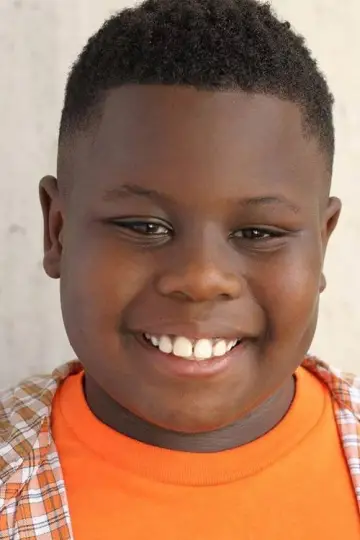
Photo Seth Carr #23693Photo Seth Carr #23694

Seth Carr

Seth Carr
Character Young Killmonger
Photo Jeremy Sample #6648
Jeremy Sample
Character Jabari Fisherman
Chad Crumley
Character South African Tough
Photo Alexis Rhee #60114
Alexis Rhee
Character Elderly Woman (Sophia)
Photo Danny Chung #83500Photo Danny Chung #83501Photo Danny Chung #83502

Danny Chung

Danny Chung
Character Dealer
Photo Liz Elkins Newcomer #24000
Liz Elkins Newcomer
Character CIA Agent
Photo Tony Sears #144614
Tony Sears
Character French Ambassador
Alex C. Riley Hughes
Character Basketball Kid (1992)
Clifford Gay
Character Basketball Kid (1992)
Shamel Heath
Character Basketball Kid (1992)
Photo De
De'Jon Watts
Character Hot Dog Kid
Photo Alex Hibbert #50074Photo Alex Hibbert #50075

Alex Hibbert

Alex Hibbert
Character Young Oakland Kid
Tristan Timmons
Character Oakland Kid
Tyler Timmons
Character Oakland Kid
Photo Abraham Clinkscales #55642
Abraham Clinkscales
Character Oakland Kid
Thabo Moropane
Character Wakandan Child
Zani Mogodi
Character Wakandan Child

Zenzi Williams

Zenzi Williams
Character Jabari Woman
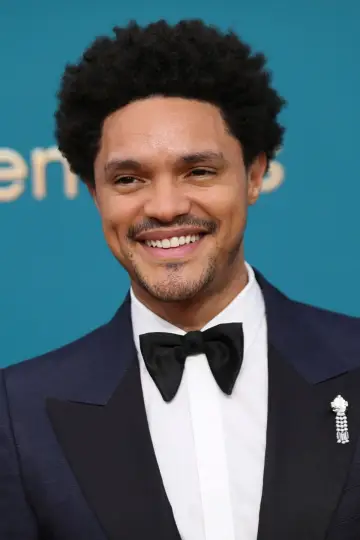
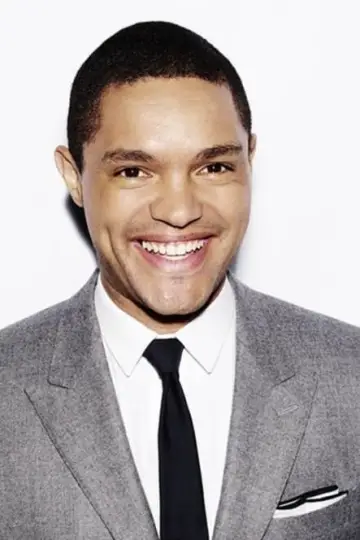
Photo Trevor Noah #6843Photo Trevor Noah #6844

Trevor Noah

Trevor Noah
Character Griot (voice)
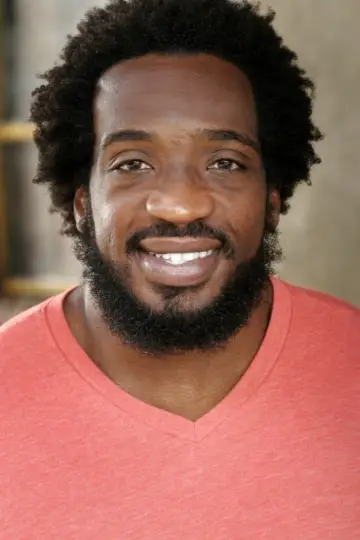
Photo T. Love #6853
T. Love
Character Jabari Warrior (uncredited)
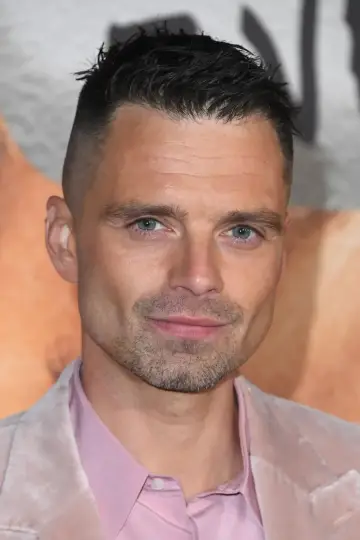
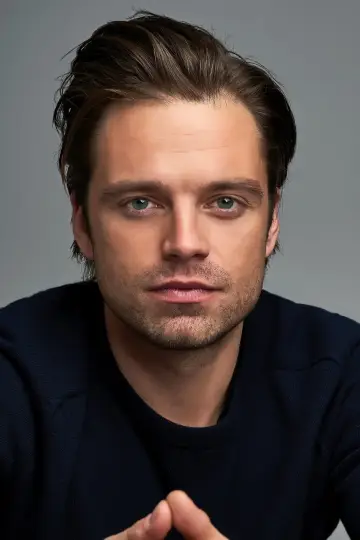
Photo Sebastian Stan #56Photo Sebastian Stan #57Photo Sebastian Stan #58Photo Sebastian Stan #59

Sebastian Stan

Sebastian Stan
Character James 'Bucky' Barnes / Winter Soldier (uncredited)
Kent Wagner
Character UN Press Reporter (uncredited)

What's left behind the scenes

  • Black Panther first appeared as a supporting character in issue #52 of the comic book *Fantastic Four*, released in 1966. The character proved so popular with the public that he soon received his own comic book series.
  • The sound of the Wakandan language is based on the Xhosa language (one of the official languages of South Africa). The clicking sounds in this language are due to its close interaction with Khoisan languages.
  • Director Ryan Coogler compared the vibranium mines in Wakanda (a fictional metal that absorbs vibration) to real-life mines in the Congo, where coltan (or columbite-tantalite, widely used in electronics) is mined. Among other things, the Congo has the world's largest deposits of uranium. It was about this element that Albert Einstein wrote to US President Franklin Delano Roosevelt in 1939, emphasizing the importance of uranium in the creation of weapons. It was uranium from the Congo that was used in the atomic bombs that the US dropped on Japan in 1945.
  • A Clydesdale horse was used in the filming of the movie, and it moves in the same way as a rhinoceros.
  • The comic book character 'Black Panther' was created in July 1966, two months before the formation of the American far-left black militant organization 'Black Panthers'. Many mistakenly believed that the character was related to this political structure, so the character had to be renamed 'Black Leopard', but this name did not appeal to either the public or the comic book authors, and did not last long. Regardless, the name 'Black Leopard' is still mentioned in the film – in T’Challa’s war paint.
  • The name 'Wakanda' comes from the Kenyan Wakamba tribe, or Kamba.
  • For each of the tribes of Wakanda, the filmmakers developed their own symbolism, and all together this symbolizes the tribal diversity of Wakanda: The Golden Tribe (the royal family) uses black color and the symbol of the sun, which is used throughout Africa, as well as ornaments depicting a panther. The Border Tribe borrowed a lot in architecture and language from Lesotho. The symbols of the tribe are a symbol meaning 'rider', blue color (the national color of Lesotho is blue) and a tree. The weapons of the tribe members are related to rhinoceroses – shields, swords, and so on. Members of the tribe often hide under basotho blankets (this is the ethnic majority in Lesotho). The River Tribe is based on the Surma and Mursi ethnic groups living in Ethiopia. The motifs of the tribal ornament are a green background and shells. Its members wear crocodile skins and hides. The Mining Tribe is based on the Himba and Masai peoples of South Africa. Ornament motifs – red and orange colors, images of lions. The Merchant Tribe is based on the Tuareg people living in the Sahara. Color – purple. The Jabari Tribe is based on the peoples (of the Nilotic group) Bari, Igbo and Dogon, living in West Africa. Representatives of the tribe wear fur in honor of gorillas, which they revere as sacred animals.
  • During filming, Michael B. Jordan kept to himself on set, just like his character – Erik, who conflicted with the others.
  • The Dora Milaje, the female warriors guarding the ruler, were actresses, stuntwomen, and dancers from Broadway, with each Dora possessing a unique skill that she used for the common good. Finding them all was extremely difficult, so specialists from the casting department jokingly called it “The Search for Dora.”
  • Erik’s body scars are the result of scarification, a tradition rooted in ancient African tribes. In some tribes, it was used as an identification mark or a symbol of social status, as well as a sign of certain life achievements; specifically, each scar on Erik meant one person he had killed. In his case, inflicting scars on himself can be considered an attempt to get closer to his African ancestors. It took almost two and a half hours to apply the corresponding makeup to Michael B. Jordan, and four makeup artists were involved.
  • When Michael B. Jordan’s character breaks the spear to create a close-combat weapon for the fight with the main character played by Chadwick Boseman, it is a reference to Shaka, the Zulu king who is considered the inventor of the short spear.
  • To develop the concept of Wakanda's diversity, director Ryan Coogler enlisted specialists in the field of African history and African politics.
  • The Dora Milaje warriors in the film wear neck rings. They are called dzilla, and were first worn by the people of the Ndebele in South Africa, where women wear such rings as a sign of fidelity. The same rings were present in the original comics.
  • The amphitheater was built near the film studio in Atlanta. It was approximately 37 meters wide and 12 meters high. The builders were inspired by the Oribi Gorge in South Africa.
  • The scene with the Waterfall of Warriors was filmed in Atlanta over 10 days, and shortly after the start of filming, the actors involved in the scene noticeably developed red eyes. Initially, the filmmakers attributed this to chlorine in the water, but that turned out not to be the case. It soon became clear that the cause was prolonged exposure to the sun and the reflection of sunlight off the water. After that, the actors began to wear sunglasses between takes.
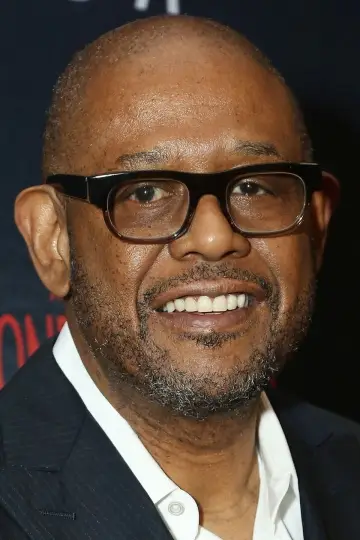
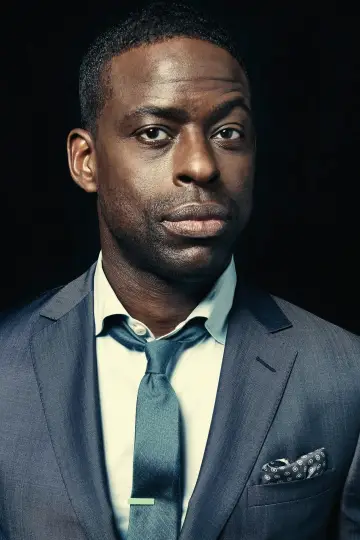
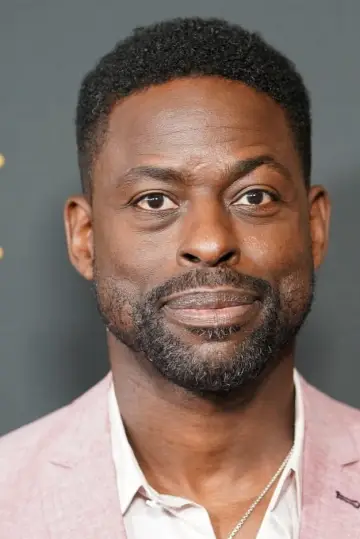
  • According to actor Sterling K. Brown, the secrecy surrounding the script was so strict that all script pages had to be turned in immediately. Once, he inadvertently left the script in his hotel room, causing filming to be delayed, and he was driven to the hotel where he presented the forgotten pages.
  • Black Panther first appeared as a supporting character in issue 52 of the comic book “Fantastic Four,” released in 1966. The character was so well-received by the public that he soon received his own comic book series.
  • For each of the tribes of Wakanda, the filmmakers developed their own symbolism, and together it symbolizes the tribal diversity of Wakanda: The Golden Tribe (the royal family) uses black and the symbol of the sun, which is used throughout Africa, as well as ornaments depicting a panther. The Border Tribe borrowed heavily from the architecture and language of Lesotho. The symbols of the tribe are a symbol meaning “rider,” blue (the national color of Lesotho is blue), and a tree. The weapons of the tribe members are related to rhinoceroses – shields, swords, and so on. Members of the tribe often cover themselves with basotho cloaks (this is the ethnic majority in Lesotho). The River Tribe is based on the Surma and Mursi ethnic groups living in Ethiopia. The motifs of the tribal ornament are a green background and shells. Its members wear crocodile skins and hides. The Mining Tribe is based on the Himba and Masai peoples of South Africa. Ornament motifs are red and orange, images of lions. The Merchant Tribe is based on the Tuareg people living in the Sahara. The color is purple. The Jabari Tribe is based on the peoples (of the Nilotic group) Bari, Igbo and Dogon, living in West Africa. Representatives of the tribe wear fur in honor of gorillas, which they revere as sacred animals.
Did you like the film?

© ACMODASI, 2010-2026

All rights reserved.
The materials (trademarks, videos, images and text) contained on this site are the property of their respective owners. It is forbidden to use any materials from this site without prior agreement with their owner.
When copying text and graphic materials (videos, images, text, screenshots of pages) from this site, an active link to the site www.acmodasi.in must necessarily accompany such material.
We are not responsible for any information posted on this site by third parties.