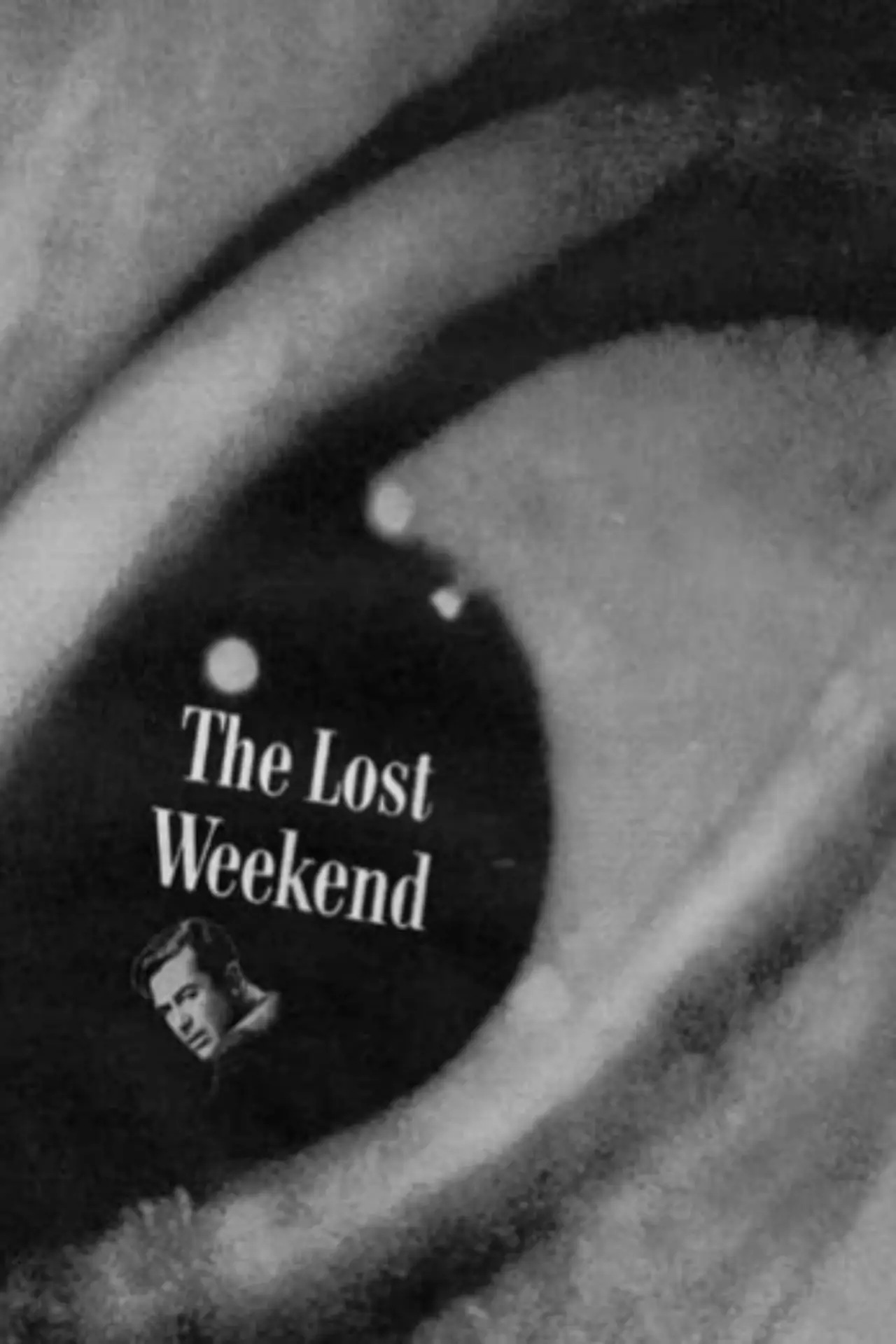
The Lost Weekend



Short description
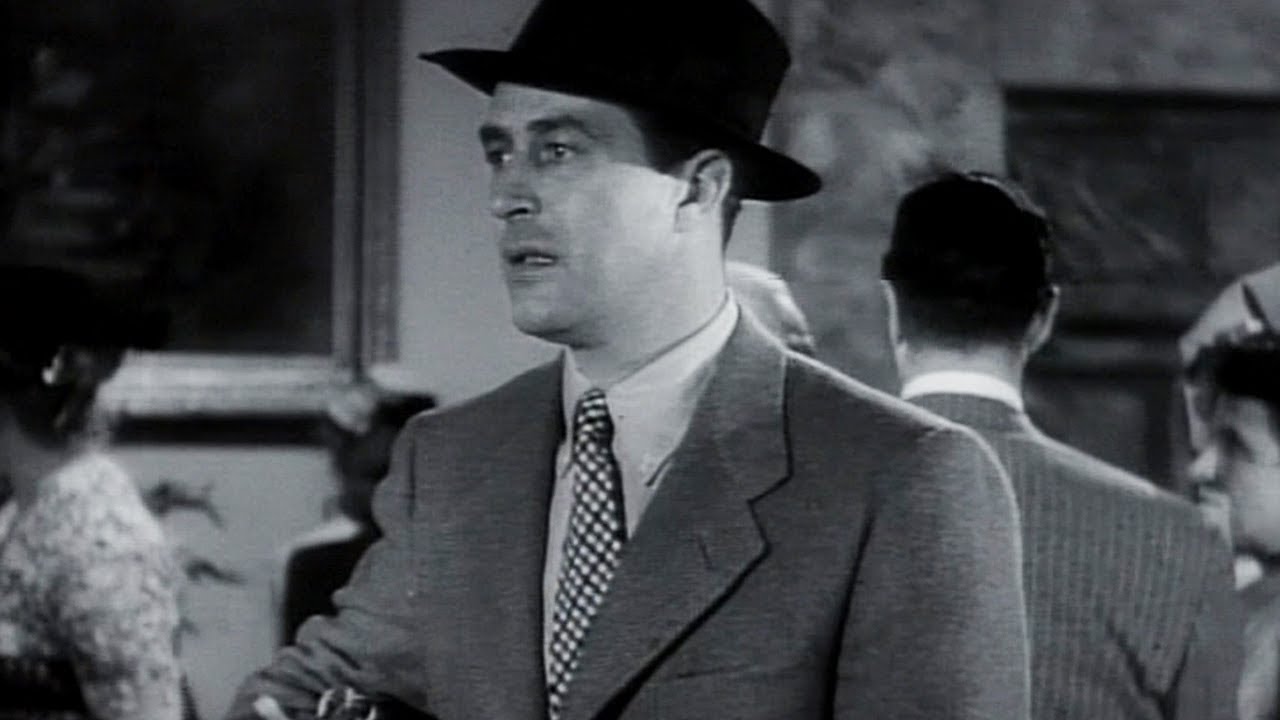
Don Birnam is a writer whose career and life have been worn down by years of heavy drinking. After ten days without alcohol, he seems to have turned a corner, but the pull of the bottle only grows more deceptive. He avoids a weekend trip to the countryside arranged by his brother Wick and his girlfriend Helen, staying behind in New York, and soon embarks on a binge that stretches over several days. As his memory and self-control slip away, he drifts through bars and encounters with people who know him, while those close to him watch their attempts to help come to nothing.
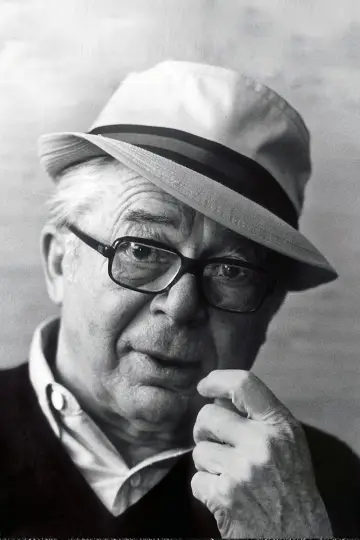
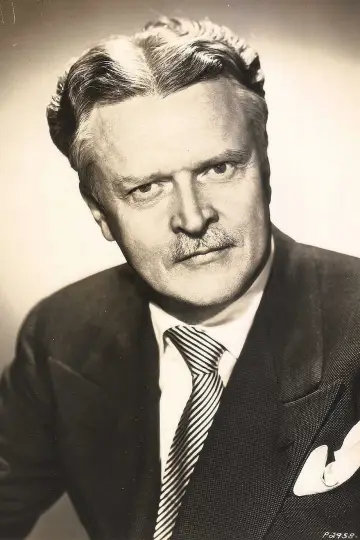
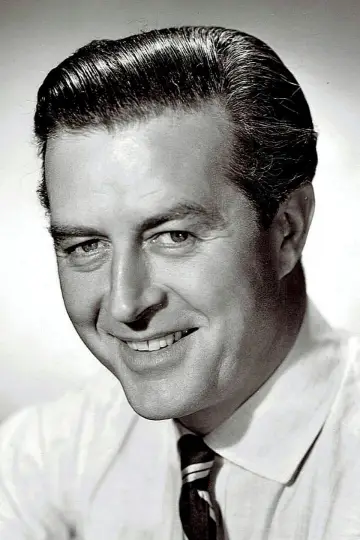
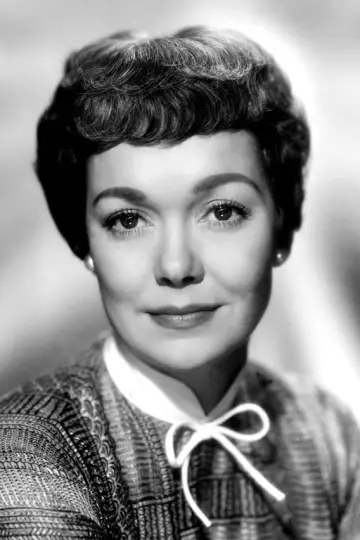
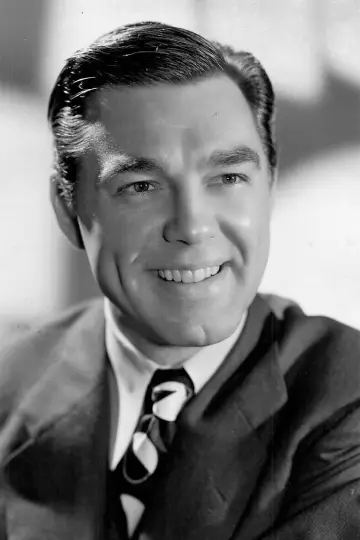
Billy Wilder directed the film, the third of the twenty-two features he made in chronological order, following Double Indemnity and preceding A Foreign Affair. He wrote the screenplay with Charles Brackett, who also produced it for Paramount. Ray Milland plays Don, with Jane Wyman as Helen, Phillip Terry as Wick, Howard Da Silva as Nat the Bartender, Doris Dowling as Gloria and Frank Faylen as 'Bim' Nolan, among a credited cast of sixty. Made for about one million dollars, the film returned roughly eleven million worldwide.
Audience responses remain solid, with a rating of 7.9 out of ten on IMDb from around forty-three thousand votes and 7.6 out of ten on TMDB from a much smaller group. A film critics' rating of 8.5 out of ten, drawn from seventy-four reviews, places professional assessments noticeably higher than the general audience scores.
What's left behind the scenes
- Ray Milland (1907-1986) had himself admitted to Bellevue Hospital with the help of familiar doctors in order to experience firsthand all the horrors of the drunk tank. Milland was shown an iron bed and locked in a ward. That same night, another patient was brought in, he screamed, there was terrible chaos in the hospital, and Milland took advantage of the moment while the door was left ajar, escaped, and began hailing a taxi on 34th Street. He was noticed by a police officer, the actor tried to explain everything, but the officer noticed the "Bellevue Hospital" markings on Milland's gown and took him back to the hospital, despite his protests and attempts to explain. It took the actor another half hour to explain the situation to the hospital administration, after which he was finally released.
- According to director Billy Wilder (1906-2002), liquor manufacturers offered Paramount Pictures $5 million not to release the film. According to him again, if the offer had been made to him personally, he would have accepted it.
- It was only later that Billy Wilder learned that there was an error in the film's title. The 1944 novel by Charles R. Jackson (1903-1968) was titled "The Last Weekend" ("last" in English, "lost" – "lost").
- Billy Wilder first read the novel on a train heading to New York. Upon arrival, he immediately called screenwriter Charles Brackett (1892-1969) in Los Angeles and instructed him to find out if the film rights could be acquired. Brackett called him back the same day and said they could be. He had recently read the novel himself and asked Wilder what specifically attracted him to the book. Wilder replied that it would be the first true depiction of an alcoholic – in contrast to the usual humorous portrayals.
- Striving to achieve the image of a completely fallen alcoholic, Ray Milland went on a diet and switched to a diet consisting solely of toast, coffee, grapefruit juice, and boiled eggs, which caused him to lose a noticeable amount of weight.
- With the help of acquaintances, Ray Milland checked himself into Bellevue Hospital to experience the horrors of an alcoholics' ward. Milland was shown an iron bed and locked in a room. That same night, another patient was brought into the ward, he screamed, chaos erupted in the hospital, and Milland took the opportunity to escape and hail a taxi. A police officer spotted him, the actor tried to explain everything, but the officer noticed the hospital logo on Milland's gown and took him back. It took the actor another half hour to explain the situation to the hospital administration, after which he was released.
- According to director Billy Wilder, liquor producers offered Paramount Pictures $5 million not to release the film. He also said that if the offer had been made to him personally, he would have accepted it.
- Billy Wilder first read the novel on a train to New York. Upon arrival, he immediately called screenwriter Charles Brackett in Los Angeles and instructed him to find out if the film rights were available. Brackett called him back the same day and said they were. He had recently read the novel himself and asked Wilder what specifically about the book had attracted him. Wilder replied that it would be the first true depiction of an alcoholic in cinema.
- In an effort to achieve the image of a fallen alcoholic, Ray Milland went on a diet and lost a lot of weight.
Similar movies



 Auditions in India
 Casting calls in USA
 Castingi w Polsce
 Кастинги в Україні
