Rome, Open City



Short description
Rome, Open City is set in the Italian capital during the German occupation of 1944, in the months after the Allied landings but before the city's liberation. Resistance leader Giorgio Manfredi is hunted by the occupying forces and goes into hiding, finding shelter through people connected to the anti-fascist underground. Among them are Francesco, a printer, and his pregnant fiancée Pina, who is a widow with a young son, as well as a parish priest, Don Pietro, who helps the fugitives. Their efforts to protect Manfredi and arrange his escape bring them into direct conflict with the German authorities and their Italian collaborators.
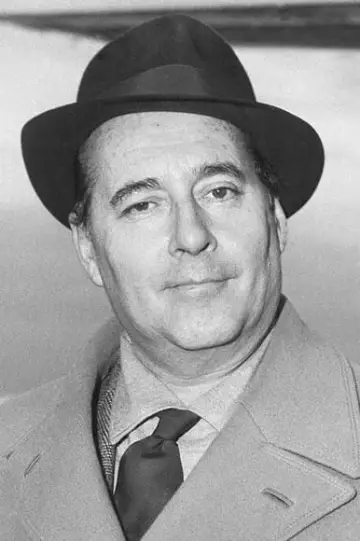
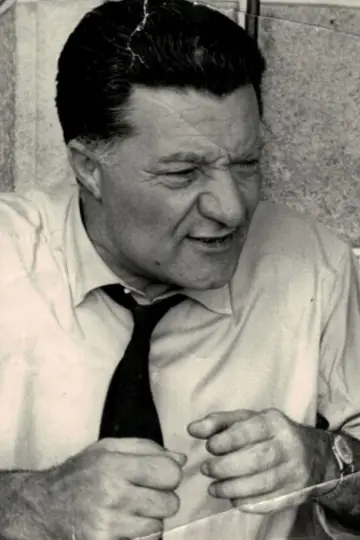
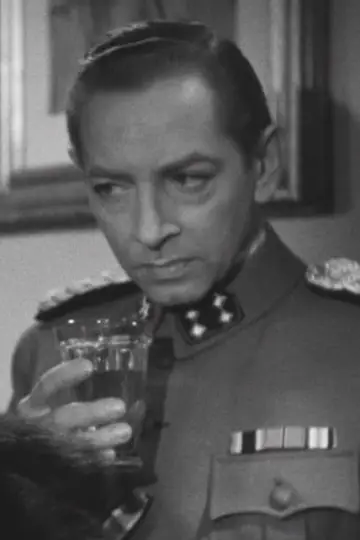
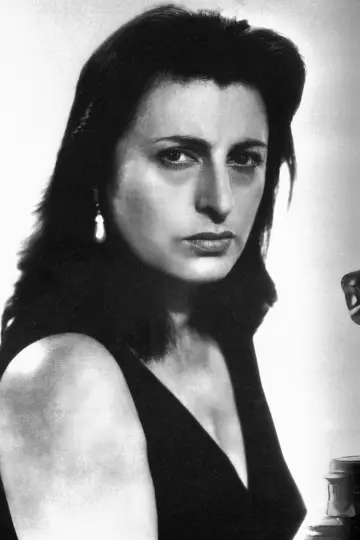
Roberto Rossellini directed and co-wrote the film with Sergio Amidei and Federico Fellini, and also produced it. Its principal cast includes Aldo Fabrizi as Don Pietro, Marcello Pagliero as Manfredi, Anna Magnani as Pina, and Harry Feist as Major Bergmann. The film stands first in the chronological list of Rossellini's features, ahead of Paisan, Germany, Year Zero and Stromboli.
Released in 1945, Rome, Open City runs 104 minutes. It drew a worldwide box office of about 1 million dollars. On IMDb it has a rating of 9.1 out of 10 from 46 reviews, while on TMDB it holds 8 out of 10 from 1,003 votes, so audiences rate it highly but somewhat below the critics.
What's left behind the scenes
- A real Nazi prisoner of war played a role in the film.
- The prototype for Pina was the partisan anti-fascist Teresa Gullace, killed by the Germans in Rome in 1944.
- After reviewing the film, the distributor refused the contract for its distribution, stating that what he had seen could not be called a film. However, abroad, Rossellini's innovation was "sampled" and duly appreciated. The film had a great resonance around the world, starting a trend for neorealism and making Anna Magnani a star of the first magnitude.
- During the filming of the arrest scene, the fear on the face of Don Pietro was genuine: a man with a revolver from a passing taxi tried to interfere with the "arrest." Aldo Fabrizi shouted, "Don't shoot!"
- All the atrocities in the film are attributed to the Germans. This was due to the policy of national reconciliation that was relevant in Italy during the filming.
- Roberto Rossellini, Federico Fellini, and Sergio Amidei began working on the script during the German occupation of Italy. However, in his memoirs, Fellini claims that Rossellini suggested he "participate in writing a script for a film that would later be titled 'Rome, Open City'" only after Rome had been occupied by the Americans.
- Rossellini began filming the movie two months after the fascists left Rome in June 1944.


 Auditions in India
 Casting calls in USA
 Castingi w Polsce
 Кастинги в Україні

