The Golem: How He Came into the World


Short description
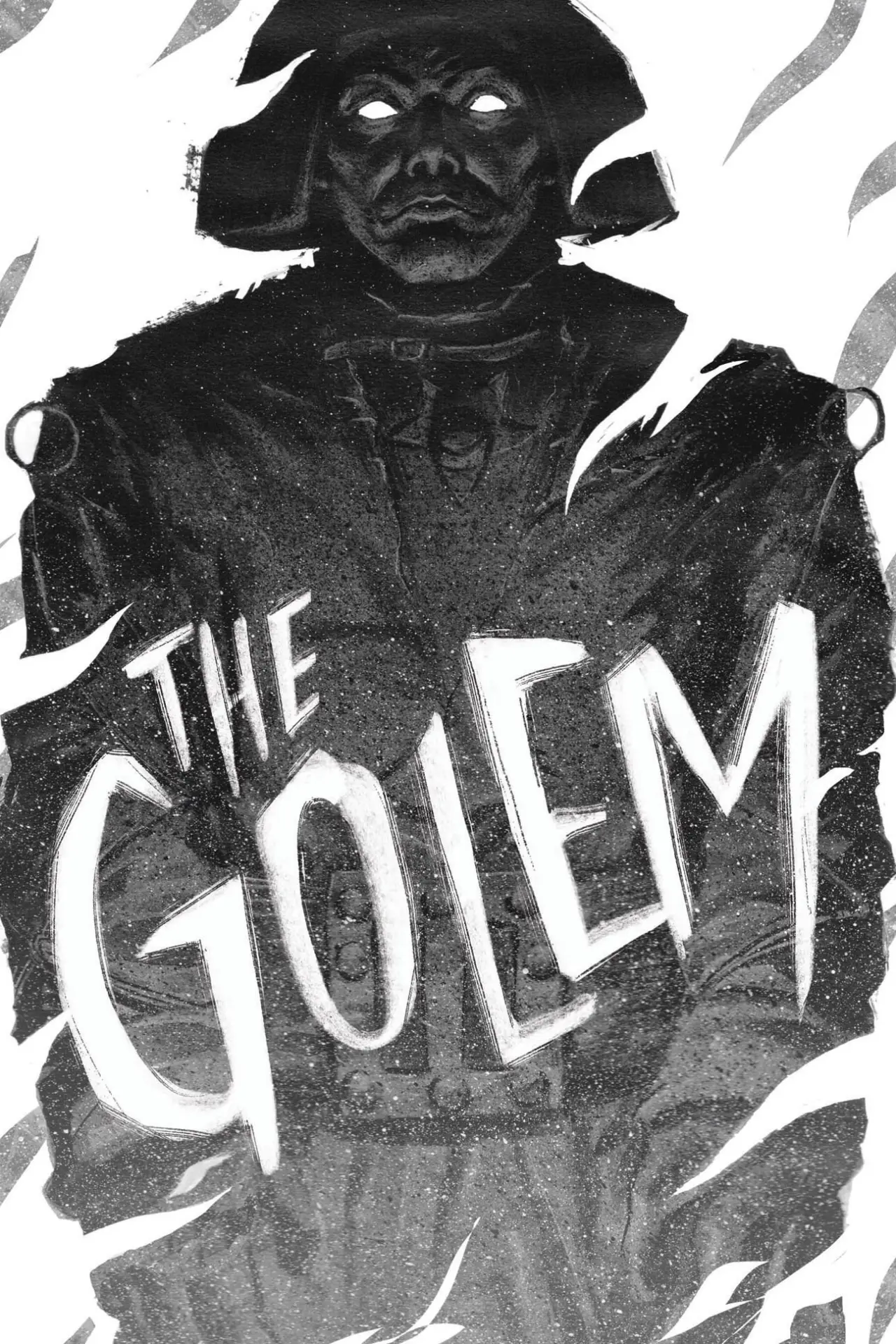
In sixteenth-century Prague, the Jewish community faces expulsion under the orders of Emperor Rudolf II, who accuses its people of practising black magic. Rabbi Loew, a scholar versed in the mystical arts, turns to an old legend for protection. He shapes a huge figure from clay and calls upon a powerful spirit to give it life, creating the Golem to serve and defend his people. When the creature's strength is turned to a personal grudge rather than the community's safety, it slips from Loew's control and becomes a danger to everyone around it, including a young girl who wanders innocently into its path.
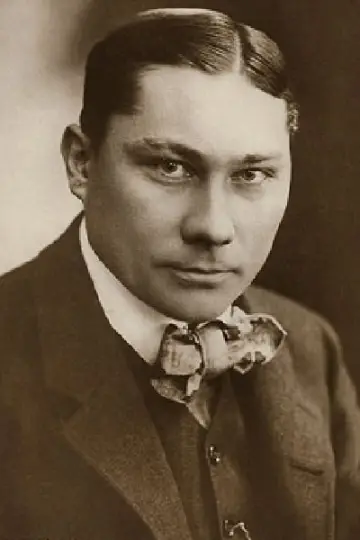
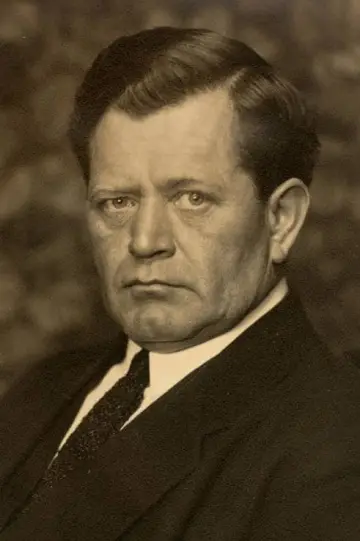
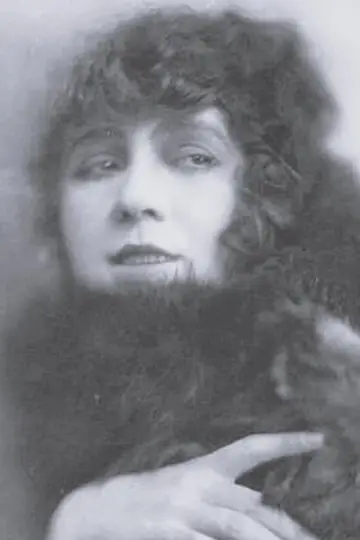
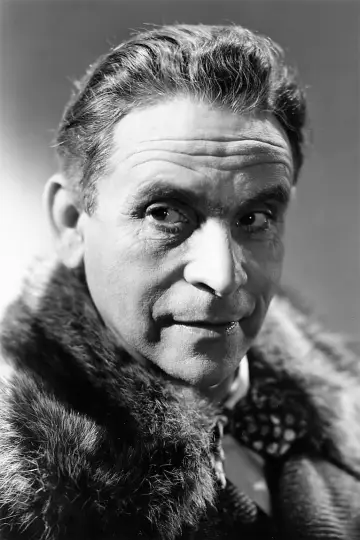
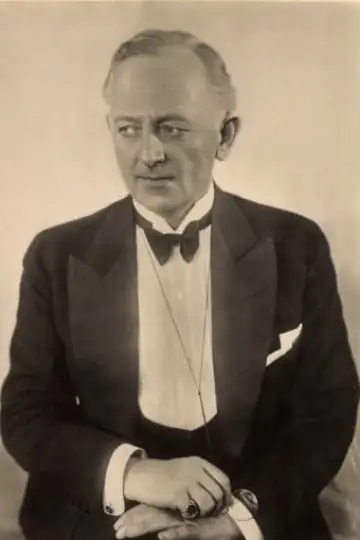
Paul Wegener directed the film with Carl Boese and also plays the clay creature, while Albert Steinrück appears as Rabbi Loew and Lyda Salmonova as Miriam, the rabbi's daughter. Wegener wrote the screenplay with Henrik Galeen; it was his second feature as a director, after Rübezahl's Wedding four years earlier, while for Boese it was the earliest of the three directing credits recorded for him. It was produced by Paul Davidson's Projektions-AG Union.
The film runs eighty-five minutes and blends fantasy with horror. Its standing has held up: on IMDb it rates 7.2 from more than nine thousand votes, a higher score from a much smaller sample of 249 on TMDB, while a critics' rating of 8 out of 10 from thirty-two reviews places professional assessment slightly above the audience consensus.
What's left behind the scenes
- Initially, the creators planned to film the cemetery scenes at a real Jewish cemetery, but the Jewish community forbade the filming. Then Paul Wegener, together with artist Hans Pelzig and cinematographer Karl Freund, decorated a real forest to resemble a cemetery, which gave the scenes a combination of realism and artificiality.
- During the filming of the scene where the Golem is brought to life, according to co-director Karl Böse, “neither technical, physical, nor chemical methods and techniques were suitable.” The focus was on the audience’s imagination and illusion. The scene was realized through a simple object substitution with a live actor. For this, Albert Steinrück, who played the rabbi, had to portray awkwardness while reading the scroll to such an extent that it seemed he was about to drop it. At that moment, when the viewer’s gaze was fixed on the actor’s face, the object was replaced with a live actor – Paul Wegener.
- The Golem ("unformed body") is a clay giant brought to life by magical means in Jewish folklore. According to legends about the Golem, a human figure is sculpted from red clay, the size of a ten-year-old child, and then brought to life either with the name of God or with the word "life" written on its forehead.



 Auditions in India
 Casting calls in USA
 Castingi w Polsce
 Кастинги в Україні

