Nosferatu



Short description
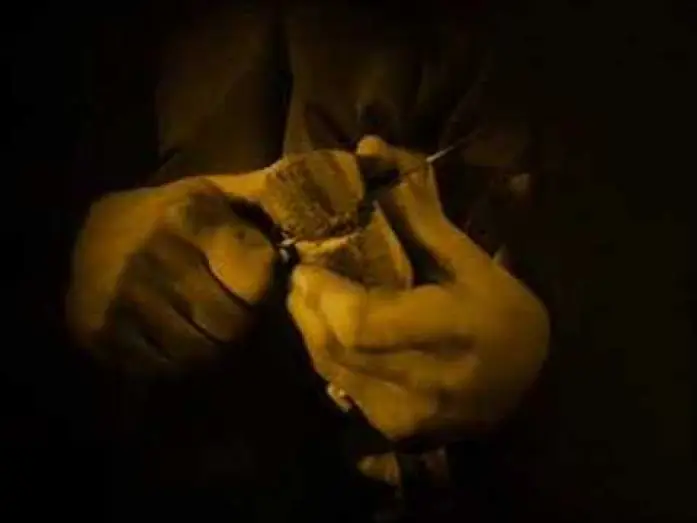
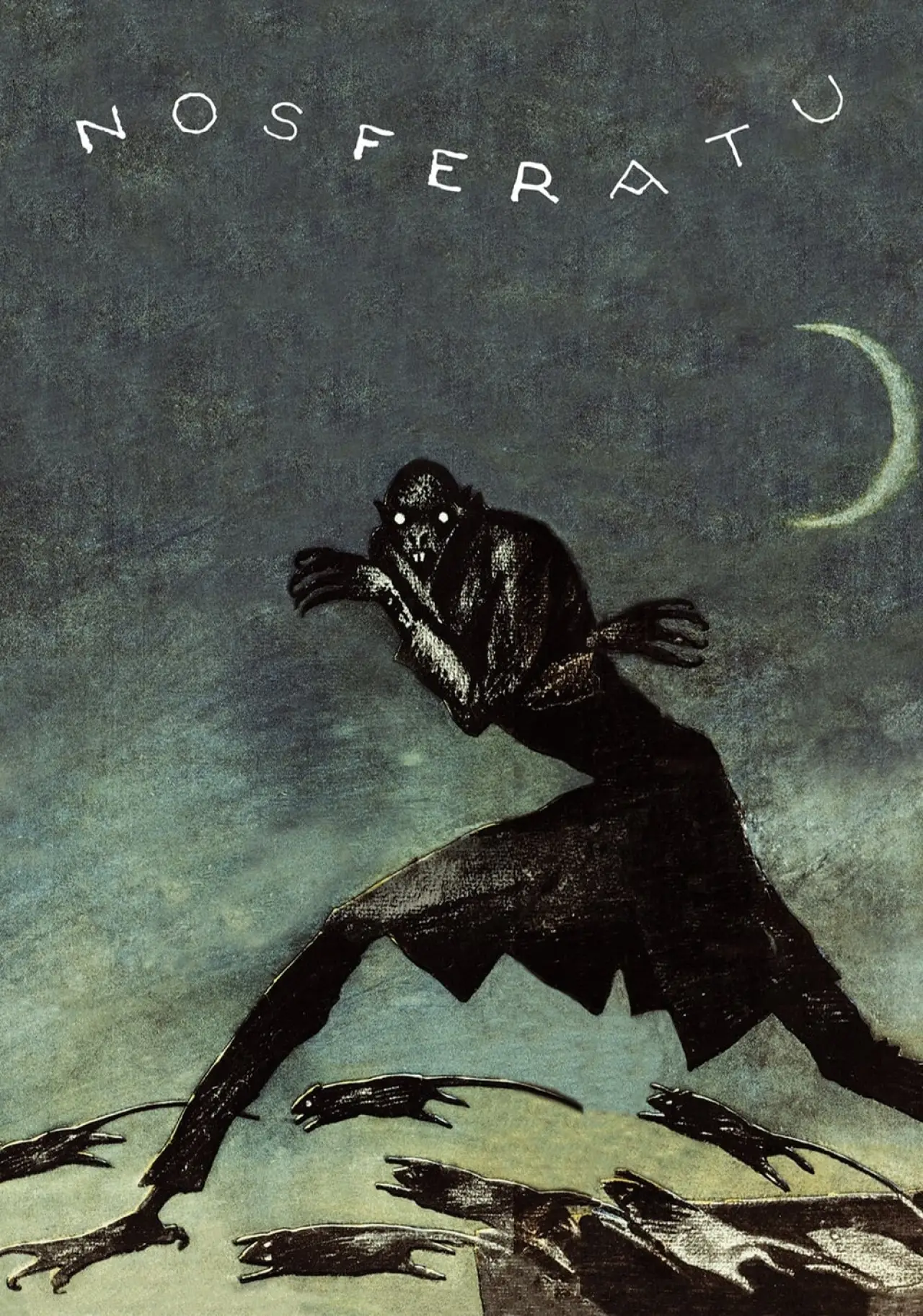
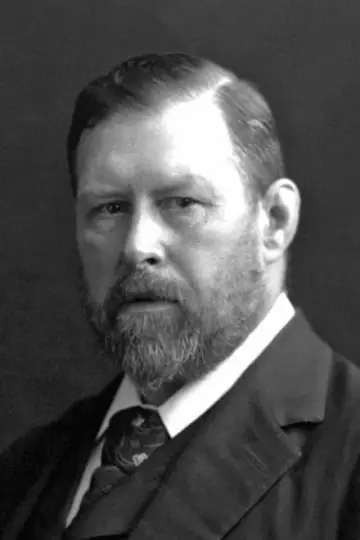
Nosferatu is a German silent horror film set in 1838. A young estate agent, Hutter, is sent from the town of Wisborg to the Carpathian mountains to complete a property sale with a reclusive nobleman, Count Orlok. Hutter finds his host far more dangerous than any ordinary client, and the count's interest extends beyond a house in Wisborg to Hutter's wife, Ellen. The story draws on Bram Stoker's novel Dracula and helped establish the vampire as a subject for cinema.
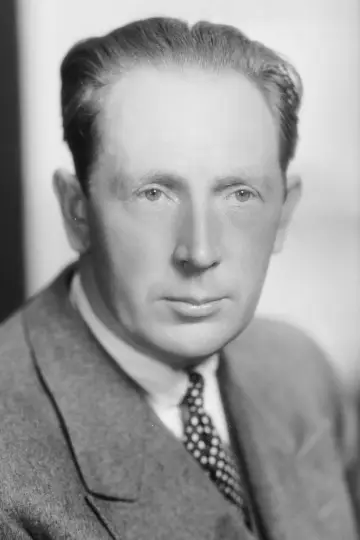
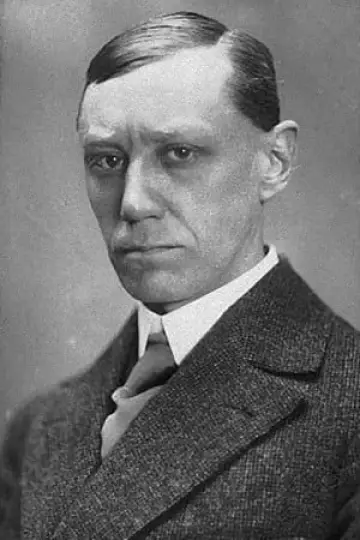
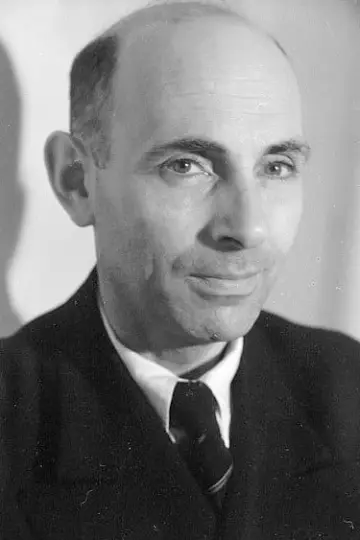
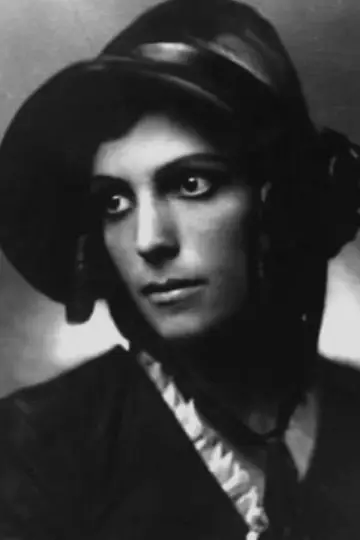
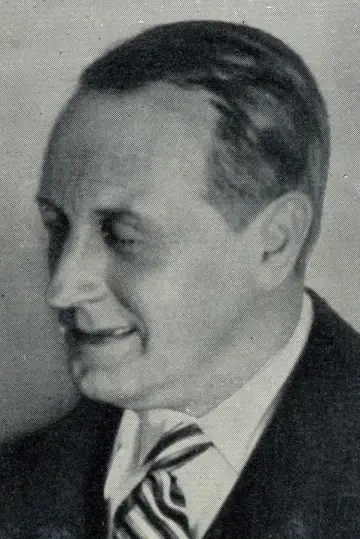
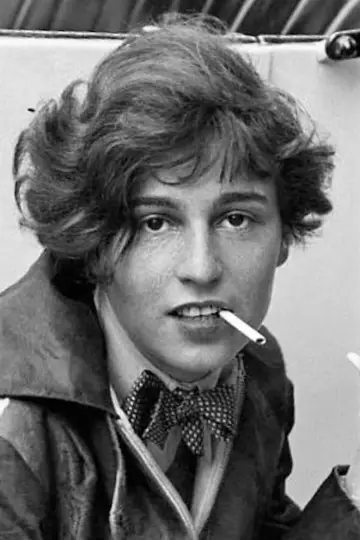
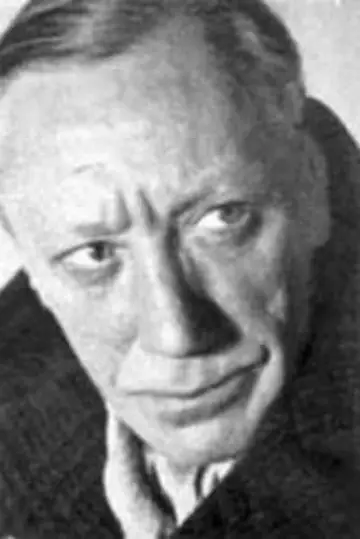
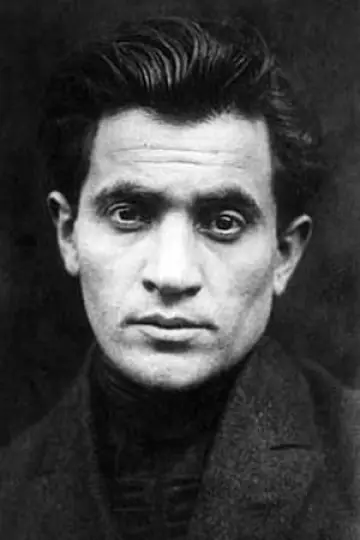
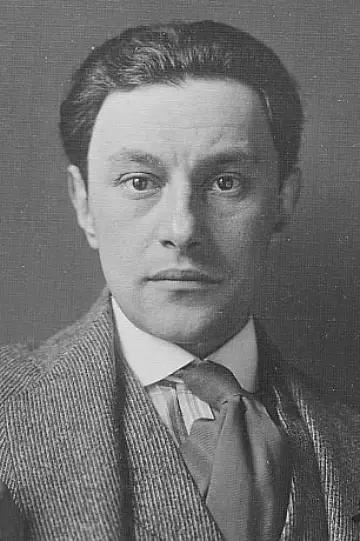
F. W. Murnau directed, working from a screenplay by Henrik Galeen, with Albin Grau and Enrico Dieckmann producing. The film was the first Murnau directed among his listed features, ahead of The Last Laugh, Faust, Sunrise, City Girl and Tabu. Max Schreck plays Orlok, with Gustav von Wangenheim as Hutter, Greta Schröder as Ellen, and supporting turns from Georg H. Schnell, Ruth Landshoff and Gustav Botz among a credited cast of twenty. It runs 94 minutes.
A century after its release, the film holds a 7.8 rating on IMDb from around 123,000 votes and a 7.7 on TMDB from roughly 2,500 votes, while critics' reviews collected for it average 9 out of 10. Those figures place audience appreciation high and critical esteem higher still, consistent with a silent-era work that remains widely seen and studied.
What's left behind the scenes
- Transylvania, the habitat of Count Orlok, was filmed in Slovakia. Orava Castle (in northern Slovakia) was used as the vampire's castle during filming.
- Murnau used an interesting and previously unused cinematic technique to create a mystical atmosphere: in the scene where the hellish carriage carries Hutter to the castle, a night forest is shown in negative (white trees) in one shot, but the carriage and horses remain dark. In fact, the entire scene was filmed in negative, but the carriage and horses were draped in white cloths.
- The film's prints and negatives were destroyed as a result of a lawsuit initiated by Bram Stoker's widow. However, copies were later found in other countries, and the film was saved.
- Many night scenes were filmed during the day, and this was visible even on black and white film. This was later corrected by applying a blue filter to the night shots.
- The film was banned in Sweden until 1972.
- To enhance the 'deadness' of his character, Max Schreck did not blink once on camera.
- Out of 94 minutes of screen time, only 9 minutes are actually devoted to Nosferatu.
- The cities of Wismar, Lübeck, and Rostock are shown at the beginning and end of the film. The High Tatras and the Vah River can also be seen in individual scenes.
- ’Nosferatu’ was the first film to use the plot device of a vampire dying from sunlight.


 Auditions in India
 Casting calls in USA
 Castingi w Polsce
 Кастинги в Україні
