Eaten Alive



Short description
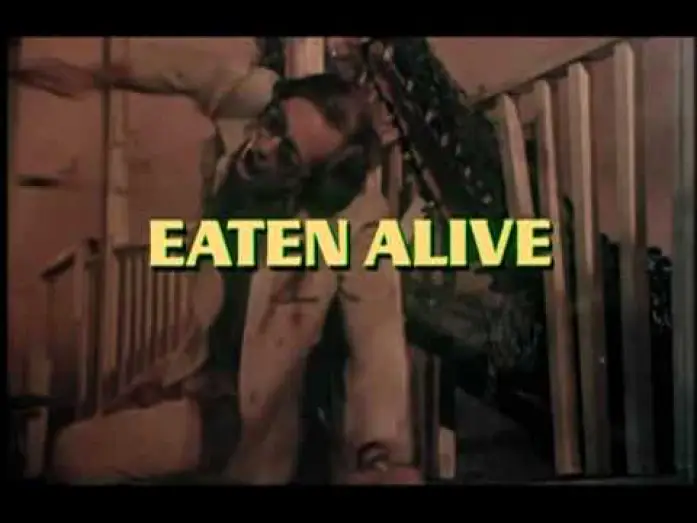
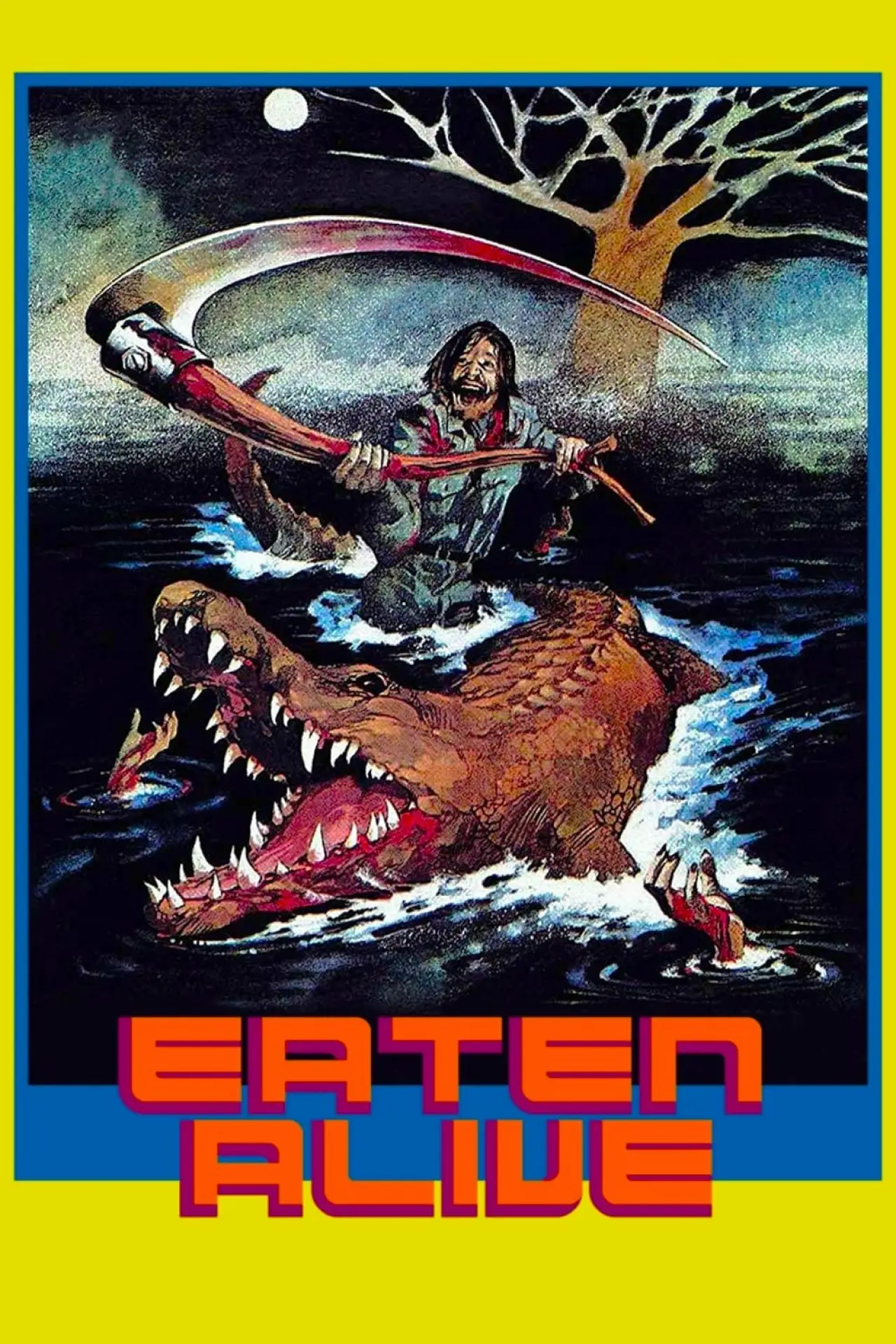
Eaten Alive centres on Judd, the disturbed owner of a rundown rural hotel set beside a swamp. Guests who stay at the Starlight Motel, or who cross him in other ways, tend not to leave: Judd kills them and gives the bodies to the large crocodile he keeps in the water next to the property. His crimes go unnoticed for a time, until the disappearance of a local woman and the arrival of people connected to his victims begin to close in on him.
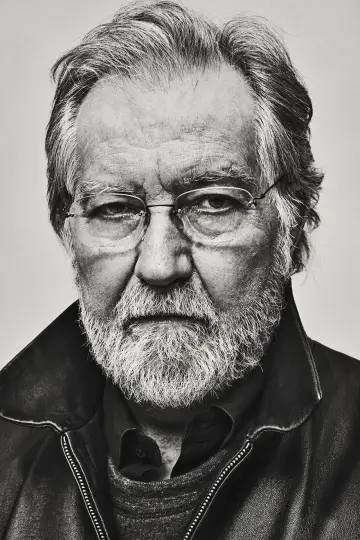
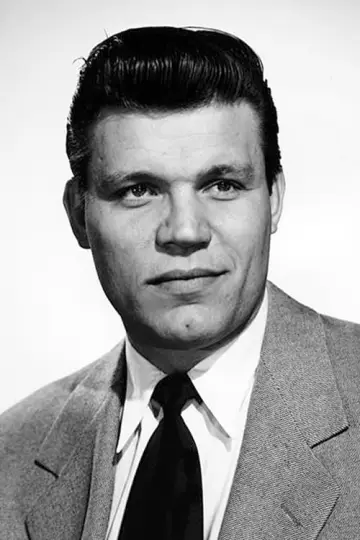
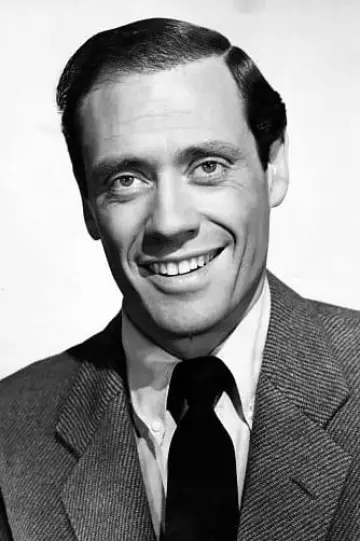
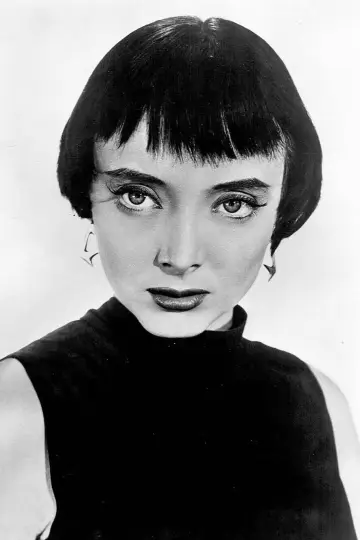
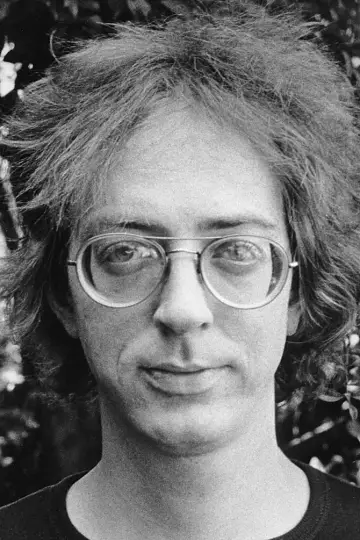
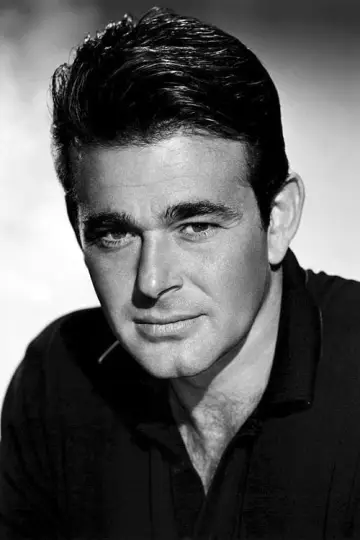
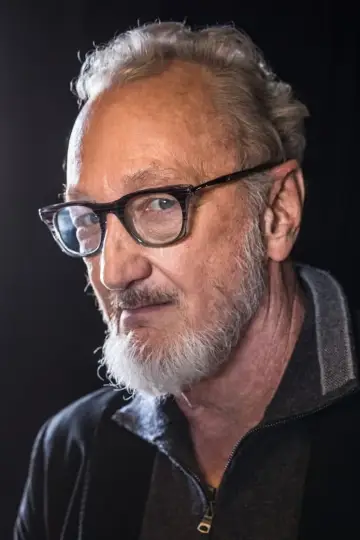
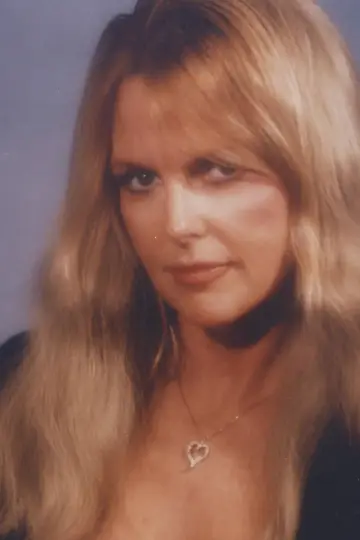
The film was directed by Tobe Hooper and released at the end of 1976. It is the second of the fifteen features he directed in chronological order, following The Texas Chain Saw Massacre and preceding The Funhouse. The screenplay is credited to Kim Henkel, Alvin L. Fast and Mardi Rustam, with Mardi Rustam and Mohammed Rustam producing. Neville Brand plays Judd, heading a cast that also includes Mel Ferrer, Carolyn Jones, Marilyn Burns, William Finley and Stuart Whitman, among twenty-three credited performers.
Made in the United States by Mars Production Corporation, the film runs ninety-one minutes and sits within the horror and thriller genres. On IMDb it holds a rating of 5.5 out of 10 from roughly 9,800 votes, and on TMDB it also stands at 5.5 out of 10, from 206 votes. A critics' rating of 4.7 out of 10, drawn from seventeen reviews, places professional assessment below the audience scores on both platforms.
What's left behind the scenes
- A very loose adaptation of the story of Joe Ball (also known as the “Alligator Man” and the “Bluebeard of South Texas”), who owned a bar with live alligators in Texas in the 1930s. Ball killed several women during his lifetime. Rumors circulated that he disposed of the bodies by feeding them to the alligators, but no one was ever able to prove that the remains found in the pool were human. On September 24, 1938, Ball committed suicide when police came to arrest him in connection with these murders.
- A five-meter mechanical model of a Nile crocodile was created for filming the scenes with the monster in the water. A model only one meter in size was used for filming the crocodile under the motel. The larger model later deteriorated when it was left in an artificial pool for a long time and water got inside, forcing it to be disassembled for drying, which resulted in several days of downtime.
- The entire film was shot on the soundstages at “Raleigh Studios” in Hollywood, which featured a large pool suitable for filming, specifically the swamp. Filming on soundstages rather than on location gave the film a “surreal atmosphere” (as director Tobe Hooper put it). The director himself had to leave the project shortly before completion due to disagreements with the producers.
- Initially, it was planned to shoot some scenes on location in Amarillo, Texas, but these plans did not come to fruition due to financial considerations, and the entire film was shot on the studio’s soundstages due to budget constraints.
- Fog in the swamp scenes was created using dry ice, as was done in the early days of cinema when shooting horror films on the soundstages of Hollywood studios.
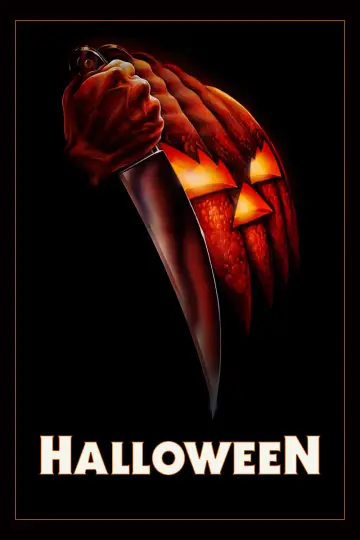
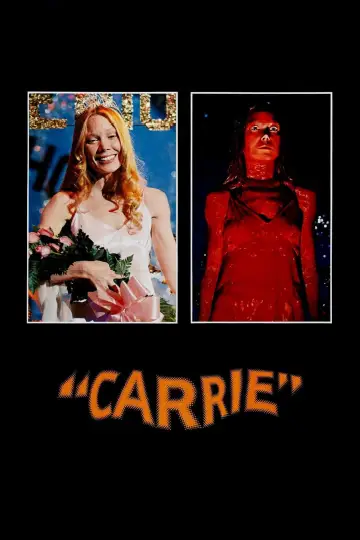
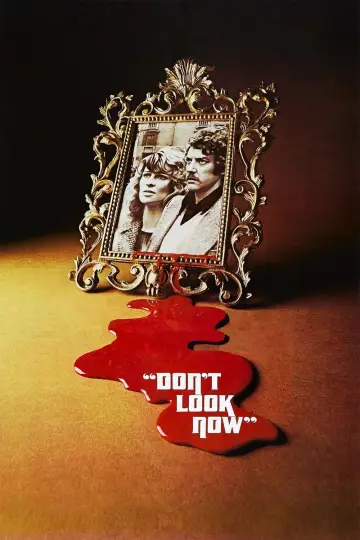
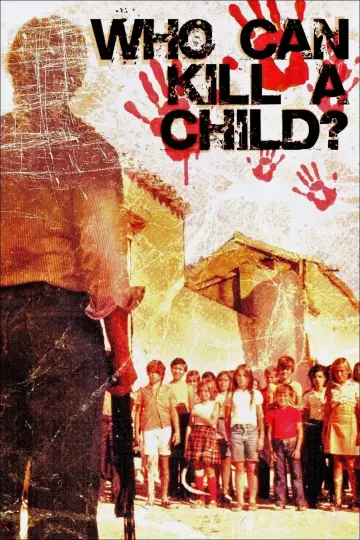
Similar movies


 Auditions in India
 Casting calls in USA
 Castingi w Polsce
 Кастинги в Україні
