Monsieur Verdoux



Short description
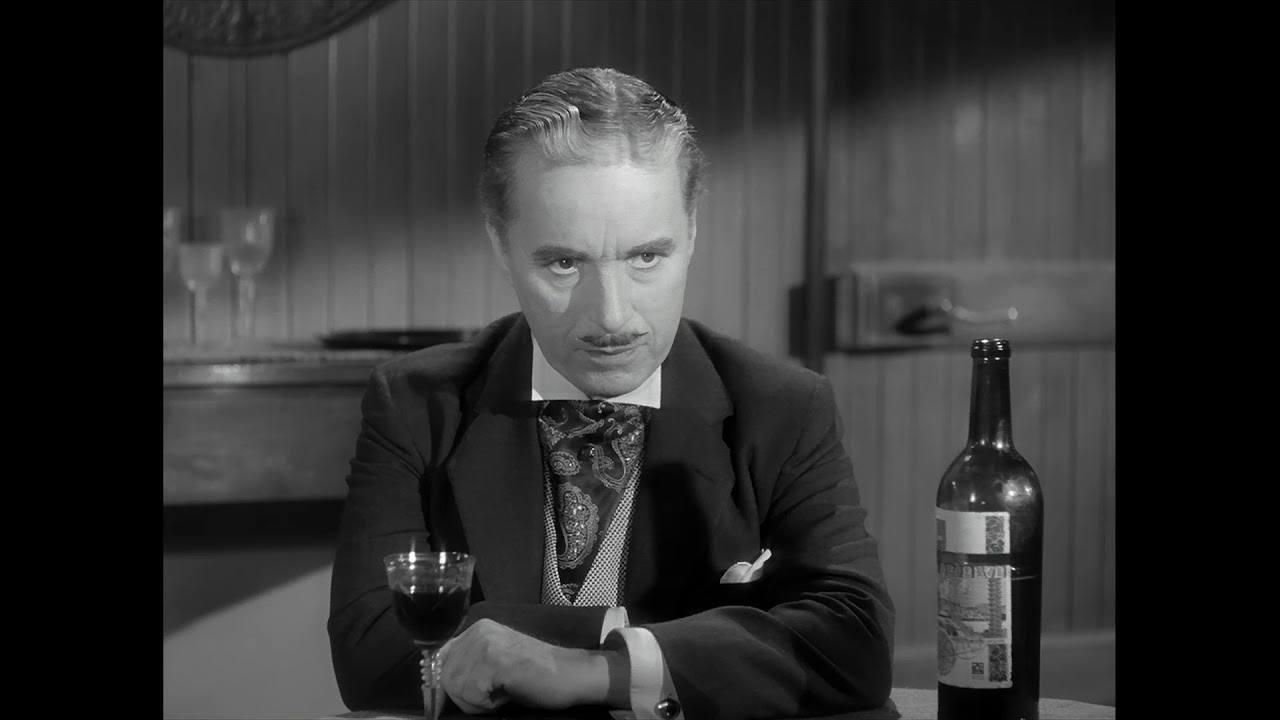
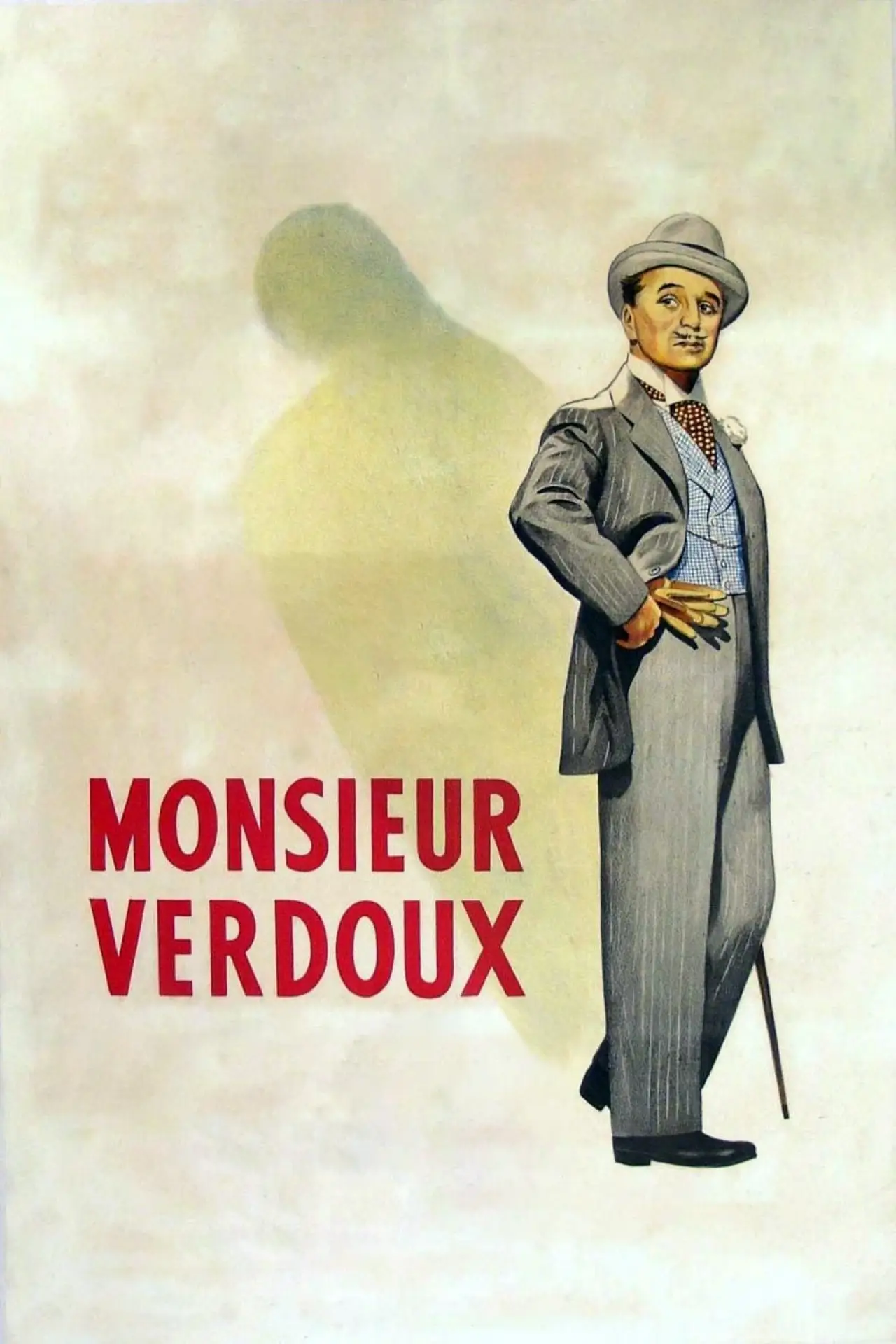
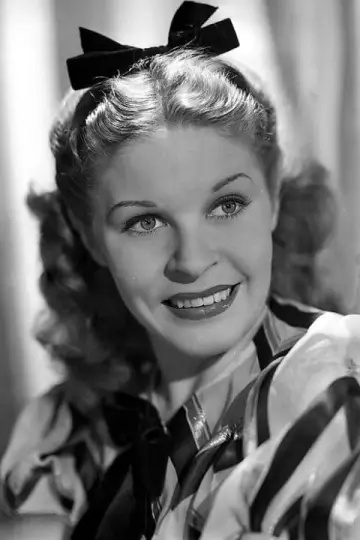
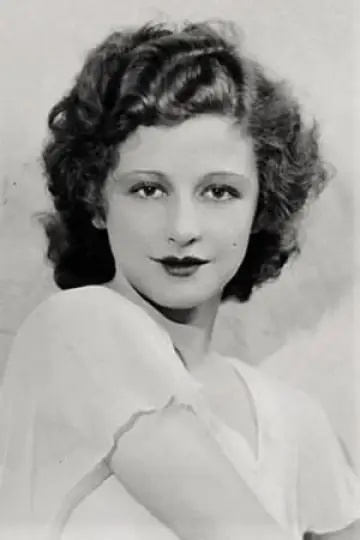
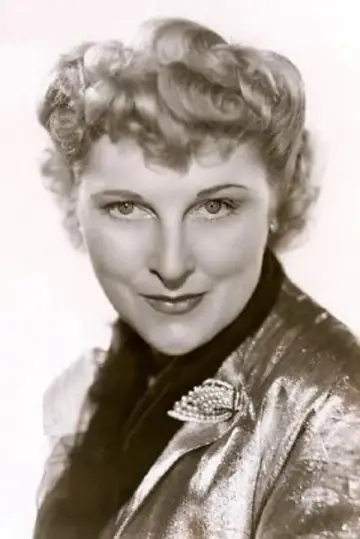
Henri Verdoux is a married man with a young son who loses his bank job after many years of service. He then finds work, in a sense, for himself: he courts wealthy widows under a false identity, marries them, takes their money, and disposes of them. The arrangement supports his wife and child at home while he moves between assumed names and different parts of France. Trouble comes when two of the women he targets do not behave as expected, and his routine begins to fray.
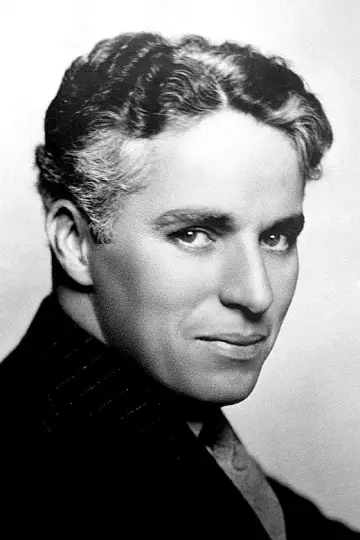
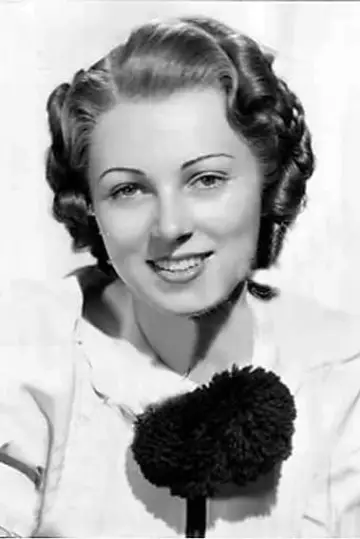
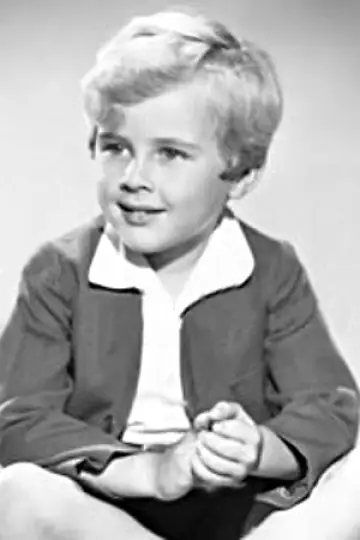
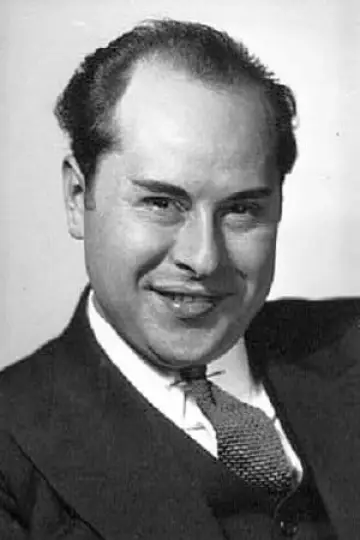
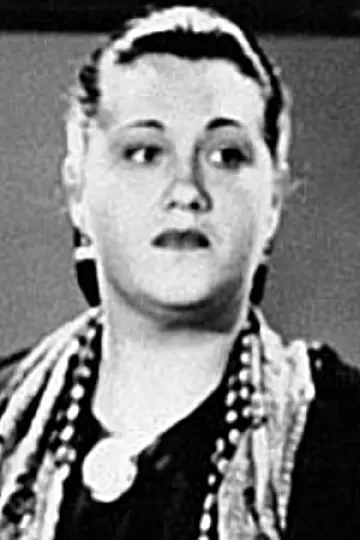
Charlie Chaplin wrote, produced, and directed the film, and plays the title role, with Mady Correll as his wife, Allison Roddan as their son, and Martha Raye as Annabella Bonheur. It was Chaplin's nineteenth film as director, following The Great Dictator and preceding Limelight. The film was made in the United States on a budget of about two million dollars.
Monsieur Verdoux was released in 1947 and runs 124 minutes. On IMDb it holds a rating of 8.3/10 from 39 reviews, while on TMDB it has a rating of 7.7/10 from 493 votes. The two figures sit fairly close together, suggesting broad agreement, though the critics' rating is based on a much smaller sample.
What's left behind the scenes
- In 1948, a Parisian bank clerk named Verdu sued the film's producers.
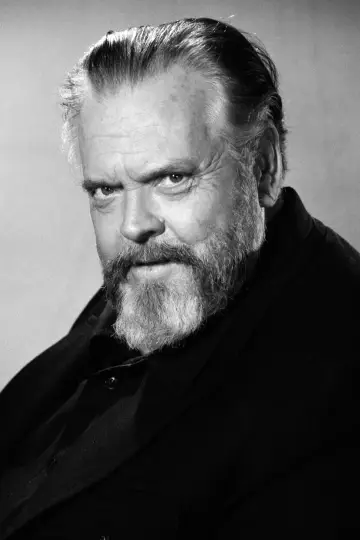
- Originally, Orson Welles was supposed to direct the film, and Chaplin was to star in it, but the latter stated that he had never acted in films directed by anyone else and had no intention of starting. He then bought the script from Orson Welles, rewrote parts of it, and credited himself as the screenwriter, stating that Welles was only the originator of the idea. Welles responded, saying that despite the script largely remaining his, he had no objections, as it was, in any case, his worst script.
- Despite excellent critical reviews and even an Academy Award nomination for Best Original Screenplay, the film flopped at the American box office due to elements of "blasphemy" and political satire, as well as Chaplin's political beliefs, which were unfavorable to the US government at the time. In the year of its release, the cinemas that dared to show it were picketed by the American Legion and Catholic War Veterans, and pro-government newspapers launched a real campaign of harassment against the director.
- Luis Buñuel considered this film to be one of Chaplin's two best films (the other being *The Gold Rush*).
- In the scene where Detective Morrow drinks wine from a glass, it is clearly visible that a small amount of wine remains in the glass when he sets it down on the table. However, in the following scenes, the wine in the glass disappears and then reappears.
- Based on the true story of serial killer Henri Landru (1869-1922), who met his end under the guillotine.
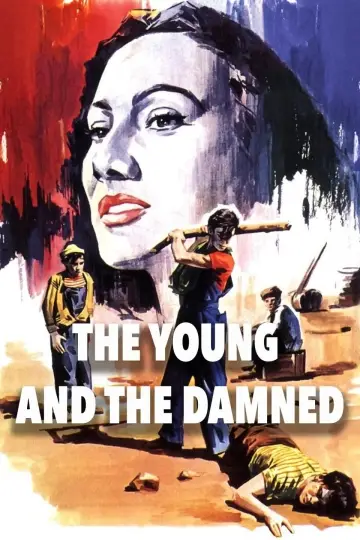
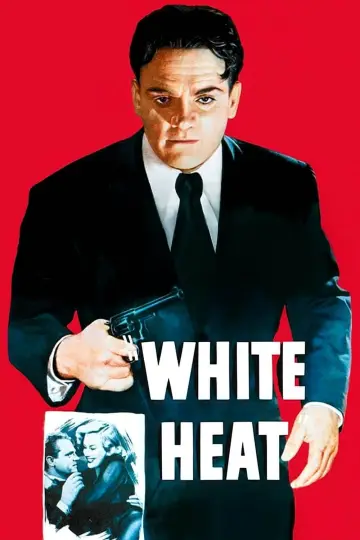
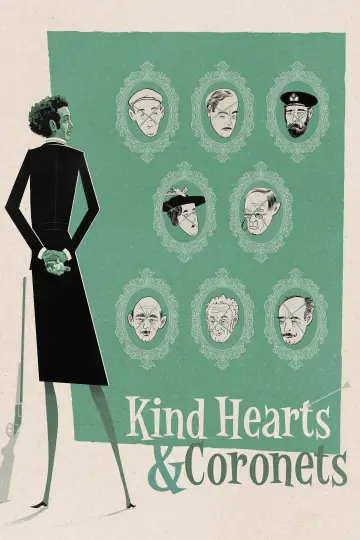
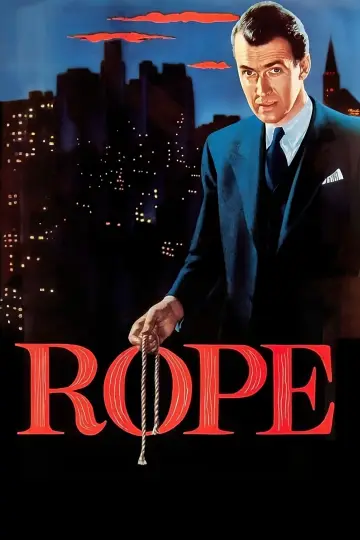
Similar movies


 Auditions in India
 Casting calls in USA
 Castingi w Polsce
 Кастинги в Україні
