Rashomon




Short description
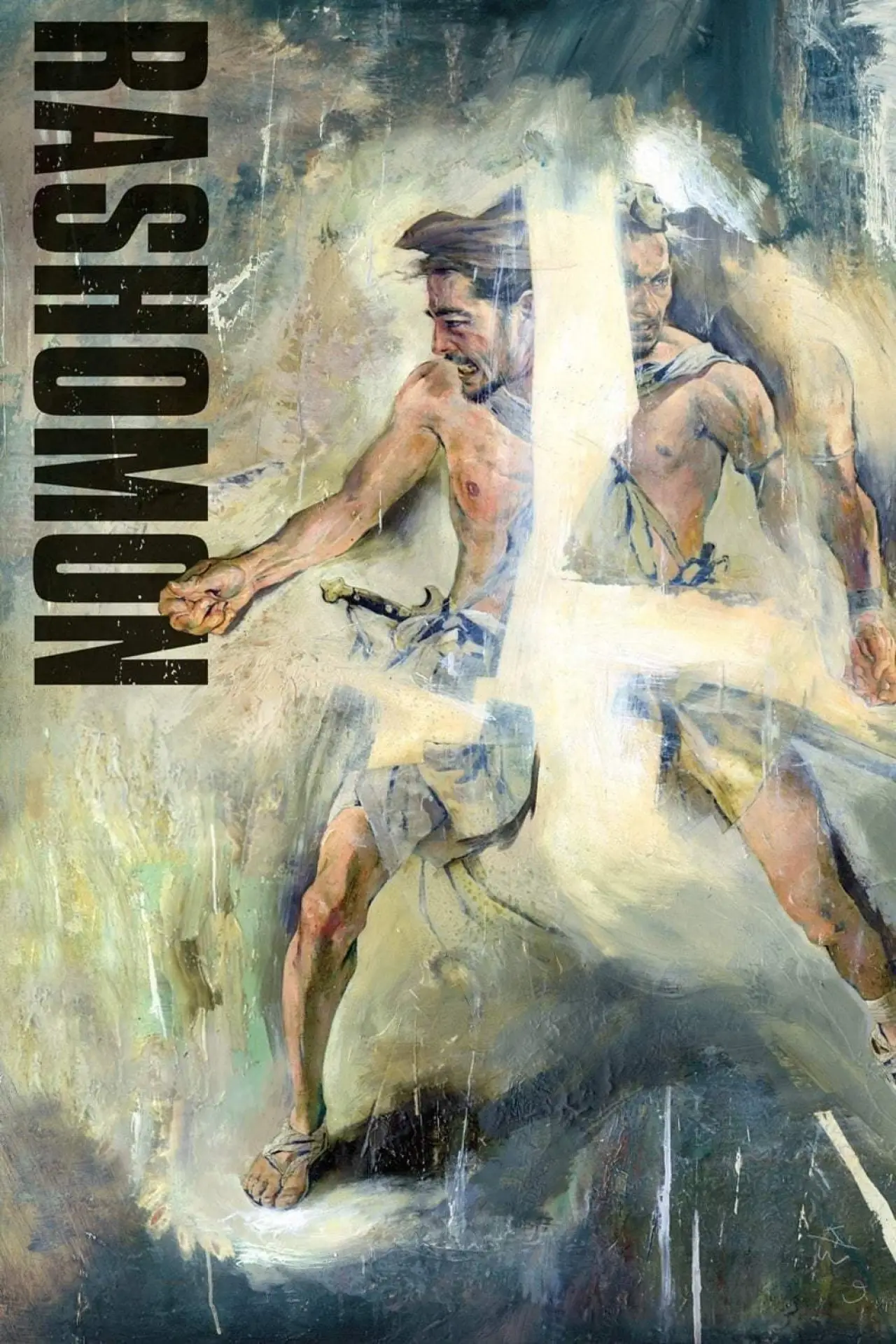
Set in Heian-era Japan, Rashomon centres on a crime in the woods: a samurai is killed and his wife is assaulted. Four people give accounts of what happened, each version differing from the others, and no single telling settles the question of who is responsible. The story is framed by three travellers sheltering from the rain under the ruined gate of Rashomon, who discuss the testimony they have heard.
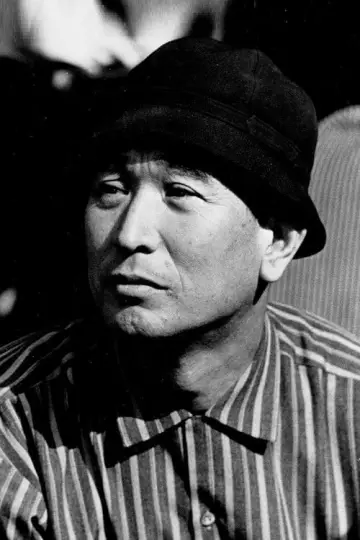
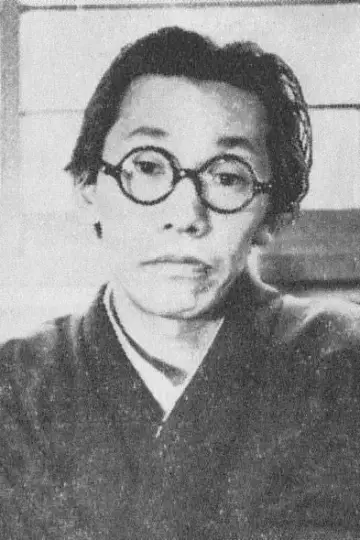
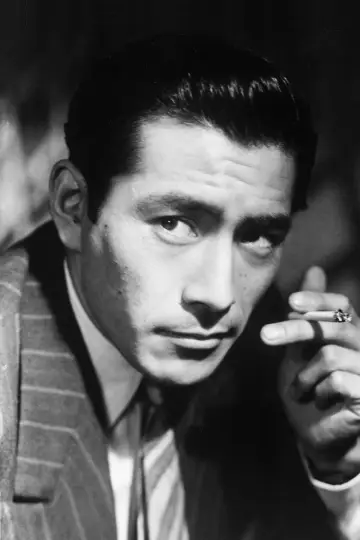
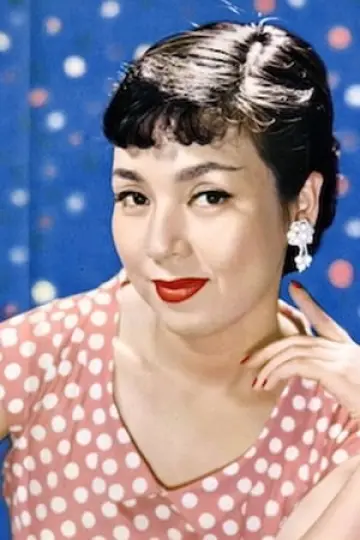
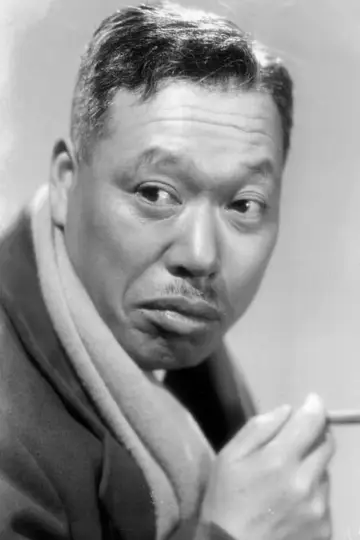
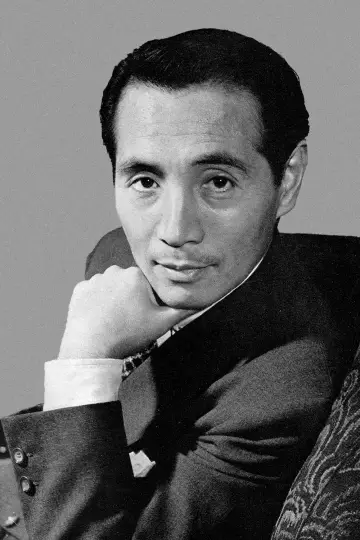
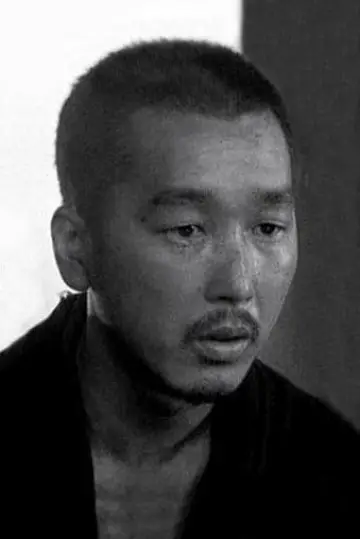
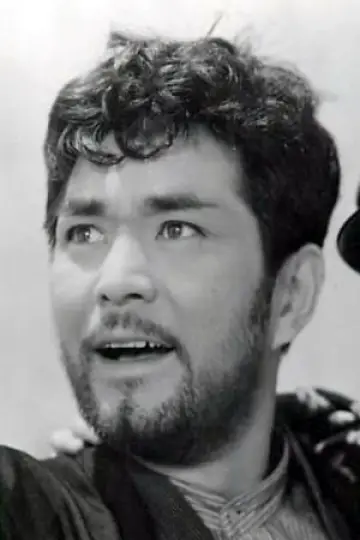
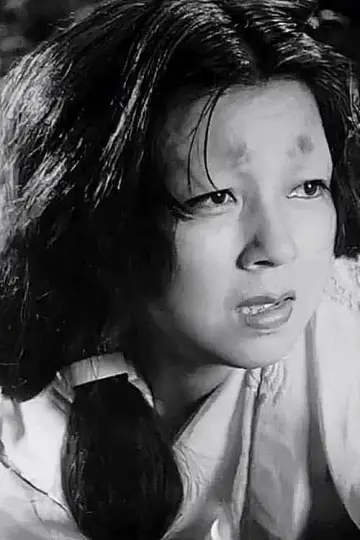
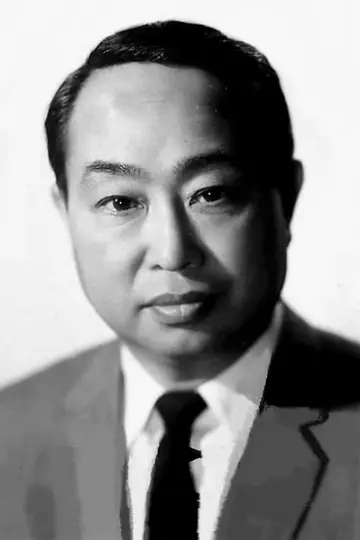
Akira Kurosawa directed and co-wrote the film with Shinobu Hashimoto; Jingo Minoura produced it for Daiei Film. It runs 88 minutes and was released in Japan in August 1950. It is the fifth of the 23 films Kurosawa directed, following The Quiet Duel and preceding Scandal. Toshirō Mifune plays the bandit Tajômaru, Machiko Kyō plays Masako, Masayuki Mori plays the samurai Takehiro, and Takashi Shimura, Minoru Chiaki and Kichijirō Ueda appear as the woodcutter, the priest and the commoner.
Audience response has been strong over the decades: on IMDb it holds 8.1 out of 10 from about 196,000 votes, and on TMDB 8 out of 10 from roughly 2,615 votes. A critics' rating of 9.5 out of 10, drawn from 64 reviews, places it higher still. The large gap in vote counts between the two audience platforms reflects how much wider IMDb's reach is, while the critics' figure suggests the film's reputation among reviewers has remained exceptionally high.
What's left behind the scenes
- In the scene at the Rashomon Gate, Kurosawa couldn't achieve a rain effect that was visible not only in the foreground but also in the depth, where it blended with the gray sets. So, ink was added to the water of the rain machines, making the rain more contrastive. The ink can be seen in the final shot: it got on the face of the departing lumberjack.
- During filming, a delegation of the crew approached Akira Kurosawa, opened the script before him, and asked, "what does all this even mean?" Kurosawa's answer went down in history: he said that this film was a reflection of life, and life does not always have a simple and clear meaning.
- It is believed that this film was the first to point the camera directly at the sun, showing it moving through the leaves. Kurosawa himself claimed for some time that the cinematographer Kazuo Miyagawa had invented this technique, although he later retracted this statement.
- Even at noon in the forest where filming took place, it was dark. Therefore, Kurosawa and cinematographer Kazuo Miyagawa used a large makeup mirror to reflect sunlight, directing it onto the subject being filmed.
- During filming, the crew asked Akira Kurosawa what was meant by what was written in the script. He replied that this film was a reflection of life, and life does not always have a simple and clear meaning.
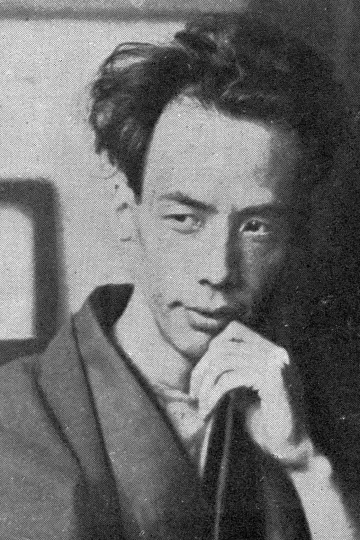
- The film is based on Ryunosuke Akutagawa's works "Rashomon" and "In a Grove." It borrows the setting, title, and overall atmosphere from the former, while the plot is taken from the latter story.
- Kurosawa told Toshiro Mifune to borrow the physicality of his character from the wild, say, a lion. Since then, Mifune played practically the same "lion-like" role several more times, cementing his image with this very physicality.
Similar movies


 Auditions in India
 Casting calls in USA
 Castingi w Polsce
 Кастинги в Україні
