Day of Wrath





Short description
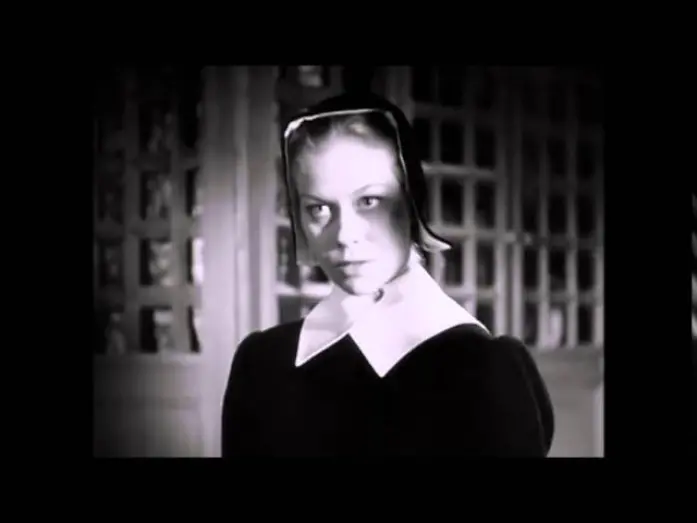
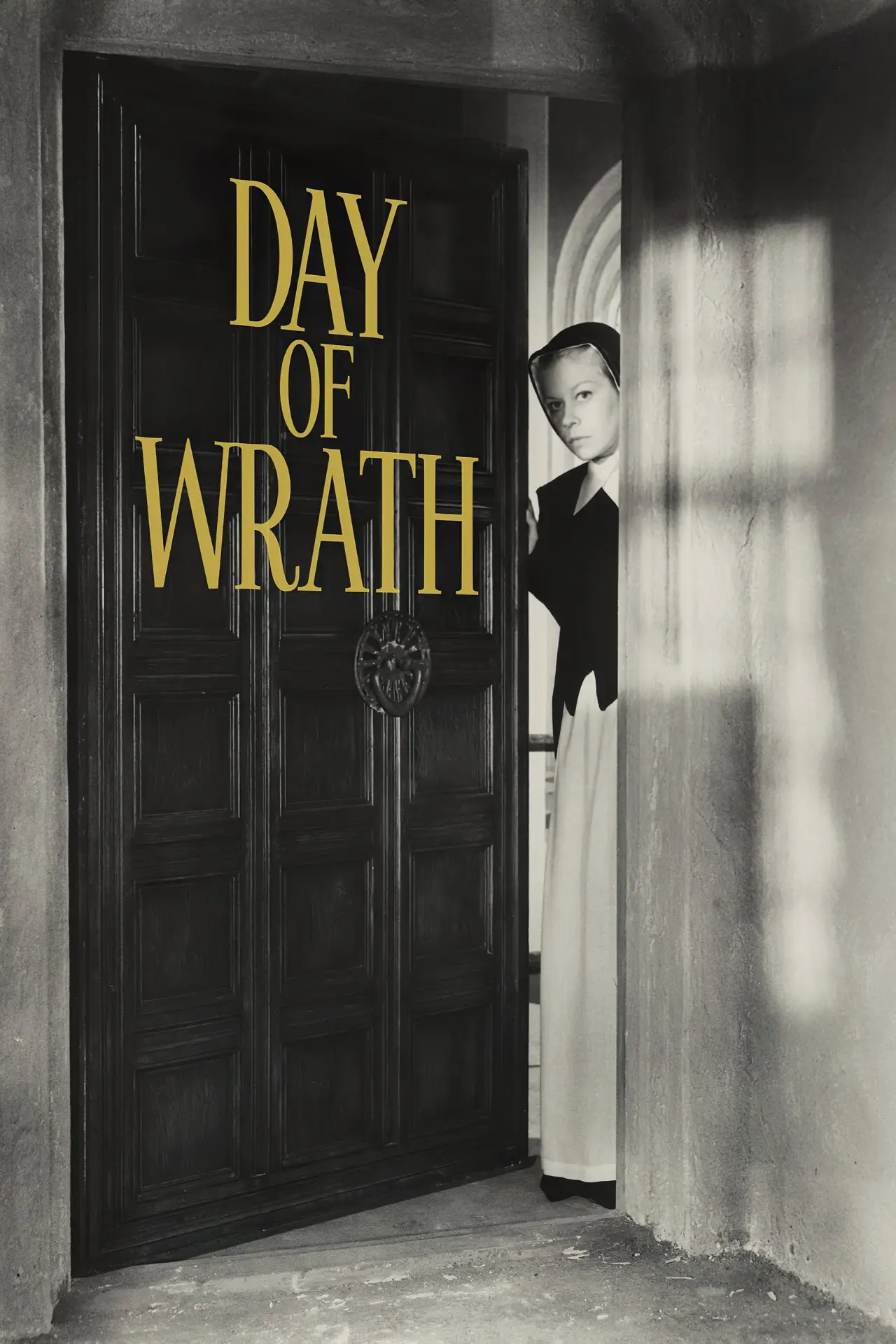
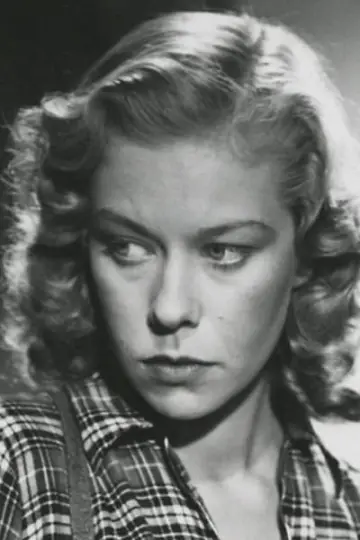
Day of Wrath is set in a small Danish community in 1623, where accusations of witchcraft carry the weight of law and the accused are burned. Absalon, a pastor, once spared the life of a woman believed to be a witch by taking her daughter Anne as his second wife. Years later, when an old woman named Marte is condemned and comes to him for help, he refuses her, pressured by his disapproving mother, Merete. Marte has knowledge of Anne's origins and threatens to expose what Absalon has kept hidden. At the same time, Absalon's grown son Martin returns home and is drawn to Anne, setting her against her husband and his household.
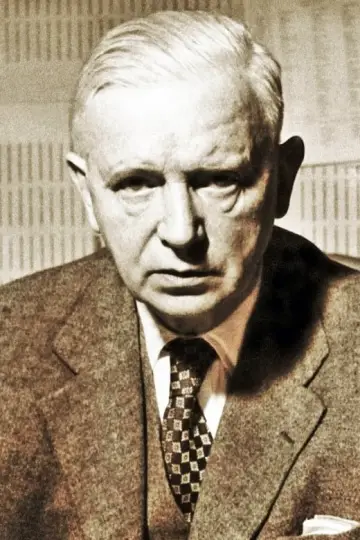
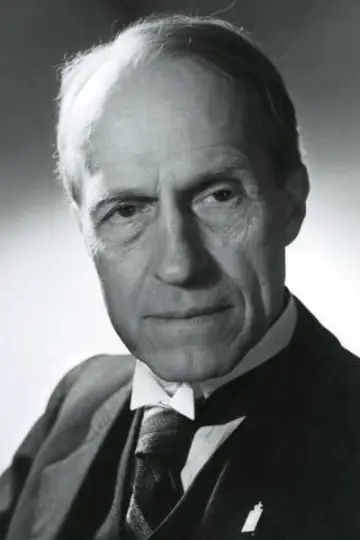
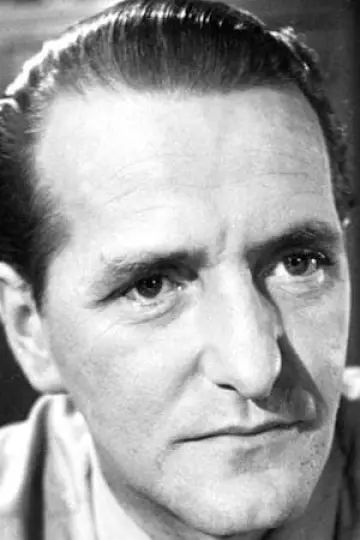
Carl Theodor Dreyer directed and co-wrote the film, which followed Vampyr (1932) in his filmography. Thorkild Roose plays Absalon and Lisbeth Movin plays Anne, with Preben Lerdorff Rye as Martin, Sigrid Neiiendam as Merete and Anna Svierkier as Marte. The film runs 97 minutes.
Audience reception on TMDB stands at 8 out of 10 from a few hundred votes, while a film critics' rating of 8.7 out of 10 from 26 reviews places critical approval somewhat above the audience score.
What's left behind the scenes
- The film is based on a play by Norwegian writer Hans Wiers-Jenssen, "Anna, Daughter of Peter," which is based on real events.
- The film has no subtitles other than the title.
- Nordisk Film refused to finance Dreyer's proposed project because they considered him an expensive and extravagant director, and the following option was proposed: Dreyer would shoot a short documentary film on a government commission (which became "Help for Mothers") to prove he could shoot within budget and schedule, after which Nordisk would finance his feature film.
- The film was shot during the German occupation of Denmark. It is not surprising that many interpreted the film as a political allegory. However, Dreyer always insisted that any allusions to contemporary politics in his film were coincidental and unplanned. It was rumored that he deliberately chose a blonde actress for the role of Anna so that no one would feel that the witch hunt implied the extermination of Jews by the Nazis. This fact has not been proven, but it is worth noting that actress Lisbet Movin never appeared in another Dreyer film.
Similar movies






 Auditions in India
 Casting calls in USA
 Castingi w Polsce
 Кастинги в Україні
