Modern Times




Short description
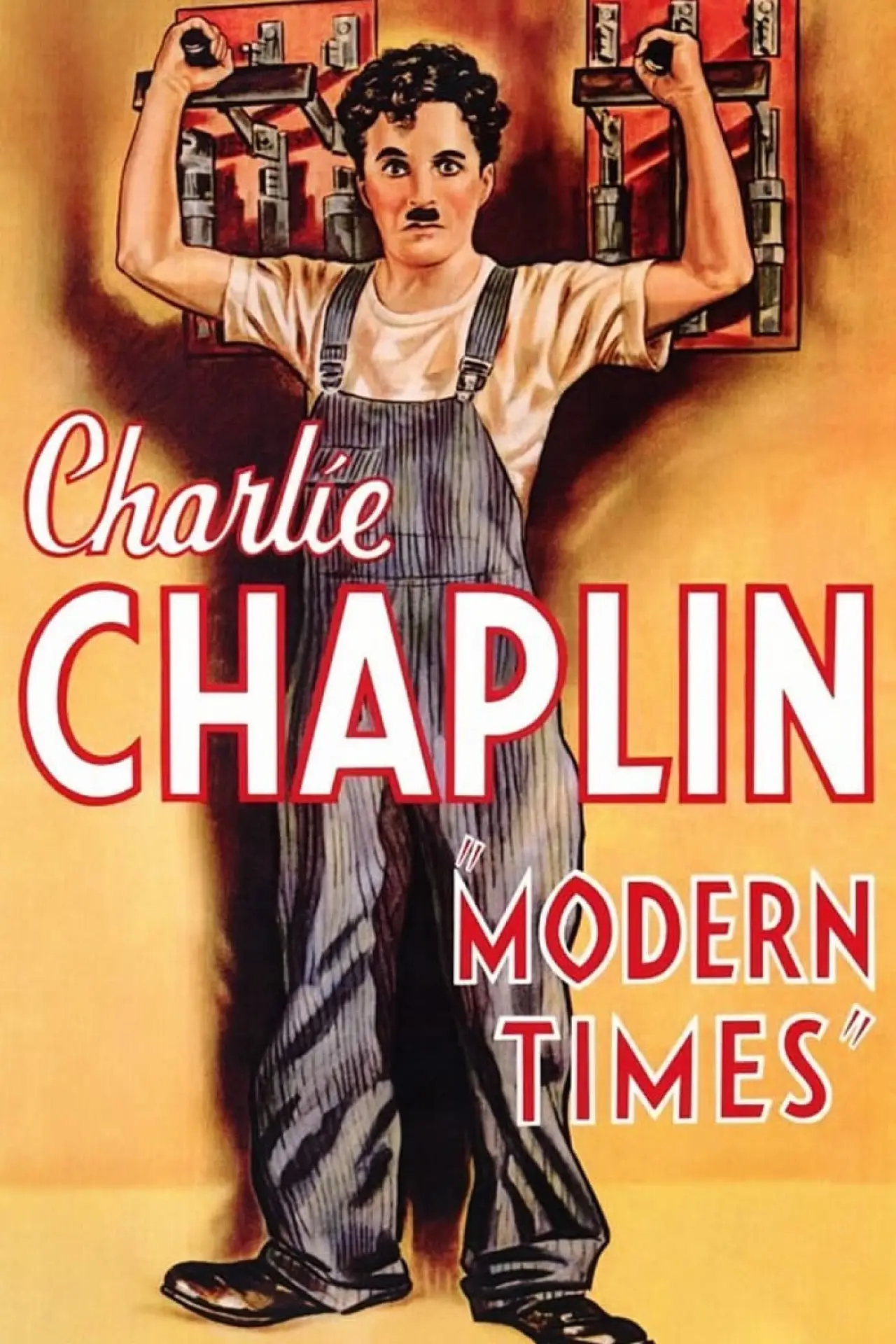
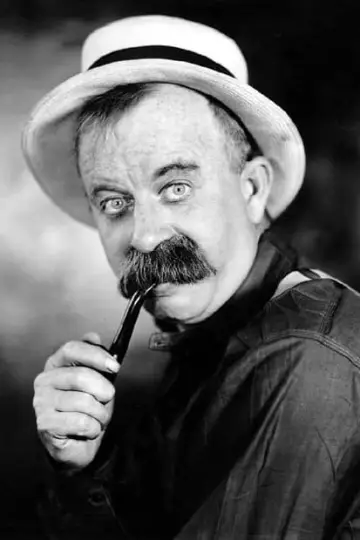
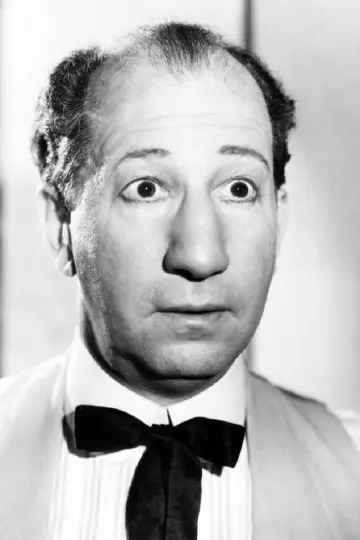
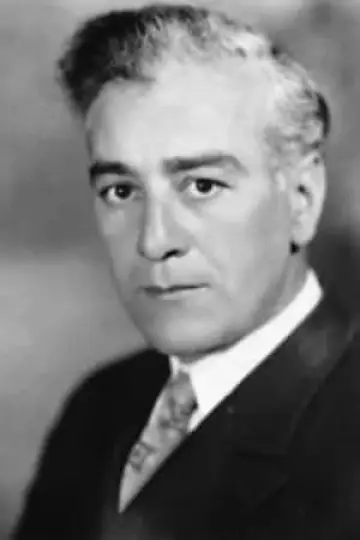
Modern Times follows Charlie Chaplin's Tramp, here a factory worker on an assembly line, who is pushed to breaking point by the pace and machinery of industrial work. After a spell in hospital he is arrested, seemingly by accident, during a labour demonstration, and later wins his release by unintentionally helping to stop a prison riot. Back outside, he joins forces with a young orphaned woman he meets on the streets, and the two try to scrape together a living. Chaplin wrote, produced and directed the film, and also composed its music. Paulette Goddard plays the girl, with Henry Bergman, Tiny Sandford, Chester Conklin and Hank Mann among a credited cast of 43. It runs 87 minutes and was released in February 1936 by United Artists.
The film was Chaplin's seventeenth as director in chronological order, coming between City Lights and The Great Dictator, and it was made for about 2 million dollars. Its reputation rests on lasting approval rather than novelty: on IMDb it holds 8.5/10 from roughly 284,000 votes, on TMDB 8.3/10 from about 4,200 votes, while a critics' rating stands at 9.5/10 across 113 reviews. The audience scores point to a widely liked film, and the critics' figure places it higher still.
Though it arrived well into the sound era, the film keeps the methods of silent comedy, with dialogue conveyed mainly through gesture and intertitles, and the Tramp's voice is heard only in a song near the end.
What's left behind the scenes
- Chaplin was accused of plagiarism of René Clair's film “Our Freedom” (1931), particularly the scenes on the assembly line.
- Initially, the film was conceived as a sound film, dialogues were written, but Chaplin could not imagine the Tramp speaking. He also doubted dubbing for foreign release. Ultimately, Chaplin abandoned attempts to make a sound film and completed “Modern Times” in the style of silent cinema with rare dialogues.
- The "feeding machine" was conceived by Chaplin back in 1916 for a full-length film about a journey to the moon. The film was intended as a satire on technological progress but was never made.
- In the episode with the demonstration in the crowd, 3 posters in Russian are visible: “Stand up for yourself,” “Sвобода” (exactly like that), “Freedom or death. Union.”
- Production of the film began in September 1933 and ended on January 12, 1936.
- In 1989, the film was selected for preservation in the U.S. National Film Registry.
- An English surgeon, Dr. Cecil Reynolds, played the role of a priest visiting a prison.




 Auditions in India
 Casting calls in USA
 Castingi w Polsce
 Кастинги в Україні

