The Paradine Case






Short description
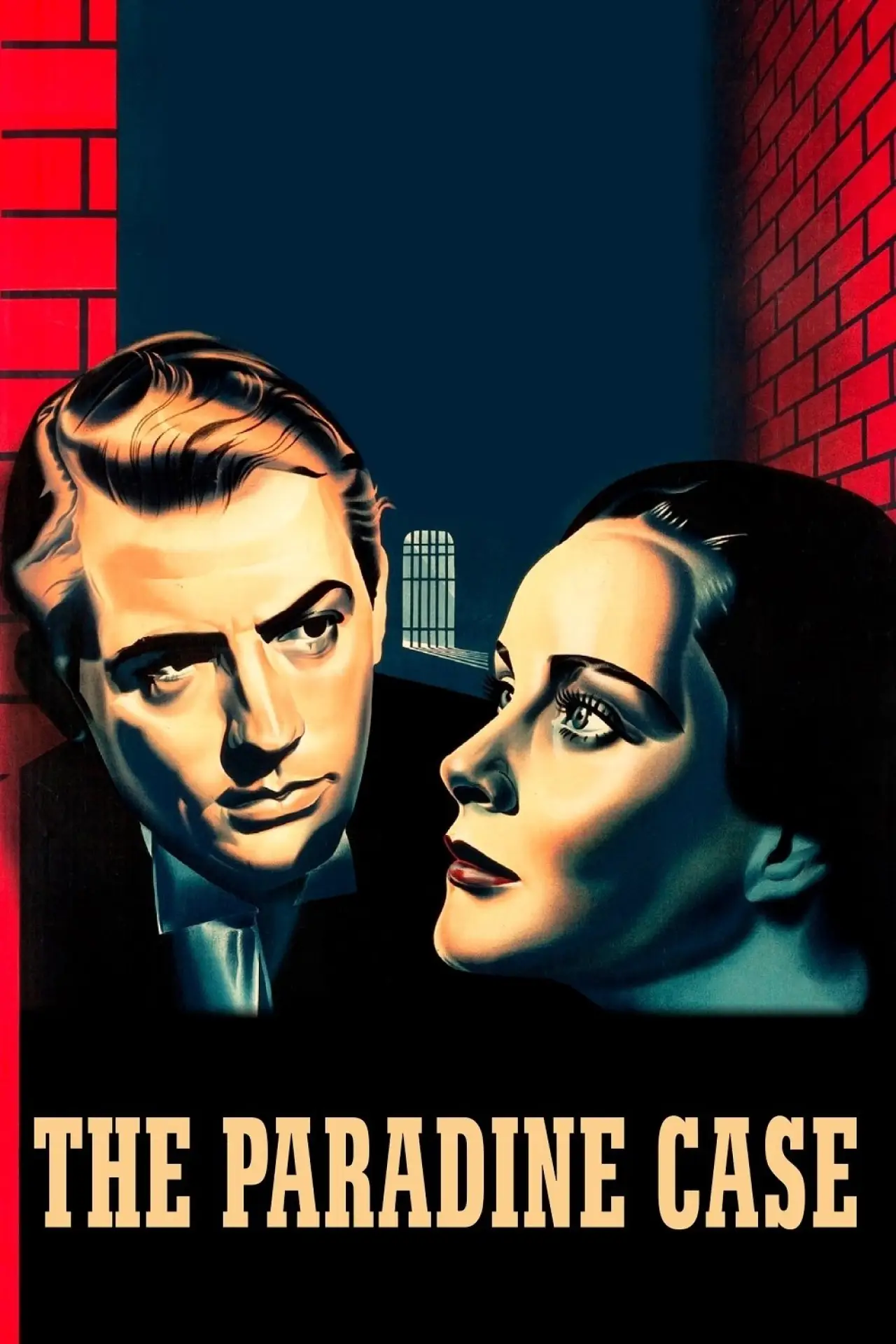
The Paradine Case centres on Anthony Keane, a London barrister who takes on the defence of Maddalena Paradine, a woman charged with poisoning her blind husband. Keane is married, but he becomes infatuated with his client and grows certain she is innocent. As the case moves toward trial, he learns she had a relationship with a servant in the Paradine household, André Latour, and he sets out to pin the killing on the younger man instead. The strain of the case reaches into his marriage and his professional judgment.
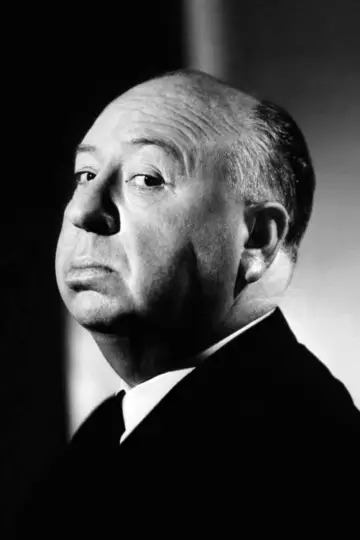
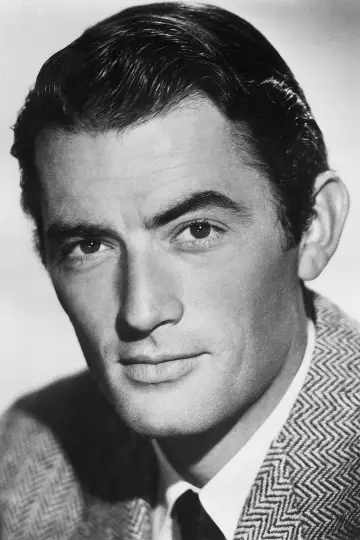
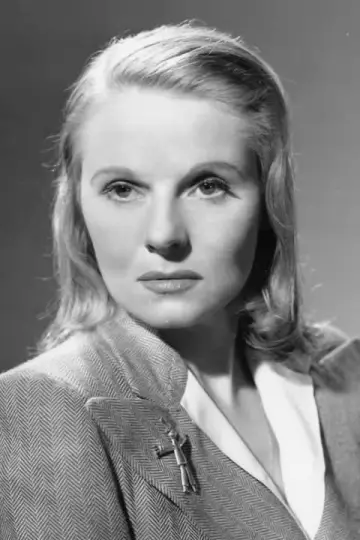
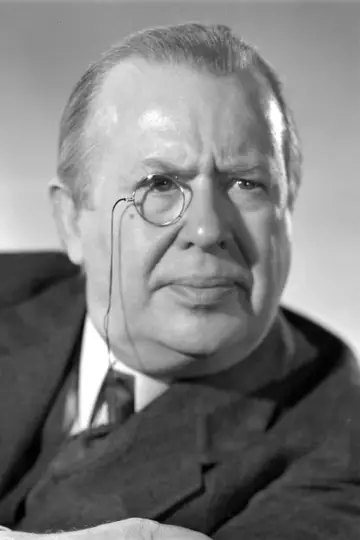
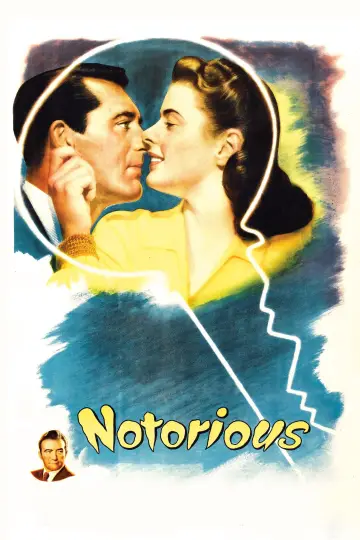
Alfred Hitchcock directed; it is the twenty-second of the forty-three films he made, following Notorious and preceding Rope. David O. Selznick produced and wrote the screenplay with Ben Hecht. Gregory Peck plays Keane, with Ann Todd as his wife Gay, Alida Valli as Mrs. Paradine, Charles Laughton as the presiding judge Lord Thomas Horfield, Charles Coburn as Sir Simon Flaquer and Ethel Barrymore as Lady Sophie Horfield.
The film was released in December 1947 and runs 114 minutes. Made for about four million dollars, it returned roughly two million worldwide, a shortfall against its cost. On IMDb it holds 6.5 out of 10 from around 13,000 votes, and on TMDB 6.2 out of 10 from 271 votes; a critics' rating of 6.2 out of 10 from 14 reviews places it close to the audience scores.
What's left behind the scenes
- An exact replica of the Old Bailey courtroom was built for the film's theatrical adaptation.
- The original screenplay was written by Ben Hecht (1894-1964) and James Bridie (1888-1951) based on an adaptation by Alma Reville (1899-1982). However, producer David O. Selznick disliked the result, so he became one of the screenwriters, and in the credits, he was listed as the sole author of the screenplay.
- After a record-breaking shooting period for him (92 days), Alfred Hitchcock (1899-1980) handed over the fully filmed movie to the studio, its duration was almost three hours. The version shown to the American Academy of Arts and Sciences was cut down to 2 hours 12 minutes. In this version, Ethel Barrymore (1879-1959) portrays the half-mad wife of Lord Horfield, which, in fact, explains her Oscar nomination. Then, producer David O. Selznick (1902-1965) reduced the film to 2 hours 5 minutes, and then to its current length – 1 hour 54 minutes, with Barrymore’s screen time in this version limited to just 3 minutes or so. In 1980, the original version of the film (before all the cuts) was destroyed by a flood, making the restoration of the deleted material now quite problematic, although it is claimed that copies of some scenes have been preserved in the George Eastman Museum (one of the oldest film archives in the world) in Rochester, New York.
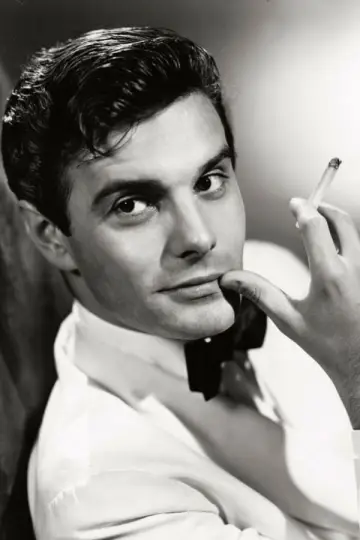
- Alfred Hitchcock liked the actors and actresses involved in the film, but he felt that Gregory Peck (1916-2003), Alida Valli (1921-2006) and Louis Jourdan (1921-2015) were poorly suited to their roles. Producer David O. Selznick insisted on casting them in these roles.
- Director's cameo: Alfred Hitchcock can be seen as a man with a cello in the crowd of people exiting the train.
- The film's production cost was virtually identical to that of the 1939 historical melodrama "Gone with the Wind" by Victor Fleming (1899-1949), George Cukor (1899-1983), and Sam Wood (1883-1949). Scenes were repeatedly reshot due to the insistence of producer David O. Selznick, who also constantly offered unsolicited advice to Alfred Hitchcock, whose work was meticulously planned in advance and down to the smallest detail. Hitchcock's contract stipulated $1,000 per day of filming, and ultimately Selznick took over the film entirely – including overseeing the editing and resolving issues with the musical score.



 Auditions in India
 Casting calls in USA
 Castingi w Polsce
 Кастинги в Україні

