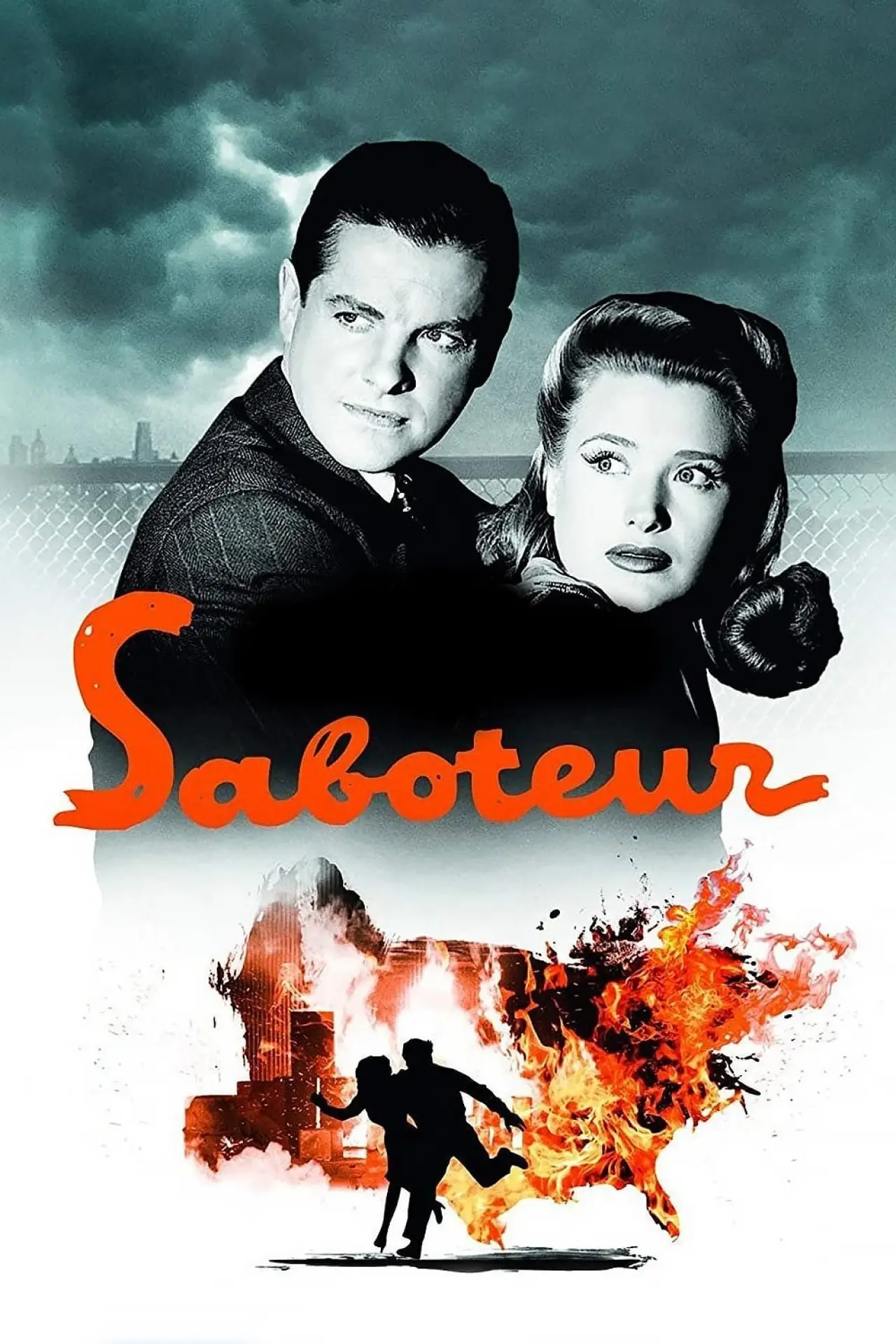
Saboteur




Short description
Barry Kane works at an aircraft factory in California, where a fire breaks out and kills his closest friend and colleague. Kane is blamed for the sabotage and, realizing that nobody will believe his account of what he saw, goes on the run rather than wait for the police to take him in. He crosses the country with the few clues he has, hoping to track down the man actually responsible for the fire and clear his name before he is caught.
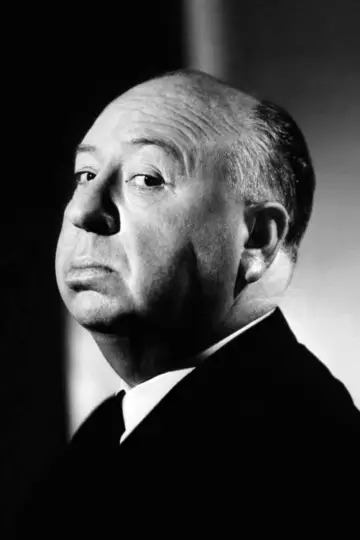
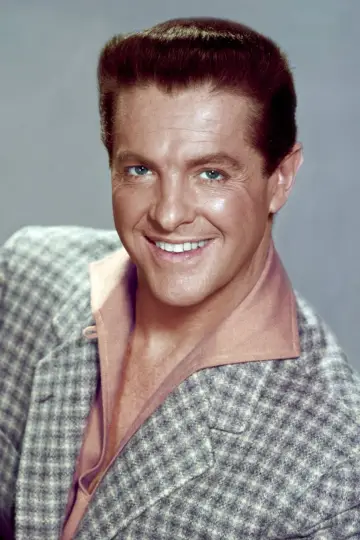
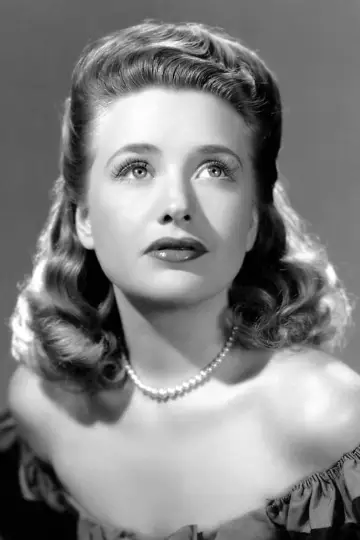
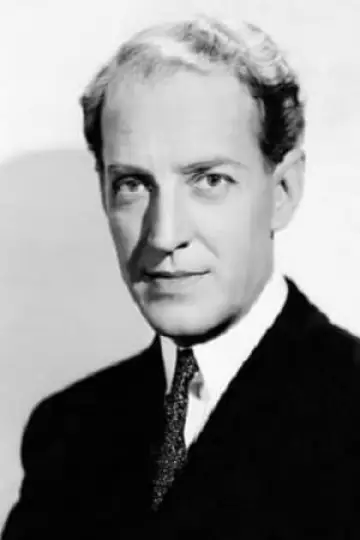
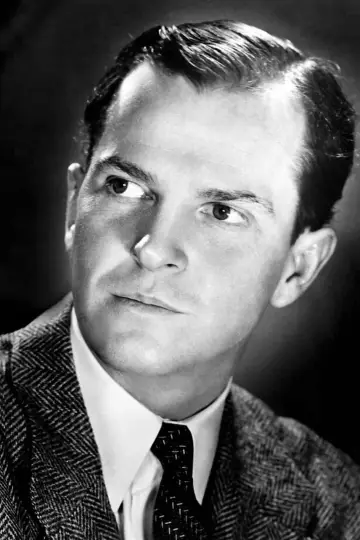
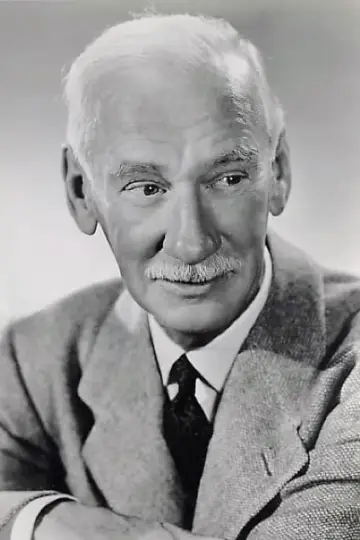
Alfred Hitchcock directed the film, the seventeenth of the forty-three features he made in chronological order, arriving between Mr. & Mrs. Smith in 1941 and Shadow of a Doubt in 1943. The screenplay was written by Dorothy Parker, Peter Viertel and Joan Harrison, and Frank Lloyd produced. Robert Cummings plays Kane, with Priscilla Lane as Pat Martin, Otto Kruger as Charles Tobin, Alan Baxter, Clem Bevans and Norman Lloyd among a credited cast of 107.
The film was released in April 1942 and took about a million dollars worldwide. It holds a rating of 6.9 out of 10 on TMDB from 564 votes, and a film critics' rating of 6.9 out of 10 from 31 reviews, so critics and audiences rate it similarly.
What's left behind the scenes
- Director Alfred Hitchcock intended to cast Gary Cooper and Barbara Stanwyck in the lead roles, but ultimately they went to Robert Cummings and Priscilla Lane.
- Hitchcock appeared in this film in his signature cameo, playing a man at a newspaper stand.
- The capsized ship featured in the shot is the 'Normandy,' which was the victim of an act of sabotage during World War II. However, this sabotage was carried out not by Nazis (as depicted in the film), but by local gangsters who hoped to force the government to pay them for protection against Nazi saboteurs. Despite the Navy leadership insisting that Hitchcock cut this shot, the director refused to do so.
- A brief appearance by Alfred Hitchcock himself (1899-1980) was removed by order of the censors. Hitchcock and a secretary played deaf pedestrians. When Hitchcock's character used sign language to convey something that was perceived as an indecent proposal, she slapped him. The scene was cut and replaced with another.
- Alfred Hitchcock always insisted on the authenticity of the performers in certain roles and was willing to go to great lengths to achieve it. For example, for the role of the man killed at the factory, he cast the assistant lighting foreman, as he felt that this man best embodied the image of a hardworking laborer.
- To film the scene in which police officers inspect a circus caravan at night, Alfred Hitchcock created a sense of perspective by using cars and people of different sizes. At the beginning of the caravan, and thus closest to the camera, were large trucks and tall extras; then, as the distance increased, smaller trucks and shorter people were used; in the far distance, model cars and cardboard cutouts of people with moving arms and legs were employed, and finally, simple lights were used to represent headlights.
- Director Alfred Hitchcock gave a great deal of direction to Otto Kruger (1885-1974) because he disliked how the actor played the main villain. In all other cases and with other actors, he was much more restrained, generally limiting his instructions to rehearsals. He was confident that any problem with the actors could be solved through camera work—especially regarding Kruger's long-winded speeches in which he glorified fascism.
- To make it appear to the audience that people on the pier were being tossed into the air by an explosion, Alfred Hitchcock simply instructed the cinematographer to quickly film each extra individually, moving the camera from top to bottom.
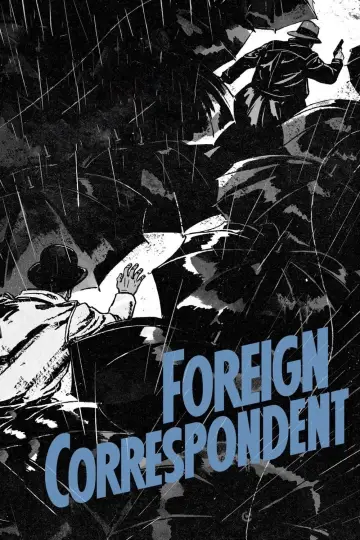
- The famous scene at the Statue of Liberty takes place on the torch platform, but in reality, access there had been closed following an act of sabotage in 1916. Corresponding sets were built for the filming. Special effects were also used in this scene. For example, Norman Lloyd (1914-2021) lay on his side against a black background, while the camera above him rose sharply from his position to a height of over 12 meters (making it seem to the viewer as if he were falling away from the camera). The image filmed at the top of the Statue of Liberty was subsequently superimposed onto the black background.






 Auditions in India
 Casting calls in USA
 Castingi w Polsce
 Кастинги в Україні

