Das Boot













Short description
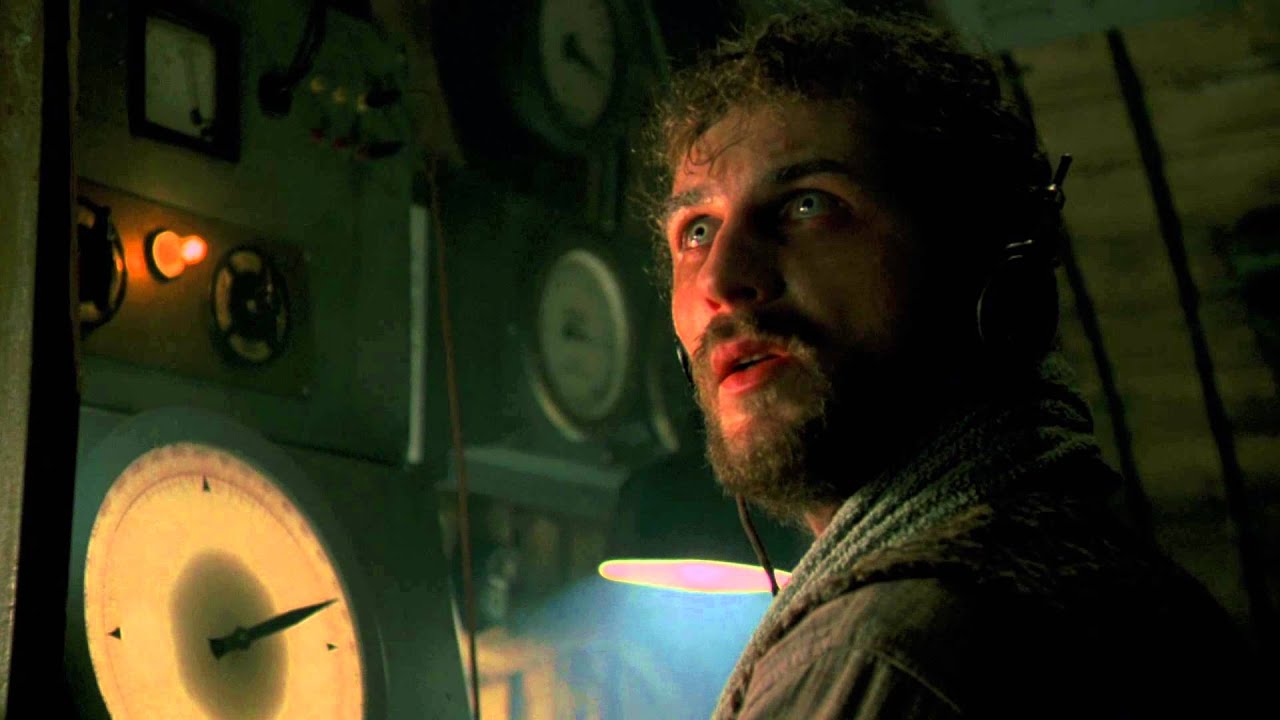
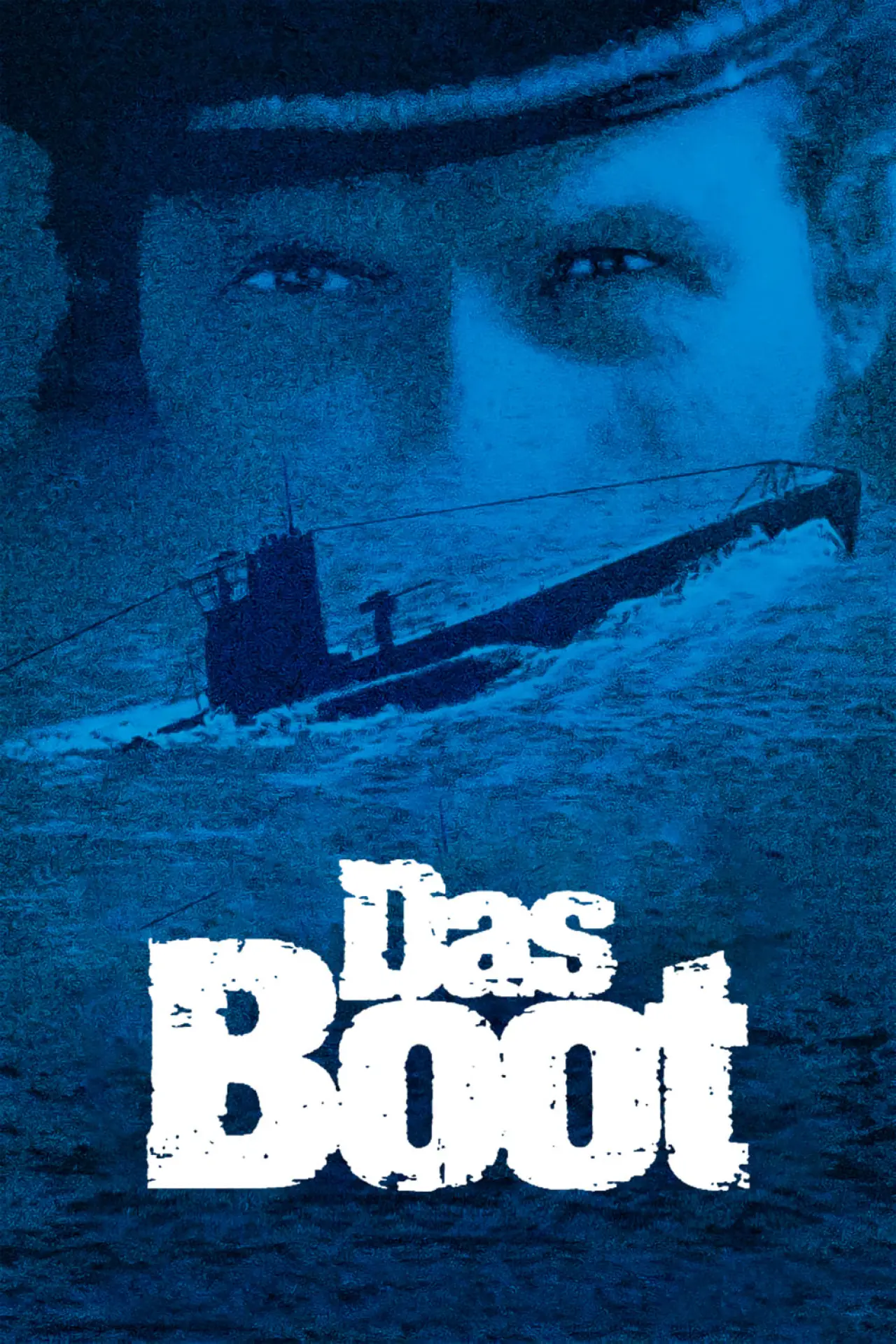
Das Boot follows the crew of a German U-boat sent into the Atlantic during the Second World War to attack Allied convoys. A war correspondent, Werner, joins the boat to report on the captain and his men for audiences back home. What begins as routine patrol turns into a prolonged ordeal: the hunters become the hunted, and the men must endure depth charges, cramped quarters and the constant threat of death beneath the surface. Wolfgang Petersen directed and co-wrote the film with Dean Riesner, working from Lothar-Günther Buchheim's novel. It was Petersen's second feature, arriving between his 1969 debut Ich Nicht and The NeverEnding Story in 1984, and it established him as a director capable of large-scale, tense productions.
Jürgen Prochnow plays the veteran commander known as Der Alte, with Herbert Grönemeyer as Werner, Klaus Wennemann as the chief engineer, and Hubertus Bengsch and Martin Semmelrogge as the first and second watch officers. The production, made in Germany with Columbia Pictures among its backers, cost about 14 million dollars and returned roughly 11 million at the worldwide box office.
Audiences have rated it highly: 8.3 out of 10 on IMDb across some 287,000 votes, and 8.1 out of 10 on TMDB from far fewer votes. A critics' rating of 9.3 out of 10 from 55 reviews places it above both audience scores, which suggests unusually strong critical backing for a war drama of this scale.
What's left behind the scenes
- Rutger Hauer was considered for the role of the U-96 captain, but at the last moment, the actor declined to participate in the film, preferring to work on Ridley Scott's 'Blade Runner'.
- The film's soundtrack features a version of the song 'It's a Long Way to Tipperary', performed by the Alexandrov Ensemble of Song and Dance. The same song was sung by liberated English prisoners of war in the Soviet film about the German submarine 'Secret Passage' (1986).
- U-96 – a medium-sized German Type VIIC U-boat from World War II – became one of the most famous submarines after the publication of the novel "The Boat." The order to build the submarine was given on May 30, 1938. The boat was laid down on September 16, 1939, at the Germaniawerft shipyard in Kiel under construction number 601, launched on August 1, 1940. The boat entered service on September 14, 1940, under the command of Lieutenant Commander Heinrich Lehmann-Willenbrock.
- The film is based on the novel of the same name by Lothar-Günther Buchheim.
- When the team spots a destroyer through binoculars, they announce "Destroyer at ten o'clock!", but everyone looks to the right, "at two o'clock", rather than to the left in the direction of the boat's course.
- The boat used for filming 'Das Boot' was also used in the filming of 'Raiders of the Lost Ark' (1981).
- During filming, the real captain of U-96, Heinrich Lehmann-Willenbrock, was present as a consultant; he was already 70 years old at the time.
- Two full-scale mock-ups of the conning tower and deck were made for filming on the U-96, as well as a miniature submarine intended for unmanned scenes at sea. Scenes on the bridge were filmed in a pool equipped with devices to create 'storm waves'.
- For the scenes inside the submarine compartments, a tank was built that hung on two gimbal mounts and could sway up-down and left-right, allowing for realistic filming of the jolts from depth charge explosions.
- The theatrical release of the film lasted 150 minutes, while the director's cut ran for 209 minutes. In 1996, a complete version of the film with a runtime of 293 minutes was released.
- The scenes in La Rochelle were filmed in the same hangars built by the Germans during World War II. Some residents, still remembering the occupation, noted that 'the Germans are as crazy as they were then'.
- Most of the film's shooting took place in Munich.
- The film features an Enigma machine for radio communications, around which the plot of another film about a German submarine – 'U-571' (2000) – is built.
- Pre-production lasted 5 years. The actual filming took one year, and another year was spent on post-production.
- The final scene was filmed in one take, primarily due to the high cost of filming it.
- In the early 1990s, the group "U-96" created a techno version of the film's musical theme – "Das Boot," which became very popular.
- Initially, the project was to be directed by Don Siegel.
- The film was shot in chronological order, with the exception of the opening scenes in the bar and the final scenes in the harbor, which were filmed last.
Similar movies









 Auditions in India
 Casting calls in USA
 Castingi w Polsce
 Кастинги в Україні
