Alexander the Great



Short description
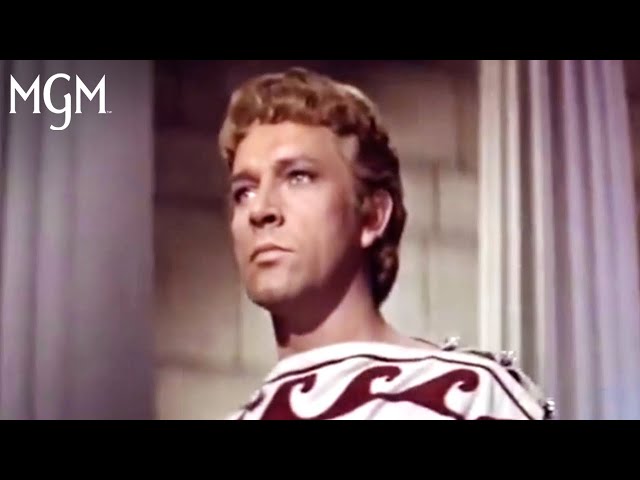
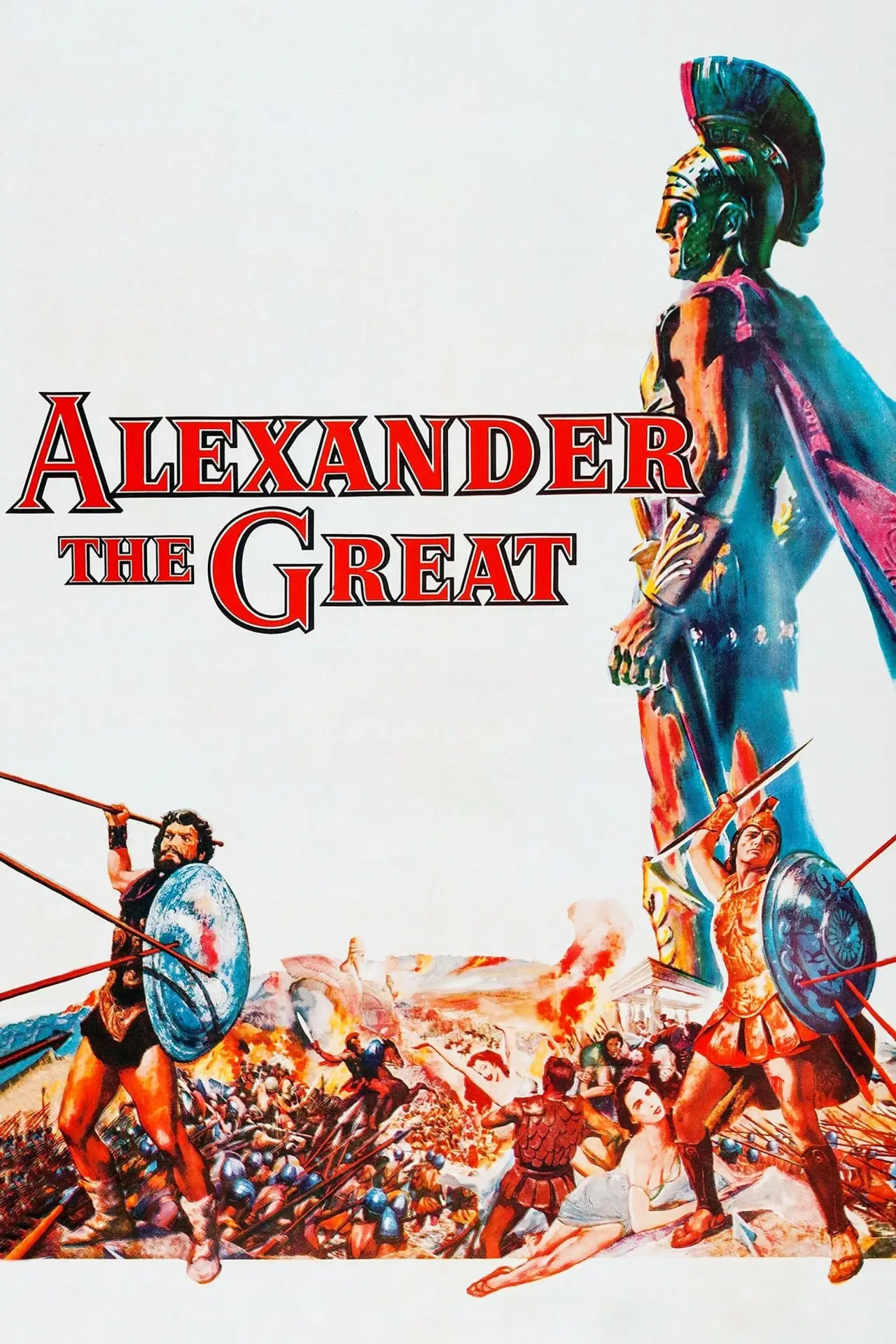
Alexander the Great is a historical drama about the rise of the Macedonian king who, in the fourth century BC, led his armies across the known world. The son of the harsh King Philip of Macedonia, Alexander is raised amid his parents' troubled marriage and educated by Aristotle. After succeeding his father, he takes command of the army, subdues Greece, and pushes eastward into Persia, driven by the conviction that Greek thought can bring enlightenment to the peoples he defeats. The film follows his campaigns and the growing cost of his ambition.
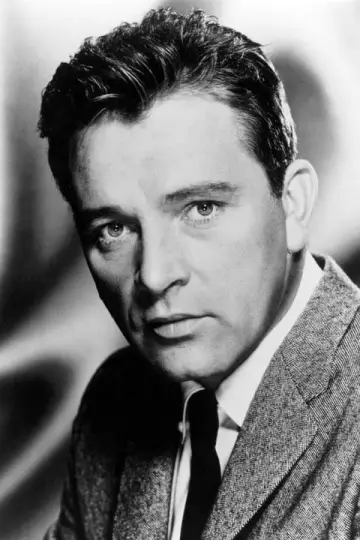
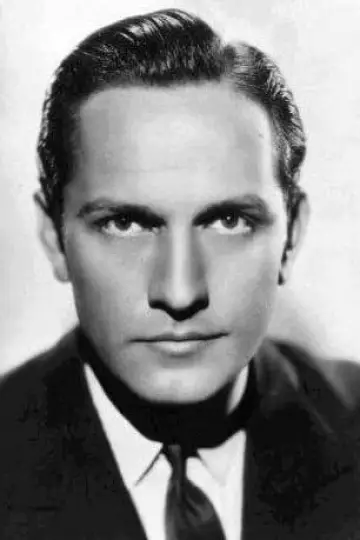
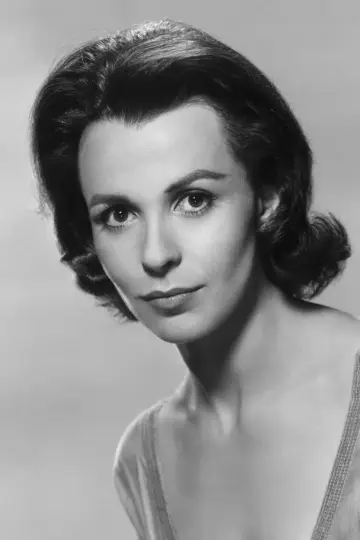
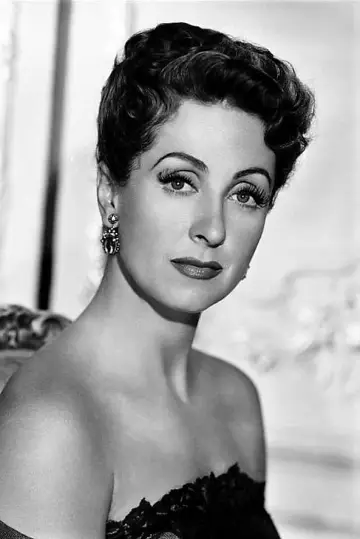
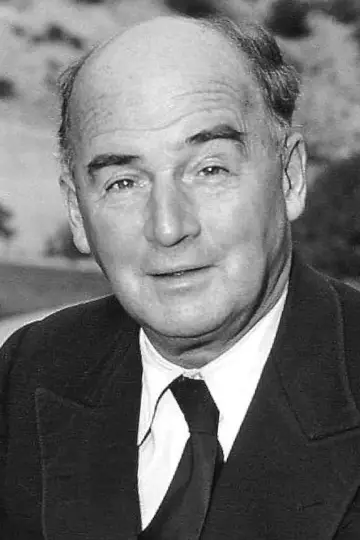
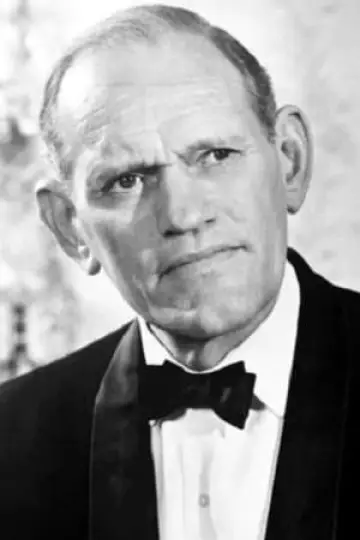
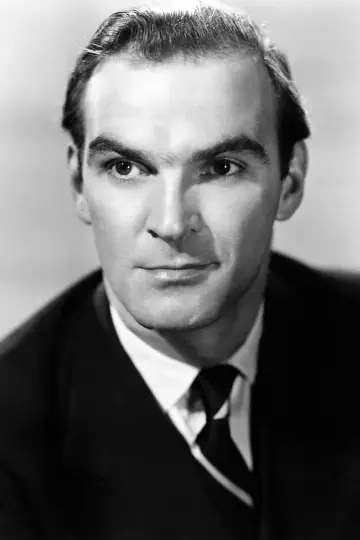
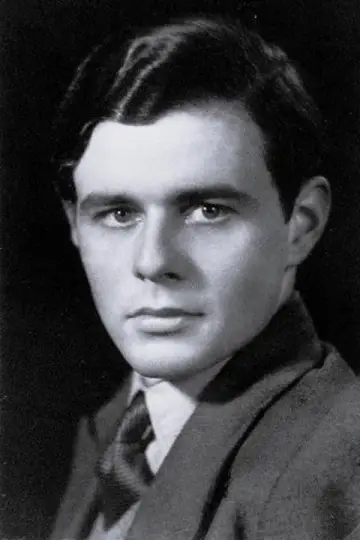
Robert Rossen directed, produced and wrote the screenplay, working from a large credited cast led by Richard Burton as Alexander, Fredric March as Philip, Claire Bloom as Barsine, Danielle Darrieux as Olympias, Barry Jones as Aristotle and Harry Andrews as Darius. It was Rossen's fourth film as director, arriving between Mambo and The Hustler, and a Spanish-American co-production released by United Artists.
The film received mixed-to-negative notices, with critics averaging 3.7 out of 10 across nine reviews, while audiences have been somewhat more forgiving: on IMDb it holds 5.8 from around 4,600 votes, and on TMDB 6.1 from roughly 112 votes.
What's left behind the scenes
- The film features a map in English.
- Memnon of Rhodes dies in battle, whereas historical accounts state he died of natural causes, albeit suspiciously conveniently for Alexander.
- According to the film, Alexander dies in Susa, but in reality he died in Babylon.
- In one episode, Alexander reads a book, 'The Iliad,' rather than a scroll, as it should have been.
- The Caspian Sea was then called the Hyrcanian Sea.
- Alexander's young stepmother says she is a year older than him. However, according to historical data, she was two years younger. Also, her name was actually Cleopatra, not Eurydice, as in the film.
- The Persians call their king by the Greek version of his name – Darius, and not Darayavush, as it should be.
- The film mentions the dyba – a torture device invented only in the Middle Ages.
- Before leaving Alexander as regent in Pella, Philip admits that he fell out of love with Olympias twenty years ago. However, according to history, Alexander was only sixteen at that time, meaning Philip fell out of love with his wife even before marrying her.
- Darius is referred to as an emperor – this title appeared later and neither the Persians nor the Greeks would have used it to address him.
- Alexander decided to turn back home not because he was tormented by guilt after killing Cleitus, but due to unrest within his weary army.
- The Egyptian priest shown in the film does not have his hair and eyebrows shaved, as was customary.
- Philip was killed at a celebration dedicated to his daughter's wedding, not his son's birth, as in the film.
- In one scene, Alexander is addressed with 'you' (formal), although such a form of address did not exist in Ancient Greece.
- Alexander calls Zeus the father of Achilles, although in reality it was Peleus.
- Philip was one-eyed, and this is not shown in the film.
- Pausanias was not actually a friend of Alexander, but a bodyguard and lover of Philip, and after the latter's murder, he was killed not by Alexander himself, but by the royal bodyguards.
- Alexander calls Clitus his brother, although he should have referred to Philotas as such, as they shared the same wet nurse.
- The banquet during which Alexander killed Cleitus took place in Samarkand, not India.
- Philip tells his son, 'You are straight and tall, like a Macedonian spear.' However, most historians agree that Alexander the Great was not particularly tall.
- Roxana, the Bactrian princess, was presented as the daughter of Darius. Alexander was indeed married to one of Darius's daughters, but her name was Statira. Thus, Roxana in the film combines the features of two of Alexander's wives.
- Alexander addresses his companions as 'generals and officers,' which is impossible, as such ranks did not exist at that time.
- It was Thais of Athens who set fire to the palace in Persepolis, not Alexander's concubine Barsine. Moreover, in the film, Alexander orders the fire to be quickly extinguished, which did not happen in reality.
- Before leaving Alexander as regent of Macedon during his next campaign, Philip says he fears his son might become a pawn in the hands of his mother, Olympias. Later, after conquering the rebellious city, Alexander shouts, 'I am not a pawn!' However, at that time, they could not have known about chess or even its predecessor, the Indian game of chaturanga.
Similar movies





 Auditions in India
 Casting calls in USA
 Castingi w Polsce
 Кастинги в Україні
