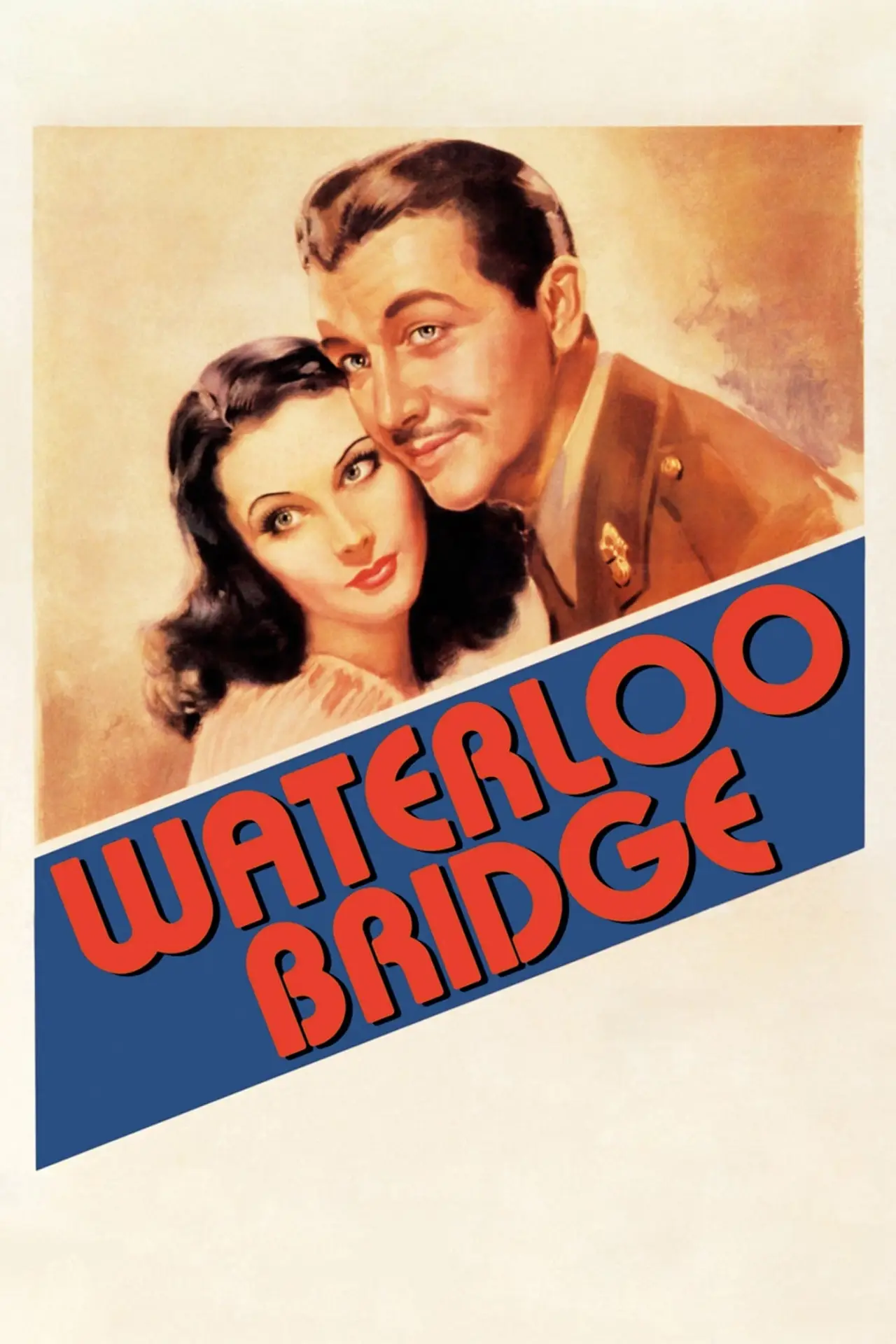
Waterloo Bridge






Short description
A British officer returns to Waterloo Bridge in London as the Second World War begins and looks back on his youth during the First World War. As a young captain on leave, Roy Cronin meets Myra, a dancer, and the two fall in love. Before they can marry, he is sent back to the front. Myra, kept out late with him, is expelled from her ballet company by its strict mistress, and a report of his death leaves her destitute in a city that offers her little.
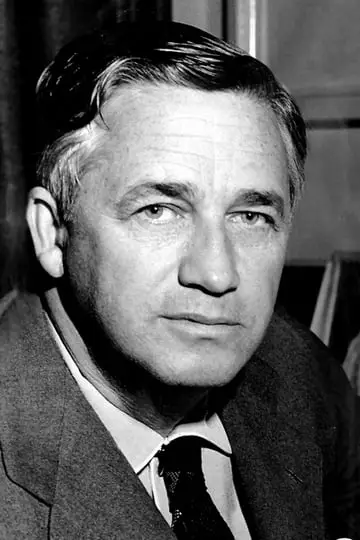
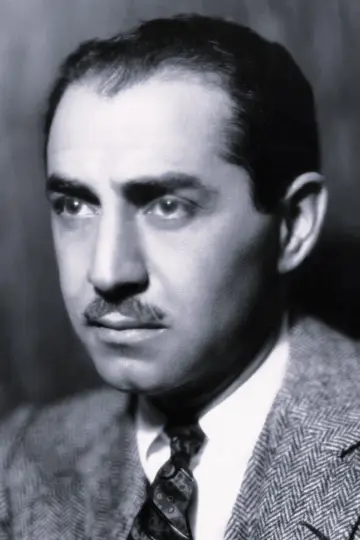
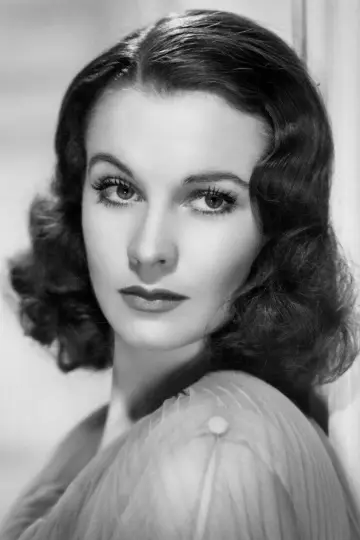
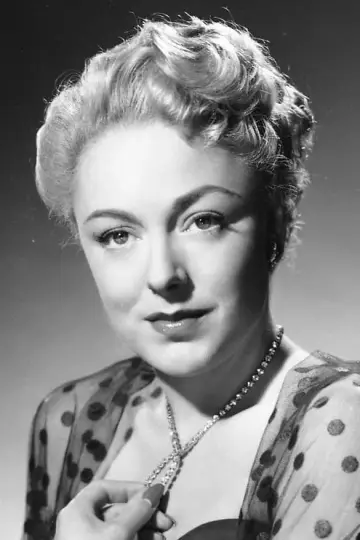
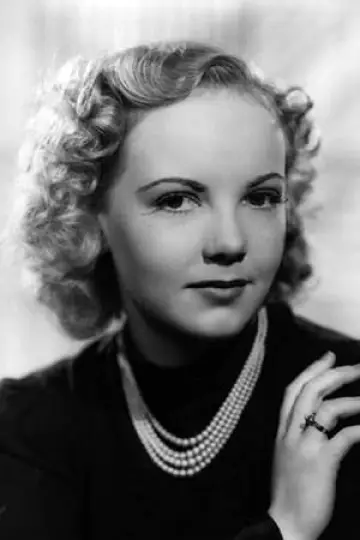
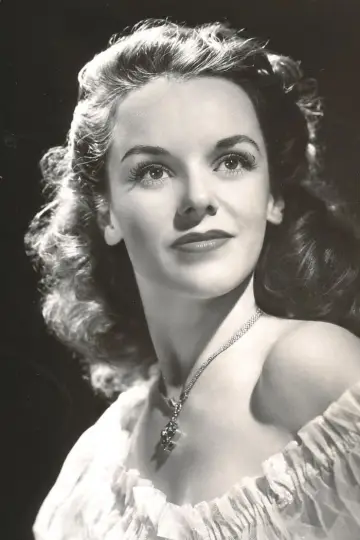
Mervyn LeRoy directed this 1940 drama for Metro-Goldwyn-Mayer, made for about a million dollars. It was his sixth film as director in chronological order, coming after Tugboat Annie and before Random Harvest. The screenplay was written by George Froeschel, Hans Rameau and S. N. Behrman, and Sidney Franklin produced. Vivien Leigh plays Myra opposite Robert Taylor as Roy, with Lucile Watson, Virginia Field, Maria Ouspenskaya and C. Aubrey Smith in supporting roles; the credited cast runs to 73 names. Leigh took the part shortly after Gone with the Wind.
Audiences rate the film well: 7.7 out of 10 on IMDb from around 12,000 votes and 7.5 out of 10 on TMDB from roughly 184 votes, indicating durable affection despite a smaller modern viewership on the latter. The film critics' rating stands lower, at 6.4 out of 10 from six reviews.
What's left behind the scenes
- Kitty, played by Virginia Field (1917-1992), and Roy, played by Robert Taylor (1911-1969), were unable to get married after 3 p.m. In Great Britain, there was a law passed as early as 1837 to prevent clandestine marriages, which were becoming a problem at that time, and this law established time restrictions on the marriage ceremony. According to this law, it could be held from 8 a.m. to 12 p.m. In 1886, this time interval was extended to 3 p.m., and in 1934 – to 6 p.m. All time restrictions were lifted only in 2012.
- In the episode where the main characters dance a waltz, a dialogue was originally planned, but the screenwriters couldn't agree on the words. Ultimately, Merwin LeRoy decided that the images should speak for themselves – Robert Taylor and Vivien Leigh would dance in silence, expressing their feelings only through glances, gestures, and facial expressions.
- The film was released exactly one week after the end of the "Phoney War" and the Wehrmacht began its offensive against France.
- Before bringing the story of Myra and Roy Cronin to the big screen, it had been staged on Broadway since 1930.
- Maria Uspenskaya (1876-1949), who played the cruel Madame Olga, once studied with Konstantin Stanislavski (1863-1938) himself. After moving to America, she taught acting to Lee Strasberg (1901-1982), who later headed the prestigious Actors Studio in New York.





 Auditions in India
 Casting calls in USA
 Castingi w Polsce
 Кастинги в Україні

