Live Aid



Short description
This documentary records a massive musical event held on July 13, 1985, to raise funds for people facing famine in Africa. The event took place simultaneously at Wembley Stadium in London and JFK Stadium in Philadelphia, utilizing a vast satellite network to reach a global television audience across 150 nations. Organized by Bob Geldof and Midge Ure, the project grew from the success of charity singles to a sixteen-hour series of performances by numerous international stars.
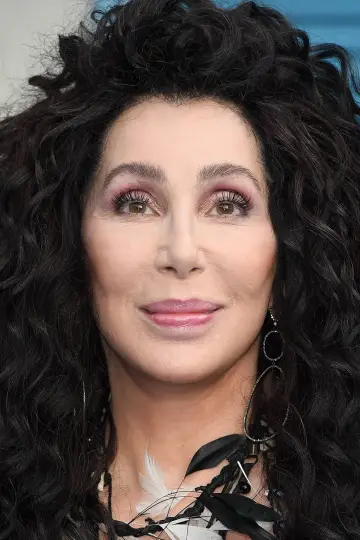
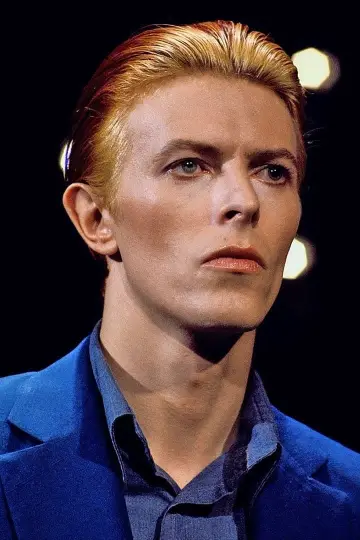
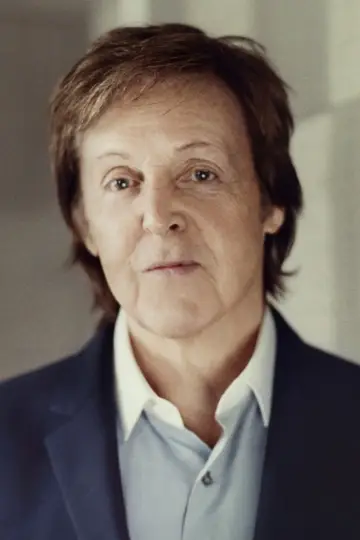
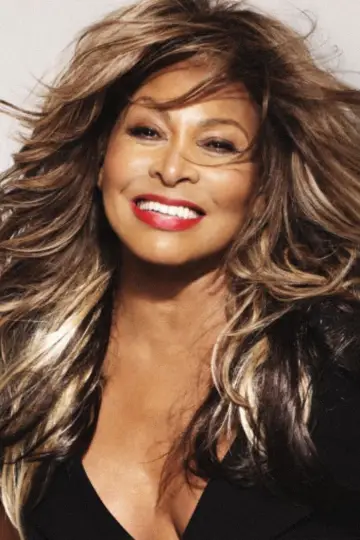
The film was directed by Kenneth Shapiro and Vincent Scarza and produced by Hal Uplinger through the BBC and MTV. It features a large cast of 132 credited performers appearing as themselves, including David Bowie, Paul McCartney, Tina Turner, Cher, Bob Dylan, and B.B. King. With a runtime of 960 minutes, the production captures the scale of the concerts, which collected over 140 million dollars for aid.
Financially, the film achieved a worldwide box office of 150 million USD. It has been well received by viewers, earning a rating of 8.5/10 on IMDb based on 2,500 votes and a rating of 7.9/10 on TMDB from 54 votes.
What's left behind the scenes
- During The Who’s performance, a red light lit up at the edge of the stage, indicating to the musicians that their time was up. Pete Townshend simply smashed the light with his foot, and the band continued to play for another 5 minutes.
- Pink Floyd did not perform at the concert because legal disputes between Roger Waters and the rest of the musicians were at their peak. David Gilmour accompanied Bryan Ferry on guitar, but his name was not announced as part of the backing band.
- A performance by Deep Purple via satellite from Switzerland was planned, but it fell through due to guitarist Ritchie Blackmore's refusal to participate.
- The main concert venues were in London and Philadelphia, with similar events taking place on the same day in Austria, the USSR, Germany, Australia, Yugoslavia, Denmark, and Japan.
- Bob Geldof refused to release a concert video for many years, arguing that such an event happens once in a lifetime and should be remembered as such. When pirate recordings of the festival appeared on the market, Geldof gave in. Live Aid was released on DVD, with all profits from sales going to the Band Aid charity fund.
- Approximately 1.9 billion people in over 150 countries watched the Live Aid broadcast live.
- Queen almost refused to perform due to Freddie Mercury, who feared their performance would be seen as a political statement. Geldof barely convinced Mercury that the festival was apolitical. Furthermore, he tempted the Queen frontman with the opportunity to perform before the largest audience in the band's history.
- Several groups reunited for the festival, but The Beatles were not among them. The band members were asked to perform with Julian Lennon, who would have taken his father's place, but they declined the offer.
- Stevie Wonder received an invitation to participate, but declined, citing the lack of African American artists on the lineup. The only Black headliner to perform at Wembley Stadium was the vocalist from Sade, which led to harsh criticism of the festival organizers for a lack of racial diversity.
- During work on the supergroup Band Aid in November 1984, Sting and Phil Collins met and became friends for the first time. At the music festival at Wembley, Sting and Collins performed two songs together, rehearsing over the phone beforehand.
- During The Boomtown Rats' performance of "Rat Trap," Bob Geldof accidentally pulled the microphone cable. For this reason, the song "Rat Trap" was not included in the subsequent DVD collection.
- Bob Geldof insisted that the companies handling the broadcast from London and Philadelphia destroy all recordings made. The BBC corporation ignored the request and kept the recordings in its archives, while ABC destroyed all footage. When the decision was made to release the concert on DVD years later, all material filmed at Wembley was available, while the recordings of the performances in Philadelphia had to be pieced together.
- After Phil Collins finished his performance at Wembley Stadium in London, he had a few hours to get to Philadelphia, where he was also scheduled to take the stage. The musician crossed the Atlantic on the 'Concorde'.
- Initially, it was planned for Mick Jagger and David Bowie to perform the song 'Dancing in the Street' by the female group Martha & The Vandellas together – Jagger from Philadelphia and Bowie from London. It turned out to be impossible due to technical difficulties, so Jagger and Bowie simply released a single with the song, which soared to number one in the UK charts and reached the top ten in the US. The proceeds from its sale were donated to the Live Aid fund.
- Festival organizer Bob Geldof stated that the best sound and performance came from the band Queen. In 2005, over 60 musicians, journalists, and show business figures also named Queen's performance at the festival 'the greatest live performance of all time.' Guitarist Brian May admitted that Queen had a slight advantage over the others, as the band was used to performing in front of huge audiences.
- The duo Wham!, consisting of George Michael and Andrew Ridgeley, were scheduled to take the stage after Elton John, but there was no longer time as John's performance ran long. John invited Michael to perform his song "Don't Let the Sun Go Down On Me," accompanying him on piano.


 Auditions in India
 Casting calls in USA
 Castingi w Polsce
 Кастинги в Україні
